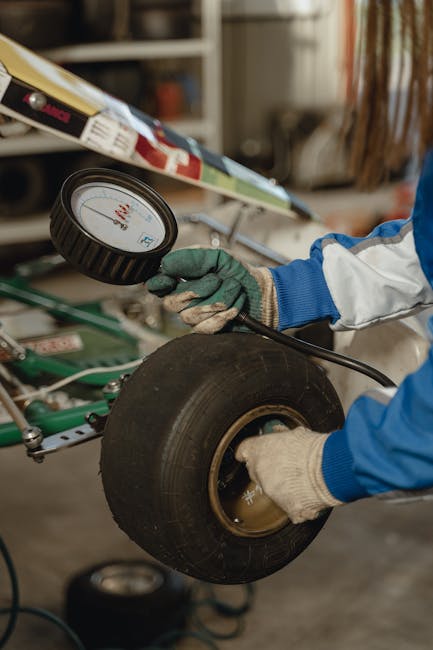
Have you ever wondered if your car’s tires have the right amount of air? Checking your tire pressure is one of the easiest ways to keep your car safe and running smoothly.
When your tires are properly inflated, you get better fuel efficiency, improved handling, and longer tire life. But if the pressure is too low or too high, it can lead to costly repairs or even accidents. You’ll learn exactly how to check your tire pressure quickly and accurately, so you can drive with confidence every time.
Keep reading—it’s simpler than you think!
Credit: tiredirect.ca
Importance Of Proper Tire Pressure
Checking tire pressure is important for every car owner. Proper tire pressure keeps you safe on the road.
It also helps save money and extends the life of your tires. Let’s look at why proper tire pressure matters.
Safety Benefits
Correct tire pressure improves your car’s handling and braking. It lowers the chance of tire blowouts and accidents.
- Better control on wet or slippery roads
- Shorter stopping distances
- Less risk of tire failure
Fuel Efficiency
Properly inflated tires reduce rolling resistance. This means your car uses less fuel to move.
| Tire Pressure | Fuel Efficiency Effect |
| Too Low | Increases fuel consumption |
| Recommended Level | Optimizes fuel savings |
| Too High | May cause uneven wear |
Tire Longevity
Keeping tires at the right pressure helps them last longer. It prevents uneven wear and tear.
Tips to increase tire life:
- Check pressure monthly
- Inspect tires for damage
- Rotate tires regularly
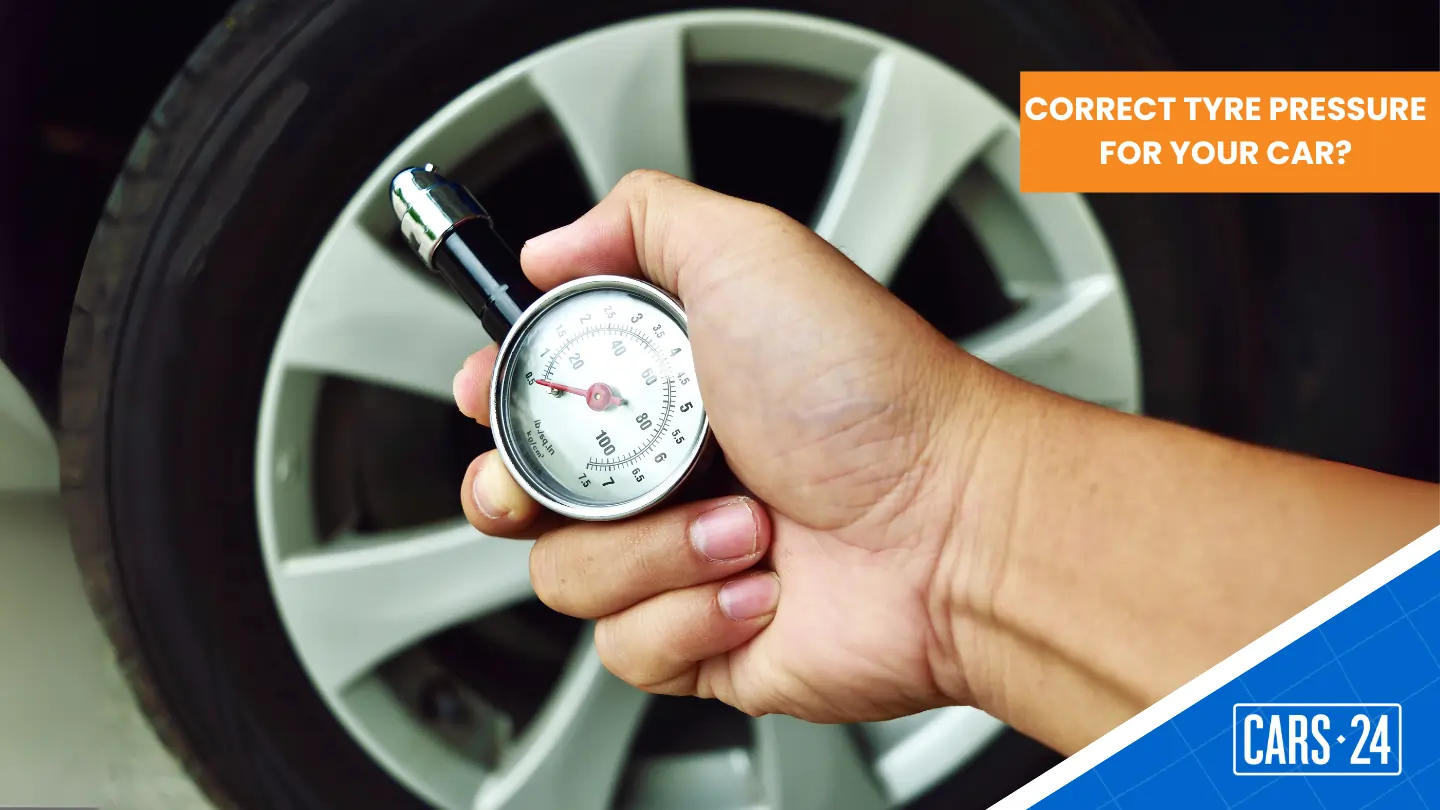
Credit: www.cars24.com.au
Tools Needed For Checking Tire Pressure
Checking your car’s tire pressure is important for safe driving. You need the right tools to do it well.
This guide explains the tools needed and where to get them. It helps you keep your tires in good shape.
Tire Pressure Gauge Types
Tire pressure gauges come in different styles. Each type shows the air pressure in your tires.
Here are the main types of tire pressure gauges you can use:
- Stick Gauge:A simple, small tube that slides out to show pressure.
- Dial Gauge:Has a round dial with a needle to display pressure clearly.
- Digital Gauge:Shows pressure on a small screen for easy reading.
Digital gauges are easy to read but need batteries. Dial and stick gauges do not need power.
Where To Buy Tools
You can buy tire pressure gauges at many places. Choose a store that fits your needs and budget.
Here are some common places to buy tire pressure tools:
- Auto parts stores
- Large retail stores
- Online marketplaces
- Gas stations or convenience stores
Check the tool’s quality before buying. A good gauge lasts a long time and gives accurate readings.
When To Check Tire Pressure
Keeping the right tire pressure is important for safe driving. Checking your tires often helps you avoid problems on the road.
Knowing the best times to check your tire pressure keeps your car running smoothly. It also saves fuel and extends tire life.
Before Long Trips
Check your tire pressure before going on a long trip. Proper pressure helps your car handle better and uses less fuel.
Long drives can put extra stress on tires. Making sure they are at the right pressure reduces the chance of a blowout.
Seasonal Changes
Tire pressure changes with the weather. Cold air makes pressure drop, and hot air makes it rise.
Check your tires at the start of each season. This keeps your tires safe and your car stable on different roads.
- Check pressure in fall before cold weather
- Check pressure in spring after winter
- Adjust pressure if you notice changes in temperature
Regular Maintenance Schedule
Make checking tire pressure part of your car care routine. Regular checks help spot problems early.
Check your tires at least once a month. Also check before and after heavy loads or rough roads.
- Check pressure monthly
- Check before carrying heavy loads
- Check after driving on rough terrain
Step-by-step Tire Pressure Check
Checking your car’s tire pressure keeps you safe and saves fuel. It is easy to do at home with a few tools.
Follow these simple steps to check your tire pressure correctly and keep your tires in good shape.
Locate The Valve Stem
Find the valve stem on your tire. It is a small rubber or metal stem sticking out from the wheel. This is where you will check the pressure.
Remove Valve Cap
Unscrew the valve cap by turning it counterclockwise. Keep the cap in a safe place so you can put it back later.
Use The Pressure Gauge
- Press the tire pressure gauge firmly onto the valve stem.
- Hold it for a few seconds until the gauge shows a reading.
- Read the number on the gauge. This is the tire pressure in PSI (pounds per square inch).
Compare With Recommended Pressure
| Location | Recommended PSI |
| Driver’s Side Door Frame | Check sticker for exact numbers |
| Owner’s Manual | Usually 30-35 PSI for most cars |
| Tire Sidewall | Maximum PSI allowed (not recommended pressure) |
Check your car’s recommended tire pressure on the driver’s side door frame or in the owner’s manual. Do not use the number on the tire sidewall.
Adjust Pressure If Needed
If the pressure is too low, add air using an air compressor. If it is too high, press the valve stem to release air.
Replace Valve Cap
Screw the valve cap back on tightly. This keeps dirt and moisture out of the valve.
Finding Recommended Tire Pressure
Checking your tire pressure is important for safe driving. The right pressure keeps your car stable and saves fuel.
To find the correct tire pressure, look for information from your car or tire. This guide shows where to check.
Owner’s Manual
Your car’s owner’s manual has important details about tire pressure. It tells you the exact pressure for your tires.
Look in the section about tires or maintenance to find the recommended pressure in PSI or kPa.
Driver’s Side Door Jamb
Open the driver’s side door and check the door jamb area. You will find a sticker or label there.
This label shows the recommended tire pressure for front and rear tires. It also lists the tire size.
- Pressure is usually given in PSI or kPa
- Check both front and rear tire pressures
- Use this info when inflating your tires
Tire Sidewall Information
Look at the sidewall of your tire for a number called the maximum pressure. This is not the recommended pressure.
The number shows the highest pressure the tire can safely hold. Do not use this as your normal tire pressure.
- Maximum pressure is usually higher than recommended
- Use the car’s label or manual for correct pressure
- Check sidewall for tire size and type
Common Tire Pressure Issues
Keeping the right tire pressure is important for your car’s safety and performance. Many drivers face tire pressure problems that can cause damage or accidents.
Understanding common tire pressure issues helps you know when to check and fix your tires. Below are some usual problems you should watch for.
Underinflation
Underinflation means your tires have less air than needed. This makes tires wear out faster and can lower fuel efficiency.
Driving with low tire pressure can cause poor handling and increase the chance of a blowout. Check your tire pressure regularly to avoid this issue.
Overinflation
Overinflation is when tires have too much air. This can make the ride feel rough and reduce the tire’s contact with the road.
Too much air pressure can cause uneven tire wear and increase the risk of damage from road bumps. Always use the recommended pressure for your car.
Slow Leaks
Slow leaks happen when tires lose air gradually over time. This can be caused by small punctures or valve problems.
Slow leaks make tires unsafe and lower fuel economy. Check tire pressure often and fix leaks quickly to stay safe on the road.
Tips For Maintaining Proper Tire Pressure
Keeping the right tire pressure is important for safe driving and saving fuel. Tires with the correct pressure last longer and perform better.
Here are some tips to help you maintain proper tire pressure for your car.
Regular Checks
Check your tire pressure at least once a month. Do this when tires are cold for the most accurate reading. Use your car’s manual to find the right pressure.
- Remove the valve cap from the tire.
- Press the pressure gauge onto the valve stem.
- Read the pressure on the gauge.
- Add or release air as needed to reach the correct pressure.
- Replace the valve cap securely.
Use Quality Equipment
Use a reliable tire pressure gauge for accurate results. Digital gauges are easy to read and often more precise than analog ones.
| Type | Pros | Cons |
| Digital Gauge | Easy to read, accurate | Requires battery |
| Analog Gauge | Simple, no battery needed | Harder to read precisely |
| Stick Gauge | Compact, inexpensive | Less accurate, can break |
Keep Spare Tire Ready
Check your spare tire’s pressure regularly. A flat spare is useless during emergencies. Keep a small air pump or inflator in your car.
- Check spare tire pressure monthly.
- Store a tire inflator or pump in your trunk.
- Inspect the spare for cracks or damage.
- Replace old or worn spares promptly.

Credit: www.youtube.com
Frequently Asked Questions
How Often Should I Check My Car Tire Pressure?
You should check tire pressure at least once a month. Regular checks help maintain optimal performance and safety. Also, check before long trips or when temperature changes significantly.
What Is The Correct Tire Pressure For My Car?
Check your car’s manual or the sticker inside the driver’s door. The recommended pressure varies by vehicle and tire type. Maintaining proper pressure improves fuel efficiency and tire lifespan.
Can I Use A Digital Gauge To Check Tire Pressure?
Yes, digital gauges provide quick and accurate readings. They are easy to use and often more precise than analog options. Keep the gauge calibrated for best results.
What Happens If Tire Pressure Is Too Low?
Low tire pressure causes poor fuel economy and uneven tire wear. It can also affect handling and increase the risk of tire blowouts. Always inflate tires to the recommended level.
Conclusion
Checking your car’s tire pressure is quick and important. It helps keep you safe on the road. Proper pressure saves fuel and makes tires last longer. Use a reliable gauge to measure the pressure. Check tires when they are cold for best results.
Regular checks avoid flat tires and accidents. Make it a habit before long trips or monthly. Small steps like these protect your car and your wallet. Stay safe, drive smart, and keep tires in good shape.