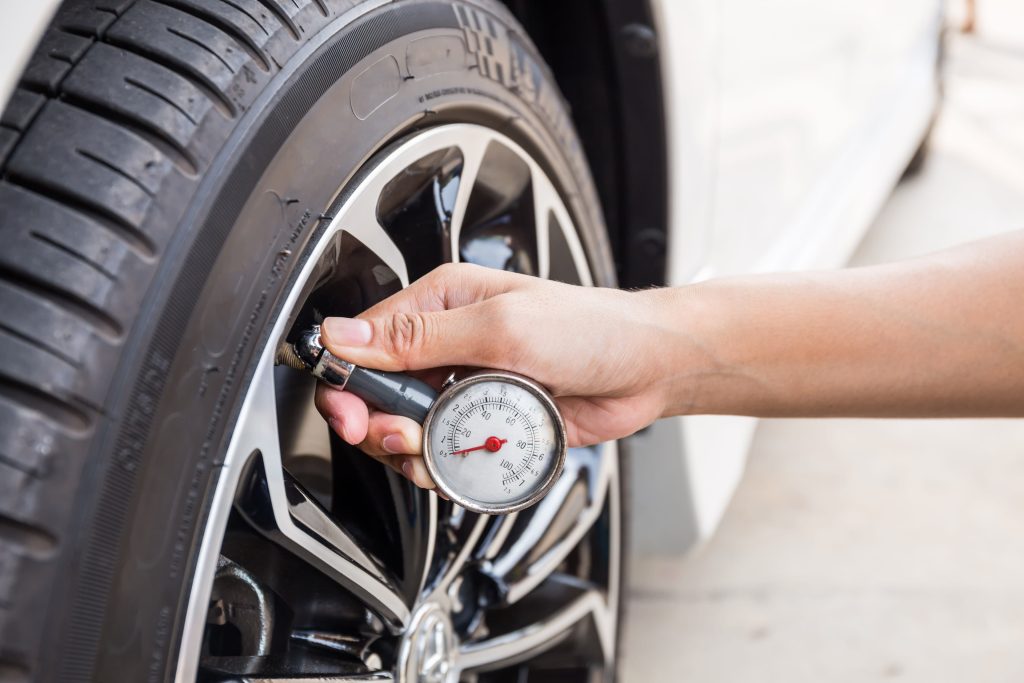
Your car’s tire pressure plays a huge role in your safety, fuel efficiency, and tire life. But how often do you actually check it?
If you’re unsure how to do this or worry about making a mistake, you’re not alone. The good news is, checking your tire pressure is quick, simple, and something you can easily do yourself. Keep reading to discover step-by-step tips that will help you keep your tires in perfect shape—and save you money and stress down the road.
Credit: point-s.ca
Importance Of Tire Pressure
Checking tire pressure is a key part of car maintenance. Proper tire pressure helps your car run safely and smoothly.
Underinflated or overinflated tires can cause problems. Knowing the right pressure keeps your car in good shape.
Impact On Safety
Tire pressure affects how well your car grips the road. Low pressure can make tires wear out faster and reduce control.
Too much pressure can cause tires to burst or slip. Keeping correct pressure helps prevent accidents.
Effect On Fuel Efficiency
Proper tire pressure helps your car use less fuel. Underinflated tires increase rolling resistance, which wastes gas.
Checking tire pressure often can save you money on fuel over time. It also reduces harmful emissions.
Tire Longevity
Correct pressure extends the life of your tires. Too low or too high pressure causes uneven tire wear.
- Underinflated tires wear on the edges
- Overinflated tires wear in the center
- Right pressure spreads wear evenly
Credit: www.cars24.com.au
Tools Needed
Checking your car’s tire pressure is important for safety and fuel efficiency. You need the right tools to do it correctly.
The main tool you need is a tire pressure gauge. This tool measures the air pressure inside your tires.
Tire Pressure Gauge Types
There are several types of tire pressure gauges. Each type works a little differently but measures pressure accurately.
- Stick Gauge:A simple, manual gauge that shows pressure on a small rod.
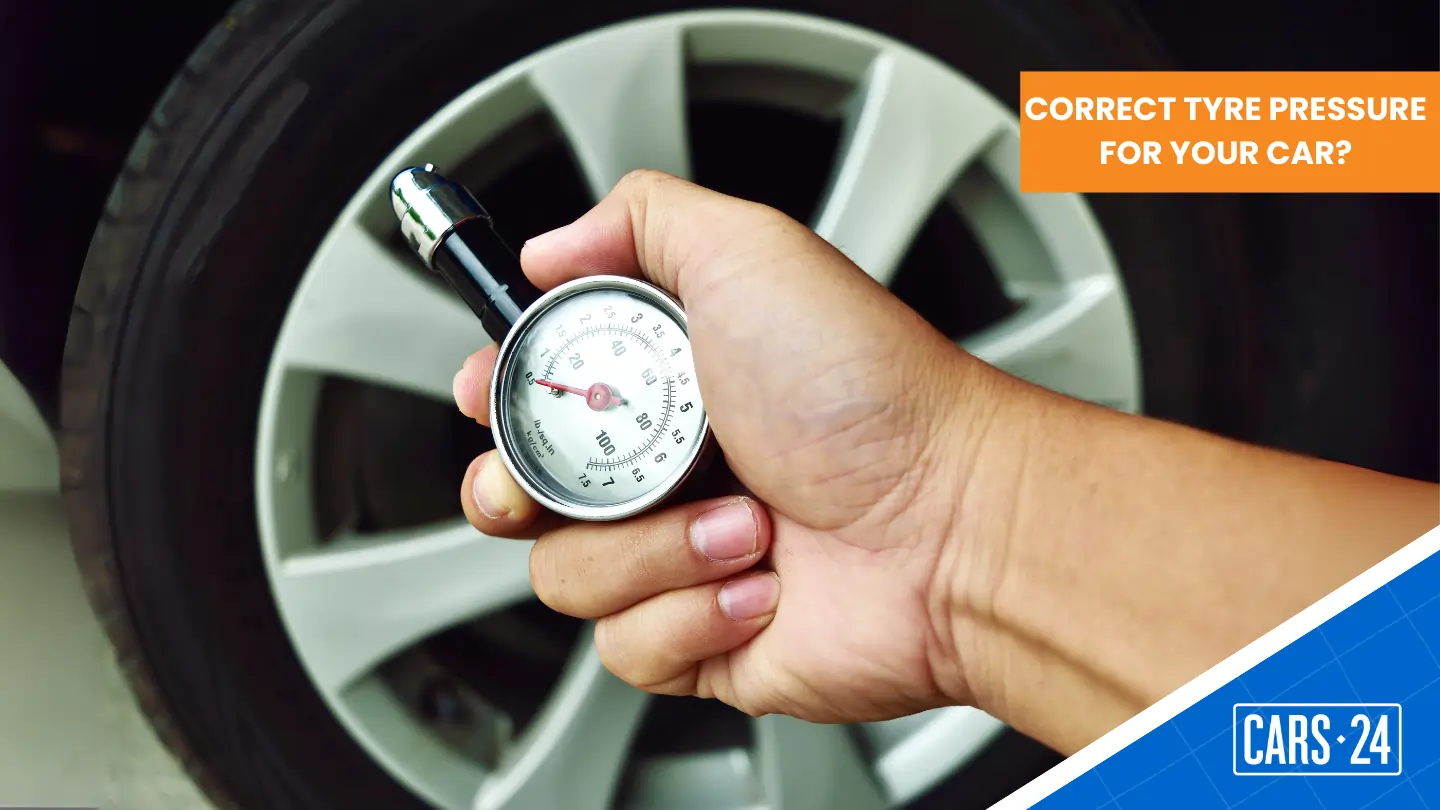
- Dial Gauge:Has a round dial with a needle to display pressure.
- Digital Gauge:Shows pressure on a digital screen for easy reading.
Digital gauges are easy to read but need batteries. Stick and dial gauges do not require power.
Where To Buy
You can buy tire pressure gauges at many places. Choose a store that offers good quality tools.
- Auto parts stores
- Large retail stores
- Online marketplaces
Check the gauge’s accuracy and durability before buying. A good gauge lasts a long time.
Finding The Recommended Pressure
Knowing the right tire pressure keeps your car safe and saves fuel. Tires need the correct air pressure to work well.
Finding the recommended pressure is easy if you know where to look. Two common places show this important information.
Checking The Owner’s Manual
The owner’s manual has details about your car’s tires. It tells you the exact pressure for front and rear tires.
Look for a section called “Tire Information” or “Specifications”. This part explains the right pressure for different conditions.
- Find the manual inside your glove box or online.
- Use the recommended pressure numbers for best results.
- Check if pressures change for heavy loads or high speeds.
Looking At The Door Jamb Sticker
Most cars have a sticker on the driver’s side door jamb. This sticker shows the tire pressure for your vehicle.
The sticker lists the pressure for front and rear tires. It may also include the spare tire pressure.
- Open the driver’s door and find the sticker on the frame.
- Read the numbers for cold tire pressure.
- Follow these numbers to keep your tires safe and efficient.
Step-by-step Pressure Check
Checking your car’s tire pressure is important for safety and fuel efficiency. This guide shows you how to do it correctly.
Follow each step carefully to ensure your tires have the right pressure for a smooth ride.
Preparing The Car
Park your car on a flat surface and turn off the engine. Wait for the tires to cool down for accurate pressure readings.
Removing The Valve Cap
Locate the valve stem on the tire. Unscrew the valve cap and keep it in a safe place so you don’t lose it.
Using The Gauge
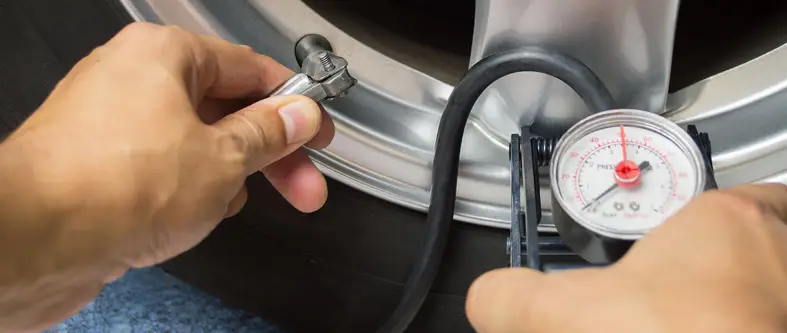
Press the tire pressure gauge onto the valve stem firmly to get a reading. Hold it steady until the gauge shows the pressure.
- Choose the correct gauge type (digital or analog).
- Place the gauge on the valve stem without air leaks.
- Read the displayed pressure immediately.
Reading The Measurement
Compare the gauge reading to the car manufacturer’s recommended tire pressure. This info is usually found inside the driver’s door.
| Pressure Status | Action Needed |
|---|---|
| Below Recommended | Inflate tire to proper pressure |
| At Recommended | No action needed |
| Above Recommended | Release some air |
Adjusting The Pressure
Add air using an air compressor or pump if the pressure is low. To reduce pressure, press the valve stem to let air out slowly.
- Inflate tires to the exact recommended pressure.
- Check the pressure again after adjusting.
- Screw the valve cap back on tightly.
When To Check Tire Pressure
Checking tire pressure helps keep your car safe and saves fuel. Tires with the right pressure last longer.
It is important to know the best times to check your tire pressure. This keeps your car running smoothly.
Regular Maintenance Schedule
Check tire pressure at least once a month. This is part of regular car care.
Check tires when they are cold. Cold tires give the most accurate pressure reading.
- Use a reliable tire pressure gauge
- Compare with the pressure listed in your car manual
- Adjust pressure as needed
Before Long Trips
Always check tire pressure before a long trip. This helps avoid problems on the road.
Proper tire pressure improves fuel efficiency and handling during long drives.
- Check all tires, including the spare
- Fix any leaks or damage you find
- Make sure pressure matches the car’s recommended level
Seasonal Changes
Tire pressure changes with the weather. Cold air makes pressure drop, hot air makes it rise.
Check pressure more often during winter and summer. This keeps tires safe all year.
- Check pressure after temperature drops
- Adjust tires to the recommended pressure
- Watch for signs of under or over inflation
Credit: tiredirect.ca
Common Mistakes To Avoid
Checking your tire pressure is important for safety and fuel efficiency. Many people make simple mistakes that cause wrong readings.
Knowing what to avoid can help you keep your tires in good shape and drive safely.
Checking On Hot Tires
Measuring tire pressure right after driving is a common error. Tires heat up while driving, causing air inside to expand.
Checking pressure on hot tires gives a higher reading than normal. This can lead to under-inflating your tires later.
- Wait at least 3 hours after driving to check pressure.
- Check tires in the morning before driving.
- Use the recommended pressure from the car manual or tire label.
Ignoring The Spare Tire
Many drivers forget to check their spare tire pressure. A flat or low spare can leave you stranded during emergencies.
Spare tires often lose air faster because they sit unused. Checking it regularly keeps it ready when you need it most.
- Check spare tire pressure at least once a month.
- Keep the spare at the recommended pressure level.
- Inspect the spare for cracks or damage.
Using Inaccurate Gauges
Using an old or cheap tire pressure gauge can cause wrong readings. Inaccurate gauges can lead to over or under-inflated tires.
Check your gauge accuracy by comparing it with a trusted one. Replace your gauge if it shows different results often.
- Use digital or high-quality analog gauges.
- Store your gauge in a safe place to avoid damage.
- Test the gauge regularly for accuracy.
Benefits Of Proper Tire Pressure
Keeping your car tires at the right pressure is very important. It helps your car drive safely and saves money.
Proper tire pressure improves how your car handles, uses fuel, and how long your tires last.
Improved Handling
Correct tire pressure helps your car steer and stop better. It gives you more control on the road.
When tires are too soft or too hard, your car can feel unstable and harder to drive.
Better Fuel Economy
Properly inflated tires reduce the energy your car needs to move. This means your car uses less fuel.
Lower fuel use saves money and helps the environment by cutting down pollution.
Reduced Tire Wear
Tires with correct pressure wear out evenly. This makes them last longer and perform better.
Underinflated or overinflated tires can wear out fast and cause tire damage.
Frequently Asked Questions
How Often Should I Check My Car Tire Pressure?
Check tire pressure at least once a month and before long trips. Regular checks help maintain safety, fuel efficiency, and tire lifespan.
What Is The Recommended Tire Pressure For My Car?
Find the recommended tire pressure on the driver’s side door jamb or in the owner’s manual. It’s usually between 30-35 PSI.
Can I Check Tire Pressure Without A Gauge?
It’s best to use a tire pressure gauge for accuracy. Visual checks or pressing tires with your hand are not reliable methods.
How Do Temperature Changes Affect Tire Pressure?
Tire pressure drops about 1 PSI for every 10°F decrease in temperature. Check pressure more often during seasonal changes to maintain proper levels.
Conclusion
Maintaining correct tire pressure keeps your drive safe and smooth. Regular checks prevent unexpected flats and improve fuel efficiency. Use a simple gauge to measure pressure. Ensure you follow the car’s manual for accurate numbers. Adjust pressure as needed using an air pump.
Check tires when they are cold for best results. Regular maintenance extends tire life and enhances car performance. Stay safe on the road by making tire pressure checks a routine habit. Enjoy a smoother and more secure driving experience. Keep your car and yourself in great shape with this simple step.