
Keeping your Honda Civic 2020 running smoothly starts with one simple habit: checking your tire pressure. You might think it’s a small task, but the truth is, proper tire pressure can save you money, improve safety, and boost your car’s performance.
If you’re unsure how to check your tire pressure or want to make sure you’re doing it right, this guide is made just for you. By the end, you’ll know exactly how to keep your tires in top shape—and why it matters more than you might think.
Ready to take control of your ride? Let’s dive in.
Why Tire Pressure Matters
Tire pressure is often overlooked, yet it plays a crucial role in your Honda Civic 2020’s performance and safety. Proper tire pressure ensures that your car runs smoothly and efficiently. Ignoring it can lead to various issues that might cost you more than you anticipate.
Impact On Safety
Your safety on the road is heavily influenced by tire pressure. Properly inflated tires provide optimal traction and handling. This can be the difference between a safe stop and an unfortunate accident. Imagine driving on a wet road; tires with the correct pressure will perform much better, reducing the risk of hydroplaning. Your safety, and that of your passengers, depends significantly on maintaining proper tire pressure.
Effect On Fuel Efficiency
Did you know that your tire pressure directly affects your fuel efficiency? Under-inflated tires create more rolling resistance. This means your engine has to work harder, consuming more fuel. Keeping your tires properly inflated can save you money at the pump. It’s a simple fix that leads to long-term savings.
Tire Wear And Longevity
Maintaining the right tire pressure can extend the life of your tires. Uneven tire wear is a common issue with improperly inflated tires. If one side of your tire wears out faster, you might find yourself replacing them more often. This not only costs you money but also disrupts your driving routine. Regularly checking your tire pressure can ensure even wear, maximizing the lifespan of your tires.
So, when was the last time you checked your tire pressure? Keeping an eye on it could be more beneficial than you think.
Credit: www.washhonda.com
Tools Needed For Checking
Checking tire pressure on your Honda Civic 2020 needs a few simple tools. These tools help you measure the air pressure inside the tires accurately. Proper tire pressure keeps your car safe and improves fuel efficiency. Having the right tools makes the task easy and quick.
Tire Pressure Gauge Types
A tire pressure gauge measures air pressure in your tires. There are several types:
- Dial Gauge:Uses a small dial to show pressure. Easy to read.
- Digital Gauge:Displays pressure on a screen. Very accurate and fast.
- Stick Gauge:Has a sliding bar that shows pressure. Simple and affordable.
Choose one that fits your budget and comfort. All types work well for the Honda Civic 2020.
Using The Honda Civic’s Tpms
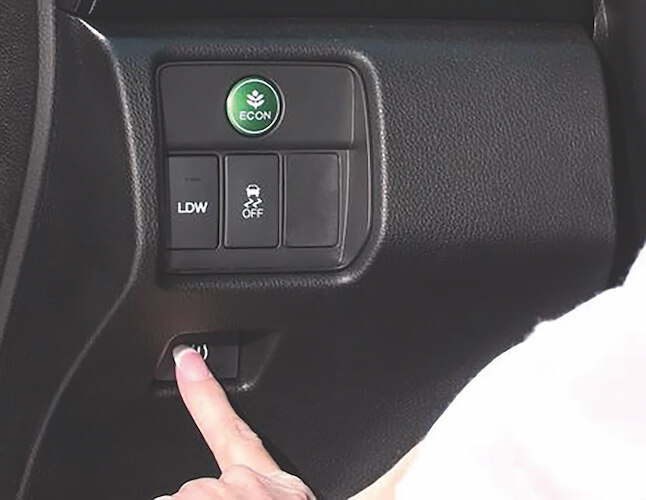
Your Honda Civic 2020 comes with a Tire Pressure Monitoring System (TPMS). It shows tire pressure on your dashboard. TPMS alerts you when pressure is low. This tool helps you monitor pressure without a gauge.
TPMS is useful but may not show exact pressure numbers. Use a tire pressure gauge for precise readings. Combining both tools keeps your tires in great condition.
Finding The Recommended Pressure
Finding the recommended tire pressure for your 2020 Honda Civic is crucial for safety and optimal performance. Knowing this number helps you avoid issues like uneven tire wear or poor fuel efficiency. Let’s break down where to locate this information and how to understand the pressure units used.
Location Of Pressure Information
You’ll find the recommended tire pressure in a few key spots on your vehicle. The easiest place is the sticker inside the driver’s side door jamb. This label shows the exact pressure for front and rear tires.
Sometimes, the owner’s manual also includes this info in the maintenance section. Checking both sources ensures you get the correct numbers. Have you ever noticed how often people overlook this simple sticker? It’s a quick fix that can save you money and stress.
Understanding Pressure Units
Tire pressure is typically measured in pounds per square inch (PSI) or kilopascals (kPa). The sticker on your Civic will list the pressure in PSI, which is the standard in the U.S. Understanding these units helps you set your tires to the right level.
Keep in mind, some tire inflators show pressure in bar or kPa. If yours does, you can easily convert values: 1 bar equals about 14.5 PSI, and 100 kPa equals roughly 14.5 PSI. Knowing these conversions prevents mistakes that could lead to over or under-inflation.
Credit: www.brakeandfrontend.com
Step-by-step Pressure Check
Checking the tire pressure on a 2020 Honda Civic is simple and important for safe driving. Proper pressure helps improve fuel efficiency and tire life. Follow these clear steps to check your tires accurately.
Preparing Your Vehicle
Park your Honda Civic on a flat surface. Turn off the engine and engage the parking brake. Make sure the tires are cold. Wait at least three hours after driving. Gather a reliable tire pressure gauge. Locate the tire valve stems on each wheel. Remove the valve caps carefully and keep them safe.
Checking Pressure Manually
Press the tire pressure gauge firmly onto the valve stem. Hold it steady until the reading appears. Note the pressure value in PSI (pounds per square inch). Compare the reading with the recommended pressure found in the driver’s side door jamb. Repeat this process for all four tires. Adjust the pressure as needed by adding or releasing air. Replace the valve caps securely after checking.
Using The Tpms Display
Your 2020 Honda Civic has a Tire Pressure Monitoring System (TPMS). Turn the ignition to the ON position without starting the engine. Look at the dashboard display for tire pressure readings. The system shows real-time pressure for each tire. If the pressure is low, the display will alert you. Use this feature for quick pressure checks before driving.
Adjusting Tire Pressure
Adjusting tire pressure on your Honda Civic 2020 keeps driving safe and smooth. Proper pressure improves fuel efficiency and tire life. Check your tire pressure regularly to avoid uneven wear or poor handling.
Adding Air
Use a reliable air compressor at a gas station or home. Remove the valve cap from the tire. Press the air hose nozzle firmly onto the valve stem. Add air in short bursts. Check the pressure often with a tire gauge. Stop adding air once the recommended pressure is reached. Replace the valve cap securely.
Releasing Excess Air
Press the small metal pin inside the valve stem to release air. Use a tool or your fingernail carefully. Release air slowly to avoid over-deflation. Check tire pressure frequently with a gauge. Stop releasing air when the recommended pressure is reached. Replace the valve cap after adjustment.
When To Visit A Professional
- Tire pressure does not hold after adjustment.
- Visible damage or cracks on tires.
- Unusual vibrations or noise during driving.
- Difficulty accessing or adjusting tire valves.
- Need for seasonal tire changes or balancing.
A professional can inspect tires and perform precise adjustments. They ensure your Honda Civic’s tires remain safe and efficient.
Tips For Maintaining Proper Pressure
Maintaining the proper tire pressure on your Honda Civic 2020 is essential for safety, fuel efficiency, and tire longevity. Paying close attention to your tires ensures a smoother ride and can prevent unexpected issues on the road. Let’s dive into practical tips that help you keep your tire pressure just right.
How Often To Check
You should check your tire pressure at least once a month. Regular checks help catch slow leaks before they become serious problems. Also, check before long trips to ensure maximum safety and performance.
Don’t wait for the tire pressure warning light to come on. By then, your tires might already be underinflated, which can affect handling and wear. Keep a reliable pressure gauge handy, and make it a quick part of your routine.
Seasonal Considerations
Temperature changes affect tire pressure significantly. Cold weather causes air to contract, lowering pressure, while heat expands it. This means you may need to adjust your tire pressure more frequently during seasonal transitions.
After a cold night, check your tires in the morning before driving. Your Honda Civic’s recommended pressure levels are found on the driver’s side door jamb. Adjust accordingly to maintain optimal pressure regardless of the season.
Signs Of Pressure Issues
Pay attention to how your car feels on the road. If your steering feels sluggish or the ride becomes unusually rough, your tires might be underinflated. Uneven tire wear is another clear sign that your pressure needs attention.
Have you noticed your fuel efficiency dropping? Low tire pressure increases rolling resistance, causing your engine to work harder. Catch these signs early to avoid costly repairs and keep your Civic running smoothly.

Credit: www.reddit.com
Frequently Asked Questions
How Do I Check Tire Pressure On A 2020 Honda Civic?
Use a tire pressure gauge on the valve stem after tires are cold. Compare with recommended PSI found in the driver’s door jamb.
What Is The Recommended Tire Pressure For Honda Civic 2020?
The recommended tire pressure is usually 32 PSI for front and rear tires. Always verify on the driver’s door sticker for accuracy.
When Should I Check Tire Pressure On My Honda Civic?
Check tire pressure monthly and before long trips. Ensure tires are cold for the most accurate reading.
Can I Use The Honda Civic’s Tpms To Check Tire Pressure?
Yes, the Tire Pressure Monitoring System alerts for low pressure but does not show exact PSI. Use a gauge for precise measurement.
Conclusion
Checking tire pressure on your 2020 Honda Civic keeps you safe on the road. Proper pressure helps your tires last longer and saves fuel. Use a tire pressure gauge for quick and easy checks. Do this regularly, especially before long drives or trips.
Keep the numbers in your owner’s manual handy for reference. Good tire care means better driving and fewer problems later. Simple steps make a big difference. Stay safe and enjoy smooth rides every time.