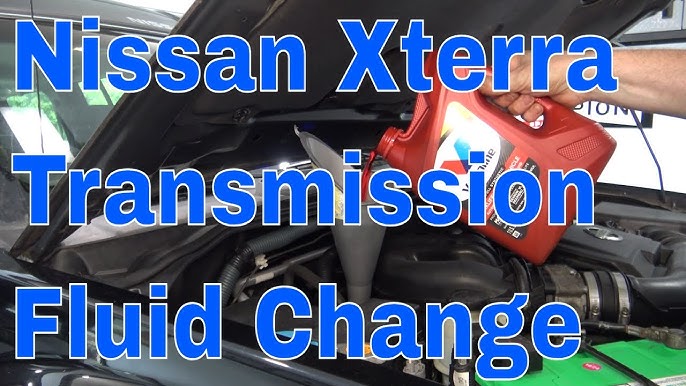
If you drive a Nissan Frontier, keeping your transmission fluid at the right level is key to smooth shifting and a long-lasting vehicle. But how do you know when it’s time to check or change it?
You might think it’s complicated, but it’s easier than you expect. In this guide, you’ll learn exactly how to check your Nissan Frontier’s transmission fluid quickly and correctly. By the end, you’ll have the confidence to keep your truck running like new and avoid costly repairs.
Ready to take control of your ride’s health? Let’s dive in.
Transmission Fluid Importance
Transmission fluid is crucial for your Nissan Frontier’s smooth operation. It lubricates the moving parts inside the transmission system. This helps reduce friction and wear over time. Clean, adequate fluid keeps the transmission cool and prevents overheating. Without enough fluid, your vehicle may face serious mechanical issues. Checking and maintaining the right fluid level extends the life of your transmission. It also improves your truck’s overall performance and fuel efficiency.
Role In Vehicle Performance
Transmission fluid allows gears to shift smoothly. It helps your truck accelerate without jerking or slipping. The fluid carries away heat generated during driving. It keeps the transmission components clean by flushing out debris. Proper fluid levels prevent costly damage to gears and seals. Good fluid condition enhances fuel economy and ride comfort. It ensures your Nissan Frontier runs efficiently under all conditions.
Signs Of Low Fluid
- Difficulty shifting gears or delayed gear engagement
- Strange noises like whining or clunking sounds
- Transmission slipping out of gear unexpectedly
- Overheating transmission or burning smell
- Leaking fluid visible under the vehicle
- Warning lights on the dashboard related to transmission
Noticing these signs means checking transmission fluid is urgent. Addressing low fluid early prevents major repairs. Regular fluid checks keep your Nissan Frontier reliable and safe.
Preparation Before Checking
Before you dive into checking the transmission fluid of your Nissan Frontier, it’s important to set yourself up for success. Preparation is key to getting accurate results and avoiding any mishaps. Taking a few moments to gather the right tools and ensure safety can save you time and frustration.
Gathering Necessary Tools
Start by collecting everything you’ll need before opening the hood. At minimum, you’ll want a clean rag or paper towels to wipe the dipstick, gloves to keep your hands clean, and a flashlight if you’re working in a dim area.
Having a funnel on hand might be helpful if you plan to add fluid after checking. Also, check your vehicle’s manual for the recommended type of transmission fluid. Keeping the manual nearby can guide you through any specific details for your Nissan Frontier.
Ensuring Safety Measures
Safety should never be overlooked. Make sure your Nissan Frontier is parked on a flat surface to get an accurate fluid reading. Never check transmission fluid immediately after driving; the engine needs a few minutes to cool down to avoid burns from hot components.
Engage the parking brake and turn off the engine before you start. If you’re working in a garage, ensure it’s well-ventilated to avoid inhaling any fumes. Have you ever felt unsure about opening the hood? Taking these safety steps first will give you confidence and keep you protected.
Locating The Transmission Dipstick
Knowing how to locate the transmission dipstick on your Nissan Frontier is essential for checking the transmission fluid level. This small but important component helps you monitor your vehicle’s health and prevent costly repairs. Let’s walk through the process of finding it so you can keep your truck running smoothly.
Opening The Hood
Start by pulling the hood release lever inside your Nissan Frontier. It’s usually located under the dashboard on the driver’s side. After pulling the lever, move to the front of the truck and find the safety latch under the hood to fully open it.
Prop the hood up securely with the support rod. Make sure you’re working in a well-lit area so you can clearly see the engine components. Have a flashlight handy if the lighting is poor.
Finding The Dipstick In Nissan Frontier
The transmission dipstick in most Nissan Frontier models is typically located near the back of the engine bay, closer to the firewall. It has a brightly colored handle—often red or yellow—to help it stand out from other engine parts.
Look for a long, thin handle sticking out from the transmission housing. If you’re unsure, check your owner’s manual for the exact location. Remember, the engine should be warm but off, and the vehicle on a level surface for an accurate fluid reading.
Have you ever noticed how many fluid dipsticks there are under the hood? Differentiating the transmission dipstick from the oil dipstick is key. The transmission dipstick often sits deeper and may have a different shape or color handle, so take your time to identify it correctly.

Credit: www.youtube.com
Checking Fluid Level
Checking the transmission fluid level in your Nissan Frontier is key to keeping the vehicle running smoothly. Low or dirty fluid can cause shifting problems or damage. This process requires care and attention to ensure accurate results.
Warm Engine Requirement
Always check the transmission fluid when the engine is warm. Drive the vehicle for about 10 to 15 minutes to reach normal operating temperature. This ensures the fluid circulates well and gives a true level reading.
Removing And Cleaning Dipstick
Locate the transmission dipstick under the hood. Pull it out slowly and wipe the tip clean with a lint-free cloth. This step removes old fluid and dirt, helping you get a clear reading.
Reading The Fluid Level
Reinsert the dipstick fully, then pull it out again. Look at the fluid marks on the dipstick. The fluid should be between the “Full” and “Add” marks. Check the fluid color; it should be bright red and clear. Dark or burnt-smelling fluid means it needs changing.
Inspecting Fluid Condition
Inspecting the condition of your Nissan Frontier’s transmission fluid is crucial for maintaining smooth gear shifts and avoiding costly repairs. Checking the fluid regularly helps you spot early signs of wear or contamination. This process is simple and can save you from unexpected breakdowns on the road.
Color And Clarity
Transmission fluid should be bright red or pink and clear. If you notice the fluid turning brown or dark, it’s a sign of oxidation or overheating. Cloudy fluid means there might be dirt or debris mixed in, which can harm your transmission.
When you pull out the dipstick, take a close look at the fluid’s color and clarity. If it looks murky or has particles floating, consider changing it soon. Clean fluid helps your transmission work efficiently, so don’t ignore any discoloration.
Smell And Texture
Fresh transmission fluid has a slightly sweet or tart smell, but burnt fluid smells sharp and unpleasant. If you detect a burnt odor, it means the fluid has overheated and lost its protective qualities.
Feel the fluid between your fingers. It should be smooth and slippery, like light oil. If it feels gritty or sticky, contaminants are likely present, which can lead to transmission damage.
Have you ever smelled burnt transmission fluid? That sharp scent often signals trouble ahead. Paying attention to these details lets you act before the problem worsens and keeps your Nissan Frontier running strong.
Credit: www.clubfrontier.org
Adding Transmission Fluid
Adding transmission fluid to your Nissan Frontier is a crucial task to keep your vehicle running smoothly. If the fluid level is low, your transmission can slip or even suffer damage. Knowing how to properly add fluid ensures your truck stays in top shape without costly repairs.
Choosing The Right Fluid
Not all transmission fluids are the same. Your Nissan Frontier requires a specific type, usually listed in the owner’s manual or on the dipstick handle.
Using the wrong fluid can cause shifting problems or damage. For most Nissan Frontiers, Nissan Matic fluid is recommended, but double-check your model year.
Have you ever grabbed the wrong oil for your car? The same care is needed here. Always buy high-quality fluid from a trusted brand.
Proper Filling Technique
Before adding fluid, park your truck on level ground and keep the engine warm. This gives an accurate fluid level reading.
Use a clean funnel to avoid dirt entering the transmission. Slowly add the fluid through the dipstick tube or the fill plug, depending on your model.
After adding, wait a few minutes, then recheck the level. Overfilling can be just as harmful as underfilling, so add fluid in small amounts.
Have you noticed how easy it is to rush this step and add too much? Taking your time here saves you from extra headaches later.
When To Seek Professional Help
Knowing when to call in a professional for your Nissan Frontier’s transmission fluid check can save you from costly repairs down the road. Some issues with transmission fluid are subtle, while others clearly signal trouble. Understanding these signs helps you decide whether a simple check at home is enough or if expert help is necessary.
Unusual Fluid Issues
Transmission fluid should be a bright red or pink color and smell slightly sweet. If you notice the fluid is dark brown or black, it could mean the fluid is burnt and needs immediate attention.
Have you ever seen your fluid with a thick, gritty texture or found small metal particles in it? These are red flags indicating internal damage. Leaks that leave puddles under your vehicle or a sudden drop in fluid levels also suggest you should visit a mechanic.
Transmission Problems Symptoms
Pay attention if your Nissan Frontier shows signs like slipping gears, delayed shifting, or strange noises such as whining or clunking when changing gears. These symptoms often point to transmission fluid issues or deeper mechanical problems.
Another warning sign is if your truck hesitates or jerks when accelerating. This can mean the fluid isn’t circulating properly or the transmission is overheating. If you experience any of these symptoms, don’t wait—getting a professional diagnosis is crucial to avoid further damage.
Credit: www.clubfrontier.org
Frequently Asked Questions
How To Check Transmission Fluid In A Nissan Frontier?
To check the transmission fluid in a Nissan Frontier, ensure the vehicle is on level ground. Start the engine and let it warm up. Locate the transmission dipstick, remove it, and wipe it clean. Reinsert the dipstick, remove it again, and check the fluid level and condition.
What Tools Are Needed To Check Transmission Fluid?
You only need a clean rag or paper towel to check the transmission fluid. Ensure you have the vehicle’s manual for reference. A flashlight might be helpful to better see the fluid’s color and condition.
Can I Check Transmission Fluid When The Engine Is Cold?
It’s best to check the transmission fluid when the engine is warm. A warm engine ensures accurate readings. If the engine is cold, the fluid might not expand fully, giving an inaccurate level.
Why Is My Nissan Frontier’s Transmission Fluid Low?
Low transmission fluid can be due to leaks or worn-out seals. Regular maintenance can prevent these issues. It’s crucial to check for visible leaks and address them promptly to avoid damage.
Conclusion
Checking the transmission fluid in your Nissan Frontier keeps it running smooth. Regular checks help avoid costly repairs later. Clean fluid means better performance and longer transmission life. Remember to check the fluid level and color often. Use the right type of fluid for your model.
A simple step that saves time and money. Take care of your vehicle, and it will take care of you.