Choosing the right air conditioner can make a huge difference in how comfortable your home feels during hot days. You might be wondering whether a portable or a window air conditioner is better for your space.
The decision isn’t always simple, and picking the wrong one could lead to wasted money and frustration. But don’t worry—this guide will help you understand the key differences and what to consider before buying. By the end, you’ll feel confident about which option suits your needs perfectly.
Keep reading to find out how to make the best choice for your comfort and budget.
Types Of Air Conditioners
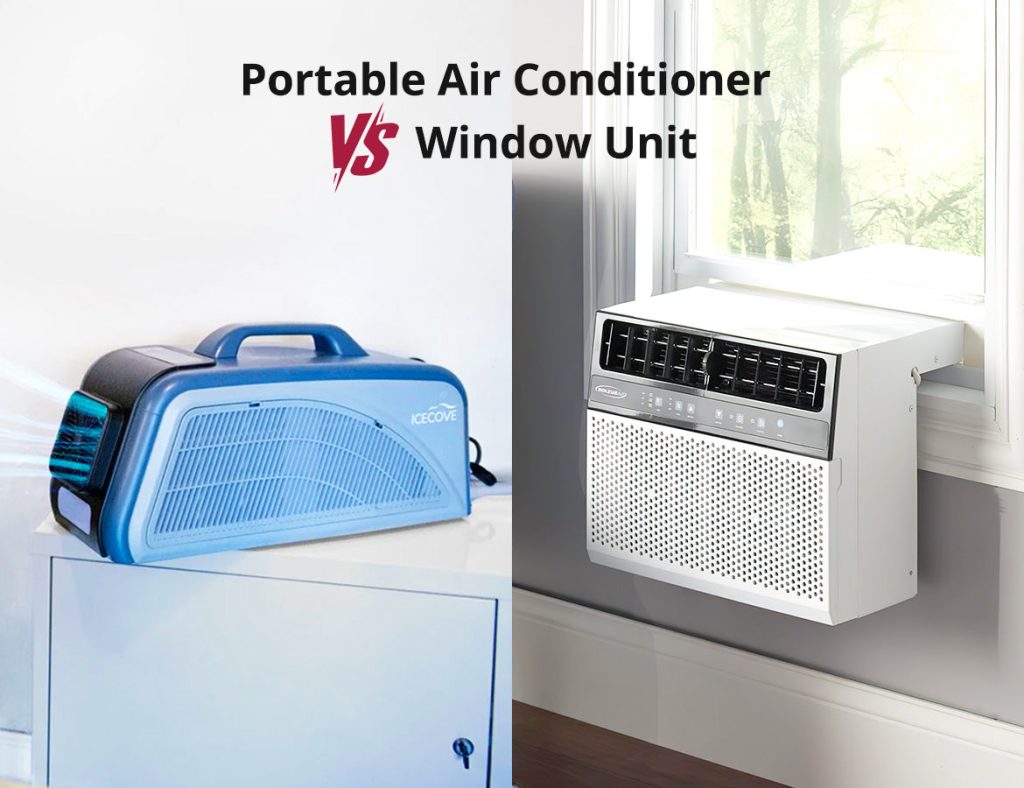
Portable air conditionersare easy to move from room to room. They do not need a window and come with a hose to vent hot air outside. These units are good for small spaces or rooms without windows. They are simple to install but can be noisy and use more electricity.
Window air conditionersfit into a window frame. They cool by pushing hot air outside and pulling cool air inside. These units save space and usually use less energy than portable ones. Installation takes some effort, and they work best in rooms with windows that open.
| Feature | Portable Air Conditioner | Window Air Conditioner |
|---|---|---|
| Mobility | Easy to move | Fixed in one place |
| Installation | Simple, no window needed | Needs window frame |
| Noise | Can be loud | Usually quieter |
| Energy Use | Higher | Lower |
| Best for | Small rooms, no window | Rooms with window |
Key Features To Consider
Cooling capacityshows how much space the air conditioner can cool. Bigger rooms need units with higher cooling power. Check the BTU ratingto match your room size. Too small a unit won’t cool well; too big wastes energy.
Energy efficiencyis important to save money and power. Look for models with high EERor Energy Starlabels. Efficient units use less electricity and lower bills.
Noise levelsaffect comfort. Portable units might be louder than window ones. Check the decibel (dB) rating. Quieter units make better choices for bedrooms or offices.
| Installation Type | Requirements |
|---|---|
| Portable AC | Needs a window or vent for hot air hose |
| Window AC | Fits into a window frame, may need professional help |
Installation needs differ by type. Portable units offer easy setup but need venting. Window units fit windows tightly but may require tools or help.
Room Size And Air Conditioner Size
Measure your room length and width in feet. Multiply these numbers to get the room area in square feet. This helps pick the right air conditioner size. A bigger room needs a unit with more cooling power.
| Room Size (sq ft) | Recommended BTU |
|---|---|
| Up to 150 | 5,000 BTU |
| 150 – 250 | 6,000 – 8,000 BTU |
| 250 – 350 | 8,000 – 10,000 BTU |
| 350 – 450 | 10,000 – 12,000 BTU |
Choose an air conditioner with BTU close to your room size number. Too small unit will not cool well. Too big unit wastes energy and may cause humidity issues.

Credit: www.cnet.com
Installation And Portability
Setting up a window ACrequires a suitable window that opens easily. The unit fits into the window frame and must be secured tightly. Use the included brackets or screws to hold it in place. Seal gaps with weatherstripping to stop air leaks. The AC should tilt slightly outside for water drainage. Electrical connection needs to be near the unit. Avoid using extension cords for safety.
Using a portable ACis simpler as it stands on the floor. It needs a flat surface near a window or vent. Connect the exhaust hose to the window kit to release hot air outside. This setup is flexible and can be moved between rooms. Portable ACs only require a power outlet and space for the hose. They are easy to store in winter.
Maintenance And Upkeep
Cleaning filtersis key for good air conditioner performance. Remove filters carefully and wash with warm water. Let them dry fully before putting them back. Clean filters every few weeks during use to keep air fresh and cool. Dirty filters make your unit work harder and use more energy.
Seasonal storage tipshelp your air conditioner last longer. Drain any water from the unit to stop mold and damage. Cover the unit with a cloth or plastic to protect from dust. Store it in a dry, cool place away from sunlight. Check the unit before next use for any damage or dirt.
Cost And Budget Considerations
Initial purchase pricevaries between portable and window air conditioners. Portable models usually cost more due to their mobility and design. Window units tend to be cheaper but may require professional installation, adding to the cost. Consider the price alongside your budget and space needs.
Operating costsdepend on energy efficiency and usage. Portable units often use more electricity because they cool larger areas. Window units can be more efficient if sized correctly for the room. Check the Energy Star rating to save on your monthly bills.
| Type | Initial Cost | Operating Cost | Installation |
|---|---|---|---|
| Portable AC | Higher | Higher | No professional needed |
| Window AC | Lower | Lower | May need professional |
Additional Features To Look For
Smart controlslet you adjust settings using a phone or voice commands. This adds ease and convenience. Some models connect to Wi-Fi for remote monitoring.
Dehumidificationhelps remove extra moisture from the air. It makes rooms feel cooler and stops mold growth. This feature is good for humid areas.
Remote operationallows changing temperature without moving. A remote control saves time and keeps you comfortable. Many units come with easy-to-use remotes.

Credit: www.cnet.com

Credit: www.popularmechanics.com
Frequently Asked Questions
What Factors To Consider When Choosing An Air Conditioner?
Consider room size, cooling capacity, energy efficiency, noise level, and installation type. These help select the best unit for your needs and budget.
How To Decide Between Portable And Window Air Conditioners?
Choose based on space, mobility, installation ease, and cooling needs. Portable units offer flexibility; window units provide better efficiency for fixed locations.
Are Portable Air Conditioners Less Efficient Than Window Units?
Portable ACs usually consume more energy and cool less efficiently than window units. Window ACs are ideal for permanent setups and better performance.
Can I Install A Window Ac Without Professional Help?
Yes, many window AC units are designed for easy DIY installation. Follow the manufacturer’s guide and ensure proper sealing and support.
Conclusion
Choosing the right air conditioner depends on your space and needs. Portable units offer flexibility and easy movement. Window models save floor space and cool efficiently. Consider size, noise, and installation before deciding. Think about where you want to place the unit.
Check the energy use to save on bills. Both types keep your room cool and comfortable. Make a choice that fits your lifestyle well. Stay cool and enjoy your summer comfortably.