Choosing the best fishing line can make all the difference between a great catch and a missed opportunity. You want a line that’s strong, reliable, and fits your fishing style perfectly.
But with so many options out there, how do you know which one is right for you? This guide will help you cut through the confusion and pick the fishing line that gives you the edge on every trip. Keep reading to discover simple tips that will improve your fishing experience and boost your success in 2021.

Credit: mysterytacklebox.com
Types Of Fishing Lines
Choosing the right fishing line is important for a good fishing trip. Different lines work best for different fishing styles and conditions.
There are three main types of fishing lines. Each type has its own strengths and weaknesses to consider.
Monofilament Lines
Monofilament lines are made from a single strand of nylon. They are soft and stretch well, which helps absorb shocks.
This type is easy to handle and knot. It is good for beginners and works well in clear water.
- Affordable and widely available
- Good stretch reduces line breaks
- Visible in water, not ideal for clear water fishing
- Can weaken from sunlight over time
Fluorocarbon Lines
Fluorocarbon lines are made from a special plastic that sinks faster than others. They are nearly invisible underwater.
These lines are strong and resist abrasion well. They are good for fishing in clear water and around rocks.
- Low visibility to fish
- More abrasion-resistant than monofilament
- Less stretch, giving better hook sets
- Usually more expensive
Braided Lines
Braided lines are made by weaving many thin fibers together. They are very strong and thin compared to their strength.
These lines have almost no stretch. This helps feel the fish better but can cause more hook pulls if not careful.
- Very strong and thin
- Little to no stretch
- Highly visible in water
- Durable and long-lasting

Credit: thewildprovides.com
Key Features To Consider
Choosing the best fishing line is important for a good fishing experience. The right line helps you catch more fish and avoid breaks.
Look at several features before buying a fishing line. These features affect how well the line performs in different conditions.
Strength And Durability
Strength shows how much weight the line can hold without breaking. A strong line helps catch big fish.
Durability means the line lasts longer and resists damage from water, sun, and rough surfaces.
- Choose a line with high tensile strength
- Check if the line resists abrasion
- Consider the fishing environment for durability needs
Stretch And Sensitivity
Stretch is how much the line can extend when pulled. Less stretch means better control and quick hook sets.
Sensitivity helps you feel fish bites fast. A sensitive line lets you react quickly to catch fish.
- Low-stretch lines offer better sensitivity
- High-stretch lines absorb shock but reduce feel
- Pick stretch based on your fishing style
Visibility In Water
Visibility means how easy it is for fish to see the line. Less visible lines prevent fish from getting scared.
Some lines blend with water better. Others show well for the angler’s view but can scare fish.
- Clear lines work well in clean water
- Green or blue lines blend in natural waters
- Bright lines help track line above water
Matching Line To Fishing Style
Choosing the right fishing line is important for success. Each fishing style needs a specific line type. Understanding the differences can help you catch more fish.
Let’s explore the best fishing lines for different fishing styles. This guide covers freshwater, saltwater, and fly fishing lines.
Freshwater Fishing Lines
Freshwater fishing lines need to be versatile. They should handle different conditions like rivers and lakes. The most common types are monofilament and fluorocarbon.
- Monofilament: Easy to handle, good for beginners.
- Fluorocarbon: Invisible underwater, better for clear water.
- Braid: Strong and thin, good for heavy cover.
Saltwater Fishing Lines
Saltwater fishing lines need to resist corrosion. The lines should also be strong enough for big fish. Braided lines are popular in saltwater fishing.
- Braid: Very strong, handles big fish well.
- Monofilament: More stretch, good for trolling.
- Fluorocarbon: Low visibility, great for leader lines.
Fly Fishing Lines
Fly fishing lines are different from other fishing lines. They need to be cast in a specific way. These lines usually have a thick, weighted design.
- Floating Line: Stays on the water surface, good for dry flies.
- Sinking Line: Goes underwater, used for nymphs and streamers.
- Weight Forward Line: Helps with long casts, common choice for beginners.
Line Test And Diameter
Choosing the right fishing line is important for a good fishing experience. Two main factors are line test and diameter.
These factors affect strength, casting, and how fish react to the line.
Choosing The Right Test Strength
Line test shows how much weight a line can hold before it breaks. Pick a test strength that fits the fish you want to catch.
Use a lighter test for small fish and a heavier test for big fish to avoid losing them.
- Small fish: 2-6 pounds test
- Medium fish: 8-15 pounds test
- Large fish: 20+ pounds test
Impact Of Line Diameter
Line diameter affects how the line moves through water and guides. Thinner lines cast farther and are less visible.
Thicker lines are stronger but can cause more drag and be easier for fish to see.
| Diameter | Strength | Use |
|---|---|---|
| Thin (0.10-0.20 mm) | Light to medium | Clear water, longer casts |
| Medium (0.20-0.30 mm) | Medium to heavy | General fishing, good balance |
| Thick (0.30+ mm) | Heavy | Big fish, rough conditions |
Line Color And Camouflage
Choosing the right fishing line color helps you catch more fish. The color of the line affects how visible it is to fish.
Good camouflage can make your line blend with the water. This reduces the chance of fish noticing it.
Clear Vs Colored Lines
Clear fishing lines are invisible in water. They work well in clear water and bright light.
Colored lines can match the water color or bottom. They help hide the line in different environments.
- Clear lines suit clear water and sunny days
- Colored lines are good for murky or stained water
- Clear lines may be easier to see above water
- Colored lines offer better camouflage underwater
Best Colors For Different Water Conditions
Choose line colors based on water clarity and light. Different colors work better in certain water types.
| Water Condition | Best Line Colors |
|---|---|
| Clear Water | Clear, Blue, Light Green |
| Stained Water | Green, Brown, Camouflage |
| Murky Water | Dark Green, Brown, Yellow |
| Deep Water | Blue, Dark Green |
Use green or brown lines to match plants and rocks. Yellow lines help in low light or deep water.
Spooling And Maintenance Tips
Choosing the right fishing line is important for a good catch. Spooling your reel correctly and taking care of your line will make it last longer. These tips help keep your gear in top shape.
Proper spooling prevents tangles and line breaks. Regular maintenance keeps the line strong and ready for fishing. Read on to learn how to spool your reel and care for your fishing line.
How To Properly Spool Your Reel
Spooling your reel the right way helps your fishing line work well. Follow these steps to avoid twists and knots.
- Attach the line to the spool with a secure knot.
- Keep tension on the line by holding it tight with your fingers.
- Turn the reel slowly to fill the spool evenly.
- Stop when the line is about 1/8 inch from the spool edge.
- Cut the line and tie your leader or lure.
Caring For Your Fishing Line
Good care of your fishing line extends its life and performance. Clean and check your line often to avoid problems on the water.
| Maintenance Task | Why It Matters | How Often |
| Rinse with fresh water | Removes dirt and salt that weaken the line | After every fishing trip |
| Check for nicks or frays | Prevents breaks during casting or fighting fish | Before each use |
| Store in a cool, dry place | Stops line from degrading due to heat or moisture | Always when not fishing |
| Replace old line | Keeps line strength and reduces chance of snapping | Every season or when damaged |
Top Fishing Lines Of 2021
Choosing the right fishing line helps catch more fish and enjoy fishing. Different lines fit different fishing styles and budgets.
This guide covers the best fishing lines of 2021. It shows options for all anglers, from beginners to experts.
Best Overall Lines
Best overall lines work well for many fishing types. They offer good strength, smooth casting, and durability.
These lines balance price and performance. They fit both fresh and saltwater fishing needs.
- Monofilament lines are stretchy and easy to handle.
- Braid lines provide high strength and no stretch.
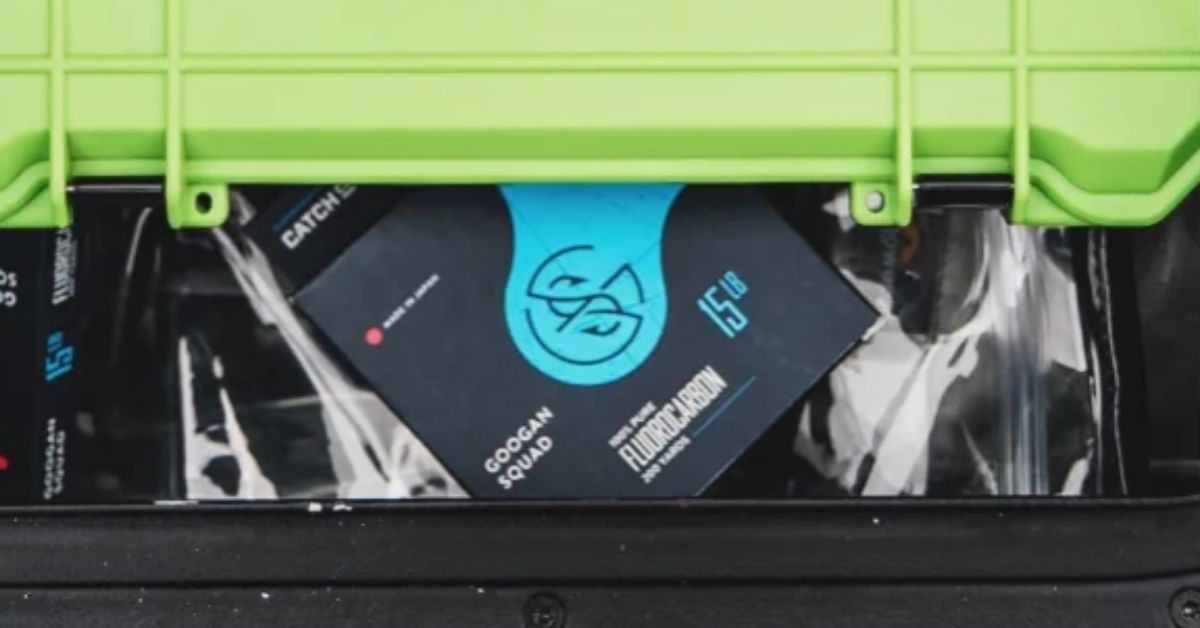
- Fluorocarbon lines are nearly invisible underwater.
Budget-friendly Options
Budget-friendly fishing lines give good quality at lower prices. They work well for beginners and casual anglers.
These lines may not last as long but still provide good results. They cover popular sizes and types.
- Monofilament lines are usually cheapest and easy to find.
- Braid lines in smaller pounds can fit tight budgets.
- Look for trusted brands with good user reviews.
Premium Performance Lines
Premium lines offer top strength, low stretch, and great sensitivity. They suit serious anglers and special fishing conditions.
These lines use advanced materials and technology. They last longer and perform better in tough situations.
- High-quality braided lines with strong fibers.
- Fluorocarbon lines with extra abrasion resistance.
- Lines designed for specific fish types or waters.
Credit: mysterytacklebox.com
Frequently Asked Questions
What Is The Best Fishing Line For Beginners?
Monofilament lines are ideal for beginners. They are affordable, easy to handle, and versatile for various fishing types. Their stretchiness helps absorb shocks, reducing line breaks. This makes them perfect for learning and improving your fishing skills.
How To Choose Fishing Line Strength?
Choose line strength based on the fish species and fishing environment. Check the pound-test rating matching the target fish size. Stronger lines suit bigger fish and rough conditions. Lighter lines offer better sensitivity for small fish and calm waters.
What Fishing Line Is Best For Freshwater?
Monofilament and fluorocarbon lines work well in freshwater. Monofilament is versatile and budget-friendly. Fluorocarbon is nearly invisible underwater, ideal for clear water fishing. Both provide good abrasion resistance and sensitivity for freshwater species.
How Does Line Diameter Affect Fishing?
Thinner lines offer less water resistance and better casting distance. They are harder to see underwater, increasing catch chances. However, thinner lines may break more easily. Thicker lines provide strength and durability but reduce sensitivity and casting distance.
Conclusion
Choosing the best fishing line takes time and care. Think about the type of fish you want to catch. Consider the water and weather conditions too. Different lines suit different needs. Test a few options to find what feels right.
Good fishing line helps you catch more fish. It also makes fishing more fun and less frustrating. Keep these tips in mind for your next trip. Enjoy your time by the water and happy fishing!