Choosing the right climbing shoes can make all the difference in your climbing experience. You want shoes that fit perfectly, feel comfortable, and help you climb better.
But with so many options out there, how do you know which pair is best for you? In this guide, you’ll discover simple tips to pick climbing shoes that match your style and skill level. By the end, you’ll feel confident stepping onto the rock with shoes that support every move.
Keep reading to find out how to choose climbing shoes that truly work for you.
Credit: www.climbing.com
Types Of Climbing Shoes
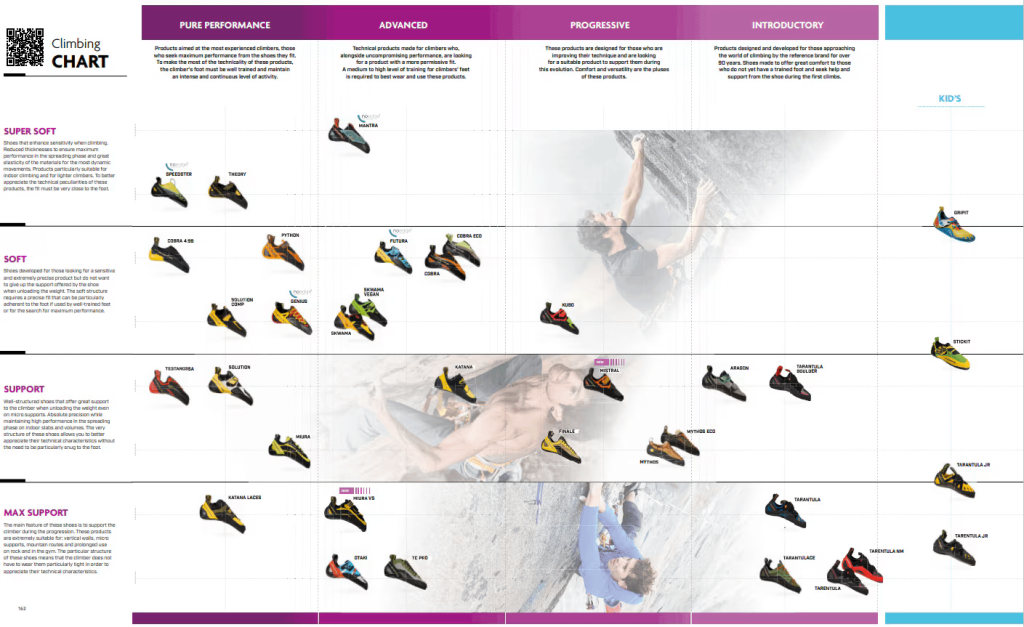
Choosing the right climbing shoes can affect your climbing experience. Different shoes suit different styles and needs.
This guide covers three main types of climbing shoes. Each type offers unique features to help you climb better.
Neutral Shoes For Comfort
Neutral climbing shoes have a relaxed fit. They offer comfort for long climbing sessions or beginners.
These shoes have a flat sole and more padding. They are good for all-day wear and crack climbing.
Aggressive Shoes For Performance
Aggressive shoes have a downturned toe and tight fit. They help you climb steep and technical routes.
- Provide precise foot placement
- Use strong toe hooks
- Offer less comfort for longer climbs
Moderate Shoes For Versatility
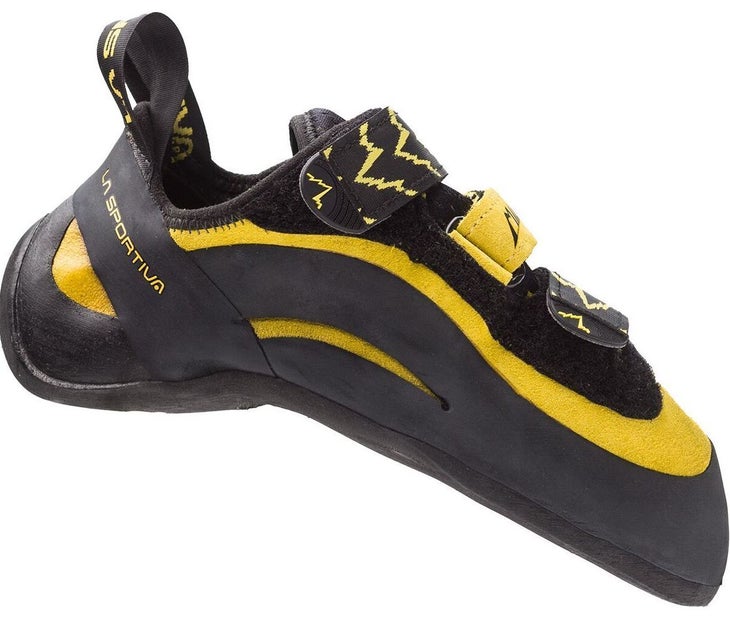
Moderate shoes balance comfort and performance. They work well on various climbing types.
| Feature | Moderate Shoes |
| Fit | Snug but not tight |
| Sole Shape | Slightly downturned |
| Use | Bouldering, sport climbing, trad |
| Comfort | Good for medium-length climbs |

Credit: www.gearx.com
Key Features To Consider
Choosing climbing shoes needs care. The right shoes help you climb better and safer.
Look at features like material, closure, and sole to find shoes that fit well.
Material And Construction
Climbing shoes come in leather or synthetic materials. Leather stretches more over time.
Synthetic shoes keep their shape but may feel stiffer. Some shoes mix both for balance.
- Leather: molds to feet, stretches with use
- Synthetic: less stretch, retains shape
- Mixed: balance of stretch and shape
- Construction type affects fit and comfort
Closure Systems
Shoes close with laces, Velcro, or slip-on designs. Each offers different fit control.
Laces give precise adjustment and fit. Velcro is quick to wear and remove. Slip-ons are snug but less adjustable.
- Laces: best fit control, adjustable tightness
- Velcro: fast on and off, moderate fit control
- Slip-on: easy wear, tight fit, less adjustable
Sole Stiffness And Thickness
Soles can be soft, medium, or stiff. Soft soles are good for sensitivity on small holds.
Stiff soles give support on edges and rough surfaces. Thickness affects how you feel the rock.
- Soft soles: more feel, better for smearing
- Medium soles: balance of support and sensitivity
- Stiff soles: support on edges, less feel
- Thicker soles last longer, thinner soles are more sensitive
Finding The Right Fit
Choosing the right climbing shoes is important for comfort and performance. The right fit can enhance your climbing experience.
There are a few steps you can follow to find the perfect pair. These steps will help you ensure a comfortable and snug fit.
Measuring Your Feet Accurately
Start by measuring your feet carefully. Use a ruler or measuring tape for accurate results.
Measure both feet because they might be slightly different in size. Use the larger measurement to choose your shoe size.
- Measure from heel to longest toe
- Measure width at the widest part
- Use a sizing chart for conversion
Trying Different Brands And Models
Different brands offer various fits and styles. Try on several brands to find the best fit.
Each model may have a unique shape and design. It is important to try different models to find what feels comfortable.
- Visit a store to try shoes on
- Consider online reviews for fit tips
- Check return policies for online purchases
Assessing Fit For Different Climbing Styles
Climbing style affects shoe choice. Different styles need different fits for optimal performance.
Bouldering and sport climbing may need tighter shoes. Trad climbing often requires a more comfortable fit.
- Bouldering: snug fit for precision
- Sport climbing: moderate snugness
- Trad climbing: comfortable fit for long routes
Breaking In Your Shoes
Breaking in climbing shoes is important for comfort and performance. New shoes feel stiff and tight at first.
Proper break-in helps the shoes mold to your feet. It reduces pain and improves grip on climbs.
Tips For Comfort During Break-in
Wear your climbing shoes for short periods at first. This helps your feet adjust without pain.
Use soft socks if the shoes feel too tight. Do not wear thick socks while climbing.
- Wear shoes around the house for 30 minutes daily
- Loosen laces or straps to reduce pressure
- Use shoe stretchers if needed for extra room
- Avoid wearing shoes too long at the start
When To Expect Stretching
Climbing shoes usually stretch after several uses. Most stretch happens in the first few weeks.
Leather shoes stretch more than synthetic ones. Expect about half a size of stretch in leather shoes.
- Stretching depends on shoe material and use
- Stretching can reduce tightness around toes and heel
- New shoes may feel snug but improve with time
Avoiding Common Fit Issues
Too tight shoes cause pain and numbness. Too loose shoes reduce climbing control.
Check fit by trying shoes on at the end of the day. Feet swell and show true size then.
- Make sure toes are slightly curled but not pinched
- Heel should fit snug without slipping
- Avoid pressure points on the top of the foot
- Test shoes on different climbs before long use
Special Considerations
Choosing climbing shoes is not just about size. You must think about your feet and climbing needs.
Special factors help you pick shoes that fit well and last long. This guide explains key points.
Foot Shape And Arch Support
Your foot shape affects comfort and performance. Shoes come in many shapes to match feet.
Arch support is important. Flat feet or high arches need different shoe types for good support.
- Wide feet need shoes with a roomy toe box
- Narrow feet fit better in pointed shoes
- High arches require shoes with extra cushioning
- Flat feet benefit from shoes with firm arch support
Choosing Shoes For Specific Climbing Types
Different climbing types need different shoes. Match your shoes to how you climb.
Bouldering needs shoes with good grip and flexibility. Trad climbing needs comfort for long wear.
- Bouldering: tight fit and sticky rubber
- Sport climbing: balance of comfort and performance
- Trad climbing: comfort and durability for long days
- Indoor climbing: versatile shoes for many routes
Budget And Durability
Climbing shoes come in many price ranges. Choose shoes that fit your budget and last long.
Durable shoes save money over time. Look for quality materials and strong soles.
- Leather shoes stretch and mold to feet but cost more
- Synthetic shoes keep shape and dry faster
- Rubber thickness affects durability and grip
- Check reviews for shoe lifespan before buying
Maintaining And Replacing Shoes
Climbing shoes need proper care to keep them safe and comfortable. You must watch for signs that show you should replace them.
Taking good care of your shoes can help them last longer. Knowing when to resole can save money and keep your shoes working well.
Signs Your Shoes Need Replacement
Look for worn-out soles or holes in the shoe fabric. If the shoes feel loose or do not grip well, it is time to replace them.
- Soles are very thin or have holes
- Fabric has tears or big holes
- Shoes feel loose or do not fit right
- Lack of grip on rocks or walls
- Uncomfortable or cause pain
Proper Care To Extend Lifespan
Clean your shoes after each use with a damp cloth. Avoid soaking them in water or putting them in a dryer.
Store shoes in a cool, dry place away from direct sunlight. Use shoe trees or stuff them with paper to keep their shape.
- Wipe dirt off after each climb
- Do not wash in a machine
- Keep away from heat and sun
- Use shoe trees or paper inside
- Air dry completely before storing
When To Resole
Resoling is needed when the soles wear thin but the rest of the shoe is still strong. This keeps the shoe safe and gripping well.
Check your shoes often. If the rubber wears down to the fabric or feels soft, it is time to resole. Resoling can add months or years to shoe life.
- Soles have thin or smooth spots
- Rubber is worn down to cloth
- Shoes still fit well and feel good
- No major tears in fabric
- Grip is less but shoes are not damaged

Credit: www.reddit.com
Frequently Asked Questions
How Do I Find The Right Climbing Shoe Size?
To find the right size, try shoes that fit snugly without pain. Your toes should be slightly curled but not cramped. Sizes vary by brand, so always try them on before buying.
What Type Of Climbing Shoes Suits Beginners Best?
Beginners should choose neutral or slightly downturned shoes. These shoes offer comfort and support for all-day climbing. Avoid aggressive shoes designed for advanced climbers.
How Important Is Shoe Material In Climbing Shoes?
Shoe material affects comfort, breathability, and durability. Leather molds to your foot over time, while synthetic materials maintain shape longer. Choose based on your climbing style and foot sensitivity.
When Should I Choose Aggressive Climbing Shoes?
Aggressive shoes are ideal for steep or overhanging routes. They provide extra precision and power on small footholds. Use them if you climb advanced or technical routes regularly.
Conclusion
Choosing the right climbing shoes takes time and effort. Fit matters most for comfort and performance. Consider your climbing style and shoe type carefully. Try shoes on and move to test fit. Remember, the best shoe feels snug but not painful.
Proper shoes help you climb safely and confidently. Take your time to find the perfect pair. Happy climbing!