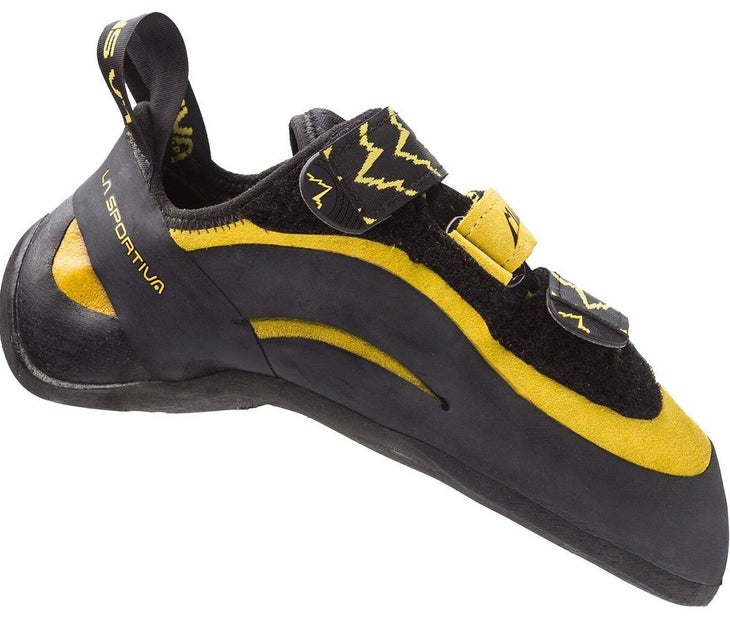
Choosing the right climbing shoes can make all the difference in your climbing experience. Whether you’re just starting out or looking to upgrade, the perfect pair will help you climb higher, feel more confident, and avoid discomfort.
But with so many options out there, how do you find shoes that fit your feet and your style? This guide will walk you through everything you need to know to pick climbing shoes that match your needs and help you perform at your best.
Keep reading—your next great climb starts with the right shoes.
Types Of Climbing Shoes
Climbing shoes come in different shapes and styles. Each type suits a different climbing style and foot shape.
Choosing the right shoe helps you climb better and stay comfortable on the rock.
Neutral Shoes
Neutral climbing shoes have a flat shape and a relaxed fit. They feel comfortable for all-day wear. These shoes are good for beginners and crack climbers.
They provide comfort but less precision on small holds. You can wear them for long sessions without foot pain.
Moderate Shoes
Moderate shoes have a slight curve and moderate fit. They balance comfort and performance well. These shoes work well for most types of climbing.
- Good for sport climbing and trad routes
- Offer better edging than neutral shoes
- Fit snugly but still allow some comfort
- Suitable for longer climbs and bouldering
Aggressive Shoes
Aggressive shoes have a strong downturned shape. They focus power on the toes for steep climbs and small edges. These shoes suit experienced climbers.
| Feature | Benefit | Best Use |
|---|---|---|
| Downturned shape | Concentrates power on toes | Overhangs and steep routes |
| Tight fit | Improves precision and control | Technical bouldering |
| Stiff sole | Supports foot on tiny holds | Crimping and edging |
Key Factors For Fit
Choosing the right climbing shoes is important for comfort and performance. A good fit helps you climb better and avoids injuries.
Focus on these key areas to find climbing shoes that fit well and feel right on your feet.
Sizing And Length
Climbing shoes should fit snugly but not painfully tight. Your toes should touch the front without being crushed.
Try on shoes at the end of the day when your feet are slightly swollen. This gives a better fit estimate.
- Shoes that are too long reduce control.
- Too short shoes cause discomfort and pain.
- Look for a slight toe curl, not extreme bending.
Width And Volume
Your foot width and volume affect how the shoe fits around your foot. Choose a shoe that holds your foot firmly.
High volume feet need shoes with more space inside. Narrow feet fit best in low volume shoes.
- Too narrow shoes pinch and cause pain.
- Too wide shoes allow your foot to slide inside.
- Check if the shoe’s midfoot wraps your foot well.
Heel Fit
The heel should fit snugly without gaps. A good heel fit keeps your foot in place during climbs.
Look for shoes with padded or shaped heels to reduce slipping. Heel slippage can cause blisters and reduce control.
- Heel should feel locked in without tightness.
- Try walking or heel hooking to test fit.
- Adjust straps or laces for a secure hold.
Toe Box Shape
The shape of the toe box affects how your toes sit inside the shoe. It should match your foot shape.
Some shoes have pointed toes for precision. Others have rounder toe boxes for comfort on long climbs.
- Pointed toes help on small holds and edges.
- Round toes reduce pressure on toes for long wear.
- Choose toe shape based on climbing style and comfort.
Materials And Construction
Climbing shoes need the right materials and build to fit well and perform. The choice affects comfort and climbing ability.
Understanding the types of materials and how shoes are made helps you pick the best pair for your needs.
Leather Vs Synthetic
Leather climbing shoes stretch more over time. They offer a natural feel and adapt to your foot shape. They can absorb moisture, so they may feel damp after long climbs.
Synthetic shoes keep their shape better. They dry faster and resist stretching. This makes them a good choice if you want a tight fit that lasts.
- Leather: flexible, molds to foot, can stretch
- Synthetic: stable shape, less stretch, dries fast
Closure Systems
Shoes use different closure systems to secure your foot. The main types are laces, Velcro straps, and slip-ons. Each offers a different fit and ease of use.
Laces let you adjust tightness in many areas for a custom fit. Velcro straps are quick to put on and take off. Slip-ons offer simplicity but less adjustability.
- Laces: precise fit, adjustable, takes more time
- Velcro: fast on and off, easy to use
- Slip-on: simple, less adjustable, good for warm-ups
Sole Stiffness
Shoe soles vary in stiffness to match climbing styles. Stiff soles support your feet on small edges. Soft soles help with sensitivity on slabs and smears.
Choose a stiff sole if you climb on sharp holds or need foot support. Pick a soft sole if you want to feel the rock better or climb gently.
- Stiff soles: support, good for edging
- Soft soles: sensitive, better for smearing

Credit: www.reddit.com
Matching Shoes To Climbing Style
Choosing the right climbing shoes depends on your climbing style. Shoes fit differently based on the type of climbing you do.
Picking shoes that match your style helps improve performance and comfort on the wall.
Bouldering And Sport Climbing
Bouldering and sport climbing need shoes with good grip and precision. These styles involve short, powerful moves.
Shoes should fit snugly to help with small footholds. Aggressive shoes with downturned toes work well here.
- Tight fit for better control
- Downturned shape for toe power
- Sticky rubber for grip on small edges
Traditional Climbing
Traditional climbing involves longer routes and rough surfaces. Comfort and durability become more important.
Shoes should be less aggressive and more comfortable. A flat or slightly downturned shoe with padding works best.
- Comfort for long climbs
- Durable materials for rough rock
- Moderate fit to avoid foot pain
Indoor Climbing
Indoor climbing shoes balance performance and comfort. You climb on artificial holds that vary in size.
Shoes with a moderate fit and versatile shape suit indoor climbing. They offer good support and grip.
- Moderate fit for comfort
- Balanced shape for different holds
- Sticky rubber for smooth surfaces
Breaking In Climbing Shoes
Climbing shoes need to fit snugly but still feel comfortable. New shoes can feel stiff at first.
Breaking in your climbing shoes helps soften them. This makes climbing easier and more fun.
Techniques To Soften Shoes
Wear your shoes around the house to help soften the material. Start with short sessions.
Use gentle stretching to loosen tight areas. You can also flex the shoe by hand carefully.
- Wear socks and climb or walk indoors
- Use a shoe stretcher for tight spots
- Apply heat with a hairdryer to soften leather
- Flex the shoe gently by hand before wearing
Signs Of Proper Break-in
Your shoes will feel more flexible and less stiff. They should match your foot shape well.
You will notice less pain or pressure points. The shoes stay tight but feel more comfortable.
- Shoes fit snugly without causing sharp pain
- Material bends easily with your foot movements
- No hot spots or blisters after climbing
- Improved grip and control on climbing surfaces
Common Fit Problems
Choosing the right climbing shoes can be tough. Fit problems often cause pain and affect performance.
Knowing common fit problems helps you pick shoes that feel good and work well on the wall.
Pain Points And Pressure Spots
Shoes that are too tight cause pain in specific areas like toes and heels. Pressure spots can make climbing hard.
Look for shoes that fit snugly but do not press too hard on any part of your foot. Avoid sharp edges inside the shoe.
- Check toe box for enough room without pinching
- Heel cup should hold heel firmly without digging in
- Watch for tight spots on the top of the foot
Slippage And Loose Fit
Shoes that slip or feel loose reduce control on holds. Slippage can lead to accidents or tired feet.
Make sure shoes fit snugly around your foot. Avoid shoes that feel like they can move inside when you walk or climb.
- Try shoes on with climbing socks or bare feet
- Check for heel slippage when walking or jumping
- Secure straps or laces tightly without discomfort
Blisters And Discomfort
New shoes can cause blisters if they rub against your skin. Discomfort may stop you from climbing longer.
Break in your shoes gradually. Use shoes with soft linings and avoid rough seams inside.
- Wear shoes for short sessions at first
- Check inside for seams that might rub your skin
- Use tape or liners if needed to prevent blisters
Tips For Trying Shoes
Choosing the right climbing shoes is key for comfort and performance. Trying shoes carefully helps find the best fit.
Use these tips to test climbing shoes before buying. They help you avoid discomfort and improve climbing.
Testing Fit At The Store
Check the shoes by feeling how they wrap your feet. The fit should be snug but not painful. Pay attention to toe and heel areas.
- Try on both shoes and stand up to feel pressure points.
- Press your toes to the front; they should be slightly curled.
- Make sure heels fit tightly without gaps.
- Walk around briefly to test comfort.
- Ask for a size up or down if any area feels too tight or loose.
Wearing Socks Or Barefoot
Decide if you want to wear socks with your climbing shoes. Most climbers wear shoes barefoot for better fit and sensitivity.
- Wearing thin socks may add slight cushioning but can reduce shoe sensitivity.
- Trying shoes barefoot shows the true fit and feel.
- If you prefer socks, bring the same pair when trying shoes.
Simulating Climbing Movements
Test shoes by copying common climbing moves. This helps check grip, comfort, and flexibility.
| Movement | What to Check |
|---|---|
| Standing on toes | Shoe holds tight on toes without slipping |
| Heel hooking | Heel fits snugly and supports weight |
| Edging on small holds | Good sole stiffness and toe precision |
| Smearing on flat surfaces | Shoe sole sticks well and feels stable |

Credit: www.gearx.com
Maintenance And Longevity
Climbing shoes need proper care to last longer and perform well. Taking time to maintain them helps save money and keeps you safe.
Here are key tips on cleaning, resoling, and knowing when to replace your shoes.
Cleaning And Care
Regular cleaning removes dirt and sweat that break down materials. Always air dry your shoes after use. Avoid direct sunlight or heat sources.
- Wipe shoes with a damp cloth after each climb
- Use mild soap and water for deeper cleaning
- Remove insoles and wash them separately
- Stuff shoes with newspaper to absorb moisture overnight
- Store shoes in a cool, dry place away from direct sun
Resoling Options
Resoling can extend your shoe’s life if done on time. It restores grip and structure without needing a new pair.
| Type of Resole | Description | When to Use |
| Partial Resole | Resolves worn areas of the sole only | Minor wear on toe or edges |
| Full Resole | Replaces entire sole and rand | Widespread sole damage or holes |
| Rand Repair | Fixes damaged rubber rand around shoe | Separated or torn rand |
When To Replace Shoes
Even with care and resoling, shoes wear out. Replace them if they lose fit or support.
- Shoes feel loose or stretched beyond comfort
- Soles are very thin or have holes after resoling
- Rubber rand is damaged and cannot be repaired
- Material tears that affect performance
- Shoes cause pain or blisters during use

Credit: www.reddit.com
Frequently Asked Questions
What Size Climbing Shoes Should I Buy?
Choose climbing shoes that fit snugly without pain. Your toes should be slightly curled but not cramped. Sizes vary by brand, so always try them on or check sizing charts before buying.
How Do Climbing Shoe Types Differ?
Climbing shoes vary by design: neutral for comfort, moderate for all-around use, aggressive for steep routes. Choose based on your climbing style and foot comfort for best performance.
When Should I Replace Climbing Shoes?
Replace climbing shoes when soles wear thin or shoes lose fit. Worn shoes reduce grip and support, affecting safety and performance. Regular inspection helps determine the right time to replace.
Are Synthetic Or Leather Climbing Shoes Better?
Synthetic shoes maintain shape and stretch less, while leather shoes mold to your foot over time. Choose based on your preference for fit and how much stretching you want during use.
Conclusion
Choosing the right climbing shoes is essential. Prioritize comfort and fit first. Consider the type of climbing you do. Different shoes suit different surfaces. Try shoes on in the afternoon. Feet swell during the day. Check for snugness without pain.
Remember, your shoes should support, not hurt. Test them on various surfaces if possible. A good grip boosts confidence and safety. Invest time in choosing the perfect pair. Your climbing experience will be more enjoyable. Happy climbing!