
Choosing the right fishing rod length can make all the difference in your fishing experience. Whether you’re casting from the shore, a boat, or a pier, the length of your rod affects how far and how accurately you can cast.
It also influences your control over the fish once it’s hooked. But with so many options out there, how do you know which rod length is perfect for you? This guide will help you understand what to look for, so you can make the best choice and enjoy more successful fishing trips.
Keep reading to discover how the right rod length can change the way you fish.

Credit: fishingbooker.com
Factors Affecting Rod Length
Choosing the right fishing rod length depends on many factors. These factors help you fish better and enjoy your time.
This guide explains the main factors to consider when picking a rod length. Understanding these will improve your fishing experience.
Type Of Fishing
The type of fishing affects the rod length you need. For example, fly fishing usually requires a longer rod than baitcasting.
- Fly fishing rods range from 7 to 10 feet
- Spinning rods often measure 6 to 7 feet
- Baitcasting rods vary from 6 to 8 feet
- Surf fishing rods can be 9 feet or longer
Target Species
The size of the fish you want to catch matters. Larger fish need longer, stronger rods to handle the fight.
| Fish Size | Recommended Rod Length |
| Small (e.g., panfish) | 5 to 6 feet |
| Medium (e.g., bass, trout) | 6 to 7 feet |
| Large (e.g., pike, salmon) | 7 to 9 feet |
| Very Large (e.g., catfish, saltwater species) | 9 feet or more |
Casting Distance
Casting distance depends on how far you want to throw your line. Longer rods help cast farther, but shorter rods offer more control.
- Short rods (5–6 feet) are good for short casts and tight spaces
- Medium rods (6–7 feet) balance distance and control
- Long rods (7 feet or more) allow long-distance casting
Fishing Environment
Your fishing spot affects rod length choice. Open water calls for longer rods. Crowded areas need shorter rods.
| Environment | Recommended Rod Length |
|---|---|
| Open water (lakes, ocean) | 7 to 10 feet |
| Rivers and streams | 6 to 7 feet |
| Heavy cover (trees, bushes) | 5 to 6 feet |
| Boat fishing | 6 to 7 feet |
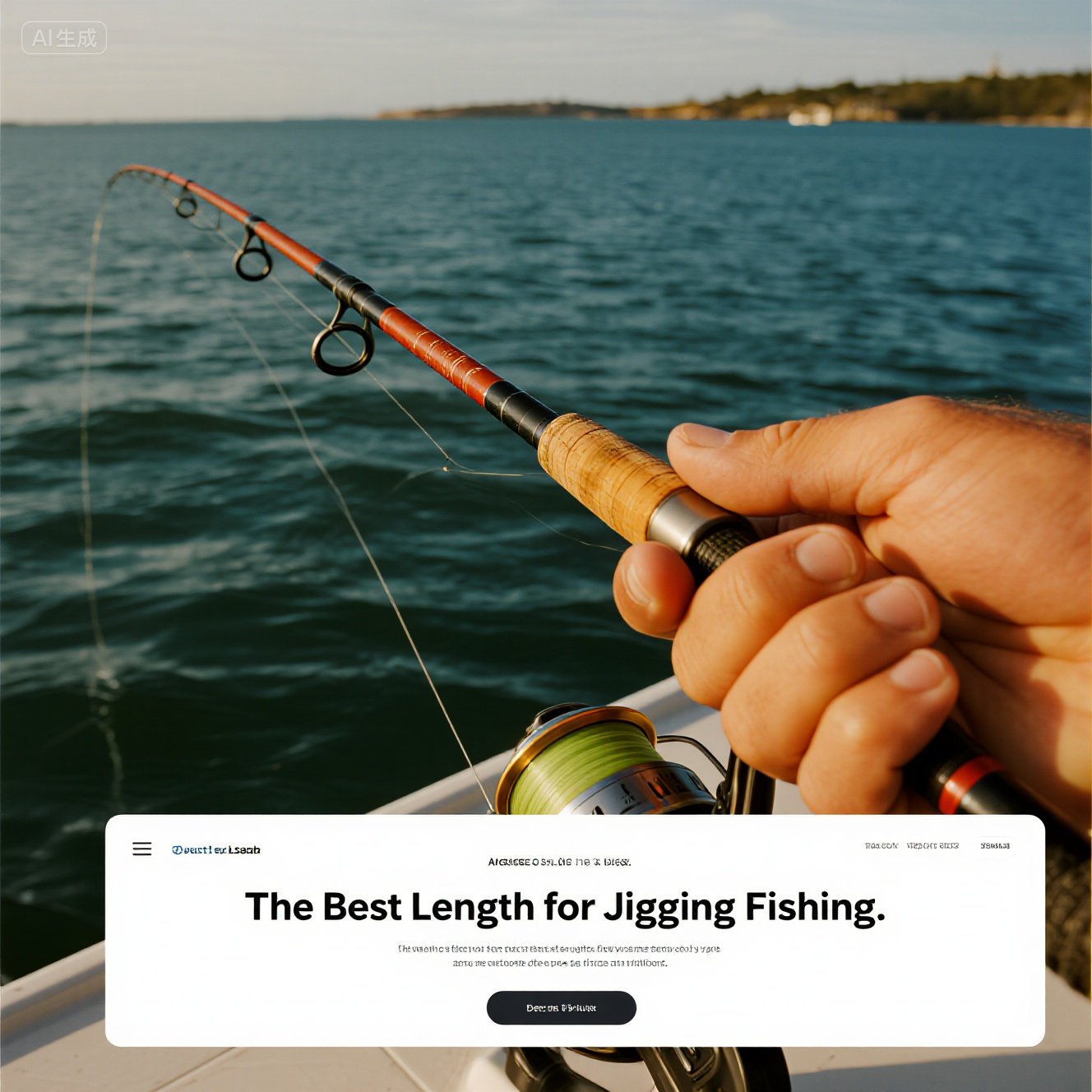
Credit: goofishrod.com
Short Vs Long Rods
Choosing the right fishing rod length is key for a good fishing day. Short and long rods each have special uses.
Understanding the differences helps you pick the best rod for your fishing style and location.
Advantages Of Short Rods
Short rods are easier to control. They work well in tight spaces like small streams or dense bushes.
They offer better accuracy and are lighter to carry, making them good for quick fishing trips.
- Better control in small areas
- More accurate casting
- Lighter and easier to carry
- Good for beginners
Advantages Of Long Rods
Long rods let you cast your line farther. They are useful when fishing in big lakes or from the shore.
They also give you more leverage to fight big fish and keep better control over your catch.
- Cast longer distances
- Better for open water
- More leverage for big fish
- Good for shore fishing
When To Use Each
Use short rods in places with limited space or when you need precise casts. They work well in small rivers or crowded areas.
Choose long rods for wide, open water or when you want to cast far. They are best for lakes, ponds, or surf fishing.
- Short rods: small streams, tight spots, quick fishing
- Long rods: lakes, shore fishing, casting long distances
Rod Length And Casting Techniques
Choosing the right fishing rod length is crucial for effective casting. The length of your rod can influence how you cast and control the line.
Different rod lengths offer unique benefits for accuracy, power, and adaptability. Understanding these can improve your fishing success.
Accuracy And Control
Shorter rods are better for accurate casting. They provide greater control over the lure’s landing spot.
- Ideal for fishing in tight spaces
- Better for targeting specific fish
- Useful in areas with obstacles
Power And Distance
Longer rods give more power and distance. They help in casting further into the water.
| Rod Length | Distance Achieved |
| 6 feet | Short |
| 8 feet | Medium |
| 10 feet | Long |
Adjusting For Different Casts
You may need to adjust rod length for various casting techniques. Each technique requires a specific approach to maximize effectiveness.
Material And Action Considerations
Choosing the right fishing rod length depends on material and action. These factors affect how the rod handles and performs. Understanding them helps you pick a rod that fits your fishing style.
Material and action work together to influence the rod’s flexibility, strength, and sensitivity. Let’s explore how each factor impacts your choice.
How Material Impacts Length Choice
Fishing rods come in different materials like graphite, fiberglass, and composite. Each material changes the rod’s weight and strength. These changes affect the best length for your rod.
| Material | Weight | Flexibility | Best Length Range |
| Graphite | Light | Stiff | 6 to 8 feet |
| Fiberglass | Heavier | Flexible | 7 to 9 feet |
| Composite | Medium | Balanced | 6.5 to 8.5 feet |
Lighter materials like graphite suit shorter rods for quick, accurate casts. Heavier materials work well with longer rods that need more strength. Composite rods offer a mix of both features.
Rod Action And Performance
Rod action means how and where the rod bends under pressure. It affects casting distance and hook setting. Fast action rods bend near the tip, while slow action rods bend through most of the rod.
- Fast Action:Best for long casts and quick hook sets. Works well with medium to long rods.
- Medium Action:Offers balance between casting and control. Fits rods of many lengths.
- Slow Action:Bends deeply for smooth casting and fighting fish. Often found on longer rods.
Pick rod action based on the fish you want to catch and your casting style. Combining the right action with rod length improves your fishing experience.
Matching Rod Length To Reel And Line
Choosing the right fishing rod length helps you fish better. It also makes casting easier and more fun.
Your rod length should match your reel and fishing line. This match improves balance and control.
Balance And Handling
A balanced rod and reel feel comfortable in your hand. It reduces fatigue during long fishing trips.
Long rods with light reels may feel heavy at the tip. Short rods with heavy reels can feel awkward.
- Use a medium rod length for better balance with most reels
- Match rod weight to reel weight for smooth handling
- Test the combo by holding it before buying
Line Weight Compatibility
Each rod is made to handle a certain line weight. Using the right line weight helps the rod perform well.
Too heavy a line can damage the rod. Too light a line can reduce casting distance and hook setting power.
| Rod Length | Recommended Line Weight |
|---|---|
| 6 to 7 feet | 4 to 10 pounds |
| 7 to 8 feet | 6 to 12 pounds |
| 8 feet and longer | 8 to 15 pounds |
Testing And Selecting Your Rod
Choosing the right fishing rod length is key to having a good fishing experience. Testing different rods helps you find one that fits your needs.
Try rods of various lengths to see which one feels best. Think about how you will use the rod and where you will fish.
Trying Different Lengths
Test rods that range from short to long. Short rods work well for close fishing spots. Longer rods help cast farther.
Try casting with each rod length. Notice which one feels easy to handle and control. This will help you pick the best size.
Personal Comfort And Style
Your comfort is important when fishing. Choose a rod that feels good in your hands and matches your fishing style.
Think about how you hold the rod and how long you fish. Pick a rod weight and length that won’t tire you quickly.
- Hold the rod to check grip comfort
- Test casting to see if it suits your style
- Choose a rod weight that you can lift easily
Budget And Quality
Set a budget before buying a rod. Good quality rods can cost more but last longer. Cheaper rods might not perform well.
Look for rods made with strong materials. Check reviews or ask experts if possible. Balance price with the features you need.
- Decide how much you want to spend
- Compare materials like graphite or fiberglass
- Choose a rod that matches your fishing goals

Credit: www.reddit.com
Frequently Asked Questions
What Is The Ideal Fishing Rod Length For Beginners?
Beginners should choose a fishing rod between 6 to 7 feet. This length offers good control and casting ease. It balances power and flexibility, helping new anglers learn effectively.
How Does Rod Length Affect Casting Distance?
Longer rods generally cast farther due to increased leverage. Shorter rods provide better accuracy but shorter range. Choose rod length based on your casting needs and fishing environment.
Which Fishing Rod Length Suits Freshwater Fishing Best?
For freshwater fishing, rods between 6 to 7 feet are ideal. They offer versatility for lakes, rivers, and streams. This length allows better control and accurate casts in varied freshwater settings.
Can Rod Length Influence Fish Fighting Ability?
Yes, longer rods give more leverage to fight big fish. Shorter rods provide better control in tight spaces. Selecting the right length depends on fish size and fishing conditions.
Conclusion
Choosing the right fishing rod length helps improve your fishing experience. Short rods offer better control and accuracy. Longer rods let you cast farther and reach distant spots. Think about where you will fish most often. Consider the type of fish you want to catch.
Comfort matters; pick a rod that feels good in your hands. Testing a few rods can help you decide. A good rod length fits your style and needs. Take your time to choose wisely. Enjoy more successful and fun fishing trips.