Choosing the right heating and air conditioning system can feel overwhelming. You want a solution that keeps your home comfortable year-round without breaking the bank.
But how do you know which system fits your needs best? In this guide, you’ll discover simple steps to make the decision easier. By the end, you’ll feel confident about picking the perfect system for your space and budget. Keep reading to find out what really matters when selecting heating and cooling for your home.
Types Of Heating And Cooling Systems
Choosing the right heating and air conditioning system is important for comfort. Different systems work well for different homes and climates. Understanding each type helps you pick the best option for your needs.
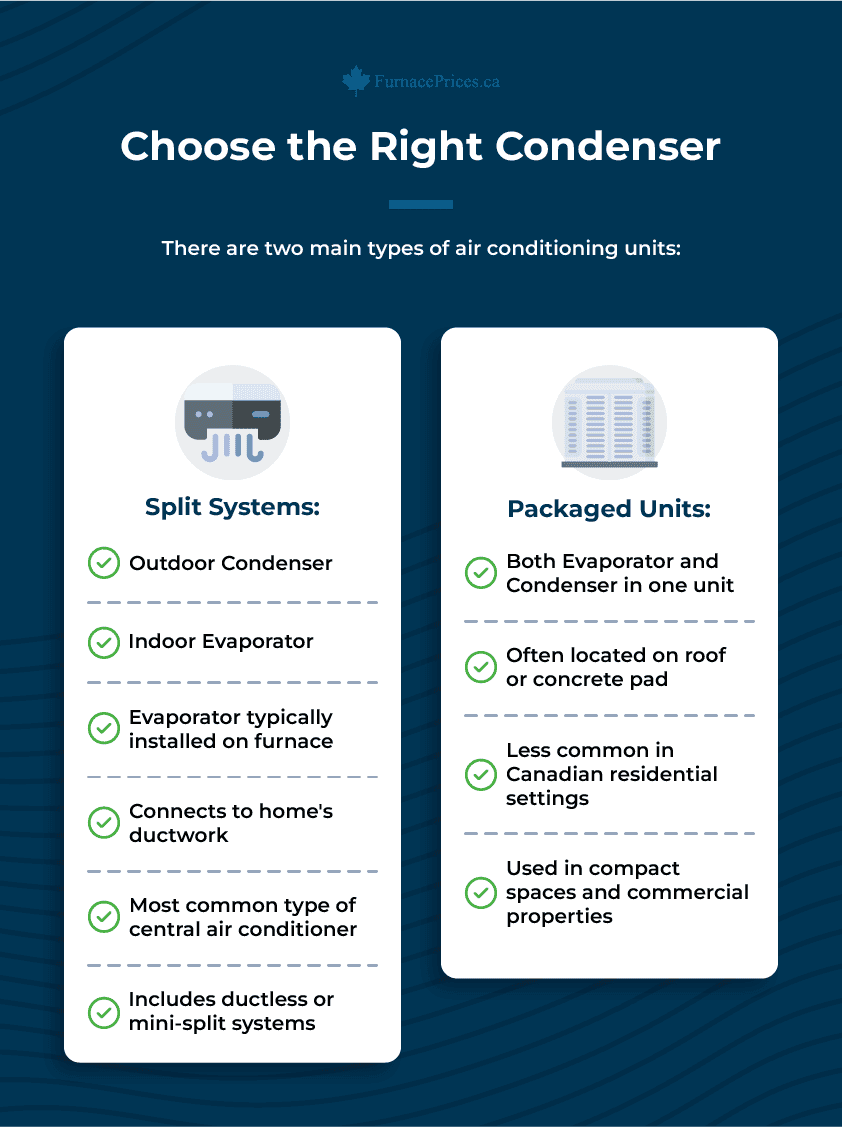
This guide explains the main types of heating and cooling systems. You will learn about central air conditioners, heat pumps, furnaces, and ductless mini-splits.
Central Air Conditioners
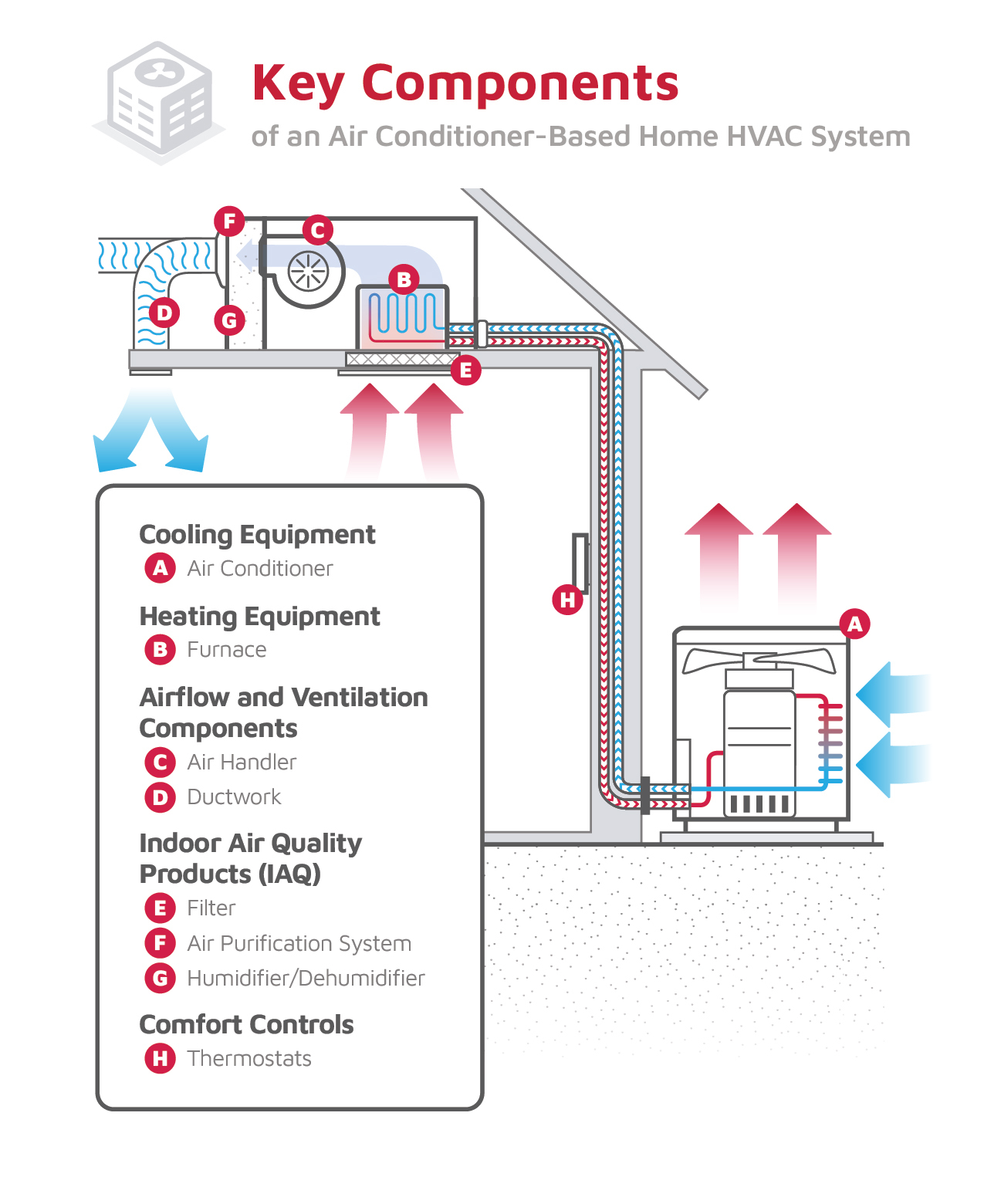
Central air conditioners cool your entire home using a system of ducts. They remove heat from inside and release it outside. This system works well in larger houses with existing ductwork.
- Uses ducts to cool all rooms
- Needs space for outdoor unit
- Works best in warm climates
- Requires regular maintenance
Heat Pumps
Heat pumps provide both heating and cooling. They move heat in or out of your home depending on the season. Heat pumps are energy efficient and work well in moderate climates.
| Feature | Details |
| Heating | Extracts heat from outside air |
| Cooling | Removes heat from indoor air |
| Energy Use | Low compared to traditional systems |
| Climate Suitability | Best for mild to moderate weather |
Furnaces
Furnaces heat your home by burning fuel or using electricity. They blow warm air through ducts to heat each room. Furnaces are a common choice in cold climates.
- Uses gas, oil, or electricity
- Heats air and sends it through ducts
- Good for very cold areas
- Requires fuel or electricity
Ductless Mini-splits
Ductless mini-splits provide heating and cooling without ducts. They have an outdoor unit connected to indoor wall units. These systems are good for homes without ductwork or for adding zones.
- Easy to install
- Energy efficient
- Allows individual room control
- Less duct loss of energy
Credit: www.lennox.com
Assessing Your Home’s Needs
Choosing the right heating and air conditioning system starts with knowing your home well. Your home’s size, layout, climate, and insulation matter a lot.
These factors help decide the system size and type that will work best. This guide helps you check your home’s needs before picking a system.
Evaluating Home Size And Layout
Large homes need bigger systems or multiple units to keep all rooms comfortable. Open floor plans may cool or heat differently than many small rooms.
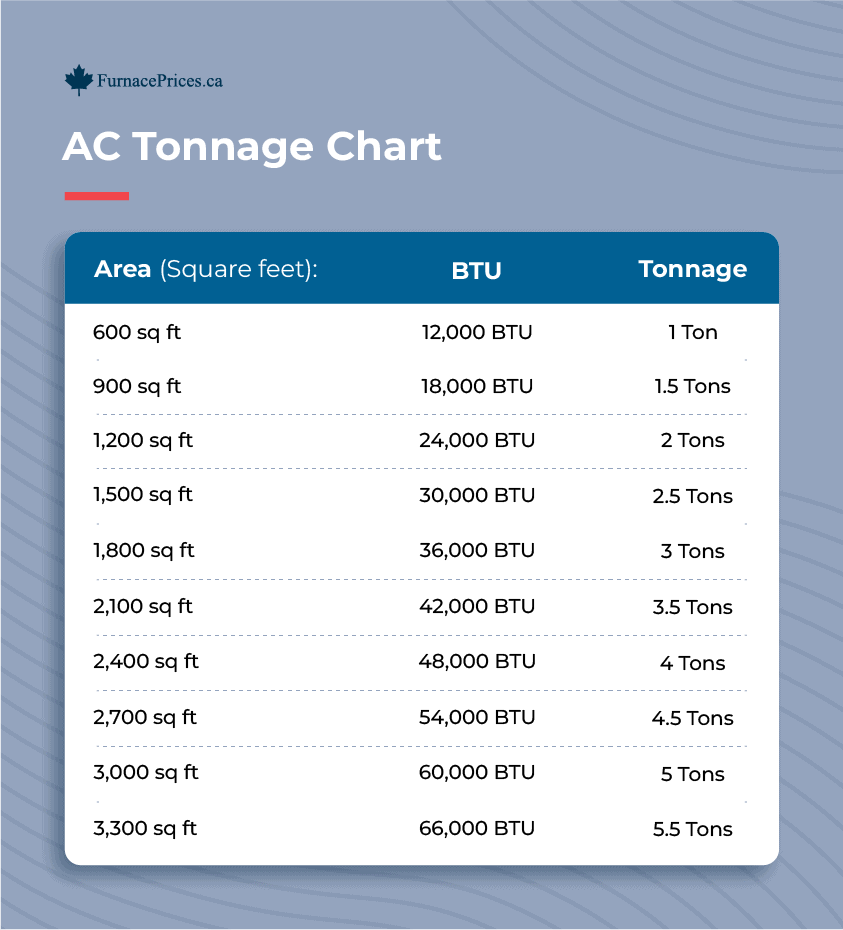
Measure your home’s total square footage and note the number of floors and rooms. This helps find the right system capacity.
- Calculate total living area in square feet
- Check number of floors and rooms
- Note open spaces vs. separate rooms
- Consider where most time is spent
Considering Climate Factors
Climate affects heating and cooling needs. Hot areas need strong cooling, cold areas need good heating, and mixed climates need balance.
Think about your local weather, temperature changes, and humidity. This guides system features like humidity control or energy efficiency.
- Check average summer and winter temperatures
- Note humidity levels throughout the year
- Consider how often extreme weather occurs
- Look for local energy costs and incentives
Checking Insulation And Ventilation
Good insulation keeps heat in during winter and out during summer. Poor insulation makes systems work harder and use more energy.
Ventilation affects air flow and indoor air quality. Proper vents and fans help spread heated or cooled air evenly.
- Inspect wall, attic, and floor insulation
- Check for drafts around doors and windows
- Make sure vents are clean and unblocked
- Use fans or ventilation systems if needed
Energy Efficiency And Costs
Choosing the right heating and air conditioning system saves money and energy. Good choices lower bills and help the environment.
Look at energy ratings and costs to find the best system for your home. Understanding these helps you buy wisely.
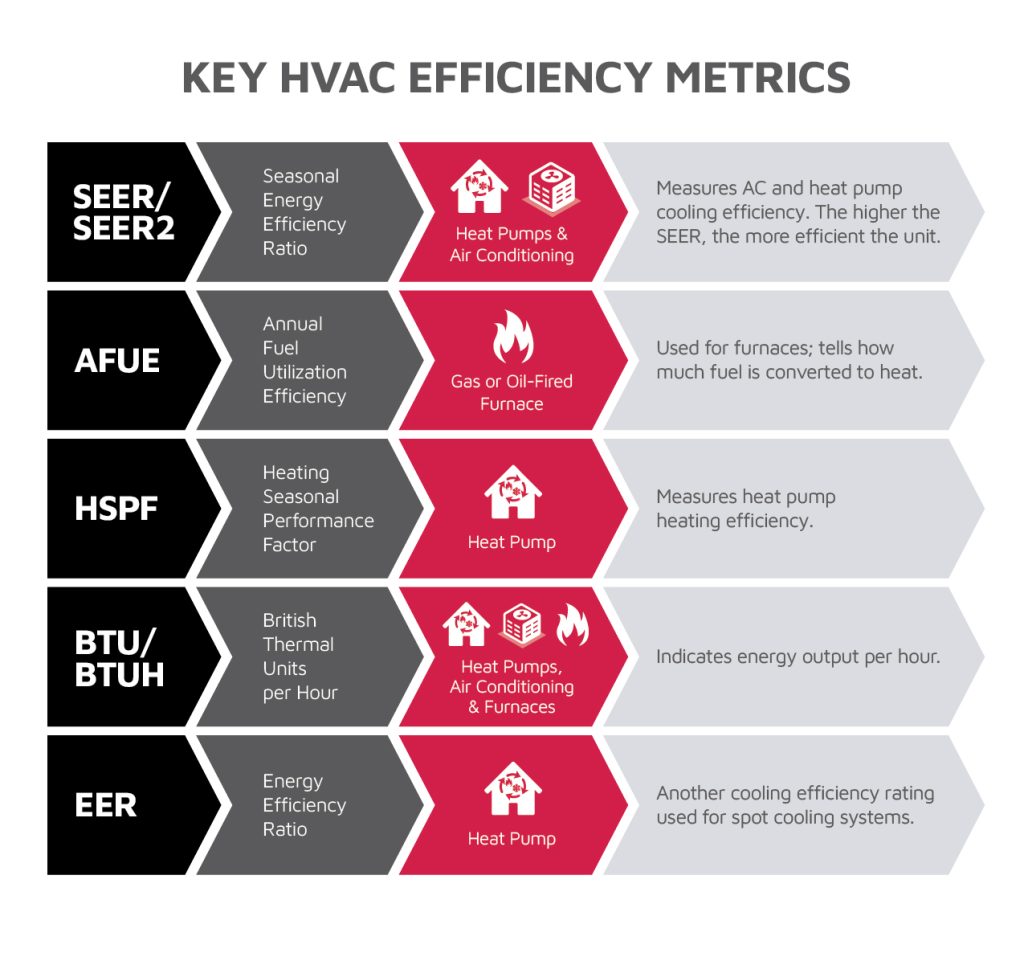
Understanding Seer And Afue Ratings
SEER measures cooling efficiency of air conditioners. A higher SEER means the unit uses less energy to cool your home.
AFUE rates how well a furnace converts fuel to heat. Higher AFUE numbers show better heating efficiency.
- SEER: Seasonal Energy Efficiency Ratio
- AFUE: Annual Fuel Utilization Efficiency
- Higher ratings save energy and reduce bills
- Check labels before buying equipment
Estimating Installation Expenses
Installation costs vary by system type and home size. Proper setup ensures the system works well and lasts long.
Ask for quotes from several installers. Compare prices to find a fair cost for quality work.
- System size affects price
- Complex installations cost more
- Professional installation avoids future repairs
- Check if permits or inspections add to costs
Long-term Energy Savings
Energy-efficient systems lower monthly bills over time. Small savings add up to big benefits after several years.
Investing in efficient equipment can reduce energy use by 20% or more. This helps your budget and the planet.
- Choose high SEER and AFUE units
- Maintain systems regularly for best performance
- Use programmable thermostats to save energy
- Consider energy savings in your budget plan
Choosing The Right System Capacity
Choosing the right heating and air conditioning system capacity is important for comfort and energy savings.
Systems that are too large or too small can cause problems and higher costs.
Calculating Btu Requirements
BTU means British Thermal Unit. It measures heating or cooling power.
Calculating the BTU helps find the right size system for your space.
- Measure the square footage of the area.
- Consider the height of the ceilings.
- Check insulation quality in walls and windows.
- Account for the number of people regularly inside.
- Include heat from appliances and lighting.
Avoiding Oversizing And Undersizing
Oversized systems cool or heat too fast. They turn on and off often.
Undersized systems run all the time but may not keep the room comfortable.
| Problem | Cause | Effect |
| Oversizing | Too many BTUs | Wastes energy, short cycles |
| Undersizing | Too few BTUs | Poor comfort, constant running |
Features To Look For
Choosing a heating and air conditioning system needs careful thought. The right features improve comfort and save energy. Some features make your system smarter and easier to control.
Look for features that fit your home and lifestyle. This guide covers key features that matter in today’s HVAC systems.
Programmable Thermostats
Programmable thermostats help you control your home’s temperature. You can set different temperatures for day and night. This saves energy and lowers bills.
- Set schedules based on when you are home or away
- Adjust temperatures automatically for comfort and efficiency
- Save money by reducing heating or cooling when not needed
- Easy to use with clear displays and controls
Air Quality Enhancements
Good air quality is important for health. Some systems come with features to clean the air and reduce allergens.
| Feature | Benefit |
| HEPA Filters | Remove dust, pollen, and pet dander |
| UV Light | Kills bacteria and viruses |
| Humidity Control | Keeps air moisture balanced |
| Air Purifiers | Reduce odors and pollutants |
Smart Home Integration
Smart home integration lets you control your system with apps or voice commands. It adds convenience and helps monitor energy use.
Key smart features include:
- Remote control via smartphone
- Voice control with assistants like Alexa or Google
- Energy use tracking and reports
- Automatic adjustments based on your schedule
Credit: www.furnaceprices.ca
Maintenance And Warranty Considerations
Choosing a heating and air conditioning system means thinking about upkeep and protection. Regular care keeps your system running well and saves money.
Understanding warranty details helps you avoid surprise costs. Know what is covered and for how long before buying.
Routine Maintenance Tips
Regular maintenance improves system efficiency and lifespan. Follow simple tasks to keep your unit in top shape.
- Change or clean air filters every 1 to 3 months.
- Check and clear debris around outdoor units.
- Inspect ductwork for leaks or damage yearly.
- Schedule professional tune-ups once a year.
- Monitor thermostat settings for proper operation.
Warranty Coverage Insights
Warranty terms vary between brands and models. Look closely at what parts and services the warranty covers.
| Warranty Type | Coverage Details | Typical Length |
| Parts Warranty | Covers repair or replacement of parts | 5 to 10 years |
| Labor Warranty | Covers work costs for repairs | 1 to 2 years |
| Compressor Warranty | Specific protection for the compressor unit | 10 to 12 years |
Hiring A Professional Installer
Choosing the right heating and air conditioning system is important. Hiring a professional installer ensures your system works well and lasts long.
A good installer helps you avoid costly mistakes. They know how to fit the system correctly and safely.
Checking Credentials And Reviews
Always check the installer’s credentials. Licensing shows they meet state requirements. Insurance protects you from accidents.
Read customer reviews to learn about their work quality. Look for installers with positive feedback and good communication.
- Verify license and insurance
- Read online reviews
- Ask for references from past clients
- Check how long they have been in business
Comparing Quotes
Get quotes from several installers. Compare prices and services offered. Don’t always pick the cheapest option.
| Installer | Price | Warranty | Included Services |
| Installer A | $3,000 | 5 years | System setup, testing |
| Installer B | $2,800 | 3 years | System setup only |
| Installer C | $3,200 | 5 years | Setup, testing, cleanup |
Installation Timeline Expectations
Ask the installer about the time needed for installation. Knowing the timeline helps you plan your schedule.
- Confirm the start date
- Ask how many days the work will take
- Check if there are any delays expected
- Request updates during installation
Credit: www.furnaceprices.ca
Frequently Asked Questions
What Factors Should I Consider When Choosing Hvac Systems?
Consider energy efficiency, system size, budget, and climate. Choose a system that fits your home size and cooling needs. Look for ENERGY STAR ratings and reliable brands for better performance and savings.
How Do I Know The Right Size Hvac System?
A system too large wastes energy; too small won’t cool properly. Use a professional load calculation based on your home’s square footage and insulation quality to find the correct size.
What Is The Difference Between Central And Ductless Hvac?
Central HVAC uses ducts to distribute air throughout the home. Ductless systems provide heating and cooling in individual rooms without ducts. Choose based on your home’s design and budget.
How Important Is Energy Efficiency In Hvac Selection?
High energy efficiency lowers utility bills and environmental impact. Look for SEER and AFUE ratings when selecting heating and cooling units. Efficient systems save money long-term despite higher upfront costs.
Conclusion
Choosing the right heating and air conditioning system takes time. Think about your home size and budget first. Energy efficiency saves money and helps the planet. Check system features that fit your needs well. Don’t forget to read reviews and ask for advice.
A good system keeps your home comfortable year-round. Make a smart choice for warmth and cool air. Your comfort depends on the system you pick. Take your time. Choose wisely.