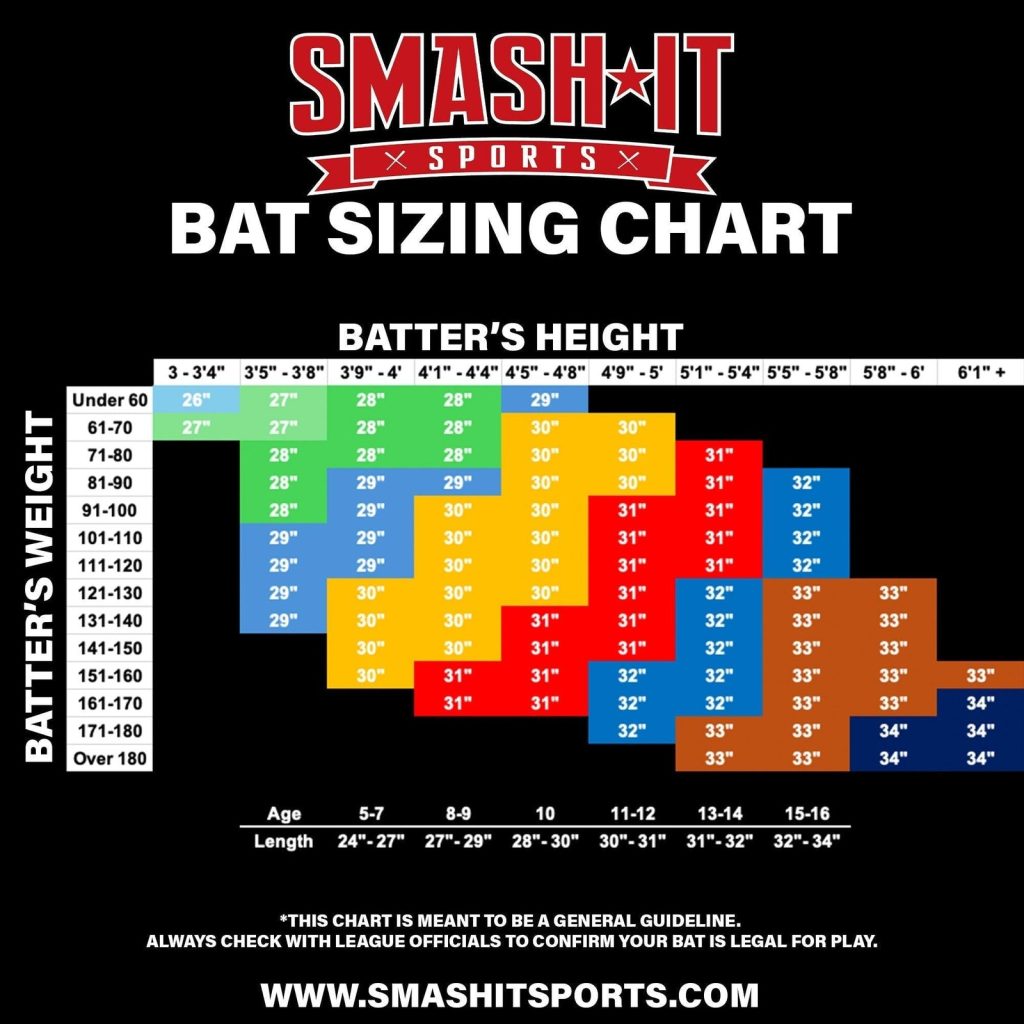
Choosing the right baseball bat can make a huge difference in your game. But with so many options out there, how do you know which one fits you best?
Whether you’re just starting out or looking to upgrade, finding the perfect bat is about more than just picking the coolest design. It’s about comfort, control, and power—all working together to help you hit that ball harder and farther. Keep reading, and you’ll discover simple tips that will help you select a bat that feels like an extension of your own swing.
Your best game starts with the right choice.

Credit: batdigest.com
Types Of Baseball Bats
Choosing the right baseball bat is important for good performance. There are different types of bats to fit your style and level.
Each bat type has unique features. Knowing these helps you pick the best bat for you.
Wood Bats
Wood bats are the traditional choice in baseball. They are made from different types of wood like maple, ash, or birch.
Wood bats offer a natural feel and good balance. They break easier than other bats but give great feedback on contact.
- Common woods: maple, ash, birch
- Heavier and less forgiving on misses
- Used in professional and college leagues
Aluminum Bats
Aluminum bats are popular in amateur baseball. They are lighter than wood and help players swing faster.
These bats last longer and are less likely to break. Aluminum bats often have a bigger sweet spot for better hits.
- Made from lightweight metal alloys
- Durable and long-lasting
- Common in youth and high school baseball
Composite Bats
Composite bats are made from a mix of materials like carbon fiber. They offer a soft feel and less vibration.
These bats can be lighter and stronger. They may need a break-in period before reaching full performance.
- Made from layered carbon fiber and resin
- Reduced vibration and better balance
- Popular in advanced youth and amateur leagues

Credit: www.demarini.com
Key Factors To Consider
Choosing the right baseball bat can improve your hitting and comfort. Several key factors affect your choice.
This guide explains the main points to think about before buying a bat.
Bat Length
Bat length affects your swing speed and reach. Longer bats give more reach but can be harder to control.
Choose a length that feels balanced and comfortable for your height and strength.
Bat Weight
Weight is important for power and control. A lighter bat helps you swing faster. A heavier bat can hit the ball harder.
- Pick a bat you can swing comfortably without strain.
- Try swinging different weights before buying.
- Consider your age and strength when choosing weight.
Grip And Handle
The grip should feel secure and comfortable. Handles come in different shapes and materials.
| Handle Type | Features | Best For |
|---|---|---|
| Round | Smooth and uniform | Players who want a classic feel |
| Oval | Flatter shape for control | Players who prefer better grip |
| Tapered | Thins near the knob | Players who want faster wrist action |
Barrel Size
The barrel is the thick part of the bat that hits the ball. Larger barrels offer a bigger sweet spot.
- Big barrels help with hitting power and forgiveness.
- Smaller barrels offer better bat speed and control.
- Choose barrel size based on your hitting style.
Choosing Based On Player Age And Skill
Picking the right baseball bat is key for players of all ages. The bat should match the player’s age and skill level for the best performance.
Consider the player’s strength, experience, and league rules when selecting a bat. This guide will help you choose the right bat for different age groups and skill levels.
Youth Players
Youth players need lighter bats for better control and swing speed. A bat that is too heavy can slow them down and affect their game.
- Choose a bat length that matches the player’s height and weight.
- Look for bats with a larger sweet spot to improve contact.
- Check league rules for approved bat sizes and materials.
High School And College Players
Players in high school and college need bats that balance power and control. They have more strength and skill, so they can handle heavier bats.
- Consider composite bats for a larger sweet spot and reduced vibration.
- Weight distribution is important: end-loaded for power, balanced for speed.
- Ensure the bat meets league standards and certifications.
Professional Players
Professional players select bats based on personal preference and specific game needs. They have the skill to handle various bat types.
Pros often use wooden bats for their traditional feel and performance. They choose bats that complement their hitting style.
- Maple bats are popular for their durability and power.
- Ash bats offer more flexibility and lighter weight.
- Consider the bat’s length-to-weight ratio for optimal performance.
League Regulations And Standards
Choosing the right baseball bat means following league rules. These rules keep the game fair and safe for all players.
Each league sets its own standards on what bats are allowed. Understanding these standards helps you pick a bat that fits the rules.
Approved Bat Lists
Leagues often provide a list of bats that meet their rules. These lists show which bats players can use in games.
- Check the league’s official website for the approved bat list.
- Look for bats that have certification marks from recognized organizations.
- Use only bats from the approved list to avoid disqualification.
- Keep updated, as approved lists may change each season.
Size And Weight Limits
Leagues set limits on bat length and weight. These limits depend on age group and league level.
| League Age Group | Max Length (inches) | Max Weight (ounces) |
| 9-10 years | 29 | 20 |
| 11-12 years | 31 | 23 |
| 13-14 years | 32 | 26 |
| 15+ years | 34 | 30 |
Choose a bat that fits these size and weight limits. A bat that is too long or heavy is not allowed.
Material Restrictions
Leagues control what materials bats can be made of. This helps keep play safe and fair.
- Wood bats are often required in many leagues.
- Aluminum and composite bats may be allowed in youth leagues but must meet standards.
- Bats with illegal materials or coatings are banned.
- Check for league certification labels on the bat’s material.
Testing And Trying Bats
Choosing the right baseball bat is key to your performance. Testing and trying different bats helps find the best one for you.
Spend time swinging bats before buying. This shows how each bat feels and performs with your style.
Swinging Techniques
Try swinging with different bats to see which fits your technique. Some bats work better with fast swings, others with slower swings.
Practice swings help you notice how the bat moves through the air. This helps pick a bat that matches your natural swing.
Feel And Control
Feel is how the bat rests in your hands. Control means how easy it is to move the bat where you want.
Hold different bats and swing slowly. Notice which bat feels balanced and easy to control during your swing.
- Choose a bat that feels comfortable in your hands
- Control helps you adjust your swing quickly
- Good feel reduces strain on your hands and wrists
Balance And Power
Balance refers to how weight is spread along the bat. Power is how much force you can put into your hit.
Try swinging bats with different weights. See which bat lets you swing fast and still hit hard.
- Balanced bats offer quick swings with good control
- Heavier bats can add power but may slow your swing
- Find a bat weight that suits your strength and style

Credit: www.forelle.com
Maintaining Your Baseball Bat
Taking care of your baseball bat keeps it in good shape longer. Regular maintenance helps you play better and avoid injuries.
Simple cleaning, proper storage, and knowing when to replace your bat are key steps. Follow these tips to protect your investment.
Cleaning Tips
Clean your bat after every use. Dirt and grime can damage the surface and affect performance.
- Use a soft cloth and warm water to wipe the bat.
- Avoid harsh chemicals that can weaken the material.
- Dry the bat completely with a towel after cleaning.
- Check for cracks or dents while cleaning.
Storage Recommendations
Store your bat in a dry place away from extreme temperatures. This keeps the wood or metal from warping or cracking.
- Keep bats upright or on a rack.
- Do not leave bats in cars for long periods.
- Use a bat sleeve or cover to protect from dust.
When To Replace
Knowing when to replace your bat keeps you safe and improves your hitting. Look for signs that your bat is worn out.
| Sign | Reason to Replace |
| Cracks or Splits | Can break during use, causing injury |
| Dents or Deep Gouges | Affect bat balance and hitting power |
| Loose Handle or Grip | Reduces control and can cause accidents |
| Loss of Bounce (for composite bats) | Decreases bat performance |
Frequently Asked Questions
What Size Baseball Bat Should I Choose?
Choose a bat size based on your height and weight. Use sizing charts to find the ideal length and weight for comfort and control. A correctly sized bat improves your swing and performance.
How Important Is Bat Material In Performance?
Bat material affects durability, weight, and swing speed. Aluminum bats are lightweight and durable, while wood bats offer traditional feel and better control. Choose material based on league rules and personal preference.
Should I Prioritize Bat Weight Or Length?
Balance bat weight and length for optimal swing speed and power. A lighter bat swings faster but may lack power. A longer bat offers reach but can be harder to control.
How Do I Test A Baseball Bat Before Buying?
Hold and swing the bat to check comfort and balance. Ensure it feels natural and not too heavy. Testing helps avoid injuries and improves batting confidence.
Conclusion
Choosing the right baseball bat makes a big difference in play. Think about your size, strength, and skill level. Test different bats to find what feels best. Remember, a good bat helps you hit better and enjoy the game more.
Take your time and choose wisely. Your perfect bat is waiting for you.