
Choosing the right fishing rod can make all the difference between a great day on the water and a frustrating one. You want a rod that feels comfortable in your hands, matches the type of fish you’re after, and fits your fishing style perfectly.
But with so many options out there, how do you know which one is right for you? In this guide, you’ll discover simple tips to help you pick the perfect fishing rod—so you can spend less time guessing and more time catching.
Keep reading to find out how to make your next fishing trip your best one yet.
Credit: islandfishermanmagazine.com
Types Of Fishing Rods
Fishing rods come in different types. Each type suits certain fishing styles and fish sizes.
Knowing the right rod helps you catch fish easier and enjoy your time outdoors.
Spinning Rods
Spinning rods are common and easy to use. They have a fixed spool and guides on the underside.
These rods work well for beginners and for catching small to medium fish.
Baitcasting Rods
Baitcasting rods have a revolving spool on top. They need more skill to cast well.
- Offer better control and accuracy
- Handle heavier lures and lines
- Good for catching larger fish
Fly Rods
Fly rods are long and flexible. They use light lines and artificial flies as bait.
| Length | Usually 7 to 9 feet |
| Use | Trout, salmon, and freshwater fish |
| Technique | Casting the fly line gently |
Telescopic Rods
Telescopic rods collapse into a smaller size. They are easy to carry and store.
These rods are great for travelers and casual anglers. They are not as strong as fixed rods but offer good convenience.
Rod Length And Power
Choosing the right fishing rod is important for a good fishing experience. Two key things to think about are rod length and rod power.
These features affect how you cast, control the fish, and where you can fish. Understanding them helps you pick the best rod.
Choosing The Right Length
Rod length changes how far and how easy you can cast. Longer rods cast farther but are harder to control. Shorter rods are easier to handle but have shorter casts.
Pick a rod length that fits your fishing style and place. Use a longer rod for open water and a shorter one for tight spots.
- 6 to 7 feet rods are good all-rounders
- 8 feet or longer rods cast far in open water
- 5 to 6 feet rods work well in small spaces
Understanding Rod Power
Rod power shows how strong the rod is. It tells you how much weight the rod can handle. Light power rods are for small fish. Heavy power rods handle big fish.
Choose the right power for the fish you want to catch. Using the wrong power can break your rod or lose the fish.
- Light power rods suit small fish like trout
- Medium power rods work for bass and similar fish
- Heavy power rods target large fish like pike
Matching Rod Action
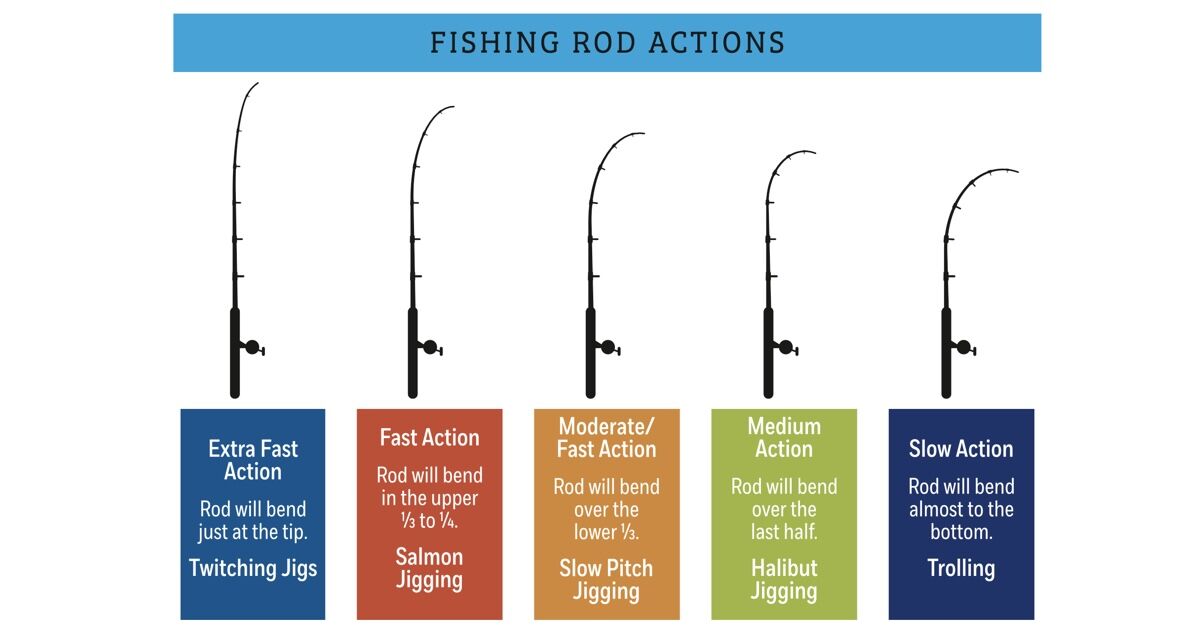
Rod action is how much and where the rod bends. Fast action rods bend near the tip. Slow action rods bend more along the rod.
Fast action rods give better hook setting and control. Slow action rods are good for casting light lures and fighting fish gently.
- Fast action: bends near the tip, good for quick hook sets
- Medium action: bends middle of the rod, balanced use
- Slow action: bends whole rod, good for gentle fights
Material And Build
Choosing the right fishing rod depends a lot on its material and build. These factors affect strength, weight, and feel.
Knowing the differences helps you pick a rod that matches your fishing style and needs.
Graphite Vs. Fiberglass
Graphite rods are light and sensitive. They let you feel bites better. They are strong but can break if bent too much.
Fiberglass rods are heavier and less sensitive. They are very tough and bend without breaking. They work well for rough fishing.
- Graphite: light, sensitive, strong but fragile
- Fiberglass: heavy, durable, flexible but less sensitive
Composite Rods
Composite rods mix graphite and fiberglass. They balance strength and sensitivity. These rods feel lighter than fiberglass but tougher than graphite.
They suit many fishing styles and offer good value for most anglers.
- Combine lightness and durability
- Good for versatile fishing needs
- Less likely to break than pure graphite
Handle Types And Comfort
Handles affect how the rod feels in your hands. Comfortable handles let you fish longer without pain.
Common handle materials are cork and EVA foam. Cork feels natural and light. EVA foam is soft and lasts longer in wet conditions.
- Cork: lightweight, comfortable, can wear over time
- EVA Foam: soft, durable, good for wet use
- Handle shape and size also affect grip and comfort

Credit: blog.shopgoodwill.com
Fishing Environment
Choosing the right fishing rod depends on the environment you will fish in. Different settings need different types of rods.
Consider where you fish most often and what kind of water you will fish in. This will help you pick the best rod.
Freshwater Vs. Saltwater
Freshwater and saltwater fishing require rods made to handle different conditions. Saltwater rods are stronger and resist corrosion.
Freshwater rods tend to be lighter and more flexible. They suit lakes, rivers, and ponds where fish are smaller.
- Saltwater rods use corrosion-resistant materials
- Freshwater rods focus on sensitivity and light weight
- Saltwater rods are usually heavier and longer
Shore, Boat, Or River Fishing
Your fishing location affects rod length and power. Shore fishing needs longer rods for casting far.
Boat fishing rods are shorter for easier handling in tight spaces. River fishing rods balance length and strength.
- Shore rods: long and flexible for distance
- Boat rods: shorter with strong backbone
- River rods: medium length with good control
Target Species Considerations
Think about the fish you want to catch. Bigger fish need stronger rods with more power.
Smaller fish need light rods that offer good sensitivity. Choose rods that match the size and fight of the species.
- Light rods for small fish like trout or panfish
- Medium rods for bass or walleye
- Heavy rods for big fish like catfish or saltwater species
Reel Compatibility
Choosing the right fishing rod means matching it well with your reel. The reel and rod must work together for better fishing.
This guide explains how to check reel compatibility with your rod. It covers reel types, weight matching, and reel seat features.
Spinning Vs. Baitcasting Reels
Spinning and baitcasting reels fit different rods. Spinning reels hang under the rod, while baitcasting reels sit on top.
Rods made for spinning reels have larger guides near the handle. Baitcasting rods have smaller guides to handle line better.
- Spinning rods have a larger line guide closest to the reel
- Baitcasting rods have smaller, more guides along the rod
- Use the correct rod type for your reel to avoid problems
Matching Rod And Reel Weight
The rod and reel should balance well. A heavy reel on a light rod can feel awkward and tire your arm.
Check the reel’s weight and pick a rod that supports it. Balanced gear helps with casting and control.
- Heavier reels need stronger, heavier rods
- Lighter reels match best with light rods
- Balance reduces strain and improves fishing comfort
Reel Seat Features
The reel seat holds the reel on the rod. It must fit your reel snugly to keep it secure.
Look for reel seats with good grips and strong locking mechanisms. This stops the reel from moving during use.
- Choose reel seats that match your reel foot size
- Locking nuts keep the reel tight on the rod
- Comfortable reel seats improve handling and control
Budget And Quality
Choosing the right fishing rod depends on your budget and the quality you need. A good rod lasts longer and performs better.
It is important to find a balance between how much you spend and the durability of the rod.
Balancing Cost And Durability
Fishing rods come in different prices and materials. Cheaper rods may not last long or handle big fish well.
Expensive rods use stronger materials but cost more. Look for rods that offer good strength for the price.
- Fiberglass rods are cheaper and flexible but less durable.
- Graphite rods are lighter and stronger but cost more.
- Composite rods mix materials to balance price and quality.
Top Brands To Consider
Some brands are known for making quality rods at fair prices. Choosing a trusted brand can save you money in the long run.
- St. Croix offers durable rods for many budgets.
- Ugly Stik rods are affordable and very tough.
- Shimano makes rods with good technology and quality.
- Fenwick provides reliable rods with a good reputation.
When To Upgrade Your Rod
Upgrade your rod if it breaks often or feels weak. A worn rod can make fishing harder and less fun.
Consider a new rod if you want to try bigger fish or different fishing styles. Better rods improve your chances to catch fish.
- Your rod has cracks or loose parts.
- The rod is too heavy or stiff for your fishing.
- You want to fish in new waters with bigger fish.
- You need better control or longer casts.
Maintenance And Care
Taking care of your fishing rod keeps it working well for a long time. Simple maintenance stops damage and wear.
Regular cleaning and proper storage help your rod stay in good shape. These habits save money and effort.
Cleaning Tips
Clean your fishing rod after every use. Salt, dirt, and debris can harm the rod’s parts.
Use fresh water and a soft cloth to wipe the rod gently. Avoid harsh chemicals that may damage it.
- Rinse rod with fresh water to remove salt and dirt
- Use mild soap and a soft cloth for stubborn spots
- Dry rod completely to prevent rust or corrosion
- Check guides and reel seat for damage while cleaning
Storage Best Practices
Store your fishing rod in a dry, cool place away from direct sunlight. Heat and moisture can weaken rod materials.
Keep rods upright or in a rod rack to avoid bending or warping. Do not lean rods against walls for long periods.
- Use a rod sleeve or tube to protect from dust and damage
- Avoid storing rods near chemicals or heavy objects
- Make sure the rod is completely dry before storing
- Keep away from extreme temperatures and humidity
Extending Rod Lifespan
Handle your fishing rod with care to avoid cracks and breaks. Use both hands when carrying long rods.
Inspect your rod regularly for signs of wear. Fix small problems early to prevent bigger damage later.
- Tighten reel seat and check guides often
- Replace damaged line guides or grips promptly
- Use the rod only for its intended type of fishing
- Avoid dropping or striking the rod against hard surfaces

Credit: fishingbooker.com
Frequently Asked Questions
What Factors Determine The Best Fishing Rod?
Choosing the best fishing rod depends on the type of fish you target, the fishing environment, and your skill level. Consider the rod’s material, length, power, and action. Each factor affects performance and suitability for specific fishing techniques. Ensure the rod matches your personal preferences and fishing style.
How Do I Choose A Fishing Rod Length?
The right fishing rod length depends on your fishing location and style. Short rods, under 6 feet, are great for close-quarters fishing and accuracy. Longer rods, over 7 feet, offer greater casting distance and leverage. Consider your environment and target species when choosing the rod length that best suits your needs.
What Is The Significance Of Rod Action?
Rod action describes how much and where a rod bends. Fast-action rods bend near the tip, offering sensitivity and quick response. Medium-action rods bend in the middle, providing a balance of power and flexibility. Slow-action rods bend near the handle, ideal for casting light lures and achieving longer casts.
How Does Rod Power Affect Fishing?
Rod power refers to the rod’s resistance to bending. Light power rods are suitable for small fish and light lines. Medium power rods offer versatility for different fish sizes. Heavy power rods handle large fish and heavy lines. Match rod power with your target species and desired fishing techniques.
Conclusion
Choosing the right fishing rod makes your fishing trips more fun. Consider rod length, power, and action carefully. Match your rod to the type of fish you want to catch. Don’t forget to think about your budget and comfort. A good rod feels right in your hands and suits your style.
Take time to test different rods before buying. This helps you find the perfect fit. Enjoy fishing with the rod that works best for you. Keep learning and trying new gear to improve. Happy fishing!