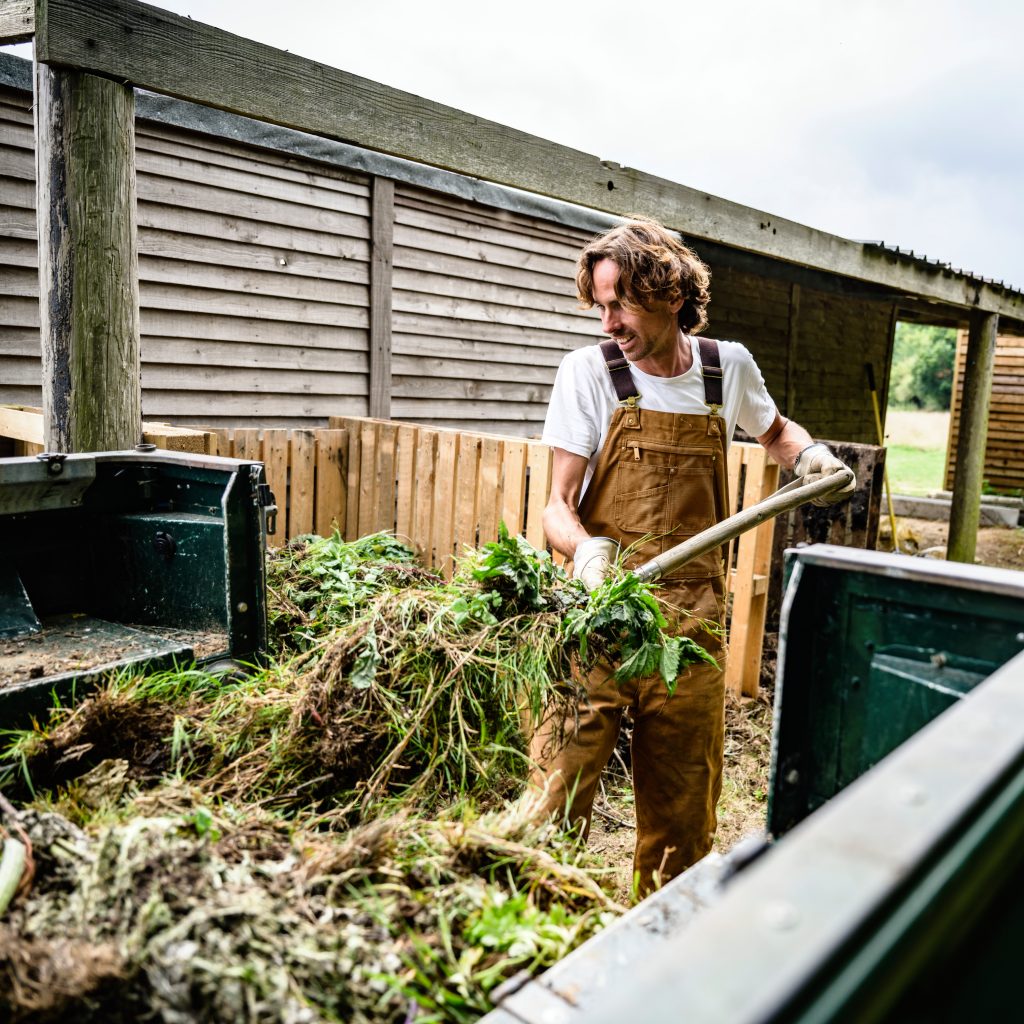
If you want your compost bin to work efficiently and smell fresh, regular cleaning is key. You might wonder how to clean a compost bin without making a mess or harming the beneficial microbes inside.
The good news? It’s easier than you think. You’ll discover simple, step-by-step tips to keep your compost bin healthy and odor-free. By the end, you’ll feel confident turning your kitchen scraps into rich, nutritious soil without any hassle. Ready to get started?
Let’s dive in!
Credit: soilssolutions.com
Choosing The Right Compost Bin
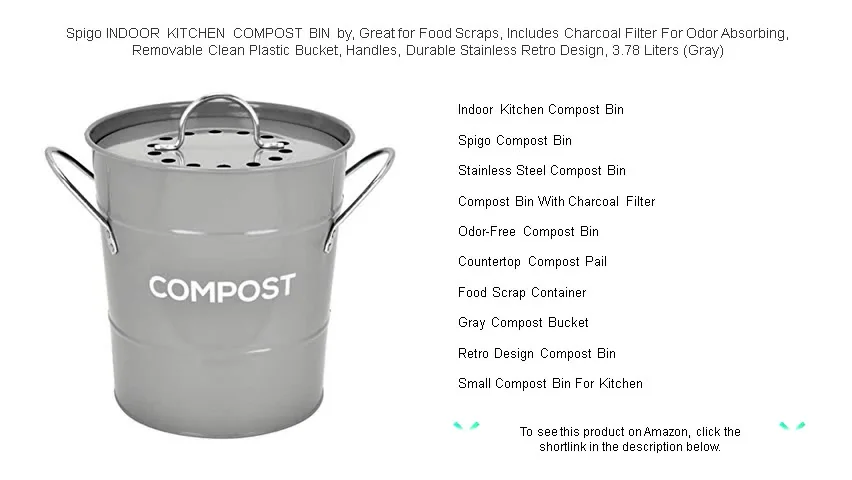
Cleaning a compost bin is easier when you pick the right one. The right bin helps keep your compost fresh and reduces bad smells. It also fits your space and compost needs well.
Consider different types, materials, and sizes before you buy. This guide will help you choose a compost bin that works best for you.
Types Of Compost Bins
You can find many kinds of compost bins. Each type has its own benefits. Some work better for small spaces, others for large gardens.
- Plastic Bins:Lightweight and easy to move. They often have lids to keep pests out.
- Wooden Bins:Natural look and good airflow. They can break down over time.
- Tumbler Bins:Spin to mix compost quickly. Good for fast composting and small spaces.
- Wire Bins:Open design allows air flow. Best for dry materials and quick drying.
Materials That Resist Odors
Odors come from moisture and waste buildup. Some materials help reduce these smells better than others. Choosing the right material keeps your compost bin fresh and clean.
| Material | Odor Resistance | Durability |
| Plastic | High | High |
| Metal | Medium | High |
| Wood | Low | Medium |
| Wire Mesh | Low | Low |
Size And Ventilation Considerations
Choose a bin size that fits your compost volume. Too small means you will empty it often. Too large may slow composting.
- Small bins suit balcony or small gardens.
- Medium bins fit most backyard composting needs.
- Large bins are for big gardens or heavy composting.
- Good ventilation helps air flow and speeds composting.
- Bins with holes or vents reduce bad smells and moisture.
Credit: www.texasdisposal.com
When To Clean Your Compost Bin
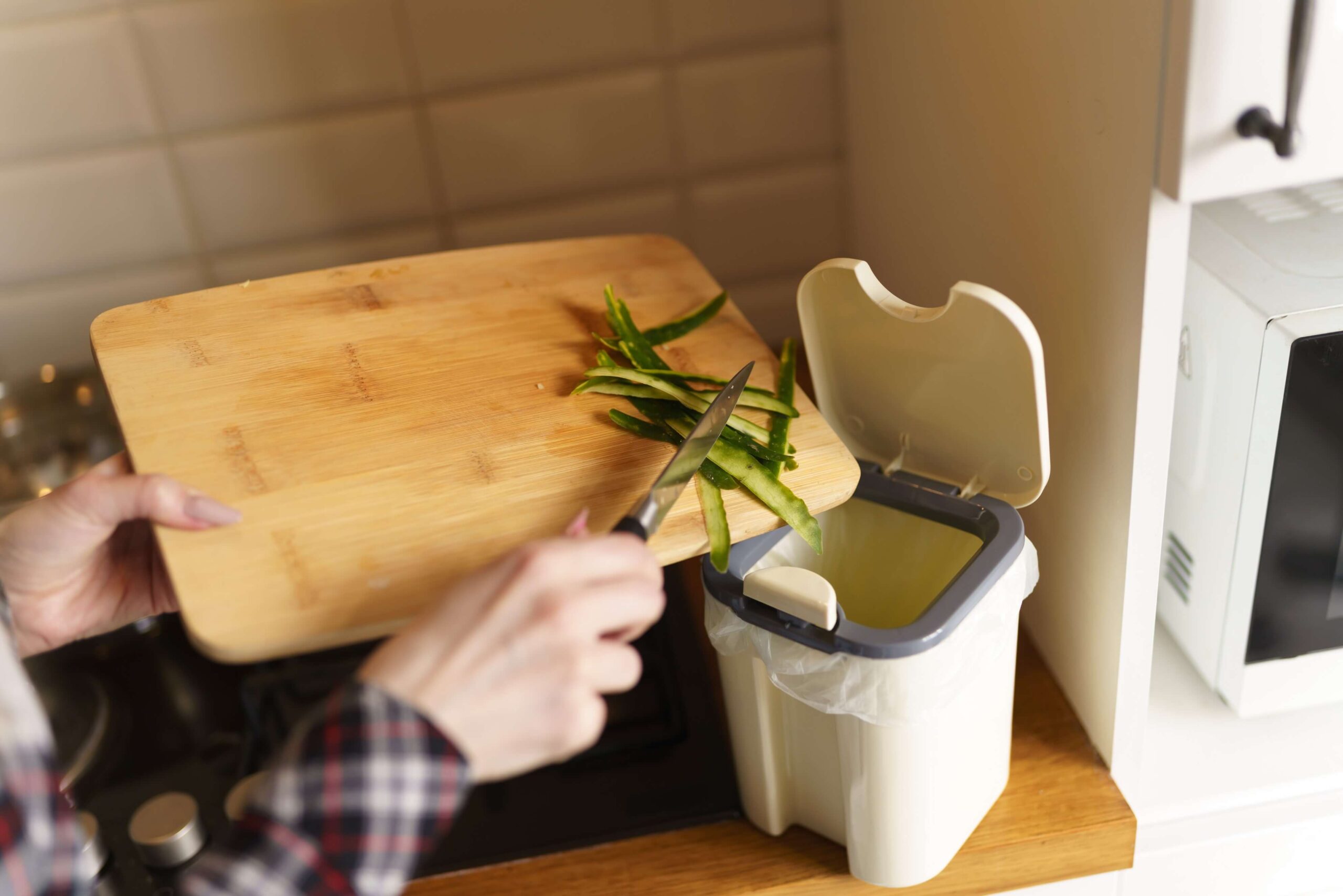
Keeping your compost bin clean helps it work well. Dirt and smells can stop composting.
Knowing when to clean your bin keeps it healthy and ready for new scraps.
Signs Of A Dirty Bin
You can tell your bin needs cleaning by these signs:
- Bad smells that last long
- Lots of fruit flies or bugs inside
- Wet, slimy compost at the bottom
- Slow breakdown of compost materials
- Overflowing or compacted waste
Frequency Of Cleaning
How often you clean depends on bin size and use. Here is a simple guide:
| Bin Size | Use Level | Cleaning Frequency |
| Small (Under 10 gallons) | Light use | Every 3 months |
| Small | Heavy use | Every 1-2 months |
| Medium (10-30 gallons) | Light use | Every 2 months |
| Medium | Heavy use | Monthly |
| Large (Over 30 gallons) | Any use | Every 1-3 months |
Seasonal Cleaning Tips
Seasons affect compost bin cleaning. Follow these tips for each season:
- Spring:Clean well after winter to remove old waste.
- Summer:Check often for smells and bugs. Clean if needed.
- Fall:Remove fallen leaves and add fresh materials.
- Winter:Limit cleaning but remove frozen or wet waste.
Preparing For Cleaning
Cleaning your compost bin is important for maintaining hygiene. Let’s get it ready for the next load of organic waste.
Before you start, make sure you have all the necessary supplies and know how to handle the materials safely.
Gathering Cleaning Supplies
You will need a few basic items to clean your compost bin properly. Gather these supplies before you begin.
- Gloves to protect your hands
- Scrub brush for tough spots
- Garden hose for rinsing
- Eco-friendly cleaner
Emptying The Bin Safely
When emptying the bin, make sure to do it safely to avoid any accidents or spills.
Ensure that the compost is fully decomposed before emptying. If it is not, allow more time for decomposition.
Handling Compost Material
Proper handling of compost material is crucial for safety and effectiveness.
| Material | Action |
| Fresh compost | Transfer to garden |
| Unfinished compost | Leave in bin |
| Debris | Dispose properly |
Step-by-step Cleaning Process
Cleaning your compost bin keeps it fresh and helps it work better. Regular cleaning stops bad smells and pests.
This guide shows simple steps to clean your bin safely and naturally.
Removing Debris And Scrubbing
First, remove all leftover compost and debris from the bin. Use a small shovel or your hands with gloves.
Next, scrub the inside with a stiff brush to get rid of stuck dirt and residue.
- Wear gloves to protect your hands
- Remove all compost materials
- Scrub walls and bottom thoroughly
- Focus on corners where dirt builds up
Using Natural Cleaning Solutions
Use natural cleaners to avoid harming the environment. Mix water with white vinegar or baking soda.
Spray or pour the solution on the bin’s surface. Let it sit for a few minutes before scrubbing again.
- Mix 1 part vinegar with 3 parts water
- Or sprinkle baking soda on the surface
- Use a brush to scrub after applying solution
- Rinse well with clean water
Drying The Bin Completely
After cleaning, dry the bin fully to stop mold and bad smells. Leave it in the sun or use a towel.
Make sure no moisture remains inside before adding new compost material.
- Place the bin upside down for water to drain
- Leave it in sunlight for a few hours
- Wipe with a dry cloth if needed
- Check for damp spots before use
Preventing Odors In Your Compost Bin
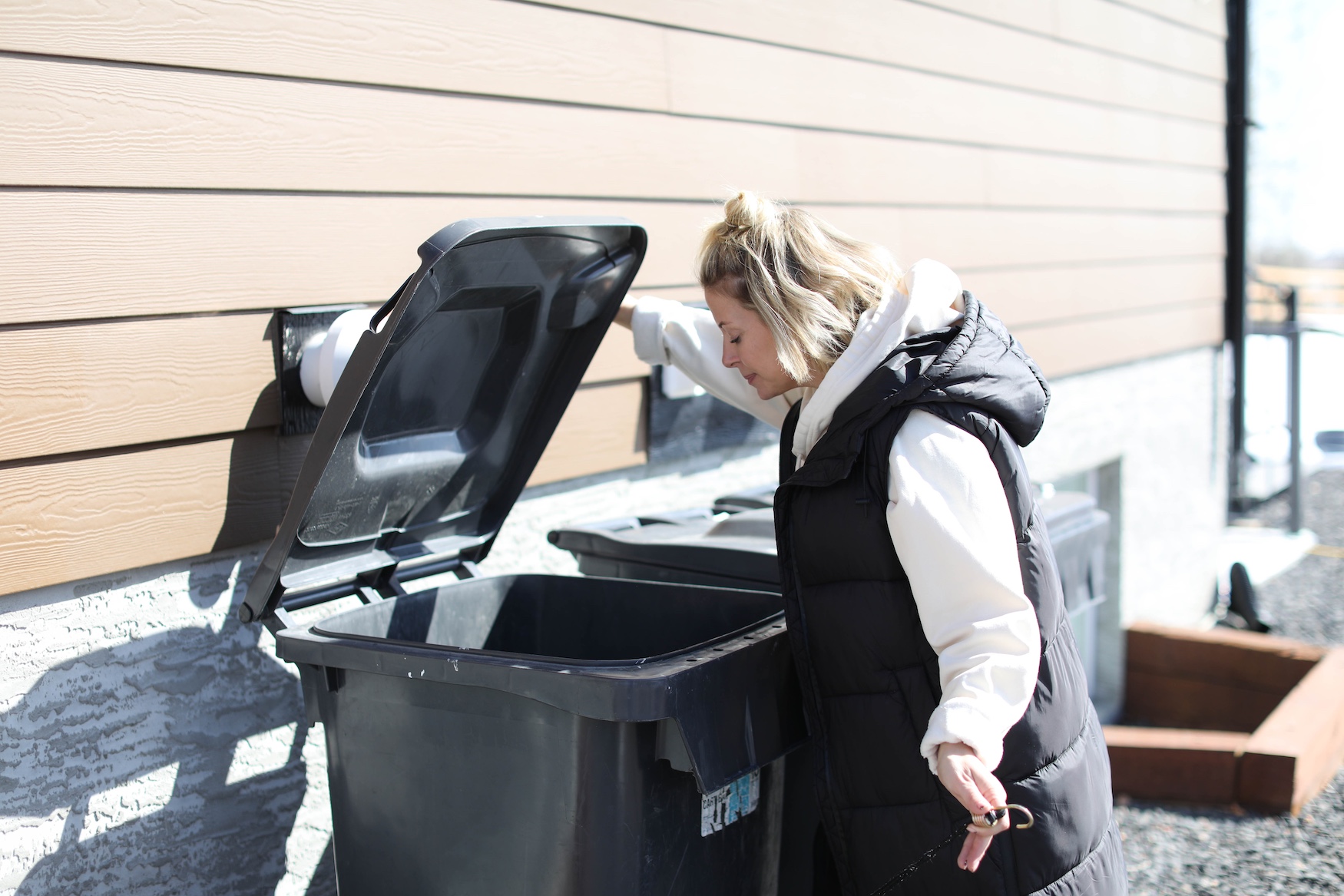
Keeping your compost bin smelling fresh is important. Bad odors can make composting unpleasant.
Proper care helps prevent smells and creates healthy compost. You can stop odors by managing materials well.
Balancing Greens And Browns
Compost needs a good mix of green and brown materials. Greens are wet and rich in nitrogen.
Browns add carbon and help dry out the pile. Too many greens cause bad smells.
- Examples of greens: vegetable scraps, coffee grounds, grass clippings
- Examples of browns: dry leaves, cardboard, straw
- A good ratio is about 2 parts browns to 1 part greens
Proper Aeration Techniques
Air helps compost break down without smelling bad. Without air, compost turns smelly and wet.
Turn your compost regularly to add oxygen. Use tools like a pitchfork or compost aerator.
- Mix the pile every one to two weeks
- Break up clumps to let air flow
- Keep the pile fluffy, not packed
Adding Odor Absorbers
Some materials help soak up smells in your compost bin. These help keep odors low.
Adding odor absorbers like baking soda or finished compost can reduce bad smells.
- Sprinkle baking soda lightly on the compost surface
- Add dry materials like shredded newspaper or sawdust
- Use finished compost to balance moisture and smell
Credit: www.housework.com
Maintaining A Fresh Compost Bin
Keeping your compost bin fresh helps it break down waste faster. A fresh bin also stops bad smells and pests.
Simple habits can keep your compost healthy and ready to use in your garden.
Regular Turning And Mixing
Turning your compost every few days adds air and speeds up decomposition. It stops the compost from smelling bad.
- Use a pitchfork or compost aerator to turn the pile.
- Mix the top and bottom layers well.
- Turn more often if the compost feels wet or smells strong.
- Less turning is needed if your bin is small or dry.
Avoiding Excess Moisture
Too much water makes compost soggy and slow. It can cause bad odors and attract flies.
| Signs of Too Much Moisture | How to Fix |
| Water pooling on top | Drain excess water and cover bin |
| Compost smells sour | Turn compost to add air |
| Pile feels heavy and wet | Add dry materials like leaves or paper |
Quick Cleanups Between Uses
Cleaning your compost bin often keeps it fresh. Remove old food scraps that do not break down well.
- Wipe the bin edges and lid with a cloth or brush.
- Remove any pests or mold you see.
- Use a mild vinegar spray to clean the inside if needed.
- Keep the bin covered to avoid rainwater adding moisture.
Troubleshooting Common Problems
Cleaning a compost bin helps keep it healthy and working well. Some problems may appear while you use it.
Fixing these issues quickly stops bad smells, pests, and mold. Here are ways to handle common problems.
Dealing With Persistent Odors
Strong smells can happen if the compost is too wet or has too much food waste. These smells attract pests and make using the bin unpleasant.
To reduce odor, add dry brown materials like leaves or shredded paper. Turn the compost often to add air and help it dry out.
- Add dry materials to balance wet waste
- Turn compost at least once a week
- Avoid adding meat, dairy, or oily foods
- Keep the compost covered but ventilated
Pest Prevention Tips
Pests like rodents and flies can invade a compost bin. They come looking for food scraps and shelter.
Keep pests out by using a bin with a tight lid. Do not add meat or dairy, which attract animals. Bury food scraps under dry leaves or soil.
- Use bins with secure lids and vents
- Do not add meat, bones, or dairy
- Cover food scraps with dry brown material
- Keep the area around the bin clean
Handling Mold And Fungus
Mold and fungus are normal in compost but can become a problem if they grow too much. They usually appear when the bin is too wet or lacks air.
Fix this by turning the compost more often and adding dry materials. Remove any slimy or smelly parts. Mold on the bin walls can be cleaned with a brush and water.
- Turn compost regularly to add air
- Add dry leaves or paper to reduce moisture
- Remove slimy, smelly compost parts
- Clean bin walls with water and a brush
Frequently Asked Questions
How Often Should I Clean My Compost Bin?
Clean your compost bin every 3 to 6 months. Regular cleaning prevents odors and pests. It also maintains healthy decomposition and compost quality.
What Materials Are Safe For Cleaning Compost Bins?
Use mild soap, water, and a scrub brush. Avoid harsh chemicals that can harm beneficial microbes. Vinegar and baking soda are natural, safe options.
Can I Use Bleach To Clean A Compost Bin?
Avoid bleach as it kills helpful bacteria. It disrupts the composting process and harms soil health. Opt for eco-friendly cleaning methods instead.
How Do I Remove Bad Odors From A Compost Bin?
Sprinkle baking soda or add dry leaves and newspaper. Proper aeration and balanced green-brown materials reduce smells. Clean the bin regularly to prevent odors.
Conclusion
Cleaning your compost bin keeps it healthy and odor-free. Regular cleaning helps stop pests and speeds up composting. Use simple tools and mild soap for best results. Rinse well and let the bin dry completely. A clean bin means better soil for your garden.
Start this easy habit today for greener plants tomorrow. Small efforts bring big benefits to your composting routine. Keep your bin fresh and enjoy natural fertilizer at home.