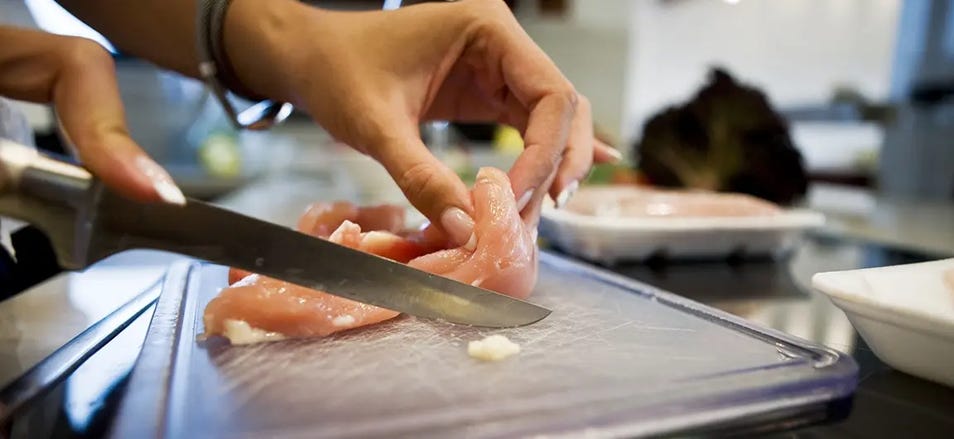
You’ve just finished cutting raw chicken, and now your cutting board is covered with bacteria that can make you sick if not cleaned properly. Do you know the best way to clean your cutting board to keep your kitchen safe?
If you want to protect yourself and your family from harmful germs, you need to follow the right steps every time. You’ll discover simple and effective methods to clean your cutting board after handling chicken. Keep reading to learn how to make your kitchen safer with just a few easy actions.
Importance Of Cleaning Cutting Boards
Cutting boards can hold harmful germs after cutting raw chicken. Cleaning them well stops these germs from spreading.
Keeping your cutting board clean helps protect your family from food poisoning. It keeps your kitchen safe and healthy.
Preventing Cross-contamination
Raw chicken can carry bacteria like salmonella. These bacteria can spread to other foods on the cutting board.
Cleaning the board removes bacteria and stops germs from moving to vegetables or cooked food.
Maintaining Food Safety
Food safety is important to avoid illness. A clean cutting board helps keep your food safe to eat.
Washing boards after chicken reduces the risk of stomach bugs and infections.
Extending Cutting Board Life
Dirt and bacteria can damage the cutting board over time. Cleaning it stops stains and smells from building up.
Proper care keeps your board in good shape for longer use.
Materials Needed For Cleaning
Cleaning a cutting board after cutting chicken is important to keep your kitchen safe. Using the right materials helps remove bacteria and stains well.
Here is a list of materials you will need to clean your cutting board properly after handling chicken.
Soap And Warm Water
Mild dish soap works best to remove grease and food particles from the board. Warm water helps to rinse away dirt and soap residue.
Scrub Brush Or Sponge
A scrub brush or sponge helps clean the board’s surface well. Choose one that is firm enough to remove stains but gentle enough not to damage the board.
White Vinegar Or Bleach Solution
White vinegar kills many germs naturally. A diluted bleach solution is also effective in sanitizing the board after washing.
- White vinegar
- Water
- Household bleach (unscented)
Drying Tools
Use a clean towel or paper towels to dry the board. Air drying on a rack is also a good option to prevent moisture build-up.
| Material | Purpose |
|---|---|
| Dish Soap | Remove grease and food particles |
| Warm Water | Rinse away dirt and soap |
| Scrub Brush or Sponge | Scrub surface clean |
| White Vinegar | Natural disinfectant |
| Bleach Solution | Sanitize board |
| Towel or Paper Towels | Dry board |
Rinsing The Board
Rinsing the cutting board after using chicken is very important. It helps remove raw chicken juices and small food bits.
Proper rinsing reduces bacteria and keeps your kitchen safe from contamination.
Use Warm Water
Start rinsing the board under warm running water. Warm water helps loosen food particles and fat from the surface.
Rinse Thoroughly
Make sure to rinse all sides of the cutting board. Pay extra attention to the edges and corners where juices can hide.
- Hold the board at an angle to drain liquids
- Use your hand or a brush to rub off stuck bits
- Rinse until water runs clear
Avoid Cross-contamination
Rinse the chicken cutting board separately from other dishes. Keep raw chicken juices away from clean utensils and food.
Tip:Always rinse the board immediately after cutting chicken. This stops bacteria from drying and sticking to the surface.
Credit: www.foodnetwork.com
Using Hot Soapy Water
Cleaning a cutting board after cutting chicken is important to stop germs. Hot soapy water helps remove bacteria well.
This cleaning method is simple and works for most cutting boards. It keeps your kitchen safe and fresh.
Prepare The Cleaning Area
Clear your sink or wash basin before washing the board. Use warm water to help dissolve grease and dirt.
Make sure you have dish soap ready. Choose a soap that cuts through fat and kills germs.
Wash The Cutting Board Thoroughly
Use a sponge or brush to scrub the board with hot soapy water. Clean all sides, including edges and grooves.
Scrub for at least 20 seconds to remove chicken juices and bacteria well.
- Use hot water (above 110°F or 43°C)
- Apply plenty of dish soap
- Scrub all surfaces carefully
- Focus on cuts and crevices
Rinse And Dry The Board
Rinse the cutting board with hot clean water. Make sure no soap or food remains on the surface.
Dry the board with a clean towel or let it air dry standing up. This stops bacteria from growing in moisture.
Additional Tips For Safety
Use a separate cutting board for raw chicken to avoid cross-contamination. Clean it right after use with hot soapy water.
Replace boards that have deep grooves or cracks. These spots can hide bacteria even after washing.
- Always wash boards after chicken use
- Use hot water and soap each time
- Dry boards fully before storing
- Replace damaged boards promptly
Sanitizing The Surface
Cleaning a cutting board after using raw chicken is important. You must kill harmful germs to keep food safe.
Sanitizing the surface helps stop bacteria from spreading to other foods. Use safe and effective methods for cleaning.
Bleach Solution Method
Create a bleach solution by mixing one tablespoon of bleach with one gallon of water. This solution kills most bacteria on the board.
- Wash the cutting board with soap and hot water first.
- Rinse the board well to remove soap.
- Apply the bleach solution over the entire surface.
- Let it sit for a few minutes, usually about 5 minutes.
- Rinse the board again with clean water.
- Dry the board with a clean towel or air dry.
Vinegar And Baking Soda Alternative
Vinegar and baking soda are natural cleaners that can also sanitize your cutting board safely.
| Ingredient | Purpose |
|---|---|
| White Vinegar | Kills bacteria with acidity |
| Baking Soda | Removes stains and odors |
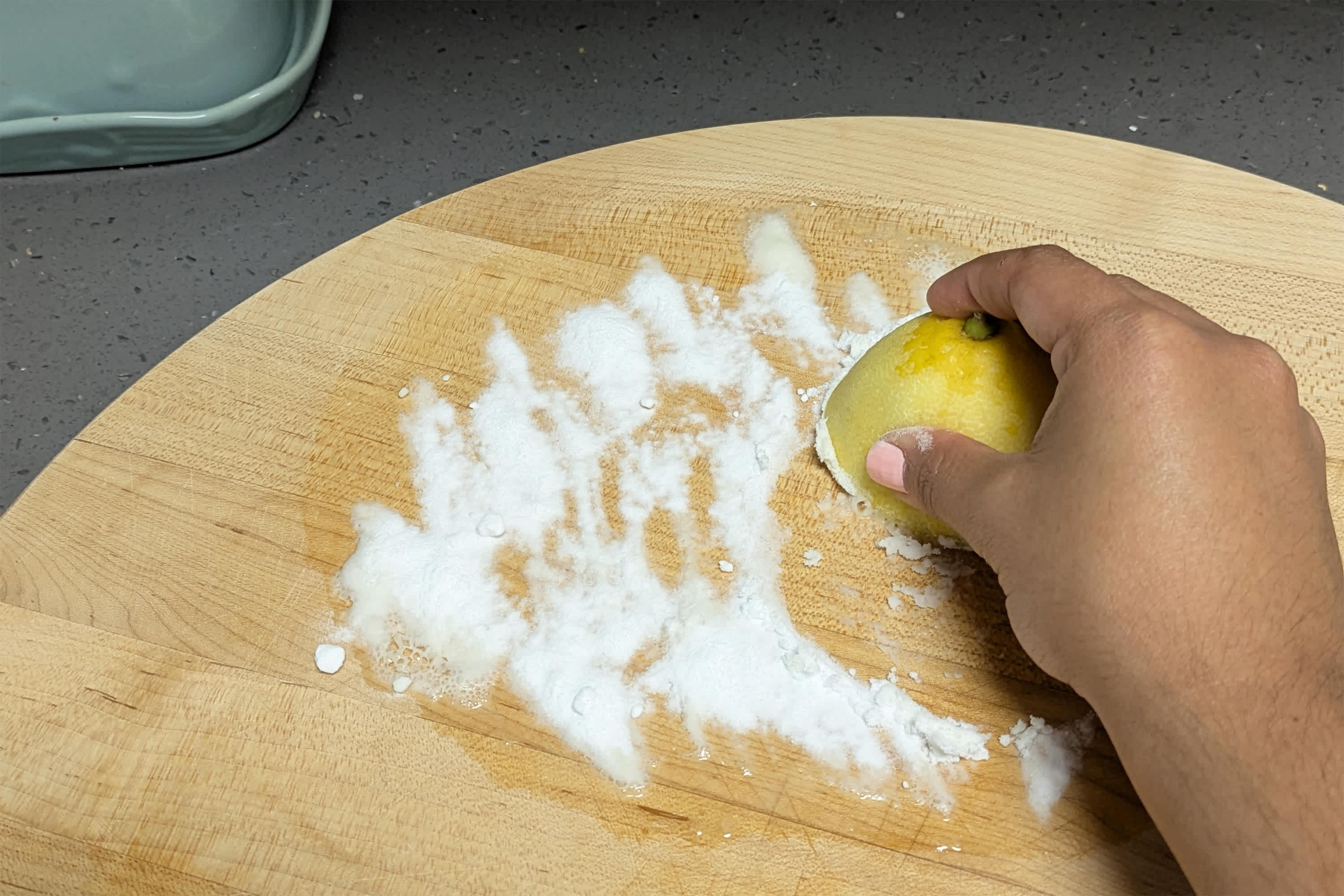
To use this method, sprinkle baking soda on the wet board. Then spray or pour vinegar over it. Let it fizz and sit for 10 minutes. Rinse well with water and dry.
Credit: www.thekitchn.com
Drying The Board Properly
Drying your cutting board after cleaning is very important. A wet board can grow bacteria and damage the wood or plastic.
Proper drying helps keep the board safe and lasts longer. Use the right methods to dry the board well.
Air Drying On A Rack
Place the cutting board upright on a drying rack. This lets air flow on all sides and helps the board dry faster.
Avoid stacking the board flat on the counter. This traps moisture and slows drying.
Use A Clean Towel For Quick Drying
After washing, wipe the board with a clean, dry towel. This removes most water quickly.
Make sure to use a dry towel to avoid adding more moisture.
Avoid Using Heat Sources
Do not dry your cutting board with a hairdryer or place it near a heater. Heat can cause cracks or warping.
Let the board dry naturally for the best results.
Tips For Drying Different Board Materials
| Material | Drying Method | Notes |
| Wood | Air dry upright | Keep away from direct sunlight |
| Bamboo | Air dry, towel wipe | Can crack if too dry |
| Plastic | Towel dry or air dry | Can be placed flat after drying |
| Glass | Towel dry | Dries quickly, no special care |
Tips For Preventing Cross-contamination
Cleaning your cutting board after handling raw chicken is very important. It helps stop bacteria from spreading. This guide gives simple tips to keep your kitchen safe.
Cross-contamination can cause foodborne illnesses. Use these tips to protect your family and yourself while cooking.
Use Separate Cutting Boards
Always use a different cutting board for raw chicken. Do not mix it with boards used for vegetables or cooked food. This reduces the chance of germs spreading.
Clean Thoroughly With Hot, Soapy Water
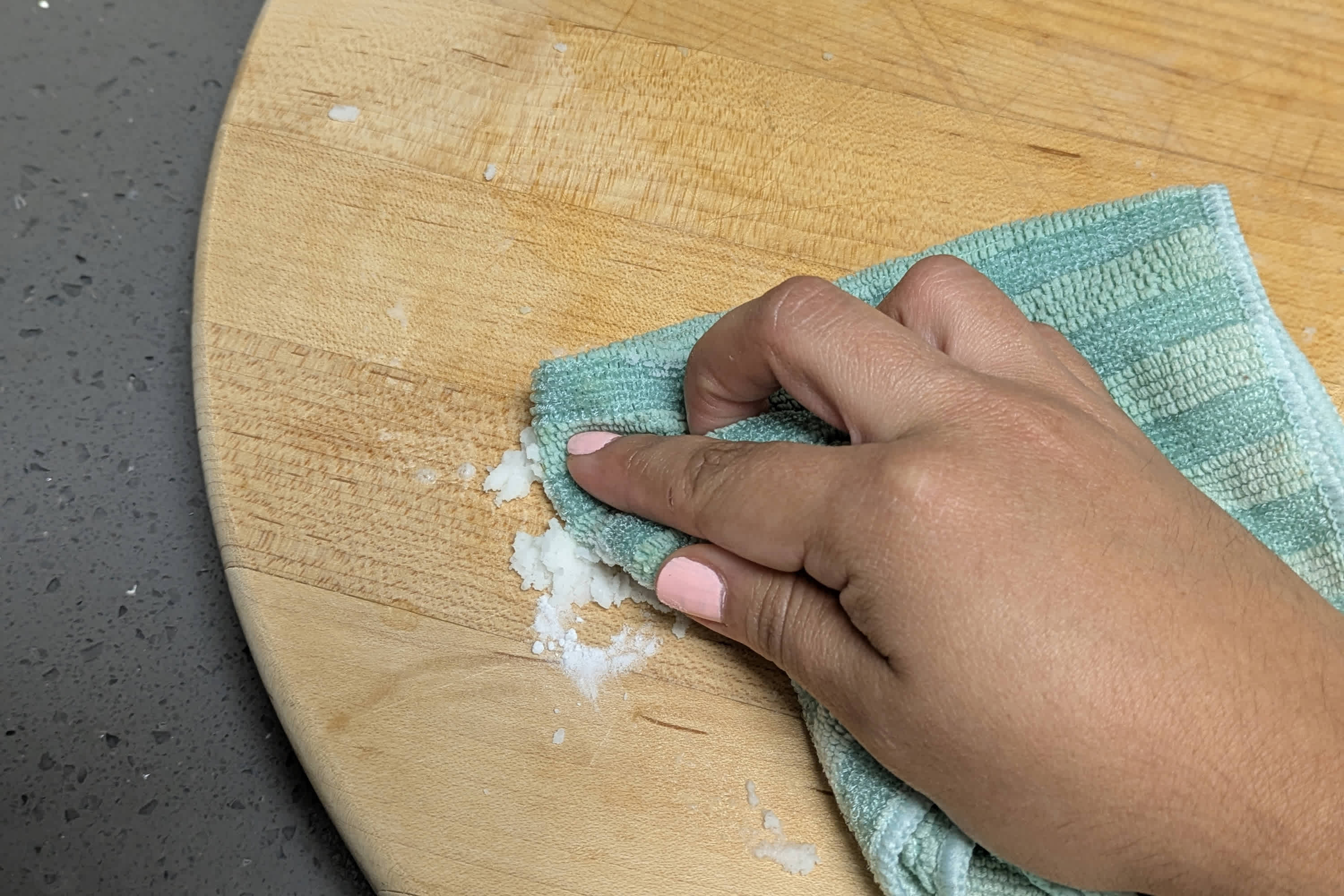
Wash your cutting board with hot water and soap right after cutting chicken. Scrub all surfaces well to remove bacteria and food residue.
Sanitize Your Cutting Board
- Mix one tablespoon of bleach with one gallon of water.
- Apply the solution to the cutting board surface.
- Let it sit for a few minutes to kill bacteria.
- Rinse the board well with clean water.
- Allow it to air dry completely before next use.
Inspect And Replace Cutting Boards
Check your cutting boards regularly for deep cuts or cracks. These can hide bacteria and make cleaning hard. Replace boards that are heavily worn or damaged.
Keep Knives And Hands Clean
| Action | Why It Helps |
| Wash hands before and after handling chicken | Stops germs from spreading to other surfaces |
| Clean knives with hot, soapy water after use | Removes bacteria from cutting tools |
| Use separate knives for raw meat and other foods | Prevents cross-contamination between foods |
Credit: www.thekitchn.com
When To Replace Your Cutting Board
Cleaning your cutting board after cutting chicken is very important. But sometimes, cleaning is not enough. You may need to replace your cutting board to keep your kitchen safe.
Using an old or damaged cutting board can cause bacteria to grow. This can make your food unsafe to eat. Here are signs that show it is time to replace your cutting board.
Deep Cuts And Grooves
Cutting boards with deep cuts or grooves can trap bacteria. These places are hard to clean well. Over time, bacteria can build up and cause food poisoning.
If your cutting board has many deep scratches, it is safer to replace it. A smooth surface is easier to clean and safer to use.
Stains And Odors That Won’t Go Away
Sometimes cutting boards keep stains or smells even after washing. This means the board has absorbed juices from raw chicken. This can be dangerous for your health.
If stains and odors stay after cleaning, it is time to get a new cutting board. This helps prevent bacteria from spreading.
Warping Or Cracking
Warped or cracked cutting boards can hold water inside. This wet area is perfect for bacteria to grow. Cracks also make the board unsafe and hard to clean.
Replace your cutting board if you see warping or cracks. This keeps your kitchen clean and safe for food preparation.
Excessive Wear And Tear
Cutting boards that are very worn down may not work well. They can slip while cutting or break easily. This can cause accidents in the kitchen.
Look for signs like thinning, rough edges, or broken parts. Replace the board to keep your cutting safe and stable.
Frequently Asked Questions
How Do I Disinfect A Cutting Board After Chicken?
To disinfect, wash the board with hot, soapy water first. Then, apply a bleach solution (1 tablespoon bleach per gallon of water). Let it sit for a few minutes before rinsing thoroughly. This kills harmful bacteria and prevents cross-contamination.
Can I Use Vinegar To Clean Cutting Boards?
Yes, vinegar is a natural disinfectant. After washing, spray white vinegar on the board. Let it sit for 5 minutes, then rinse. Vinegar helps remove odors and kills some bacteria effectively.
Is It Safe To Clean Wooden Cutting Boards With Bleach?
Yes, but use bleach sparingly. Dilute bleach properly and avoid soaking the wood. Rinse well and air dry. Overuse can damage wood, so disinfect only when necessary to keep your board safe and durable.
How Often Should I Sanitize My Cutting Board After Chicken?
Sanitize your cutting board every time after cutting raw chicken. This prevents bacteria buildup and cross-contamination. Regular cleaning keeps your kitchen safe and your food healthy.
Conclusion
Cleaning your cutting board after chicken keeps your kitchen safe. Wash it with hot, soapy water right after use. Use a scrub brush to remove all bits of meat. Rinse well and dry the board completely. You can also use vinegar or bleach for extra cleaning.
This stops bacteria from growing. Always clean your board carefully to avoid sickness. A clean cutting board means healthier meals for everyone. Keep these steps simple and follow them every time. Your kitchen will stay clean and safe for cooking.