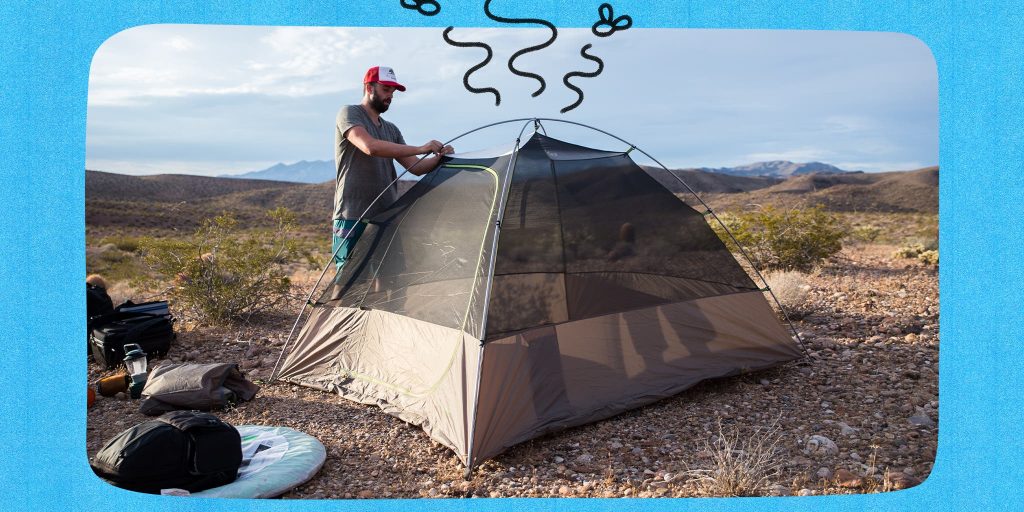
Is your tent smelling musty and unpleasant? A damp, smelly tent can ruin your camping experience before it even begins.
You don’t have to toss it out or buy a new one. With the right steps, you can bring your tent back to life and enjoy fresh, clean shelter on your next trip. Keep reading, and you’ll discover simple, effective ways to clean that musty smell away—so your tent feels like new again.

Credit: hot-tent.com
Causes Of Musty Smell
A musty smell in a tent happens because of certain problems. These problems cause bad odors and make camping less fun.
Understanding why your tent smells helps you clean it better and avoid the smell again.
Moisture And Mold Growth
Moisture is the main cause of a musty smell in tents. Water from rain or wet ground can get inside the tent.
When moisture stays in the tent fabric, mold and mildew start to grow. These fungi create the bad smell.
- Rainwater or dew inside the tent
- Wet clothes or gear left inside
- Poor ventilation causing damp air
- Long storage with moisture present
Storage Mistakes
Storing a tent wrong can lead to musty smells. If the tent is packed wet or stored in a damp place, it will smell bad later.
Tents need to be dry and kept in a clean, dry spot to stop smell and mold growth.
- Packing the tent before it dries fully
- Storing in basements or garages with high humidity
- Leaving the tent in a sealed bag for long time
- Not airing the tent before storage
Material Types
Tent materials affect how easily they get musty. Some fabrics hold moisture more than others.
Natural materials like cotton absorb water and dry slowly. Synthetic fabrics dry faster but can still trap moisture if packed tightly.
- Cotton tents: absorb water, easy to mold
- Nylon tents: dry faster, but trap moisture if packed wet
- Polyester tents: resist water better, but need airflow
- Seam tape and coatings: can wear, letting water in
Preparing Your Tent For Cleaning
Cleaning a musty tent starts with good preparation. Getting ready will help you clean the tent well and safely.
Focus on three key steps before cleaning: picking the right spot, gathering your supplies, and checking the tent condition.
Choosing The Right Location
Pick a clean, dry place with good air flow to clean your tent. Avoid damp or dusty areas to stop more dirt and mold.
Outdoor spots near fresh air and sunlight work best. Sunlight helps kill germs and dries the tent faster.
Gathering Cleaning Supplies
Collect all needed supplies before starting. This saves time and keeps the process smooth.
- Soft brush or sponge
- Mild soap or tent cleaner
- Bucket of warm water
- Clean towels
- Spray bottle
- Gloves for protection
- Optional: white vinegar for odor removal
Inspecting The Tent
| Area to Check | What to Look For | Action Needed |
|---|---|---|
| Tent Fabric | Tears, holes, mold spots | Mark and plan for repair before cleaning |
| Zippers and Seams | Stiffness, dirt build-up, damage | Clean gently and check if zippers work |
| Poles and Stakes | Rust, bends, missing parts | Clean and replace if needed |
Inspect the tent carefully. Cleaning works best when you fix small problems first.
Step-by-step Cleaning Process
Cleaning a musty tent is important to keep it fresh and ready for your next trip. Follow these steps carefully to remove dirt, mold, and smells.
This guide will help you clean your tent using simple methods. Each step focuses on a specific part of the cleaning process.
Removing Loose Dirt And Debris
Start by shaking out your tent to get rid of loose dirt and debris. Use a soft brush to remove dust from the fabric gently.
Do not use strong brushes as they can damage the tent material.
Washing The Tent Fabric
Fill a large tub with cold or lukewarm water. Add a small amount of mild soap that is safe for tents.
- Submerge the tent fabric gently in the soapy water.
- Use a soft cloth or sponge to clean the surface carefully.
- Focus on stained or dirty areas without scrubbing hard.
- Avoid using bleach or harsh detergents.
Treating Mold And Mildew
Mold and mildew need special care. Mix equal parts of water and white vinegar in a spray bottle.
Spray the mixture on affected areas and let it sit for 10 minutes. Then, scrub gently with a soft brush or cloth. For tough spots, repeat the process.
Rinsing Thoroughly
Rinse the tent well with clean water to remove all soap and vinegar residues. Make sure no cleaner remains on the fabric.
- Use a hose or bucket to pour water evenly over the tent.
- Check fabric parts to ensure all soap is gone.
- Repeat rinsing if needed to avoid sticky residue.
Drying Properly
Dry the tent fully before storing it. Hang it in a shaded, well-ventilated area to avoid sun damage.
Never pack a damp tent as it can cause mold growth. Make sure every part, including seams and zippers, is dry.

Credit: www.aol.com
Natural Remedies For Odor Removal
Musty smells in tents can make camping less fun. Natural remedies remove odors safely. These methods use common household items.
Try these simple ways to freshen your tent without harsh chemicals. Each method helps fight the bad smell naturally.
Using Baking Soda
Baking soda absorbs moisture and neutralizes odors. It works well on fabric and inside tents.
- Sprinkle baking soda over the tent floor and walls.
- Let it sit for a few hours or overnight.
- Shake or vacuum the baking soda off completely.
Vinegar Solutions
Vinegar kills odor-causing bacteria and removes mildew smells. Use a spray mix to clean your tent.
Mix these ingredients in a spray bottle:
| White Vinegar | 1 cup |
| Water | 2 cups |
Spray the solution on smelly areas. Let it dry fully before packing the tent.
Essential Oils
Essential oils add a fresh scent and help mask musty odors. Use oils that fight bacteria naturally.
- Mix 10 drops of lavender or tea tree oil with 1 cup water in a spray bottle.
- Lightly spray the inside of the tent.
- Let the tent air dry in the sun.
Preventing Future Mustiness
Musty smells in tents come from moisture and poor storage. Preventing these odors keeps your tent fresh and ready for use. Drying and storing your tent correctly can stop mold and mildew growth.
Use simple habits to keep your tent clean and dry. These tips will help you avoid mustiness in the future.
Proper Drying Techniques
Always dry your tent fully before packing it away. Damp fabric traps moisture and causes odors. Set up your tent in a sunny, well-ventilated area to dry.
- Shake out dirt and debris before drying
- Keep all zippers and doors open for air flow
- Use a clean tarp or ground cloth to keep the tent bottom dry
- Avoid folding the tent while it is still wet
- Air-dry tent poles and rain flies separately
Ideal Storage Conditions
Store your tent in a cool, dry place away from direct sunlight. Avoid damp basements or hot attics. Proper storage slows mold growth and keeps fabric strong.
| Storage Spot | Ideal Conditions |
| Closet | Cool, dry, and ventilated |
| Garage | Dry, avoid temperature extremes |
| Basement | Not recommended, often damp |
| Attic | Avoid heat buildup and moisture |
Regular Maintenance Tips
Check your tent often for damp spots and odors. Clean it after every trip to remove dirt and bacteria. Small actions help keep your tent fresh longer.
- Air out your tent after use, even if it seems dry
- Spot clean stains with mild soap and water
- Use a soft brush to remove dirt
- Store tent loosely in a breathable bag or cotton sack
- Inspect seams and zippers for damage regularly
When To Seek Professional Help
Cleaning a musty tent can often be done at home. But some problems need expert care. Knowing when to get help saves your tent.
Professional cleaners have tools and skills to fix tough issues. They can protect your tent from lasting damage.
Severe Mold Infestation
If your tent has a lot of mold, do not try to clean it yourself. Mold can cause health problems and damage the fabric.
Professionals use special products to remove mold safely. They also prevent mold from coming back quickly.
Damaged Tent Materials
Look for tears, holes, or weak spots in your tent. Cleaning may make these problems worse if not fixed first.
Experts can repair or patch damaged areas. They know how to handle delicate fabrics without causing more harm.
Specialized Cleaning Services
Some tents need special cleaning methods. For example, tents with waterproof coatings or unique materials.
Professional cleaners use the right products and techniques to keep these tents safe and clean. They protect the tent’s features.

Credit: www.popularmechanics.com
Frequently Asked Questions
How Do I Remove Musty Smell From A Tent?
To remove musty smell, air out your tent thoroughly in sunlight. Use a mixture of water and vinegar to wipe the fabric. Avoid harsh chemicals to protect the tent material and maintain a fresh, clean scent.
What Causes A Tent To Develop A Musty Odor?
Musty odors in tents result from moisture buildup, poor ventilation, and storing the tent wet. Mold and mildew grow in damp conditions, causing the smell. Proper drying and storage prevent this issue effectively.
How Often Should I Clean My Tent To Avoid Mustiness?
Clean your tent after every camping trip or at least twice a season. Regular cleaning prevents dirt, mold, and odors from accumulating. Always dry it completely before storing to keep it fresh.
Can Household Products Safely Clean A Musty Tent?
Yes, mild soap or a vinegar-water solution safely clean musty tents. Avoid bleach or harsh detergents as they damage the tent fabric. Always rinse thoroughly and dry fully to prevent damage.
Conclusion
A clean tent ensures a fresh camping experience. Follow these steps to remove musty odors. Regular maintenance helps prevent mold and mildew. Always dry your tent before storing. Use mild soap and water for cleaning. Rinse thoroughly to avoid residue buildup.
Air out your tent completely for freshness. Proper storage keeps your tent in great condition. Enjoy camping without the worry of musty smells. A little care goes a long way. Happy camping!