Your plastic cutting board is a kitchen essential, but do you know the best way to keep it clean and safe? If you’re like most people, you might just rinse it off and call it a day.
However, improper cleaning can lead to bacteria buildup that puts your health at risk. You’ll discover simple, effective methods to clean your plastic cutting board thoroughly. By following these easy steps, you’ll protect your family from harmful germs and keep your kitchen fresh.
Keep reading to learn how to make your cutting board spotless every time.
Materials Needed
Cleaning a plastic cutting board is easy if you have the right materials. These tools help remove germs and stains safely.
Gathering everything before you start saves time and makes cleaning more effective.
Dish Soap
Dish soap helps remove food particles and grease from the board. Use a mild soap to protect the plastic surface.
Warm Water
Warm water loosens stuck-on food and helps the soap work better. Avoid very hot water to keep the board safe.
Scrubbing Brush Or Sponge
Use a brush or sponge with firm bristles to scrub the board. It removes stains and bacteria from the surface.
- Brush: Good for deep grooves
- Sponge: Soft, gentle on the board
White Vinegar
White vinegar is a natural disinfectant. It kills germs without harsh chemicals and helps remove odors from the board.
Baking Soda
Baking soda acts as a gentle scrub. It lifts stains and cleans the board without scratching the plastic.
Clean Towel Or Paper Towels
Use a clean towel or paper towels to dry the board after washing. Keeping it dry stops bacteria growth.
Preparation And Safety Tips
Cleaning a plastic cutting board is important for kitchen safety. Dirt and bacteria can hide on the surface. Proper preparation helps keep your kitchen clean and safe.
Follow these tips to prepare your cutting board for cleaning. Use safe methods to protect yourself and your food.
Gather Cleaning Supplies
Collect all items before you start cleaning. This saves time and keeps the process smooth.
- Dish soap
- Hot water
- Scrubbing brush or sponge
- White vinegar or baking soda (optional)
- Clean towel or drying rack
Wear Protective Gear
Protect your hands from harsh soaps and bacteria. Gloves help keep your skin safe while cleaning.
- Use rubber or latex gloves
- Wash your hands before and after cleaning
Inspect The Cutting Board
Check the surface for deep cuts or cracks. Bacteria can hide in these areas. Replace the board if damage is severe.
| Condition | Action |
|---|---|
| Minor scratches | Clean thoroughly with soap and water |
| Deep cuts or cracks | Replace the cutting board |
Separate Cutting Boards
Use different boards for raw meat and vegetables. This prevents cross-contamination and keeps food safe.
- Label boards for specific uses
- Clean boards immediately after use
- Store boards separately
Removing Surface Debris
Plastic cutting boards can collect bits of food and dirt on their surface. Cleaning these particles helps keep your board safe and fresh.
Removing surface debris is the first step before deeper cleaning. It stops bacteria from spreading and keeps your kitchen hygienic.
Rinse With Warm Water
Start by rinsing the cutting board under warm running water. This helps wash away loose food scraps and dirt.
Use your hand or a soft cloth to help remove particles while rinsing. Avoid using very hot water to prevent warping.
Scrape Off Stuck Debris
Use a plastic scraper or spatula to gently remove stuck pieces of food. Do not use metal tools to avoid scratching the board.
Scrape in one direction to lift debris easily. This makes the next cleaning steps more effective.
Use A Soft Brush Or Sponge
After scraping, scrub the board with a soft brush or sponge. This removes smaller particles and stains on the surface.
Use gentle circular motions to clean well without damaging the plastic. Avoid rough scrubbers that can create grooves.
Dry The Cutting Board
Once debris is removed, dry the board with a clean towel. This stops moisture from causing bacteria growth.
Store the cutting board upright to let air dry completely before next use.
Credit: en.brilio.net
Using Soap And Water
Cleaning a plastic cutting board with soap and water is easy and effective. It helps remove food particles and germs.
Regular cleaning keeps your cutting board safe for food preparation. Use warm water and soap for best results.
Choosing The Right Soap
Pick a mild dish soap that cuts grease well. Avoid soaps with strong fragrances or dyes.
Gentle soaps clean without leaving harmful residues. This keeps your cutting board safe for all foods.
- Use liquid dish soap made for dishes
- Avoid harsh or antibacterial soaps
- Choose unscented or lightly scented options
- Check the soap label for food safety
Proper Scrubbing Technique
Use a sponge or brush to scrub the board well. Focus on grooves and cuts where bacteria can hide.
Scrub both sides of the board with soap and warm water. Rinse thoroughly to remove all soap.
- Apply a small amount of soap to a sponge or brush
- Scrub the cutting board surface in circular motions
- Pay attention to deep cuts and edges
- Rinse under warm running water until soap is gone
- Dry the board with a clean towel or air dry
Disinfecting The Board
Cleaning a plastic cutting board is important for food safety. Disinfecting kills germs and bacteria that may remain after washing.
This guide covers two simple ways to disinfect your board: using vinegar and bleach. Both are effective and easy to do at home.
Using Vinegar Solution
White vinegar is a natural disinfectant. It helps remove bacteria without harsh chemicals.
- Mix equal parts white vinegar and water in a spray bottle.
- Spray the solution over the cutting board surface.
- Let it sit for at least 5 minutes to disinfect.
- Rinse the board with clean water.
- Dry the board with a clean towel or air dry.
Bleach For Deep Cleaning
Bleach is powerful for deep cleaning plastic boards. Use it carefully to avoid damage or health risks.
| Bleach Cleaning Steps | Details |
|---|---|
| Prepare Solution | Mix 1 tablespoon of bleach with 1 gallon of water. |
| Apply Solution | Soak or wipe the board with the bleach mix. |
| Contact Time | Let the solution sit for 2 minutes to kill germs. |
| Rinse Thoroughly | Use plenty of water to remove all bleach. |
| Dry Board | Use a clean towel or air dry completely. |
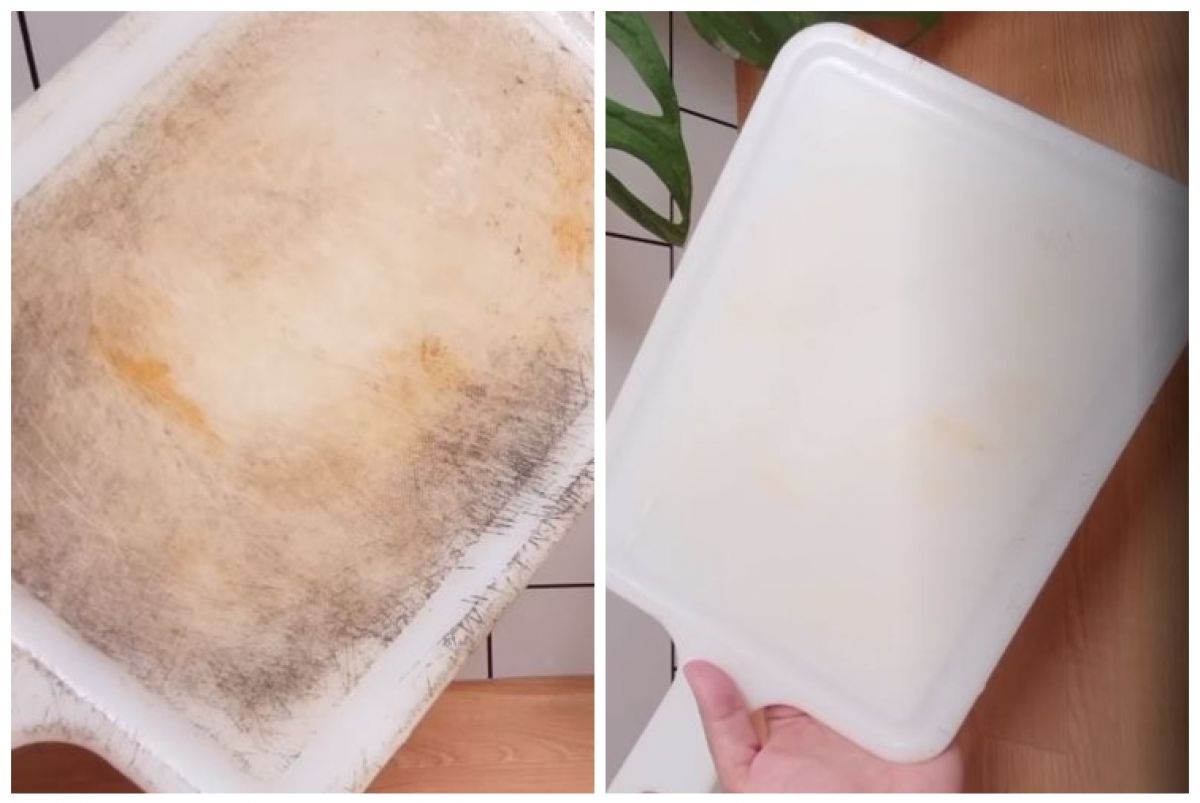
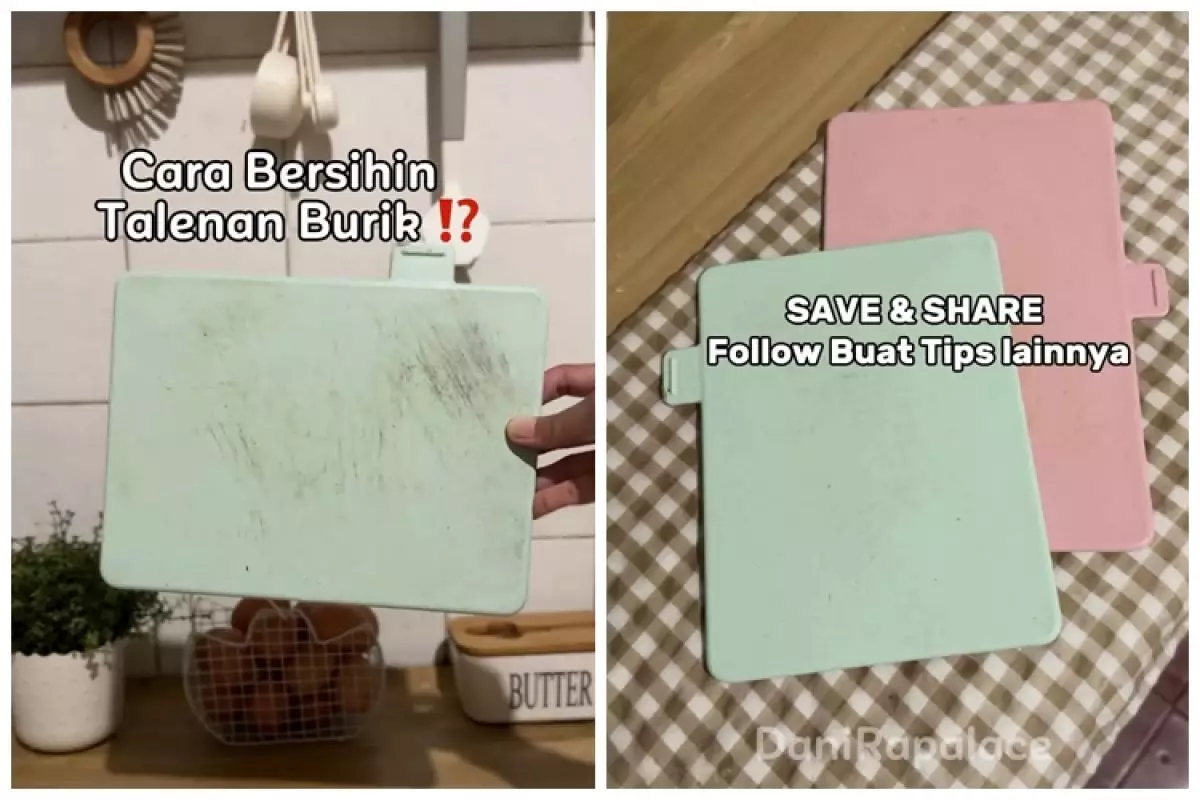
Tackling Stubborn Stains
Plastic cutting boards can hold tough stains from colorful foods. Removing these marks keeps your board clean and safe.
Two easy methods use common household items to fight stains without harsh chemicals.
Baking Soda Paste
Baking soda works as a gentle scrub to lift deep stains. It also neutralizes odors on the board.
- Mix baking soda with a small amount of water to make a thick paste.
- Spread the paste over stained areas of the cutting board.
- Let it sit for 10 to 15 minutes to break down the stains.
- Scrub the board gently with a sponge or brush.
- Rinse the board well with warm water and dry it.
Hydrogen Peroxide Method
Hydrogen peroxide cleans and whitens plastic cutting boards. It kills germs while removing stains.
| Step | Action |
|---|---|
| 1 | Pour 3% hydrogen peroxide over the stained spots. |
| 2 | Let it sit for 10 minutes to bleach the stains. |
| 3 | Scrub the board lightly with a brush or sponge. |
| 4 | Rinse thoroughly with warm water and dry. |
Drying And Storing
After cleaning a plastic cutting board, drying it properly stops bacteria growth. Storing it correctly keeps it in good shape for future use.
These steps help keep your cutting board safe and ready for your next meal prep.
Air Drying Tips
Dry your plastic cutting board by placing it where air can flow around it. Avoid stacking it while wet to stop moisture buildup.
- Stand the board upright to let both sides dry
- Use a clean drying rack with good airflow
- Do not cover the board while drying
- Wipe excess water with a clean towel before air drying
- Allow at least one hour of air drying for best results
Proper Storage Practices
Store your plastic cutting board in a dry, clean place. Keep it separate from raw meat boards to avoid cross-contamination.
| Storage Tip | Reason |
| Keep upright or flat on a clean shelf | Prevents warping and allows air circulation |
| Do not stack wet boards | Stops mold and bacteria growth |
| Store away from heat sources | Prevents board from bending or melting |
| Label boards if used for different foods | Helps avoid cross-contamination |
Credit: en.brilio.net
Maintaining Your Cutting Board
Plastic cutting boards need proper care to last longer. Cleaning them well keeps food safe.
Regular cleaning removes germs and food stains. Avoid damage by following good habits.
Regular Cleaning Routine
Wash your plastic cutting board after every use. Use warm water and dish soap.
Scrub both sides with a sponge or brush. Rinse well to remove all soap.
- Use hot water to kill germs
- Dry the board with a clean towel
- Store in a dry place
- Disinfect weekly with vinegar or diluted bleach
Avoiding Common Mistakes
Do not soak your cutting board for a long time. It can cause warping or cracks.
Avoid using harsh scrubbers or knives to clean. They can scratch the surface.
- Never wash plastic boards in the dishwasher if not dishwasher safe
- Do not use bleach directly without diluting
- Replace boards with deep grooves to avoid bacteria buildup

Credit: www.youtube.com
Frequently Asked Questions
How Often Should I Clean A Plastic Cutting Board?
You should clean your plastic cutting board after every use. This prevents bacteria buildup and cross-contamination. Regular cleaning keeps it safe and hygienic for food preparation.
What Is The Best Way To Disinfect A Plastic Cutting Board?
Use a solution of one tablespoon bleach per gallon of water. Soak the board for a few minutes, then rinse thoroughly with water. This kills harmful bacteria effectively.
Can Plastic Cutting Boards Go In The Dishwasher?
Yes, most plastic cutting boards are dishwasher-safe. The dishwasher’s hot water and detergent clean and sanitize the board well. Check the manufacturer’s instructions to confirm.
How Do I Remove Stains From A Plastic Cutting Board?
Sprinkle baking soda on the board and scrub with a damp sponge. Alternatively, use lemon juice or diluted vinegar to bleach stains naturally. Rinse well after cleaning.
Conclusion
Cleaning a plastic cutting board is simple and important. Regular washing stops germs from spreading. Use warm water, soap, and a scrub brush for best results. Rinse well and dry it fully before storing. Avoid deep cuts by replacing boards when worn out.
Clean boards keep your kitchen safe and fresh. A clean cutting board helps you prepare healthy meals easily. Remember, a little care goes a long way in kitchen safety. Keep your cutting board clean and enjoy better cooking every day.