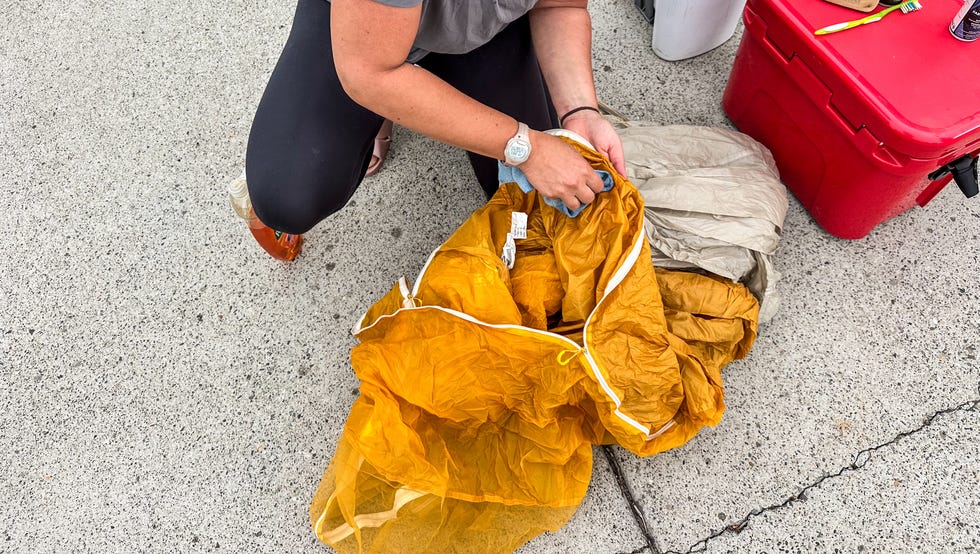
Your tent is more than just a shelter—it’s your home away from home. But after a fun camping trip, it can get dirty, smelly, and even damaged if not cleaned properly.
You might think cleaning a tent is tricky or time-consuming, but it doesn’t have to be. In this guide, you’ll discover simple, effective steps to clean your tent quickly and keep it in great shape for your next adventure. Ready to make your tent fresh and ready?
Let’s dive in.
Preparing Your Tent For Cleaning
Cleaning your tent helps keep it in good shape for future trips. Proper preparation makes the cleaning process easier and more effective.
Before you start cleaning, take time to get your tent ready. This ensures you don’t miss any important steps.
Removing Dirt And Debris
Take your tent outside and shake it gently to remove loose dirt. Use a soft brush or cloth to clear dust and small debris from the fabric and seams.
- Shake out the tent to remove loose dirt.
- Brush off dried mud or leaves with a soft brush.
- Check corners and seams for trapped debris.
- Remove any stuck twigs or pine needles.
Checking For Damage
Look over your tent carefully for tears, holes, or broken zippers. Small damage can get worse if you clean without fixing it.
| Type of Damage | What to Check | Why It Matters |
| Tears or Holes | Fabric and seams | Can let water in during camping |
| Zipper Issues | Teeth and sliders | Affects tent closure and protection |
| Broken Poles | Joints and sections | Impacts tent structure and stability |
Gathering Cleaning Supplies
Collect all needed supplies before cleaning. Having everything ready saves time and keeps the process smooth.
- Mild soap or specialized tent cleaner
- Soft sponge or cloth
- Bucket of lukewarm water
- Soft brush for tough spots
- Towels for drying
- Repair kit for small damages
Cleaning Techniques For Different Tent Materials
Tents come in many materials, and each needs special care. Cleaning your tent properly keeps it safe and lasts longer.
Using the right cleaning method helps protect your tent fabric and coatings. Learn how to clean nylon, polyester, canvas, and waterproof coatings.
Cleaning Nylon And Polyester Tents
Nylon and polyester tents are light and easy to clean. Use mild soap and water to avoid damage. Avoid harsh chemicals that break down fabric fibers.
Gently scrub dirt with a soft brush or sponge. Rinse well with clean water to remove soap residue. Let the tent dry fully before storing it.
- Use cold or lukewarm water, not hot
- Choose mild, non-detergent soap
- Spot clean stains instead of soaking
- Air dry in shade, avoid direct sunlight
Handling Canvas Tents
Canvas tents need gentle cleaning to keep their natural fiber strong. Avoid using bleach or strong detergents. These can weaken the canvas and remove waterproofing.
Use a soft brush to remove loose dirt. Mix water with mild soap and clean with a sponge. Rinse with clear water and let it dry in fresh air.
- Brush off dirt before washing
- Do not machine wash or dry
- Clean small areas at a time
- Store dry to prevent mold
Dealing With Waterproof Coatings
Waterproof coatings protect tents from rain. Clean your tent carefully to avoid removing these layers. Use soft brushes and mild soap only.
If the waterproof layer wears off, apply a new waterproof spray. Make sure the tent is clean and dry before applying. Follow the product instructions closely.
- Avoid scrubbing coated areas hard
- Do not use strong detergents or solvents
- Check for coating damage regularly
- Reapply waterproofing as needed
Step-by-step Tent Washing Process
Cleaning your tent regularly helps it last longer. Follow these steps to wash your tent properly.
Each section will guide you through a different part of the process. Make sure to read carefully.
Setting Up A Cleaning Area
Choose a spacious area to clean your tent. This will prevent damage and ensure you have enough room to work.
- Find a flat surface like a clean garage floor or a grassy yard.
- Lay a tarp to protect the tent fabric.
- Ensure you have access to clean water.
Hand Washing Methods
Hand washing is gentle on your tent’s fabric. It helps maintain its waterproofing and structure.
| Item | Purpose |
| Soft sponge | Removes dirt gently |
| Mild soap | Cleans without damage |
| Cold water | Rinses soap away |
Machine Washing Tips
If your tent is machine washable, use the right settings. Always check the tent’s care label first.
- Use a front-loading washing machine to avoid damage.
- Select a gentle cycle with cold water.
- Avoid using fabric softeners or bleach.
Rinsing And Drying
Proper rinsing and drying prevent mold and mildew. Ensure all soap is removed before drying.

Credit: www.youtube.com
Removing Stubborn Stains And Odors
Cleaning a tent is important to keep it fresh and ready for your next trip. Stains and odors can build up from dirt, food, or moisture. Removing these problems helps your tent last longer and feel clean.
This guide focuses on removing tough stains and bad smells from your tent. Follow these easy tips to treat mold, clean food stains, and deodorize your tent.
Treating Mold And Mildew
Mold and mildew can grow on tents if they stay damp for too long. These can cause stains and bad smells. Clean mold quickly to stop it from spreading and damaging the fabric.
Use a mix of water and mild soap or a small amount of white vinegar. Gently scrub the affected area with a soft brush or cloth. Rinse well and let the tent dry fully in the sun.
- Mix one cup white vinegar with one gallon water
- Apply solution to moldy areas with a soft brush
- Let it sit for 10 minutes
- Rinse the area with clean water
- Dry the tent completely in sunlight
Eliminating Food And Dirt Stains
Food and dirt stains are common after camping trips. Clean these stains as soon as possible to avoid permanent marks. Use gentle cleaning to protect the tent fabric.
Mix warm water with mild detergent. Use a soft sponge to scrub the stains gently. Avoid harsh scrubbing to keep the tent material safe. Rinse with clean water and dry.
- Fill a bucket with warm water and mild detergent
- Dip a sponge or cloth and clean the stains gently
- Rinse the area thoroughly with clean water
- Pat dry with a towel or air dry in shade
Deodorizing Your Tent
Bad smells can stay in your tent after use. Deodorizing helps remove these odors and keeps your tent smelling fresh. Use natural solutions to avoid damage.
Sprinkle baking soda inside your tent and leave it overnight. Baking soda absorbs odors without harming the fabric. After that, shake out the baking soda and air out the tent.
- Sprinkle baking soda evenly on the tent floor and walls
- Let it sit overnight to absorb odors
- Shake or vacuum out the baking soda
- Open the tent fully and air it out for several hours
Post-cleaning Tent Care
Cleaning your tent is only the first step to keeping it ready for your next trip. Proper care after cleaning helps your tent last longer and stay in good shape.
After washing your tent, focus on drying, fixing small problems, and keeping the waterproof layer strong. These steps protect your tent from damage.
Proper Drying And Storage
Dry your tent completely before storing it. Wet tents can develop mold and bad smells. Find a shaded, well-ventilated area to dry your tent. Avoid direct sunlight for long periods to protect the fabric.
- Unpack all parts, including rain fly and poles
- Hang or spread the tent to air dry fully
- Check for damp spots inside and outside
- Store the tent loosely in a cool, dry place
- Use a breathable storage bag instead of plastic
Repairing Minor Damage
Fix small tears or broken zippers soon after your trip. Repair kits are easy to use and help stop damage from growing. Patch holes with fabric patches or tape designed for tents.
| Damage Type | Repair Method | Tools Needed |
| Small tear | Apply patch or tape | Patch kit, scissors |
| Broken zipper | Replace slider or sew zipper | Zipper kit, needle, thread |
| Loose seam | Resew seam | Needle, strong thread |
Maintaining Waterproofing
Waterproofing helps keep your tent dry in rain. Clean tents lose waterproofing over time. Use a spray or wash-in waterproof treatment after cleaning and repairs.
- Choose a product made for tents
- Apply treatment to clean, dry fabric
- Focus on seams, rain fly, and floor
- Let the tent dry completely before storing
- Reapply waterproofing every season or as needed

Credit: www.popularmechanics.com
Tips For Preventing Tent Dirt And Damage
Keeping your tent clean and safe helps it last longer. Dirt and damage can make camping less fun.
Simple care steps stop dirt build-up and wear. These tips keep your tent in top shape.
Setting Up On Clean Surfaces
Choose a flat, clean spot to pitch your tent. Avoid areas with sharp rocks or sticks.
Clear leaves, dirt, and debris before setting your tent. This prevents tears and stains.
- Look for grass or smooth soil
- Remove sharp objects by hand
- Use a groundsheet under the tent
- Keep the area dry to avoid mud
Regular Maintenance Routines
Check your tent often for dirt and damage. Clean it after every trip to avoid buildup.
Use a soft brush or cloth to remove dust. Air the tent well to prevent mold and smells.
- Brush off dirt gently
- Spot clean stains with mild soap
- Dry completely before storing
- Inspect seams and zippers for damage
Using Protective Gear
Protect your tent with extra gear to stop damage. This gear keeps dirt and moisture away.
Use rain flies, footprint tarps, and tent bags. These add layers of protection for your tent fabric.
- Place a footprint tarp under your tent
- Cover with a rain fly during wet weather
- Store in a breathable tent bag
- Avoid dragging the tent on rough ground

Credit: eu.alpkit.com
Frequently Asked Questions
How Often Should I Clean My Tent?
Clean your tent after every camping trip to prevent dirt buildup. Regular cleaning extends your tent’s life and maintains waterproofing. Spot clean minor stains immediately to avoid permanent marks.
What Is The Best Way To Wash A Tent?
Use mild soap and lukewarm water for tent cleaning. Gently scrub with a soft brush or sponge. Avoid harsh detergents or machine washing to protect fabric and coatings.
How Do I Dry A Tent Properly?
Air dry your tent fully before storage to prevent mold. Set it up in a shaded, well-ventilated area. Avoid direct sunlight, which can damage fabric and seams.
Can I Use Bleach To Clean My Tent?
No, avoid bleach as it damages tent fabric and waterproof coatings. Use gentle, tent-safe cleaners instead. Bleach may cause discoloration and weaken material strength.
Conclusion
Cleaning your tent keeps it fresh and ready for your next trip. Dirt and moisture can damage the fabric over time. Regular care helps avoid mold and bad smells. Use gentle soap and warm water for best results. Let your tent dry completely before packing it away.
This simple routine saves money and extends your tent’s life. A clean tent makes camping more enjoyable and comfortable. Remember, small steps make a big difference in tent care. Keep your gear clean, and your adventures will be better.