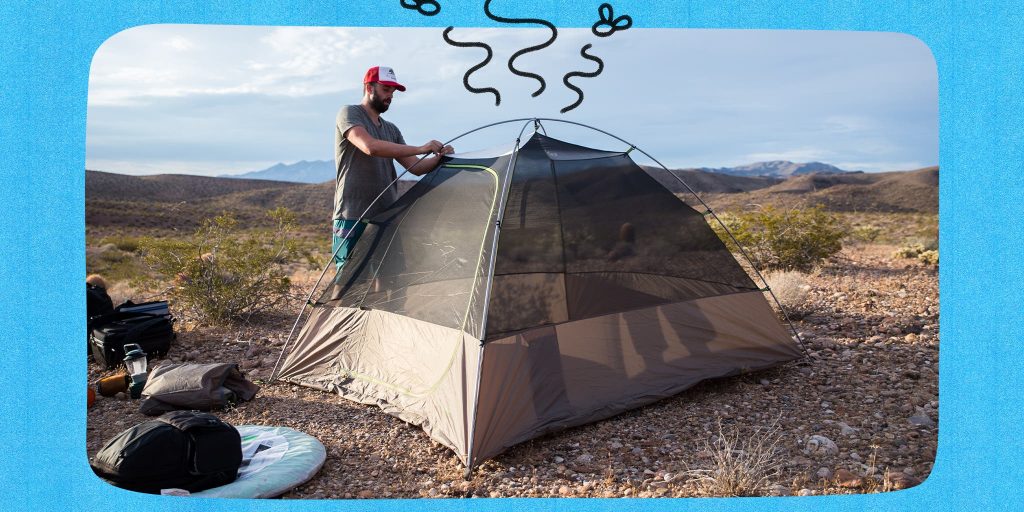
You love your tent—it’s your shelter, your comfort zone, your base for adventure. But after a few trips, dirt, mud, and grime build up, making your tent less inviting and even risking damage.
Cleaning your tent properly isn’t just about looks; it helps keep it strong and ready for your next outing. If you want to learn simple, effective ways to clean your tent without ruining the fabric or your time, you’re in the right place.
Keep reading, and you’ll discover easy steps to refresh your tent quickly and safely. Your next adventure starts with a clean, well-cared-for shelter.

Credit: eu.alpkit.com
Preparing Your Tent
Cleaning your tent starts with good preparation. This helps keep your tent in good shape for many uses.
Follow these steps to get your tent ready for cleaning and repair if needed.
Choosing The Right Location
Pick a flat and clean area to set up your tent. Avoid places with sharp objects or dirt that can damage the fabric.
Good lighting helps you see all parts of the tent clearly during cleaning.
Gathering Cleaning Supplies
Use gentle cleaning tools and products to protect your tent’s material. Harsh chemicals can harm the fabric and coatings.
- Soft brush or sponge
- Mild soap or tent cleaner
- Bucket of warm water
- Clean towels or cloths
- Optional: seam sealer and repair kit
Inspecting For Damage
Before cleaning, check your tent for holes, tears, or broken zippers. This helps fix problems early.
Look closely at seams and corners where damage often happens. Note any repairs needed to do after cleaning.
Setting Up For Cleaning
Cleaning your tent properly helps it last longer. Start by preparing a good space to work.
Find a clean, flat area outside where you can spread out the tent. This makes cleaning easier.
Drying And Ventilating The Tent
Make sure the tent is dry before cleaning. Moisture can cause mold and damage the fabric.
- Set up the tent in a sunny, breezy spot.
- Open all windows and doors to allow air flow.
- Leave the tent out until it feels completely dry to the touch.
- Check corners and seams for any damp spots.
Removing Loose Dirt And Debris
Cleaning off loose dirt helps protect the fabric during washing. Use gentle tools to avoid damage.
| Tool | Purpose |
| Soft brush | Brush away dry dirt and leaves |
| Handheld vacuum | Suck up small dirt particles inside the tent |
| Soft cloth | Wipe off dust and light dirt spots |
Cleaning The Tent Fabric
Keeping your tent fabric clean helps it last longer. Dirt and stains can damage the material over time. Regular cleaning keeps the fabric strong and fresh.
Use gentle methods to protect the tent’s coating. Avoid harsh chemicals or scrubbing too hard. Clean your tent after every trip or when it looks dirty.
Using Gentle Cleaning Solutions
Choose mild soap or detergent for cleaning your tent fabric. Avoid bleach or strong cleaners that can harm the material. Mix soap with warm water before use.
Test the solution on a small area first. This helps ensure it does not fade or damage the fabric. Use a soft sponge or cloth to apply the solution gently.
Spot Cleaning Stains
Remove spots and stains as soon as you see them. Use a soft brush or cloth to dab the stain with soap and water. Avoid rubbing hard to protect the fabric.
- Apply mild soap solution to the stain
- Gently blot with a soft cloth
- Rinse the area with clean water
- Let the fabric air dry completely
Washing The Tent Body
Wash your tent only if it is very dirty. Set up the tent outside or use a large tub. Use cold or warm water with gentle soap to clean the fabric.
Avoid using washing machines or dryers. Rinse the tent well to remove all soap. Dry the tent fully before storing to prevent mold and mildew.

Credit: www.popularmechanics.com
Cleaning Tent Poles And Accessories
Keeping your tent poles and accessories clean helps them last longer. Dirt and grime can cause damage over time. Simple cleaning steps keep everything working well.
This guide covers wiping down poles, cleaning zippers, and caring for stakes and guy lines. Follow these tips after camping trips to maintain your gear.
Wiping Down Poles
Remove dirt and mud from tent poles using a soft cloth. Use warm water with mild soap if needed. Dry poles completely to stop rust or corrosion.
Check poles for cracks or bends before storing. Fix small issues early to avoid bigger problems later.
Checking And Cleaning Zippers
Zippers can get stuck or break if dirty. Clean them by brushing off dirt with a soft brush. Use a zipper lubricant to keep them moving smoothly.
- Brush dirt away gently
- Apply zipper lubricant or wax
- Open and close zippers a few times
- Inspect for damaged teeth or pulls
Maintaining Stakes And Guy Lines
| Accessory | Cleaning Tips | Storage Advice |
| Stakes | Remove mud and dirt with water | Dry fully to avoid rust |
| Guy Lines | Untangle and wash if dirty | Store loosely to prevent knots |
Regularly check stakes for bends or damage. Replace any that are weak. Keep guy lines strong by checking for frays and knots.
Drying And Storing
Cleaning your tent is only part of the process. Drying and storing your tent properly keeps it in good shape. This helps your tent last for many camping trips.
Wet tents can get moldy and smell bad. Proper drying and storing prevent damage and make setup easier next time.
Proper Drying Techniques
Always dry your tent fully before storing it. Set it up or hang it in a shady, well-ventilated place. Avoid direct sunlight to protect the fabric.
Check all parts, including the rainfly and groundsheet. Make sure no damp spots remain to stop mold growth.
- Set up the tent outside on a dry day
- Use a tarp or hang the tent on a line
- Keep it out of direct sunlight to avoid damage
- Inspect for damp spots before packing
Folding And Packing Tips
Fold your tent loosely to avoid creasing the fabric. Follow the tent’s natural folds or roll it gently. Avoid tight or sharp folds that can weaken the material.
Store poles and stakes separately in their bags. Pack the tent in its own bag to keep all parts together and easy to find.
- Fold or roll the tent along natural creases
- Keep folds loose to protect fabric
- Separate poles and stakes for easy access
- Use the tent’s storage bag or a breathable sack
Ideal Storage Conditions
Store your tent in a cool, dry place. Avoid areas with high humidity or extreme heat. These conditions can damage the fabric and cause mold.
Keep your tent off the floor if possible. Use shelves or hooks to let air circulate around the tent bag.
- Choose a dry, cool storage spot
- Avoid basements or attics with moisture
- Store tent off the ground for air flow
- Check stored tent regularly for damp or pests

Credit: www.youtube.com
Preventing Future Damage
Keeping your tent in good shape helps it last many camping trips. Small care steps stop big problems later.
Learn simple ways to protect your tent from damage by following easy habits and smart choices.
Regular Maintenance Habits
Check your tent after each use. Clean it gently with water and a soft cloth. Avoid strong soaps or chemicals. Let it dry fully before storing it in a cool, dry place. Fix small tears or holes quickly to stop them from growing.
- Remove dirt and debris after camping
- Air out the tent to prevent mold
- Store loosely in a breathable bag
- Repair damage as soon as possible
Using A Footprint Or Groundsheet
Place a footprint or groundsheet under your tent floor. This layer protects the bottom from sharp rocks and wet ground. It also keeps the tent cleaner. Match the footprint size to your tent to avoid water pooling between layers.
| Benefit | Details |
| Protection | Blocks sharp objects that can puncture |
| Cleanliness | Stops mud and dirt from sticking |
| Longevity | Reduces wear on tent floor |
| Water Control | Prevents water collecting under tent |
Avoiding Harsh Conditions
Pick camping spots that are safe from strong winds and heavy rain. Avoid setting up under dead trees or loose branches. Try not to expose the tent to direct sun for many hours. These conditions can wear out tent fabric and seams faster.
- Check weather before camping
- Set up tent in shaded areas
- Clear sharp objects from the site
- Use guy lines to secure tent in wind
Frequently Asked Questions
How Do I Start Cleaning My Tent?
Begin by shaking out loose dirt and debris. Use a soft brush to remove stuck-on grime. Rinse with cold water and mild soap. Avoid harsh chemicals, which can damage the fabric. Dry thoroughly before storing to prevent mold.
Can I Machine Wash My Tent?
It’s generally not recommended to machine wash a tent. The machine’s agitation can damage the fabric and seams. Hand wash with a gentle soap and cold water instead. Always follow the manufacturer’s care instructions for the best results.
How Often Should I Clean My Tent?
Clean your tent after every camping trip. Regular maintenance helps prolong its lifespan. If it’s particularly dirty, give it a thorough cleaning. Store it dry to prevent mold and mildew. A clean tent ensures a pleasant camping experience next time.
What Supplies Do I Need To Clean A Tent?
You’ll need mild soap, a soft brush, and cold water. A sponge can help with stubborn spots. Avoid using detergents or bleach, which can damage the tent’s waterproof coating. Ensure all supplies are gentle to preserve the tent’s integrity.
Conclusion
Cleaning your tent keeps it fresh and ready for adventures. Use gentle soap and a soft brush to avoid damage. Always dry your tent completely before storing it to stop mold. Regular cleaning helps your tent last longer and stay strong.
Small efforts now save big problems later. Keep your tent clean, and it will serve you well on every trip. Simple care makes camping more enjoyable and hassle-free.