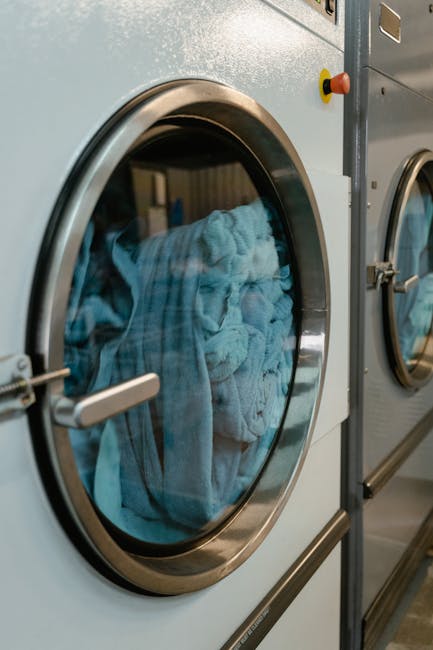
Is your washing machine leaving clothes less fresh than before? Does your dryer seem to take longer to dry your laundry?
If so, it might be time to give your appliances a good cleaning. Keeping your washing machine and dryer clean not only improves their performance but also helps extend their lifespan. In this guide, you’ll discover simple, effective steps to clean your washing machine and dryer at home.
By the end, you’ll have fresh-smelling laundry and appliances that work like new. Ready to get started? Let’s dive in!
Why Clean Your Washer And Dryer
Cleaning your washer and dryer helps them work better and last longer. Dirt and grime can build up inside these machines.
Regular cleaning stops bad smells and keeps your clothes fresh. It also saves energy and money.
Benefits Of Regular Cleaning
Cleaning your washer and dryer often keeps them safe and efficient. It stops mold, mildew, and lint from building up.
Clean machines dry clothes faster and use less power. This helps save money on bills.
- Prevents bad smells
- Removes mold and mildew
- Improves washing and drying
- Increases machine life
- Reduces energy use
- Protects clothes from damage
Signs Your Appliances Need Cleaning
You can tell when your washer or dryer needs cleaning by watching for some signs. These signs show the machines are not working well.
Check for these problems to keep your appliances in good shape and avoid bigger issues.
- Musty or sour smell from the washer
- Clothes come out still wet or damp
- Lint buildup inside or outside the dryer
- Longer drying times than usual
- Visible mold or mildew inside the washer
- Strange noises during operation

Credit: www.selecthomewarranty.com
Gathering Cleaning Supplies
Cleaning your washing machine and dryer keeps them working well. It also stops bad smells and buildup.
Before you start, gather all the supplies you need. This makes cleaning easier and faster.
Essential Cleaning Tools
Using the right tools helps you clean every part of your machines. Some tools reach small spaces and remove grime.
- Soft cloths or microfiber towels to wipe surfaces
- Old toothbrush for scrubbing small areas
- Sponge for cleaning detergent trays
- Spray bottle to apply cleaning solutions
- Bucket for water and cleaning mixes
- Rubber gloves to protect your hands
Recommended Cleaning Agents
Choose safe cleaning agents to remove dirt and mold. Avoid harsh chemicals that can damage your machines.
- White vinegar to break down soap scum and odors
- Baking soda to scrub and freshen surfaces
- Liquid dish soap for general cleaning
- Hydrogen peroxide to kill mold and bacteria
- Commercial washing machine cleaner for deep cleaning
Cleaning The Washing Machine
Cleaning your washing machine keeps it working well. Dirt and soap buildup can cause bad smells.
Regular cleaning helps your clothes come out fresh and clean every time.
Cleaning The Drum
Start by wiping the drum with a soft cloth. Remove any lint or small items left behind.
Use a mix of warm water and mild soap to clean the inside. Avoid harsh cleaners that can damage the drum.
Cleaning The Detergent Dispenser
Take out the detergent dispenser tray. Rinse it with warm water to remove soap residue and dirt.
Use a small brush to clean hard-to-reach corners. Make sure the tray is dry before putting it back.
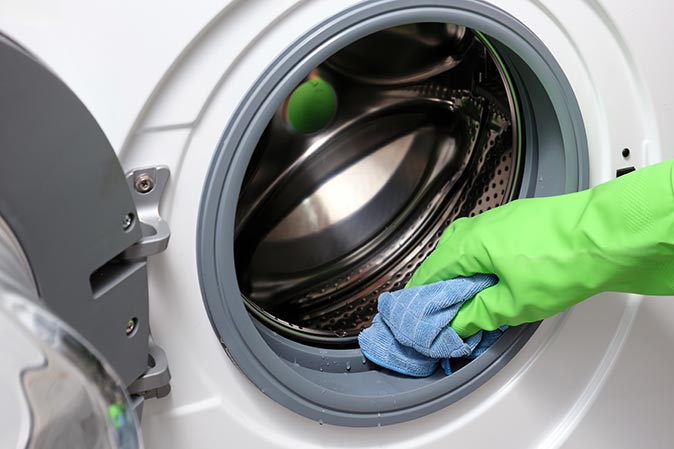
Wiping The Door And Seals
Open the washing machine door and wipe the glass with a damp cloth. This removes any grime or spots.
Check the rubber seals around the door. Clean them carefully to remove mold and dirt that can build up.
- Use a cloth soaked in vinegar or mild soap
- Dry the seals thoroughly after cleaning
- Check for small objects stuck in the seals
Running A Cleaning Cycle
Run an empty hot water cycle with a washing machine cleaner or white vinegar. This helps remove buildup inside.
Follow the machine’s instructions for cleaning cycles. This keeps your machine fresh and working well.
Credit: homewarranty.firstam.com
Cleaning The Dryer
Regular cleaning of your dryer ensures it works efficiently and safely. Dirt and lint can build up and cause issues over time.
Follow these steps to keep your dryer in top shape and reduce the risk of fire hazards.
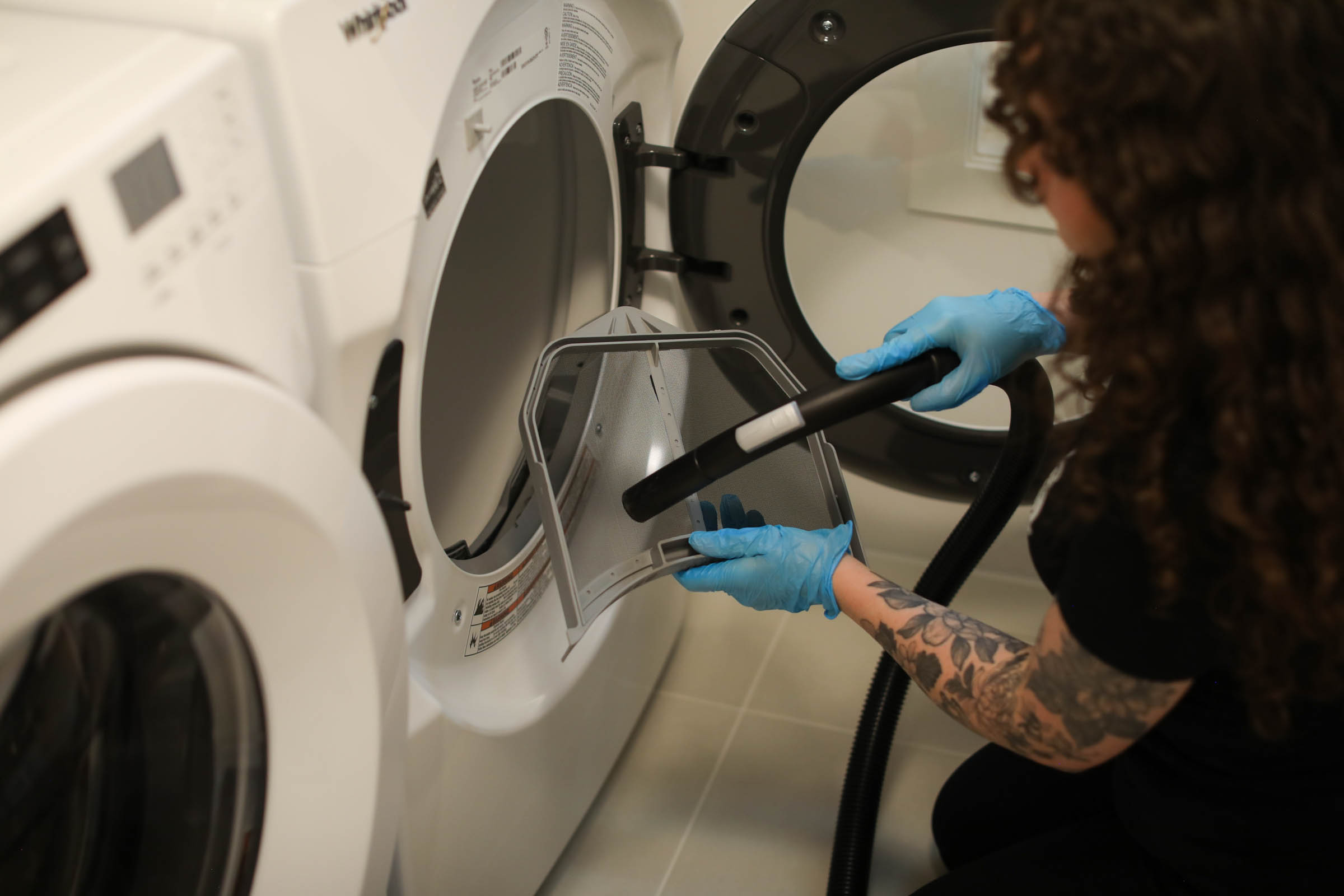
Emptying The Lint Trap
The lint trap collects fibers from your clothes. Clean it after each use to maintain airflow.
Cleaning The Drum
The drum can accumulate residue and odors. Use a damp cloth to wipe it down.
Checking And Cleaning The Vent
Blocked vents can lead to longer drying times and overheating. Inspect and clean the vent regularly to ensure safety and efficiency.
- Disconnect the dryer from the power source.
- Locate the vent at the back of the dryer.
- Use a vacuum or brush to remove lint buildup.
- Reconnect the dryer and test its performance.
Wiping The Exterior
The exterior of your dryer can gather dust and spills. Keeping it clean improves appearance and hygiene.
Use a soft cloth with mild detergent to wipe down the surfaces. Avoid harsh chemicals that might damage the finish.
Preventing Odors And Buildup
Cleaning your washing machine and dryer helps stop bad smells and dirt buildup. Regular care keeps them working well longer.
Simple habits and the right products prevent problems. This guide shares easy tips for daily care and good detergent use.
Tips For Daily Maintenance
Leave the washing machine door open after use. This helps air dry the inside and stops mold growth.
Check and clean the lint filter in your dryer every time. This stops lint buildup that causes odors and fire risks.
- Wipe the inside drum with a dry cloth weekly
- Remove wet clothes quickly to avoid mildew
- Keep the area around the machines clean and dry
Using The Right Detergents And Cycles
Use detergents made for your machine type. High-efficiency washers need low-sudsing detergents to reduce residue.
Choose cleaning cycles that include hot water or steam. These help kill bacteria and remove buildup inside the drum.
- Select a monthly cleaning cycle if available
- Avoid using too much detergent to prevent soap scum
- Run an empty hot water cycle with vinegar to clean the machine
Troubleshooting Common Issues
Cleaning your washing machine and dryer helps keep them working well. Some common problems can cause bad smells or poor performance. Fixing these issues is easy with the right steps.
This guide covers how to deal with mold and mildew and how to fix poor drainage or drying problems.
Dealing With Mold And Mildew
Mold and mildew grow in damp, dark places inside your washer. They cause bad smells and stains on clothes. Clean your machine regularly to stop mold from growing.
- Run a hot water cycle with bleach or washing machine cleaner once a month.
- Leave the washer door open after use to dry the inside.
- Wipe the rubber gasket and door seal with a vinegar solution.
- Check and clean detergent dispensers often to prevent buildup.
Fixing Poor Drainage Or Drying
Poor drainage or drying means clothes stay wet or water pools inside the machine. This can damage your appliance and clothes. Check the drain hose and dryer vent for blockages.
| Problem | Cause | Fix |
| Water not draining | Clogged drain hose | Remove hose and clear blockages |
| Clothes stay wet | Blocked dryer vent | Clean vent and lint filter |
| Long drying time | Overloaded dryer | Dry smaller loads |
Credit: www.housework.com
Frequently Asked Questions
How Often Should I Clean My Washing Machine?
Clean your washing machine every one to three months. Regular cleaning prevents odors, mold, and detergent buildup. It ensures better washing performance and extends the machine’s lifespan.
What Is The Best Way To Clean A Dryer Drum?
Use a damp cloth with mild detergent to wipe the dryer drum. Avoid harsh chemicals. Regular cleaning removes lint and residue, preventing odors and improving drying efficiency.
Can I Use Vinegar To Clean My Washing Machine?
Yes, white vinegar effectively removes odors and mold in washing machines. Run a hot water cycle with two cups of vinegar. It cleans and disinfects naturally without damaging the machine.
How Do I Clean The Washing Machine Detergent Drawer?
Remove the detergent drawer and soak it in warm, soapy water. Use a brush to scrub away residue and mold. Rinse thoroughly and dry before reinserting to prevent buildup.
Conclusion
Cleaning your washing machine and dryer keeps them working well. It helps stop bad smells and removes dirt. Regular cleaning saves money on repairs. Use simple steps often to keep machines fresh and safe. Clean machines mean cleaner clothes every time.
Small efforts bring big benefits. Start today and enjoy better laundry results.