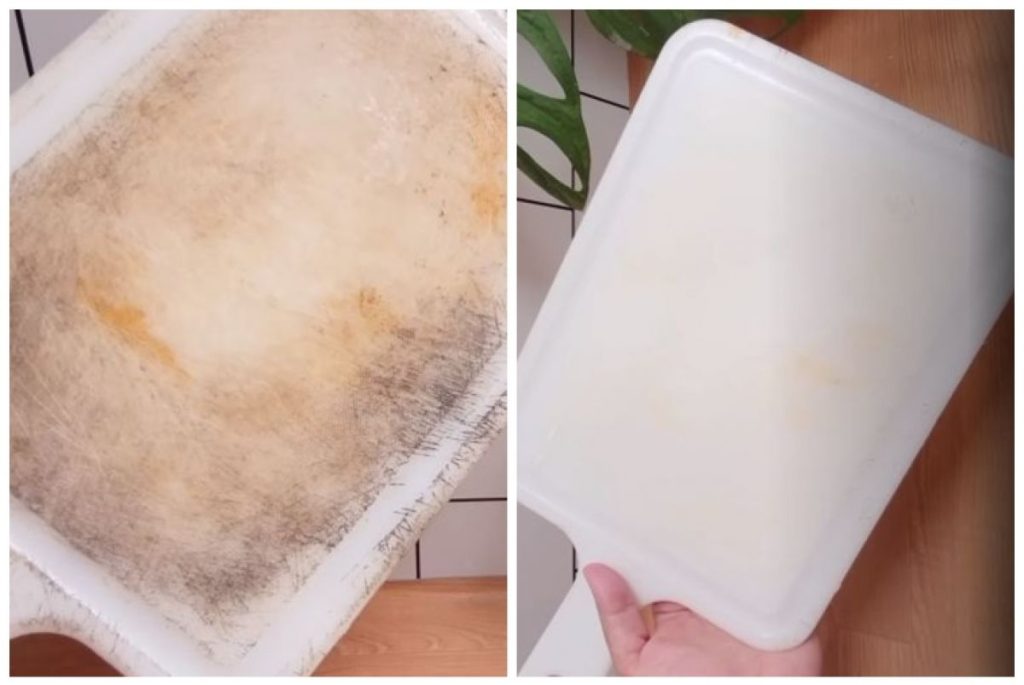
Your white cutting board is a kitchen essential, but keeping it spotless can feel like a tough job. Stains, odors, and bacteria can hide in its surface, making you wonder if it’s truly clean.
What if you could restore your cutting board to bright, fresh condition with simple steps you can trust? You’ll discover easy and effective ways to clean your white cutting board so it looks great and stays safe for your food.
Keep reading to learn the secrets that will make your cutting board shine like new every time.
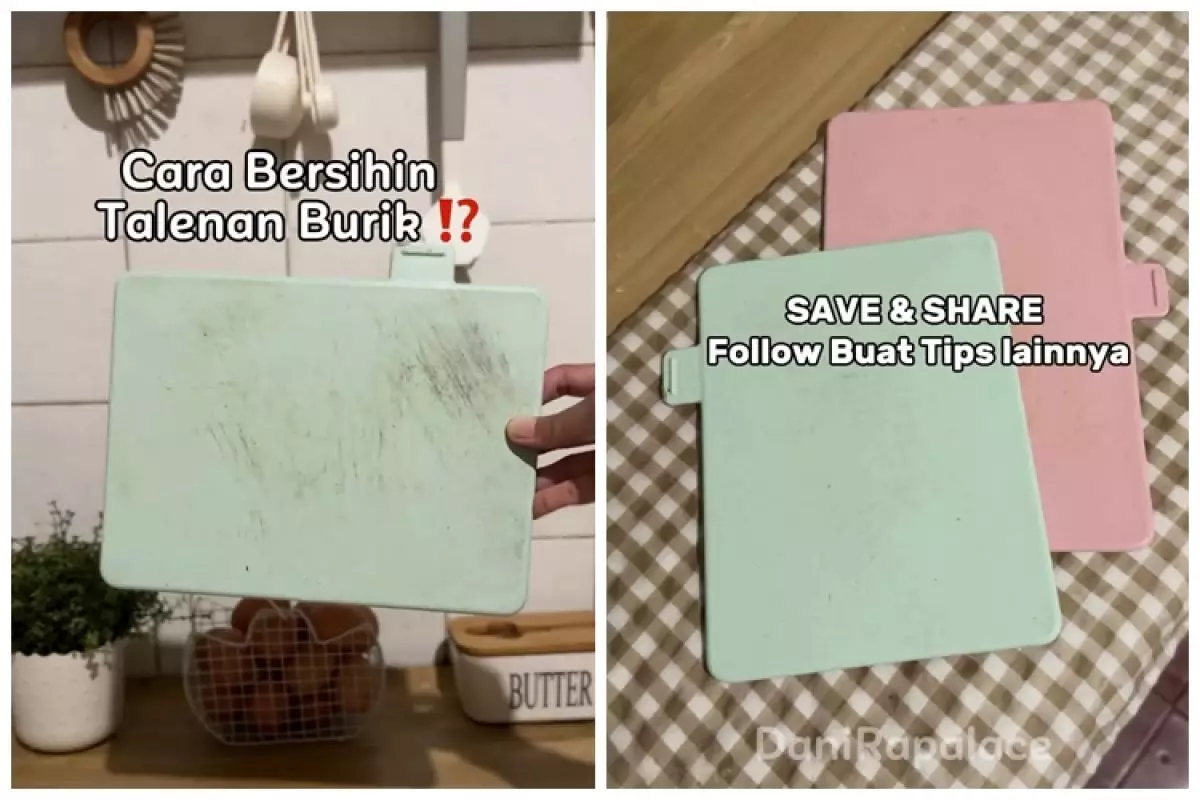
Credit: en.brilio.net
Choosing The Right Cleaning Tools
Cleaning a white cutting board well keeps it looking fresh and safe. Using the right tools makes cleaning easier and better.
Good cleaning tools remove stains and bacteria without damaging the board. Let’s explore the best sponges, brushes, and cleaning agents.
Best Sponges And Brushes
Choose sponges and brushes that clean well but do not scratch your white cutting board. Soft but firm tools work best.
Look for sponges with a gentle scrubbing side and soft foam. Brushes with nylon bristles help reach small grooves.
- Soft scrubbing sponges remove dirt and stains gently
- Nylon bristle brushes clean grooves and knife marks
- Avoid metal scrubbers that can damage the surface
- Replace sponges and brushes regularly to avoid germs
Safe Cleaning Agents
Use cleaning agents that kill bacteria but do not harm your cutting board. Mild and natural cleaners are best.
Common safe options include dish soap, white vinegar, and baking soda. These help remove stains and odors safely.
- Dish soap cuts grease and cleans well
- White vinegar disinfects and removes smells
- Baking soda scrubs stains gently and deodorizes
- Avoid bleach or harsh chemicals that weaken plastic
Credit: www.realhomes.com
Daily Cleaning Routine
Keeping your white cutting board clean is important to avoid stains and bacteria. A simple daily cleaning routine helps keep it fresh and safe for food preparation.
This guide covers easy steps to clean your board every day. You only need basic supplies like water and soap.
Rinsing And Wiping
Start by rinsing the cutting board under warm running water. This removes loose food particles and debris.
After rinsing, wipe the board with a clean cloth or paper towel to dry it. This stops water from soaking in and causing damage.
Using Soap And Water
Wash the cutting board with dish soap and warm water to clean deeper. Use a sponge or scrub brush to remove stains and germs.
- Apply a small amount of dish soap to the board
- Scrub all surfaces gently but thoroughly
- Rinse off all soap with warm running water
- Dry the board completely with a clean towel
Removing Stains And Odors
White cutting boards often get stains and smells from foods. Cleaning them well keeps your kitchen fresh and safe.
Use simple household items to remove stains and odors. These methods are easy and effective.
Baking Soda Paste
Baking soda helps lift stains and neutralize smells on white cutting boards. Make a paste with water and baking soda for best results.
- Mix 3 tablespoons of baking soda with 1 tablespoon of water.
- Spread the paste over the stained areas.
- Let it sit for 10 minutes.
- Scrub gently with a sponge or brush.
- Rinse with warm water and dry.
Vinegar Soak
White vinegar kills odor-causing bacteria and fades stains. Soak your cutting board in vinegar for a clean, fresh scent.
| Item | Amount |
| White vinegar | 1 cup |
| Water | 1 cup |
| Soaking time | 5 to 10 minutes |
Fill your sink or a large bowl with equal parts vinegar and water. Soak the board fully for 5 to 10 minutes. Rinse well and dry.
Lemon Juice Treatment
Lemon juice acts as a natural bleach and deodorizer. Use it to brighten your cutting board and remove smells.
Try this lemon juice treatment:
- Cut a lemon in half.
- Rub the lemon directly on stains and smelly spots.
- Let the juice sit for 5 minutes.
- Rinse with warm water and dry.
Deep Cleaning Techniques
White cutting boards can get stained and hold bacteria. Deep cleaning keeps them safe and fresh.
Using strong cleaning methods helps remove tough stains and germs. Two common ways are bleach solution and hydrogen peroxide.
Bleach Solution Method
Bleach kills germs and removes stains well. Use a mild bleach solution to protect your board.
- Mix one tablespoon of bleach with one gallon of water.
- Soak the cutting board in the solution for two minutes.
- Rinse the board thoroughly with clean water.
- Let it air dry completely before using again.
Always wear gloves when handling bleach. Avoid using bleach on wood boards.
Hydrogen Peroxide Application
Hydrogen peroxide is a safer way to clean and brighten your cutting board. It also kills bacteria effectively.
| Step | Action |
|---|---|
| 1 | Pour 3% hydrogen peroxide over the board surface. |
| 2 | Spread it evenly with a clean cloth or sponge. |
| 3 | Let it sit for 10 minutes to work deeply. |
| 4 | Rinse well with warm water. |
| 5 | Dry the board with a clean towel or air dry. |
Use this method regularly to keep your board white and germ-free. Avoid mixing hydrogen peroxide with other cleaners.
Maintaining Cutting Board Hygiene
Keeping a white cutting board clean is important for food safety. Germs and stains can build up easily on cutting boards.
Regular cleaning helps stop bacteria growth and keeps your kitchen healthy.
Regular Sanitizing
Sanitizing your cutting board removes harmful bacteria. Use a mild bleach solution or vinegar to clean it.
Apply the solution, let it sit for a few minutes, then rinse well with water.
- Mix 1 tablespoon of bleach with 1 gallon of water
- Soak or spray the cutting board with the solution
- Wait 5 minutes before rinsing thoroughly
- Use vinegar as a natural alternative
Proper Drying And Storage
Dry your cutting board completely after cleaning to stop mold and bacteria. Use a clean towel or air dry it.
Store the board upright or in a dry place with good air flow. Avoid stacking wet boards together.
- Wipe with a clean cloth to remove moisture
- Let the board air dry fully before storing
- Place it upright to allow air circulation
- Keep it away from damp areas
Avoiding Damage And Discoloration
White cutting boards often show stains and scratches easily. Cleaning them the right way keeps them looking new.
Using gentle methods can prevent damage and avoid yellowing or discoloration over time.
Avoiding Harsh Scrubbing
Scrubbing too hard can leave scratches on a white cutting board. These scratches trap food and stains.
- Use a soft sponge or cloth instead of abrasive scrubbers.
- Apply gentle dish soap with warm water for cleaning.
- Try baking soda paste for tough stains to avoid scrubbing hard.
- Rinse thoroughly to remove all soap and residue.
Preventing Heat Exposure
Heat can warp or discolor white cutting boards. Avoid placing hot items on them.
| Heat Source | Effect on Board |
| Hot pans or pots | Warping and melting |
| Boiling water | Discoloration and softening |
| Direct sunlight | Yellowing and fading |
Keep your cutting board away from heat to maintain its shape and color.

Credit: www.aol.com
Frequently Asked Questions
How Do I Remove Stains From A White Cutting Board?
To remove stains, sprinkle baking soda on the board and scrub with a damp sponge. For tougher stains, apply a paste of baking soda and water, let it sit for 5 minutes, then scrub again. Rinse thoroughly with warm water to remove residue and restore the board’s whiteness.
Can I Use Bleach On A White Cutting Board?
Yes, you can use bleach to disinfect and whiten your cutting board. Mix one tablespoon of bleach with a gallon of water. Soak the board in this solution for a few minutes. Rinse thoroughly with hot water and dry completely.
This method effectively removes bacteria and tough stains.
How Often Should I Clean My White Cutting Board?
Clean your cutting board after each use to prevent bacteria buildup. For deeper cleaning, sanitize the board weekly using vinegar or a bleach solution. Regular cleaning maintains hygiene and extends the board’s lifespan. Always ensure the board is completely dry before storing to prevent mold growth.
Is Vinegar Effective For Cleaning Cutting Boards?
Yes, vinegar is an effective natural cleaner and disinfectant for cutting boards. Simply spray undiluted white vinegar on the board’s surface and let it sit for a few minutes. Wipe clean with a damp cloth. Vinegar’s acidity helps eliminate odors and bacteria without harsh chemicals.
Conclusion
Cleaning a white cutting board keeps it safe and fresh. Use simple steps to remove stains and germs. Regular washing stops bacteria from growing. Dry it well to avoid mold and cracks. Clean boards help protect your food and health.
Remember, small efforts make your kitchen cleaner. Keep your cutting board white and ready for use. Easy habits lead to a healthier cooking space. Clean boards last longer and look good too. Take care of your tools for better meals.