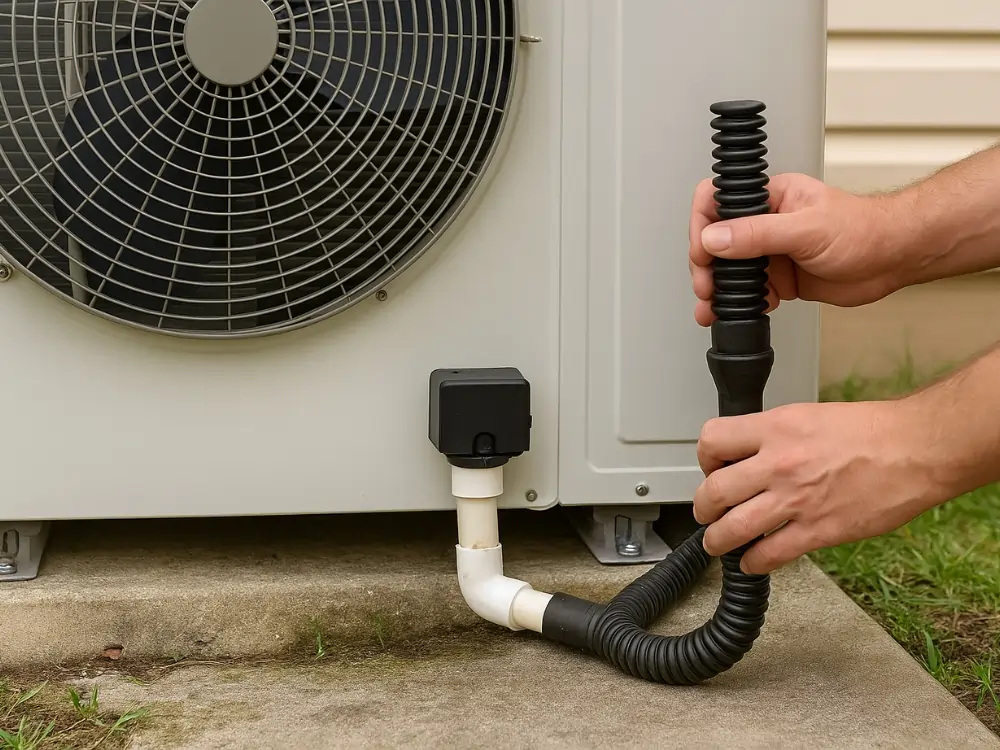
Is your air conditioner not cooling as well as it used to? One common reason could be a dirty air conditioner pipe.
When your AC pipe gets clogged or dirty, it can reduce efficiency, cause leaks, and even damage your system. But don’t worry—you don’t have to call a technician every time. In this guide, you’ll learn simple, step-by-step ways to clean your air conditioner pipe yourself.
By the end, you’ll be able to keep your AC running smoothly and save money on repairs. Ready to get started? Let’s dive in!
Why Clean Air Conditioner Pipes?
Cleaning air conditioner pipes helps the unit run better. Dirt and mold can block the pipes.
Dirty pipes cause bad smells and reduce cooling power. Cleaning keeps the air fresh and healthy.
Prevent Water Leaks
Clogged pipes stop water from draining. This can cause leaks inside your home.
Cleaning the pipes helps water flow smoothly and stops damage to walls and floors.
Improve Air Conditioner Efficiency
Dirty pipes make the air conditioner work harder. This wastes energy and raises bills.
Clean pipes help the system cool faster and use less electricity.
Reduce Health Risks
Mold and bacteria grow in dirty pipes. These can cause allergies and breathing problems.
Cleaning pipes removes harmful germs and keeps indoor air safe to breathe.
Extend Air Conditioner Life
Regular cleaning stops damage from dirt and moisture buildup. This helps the unit last longer.
Well-maintained pipes lower repair costs and improve overall system health.
Credit: smashingclean.com
Tools And Supplies Needed
Cleaning an air conditioner pipe keeps your system working well. It stops blockages and bad smells. Using the right tools makes the job easier and safer.
Here is a list of tools and supplies you will need. These items help you clean the pipe properly and avoid damage.
Basic Cleaning Tools
- Soft brush to remove dirt
- Vacuum cleaner with a hose attachment
- Bucket to catch water and debris
- Microfiber cloths for wiping
Cleaning Supplies
You need safe and effective cleaners for the pipe. Choose products that do not harm the pipe material or your health.
- Mild detergent or soap
- White vinegar for natural cleaning
- Distilled water for rinsing
- Disinfectant spray (optional)
Protective Gear
Wear protective gear to keep yourself safe during cleaning. It prevents contact with dirt and chemicals.
| Gear | Purpose |
|---|---|
| Gloves | Protect hands from dirt and chemicals |
| Safety glasses | Shield eyes from splashes |
| Face mask | Prevent inhaling dust or fumes |
Safety Precautions
Cleaning an air conditioner pipe requires careful steps to avoid harm. This guide helps you stay safe while doing the task.
Follow these safety tips before and during cleaning to protect yourself and your home.
Turn Off Power Supply
Always switch off the air conditioner and unplug it from the power source. This prevents electric shocks while you work.
Wear Protective Gear
Use gloves and safety glasses to protect your hands and eyes from dirt and cleaning chemicals.
Work In A Well-ventilated Area
Ensure good airflow around the air conditioner to avoid breathing in dust or fumes from cleaning agents.
Use Safe Cleaning Materials
- Choose non-toxic and mild cleaning solutions.
- Avoid strong acids or ammonia-based cleaners.
- Read labels carefully before use.
- Keep cleaning products away from children and pets.
Handle Pipes Carefully
| Action | Reason |
| Do not bend pipes sharply | Prevents damage and leaks |
| Check for cracks before cleaning | Avoids worsening pipe condition |
| Use gentle brushes or cloths | Protects pipe surface |

Credit: www.youtube.com
Turning Off The Power
Before cleaning your air conditioner pipe, always turn off the power. This step keeps you safe from electric shocks.
Turning off the power also protects your air conditioner from damage during cleaning.
Locate The Power Source
Find the air conditioner’s power source. This is usually a switch near the unit or a breaker in your fuse box.
Check the unit’s manual if you cannot find the power source. Always make sure you turn off the correct switch.
Switch Off The Breaker Or Power Switch
Flip the breaker switch or power switch to the OFF position. This stops electricity from reaching the air conditioner.
Double-check that the unit has no power by trying to turn it on after switching off the power.
Use A Voltage Tester For Safety
A voltage tester helps confirm that no electricity flows to the air conditioner. This tool is easy to use and important for safety.
- Touch the tester probes to the power wires.
- If no light or sound appears, the power is off.
- If the tester shows power, turn off the breaker again and test once more.
Inform Others Before Cleaning
Tell family members or coworkers that you switched off the power. This prevents others from turning it back on accidentally.
Place a note or sign near the power source to warn others about the cleaning work.
Accessing The Pipe
Cleaning an air conditioner pipe starts with finding the pipe. You need clear access to clean it well.
Some pipes are hidden or hard to reach. Knowing where to look helps you clean the pipe safely.
Locate The Drain Pipe
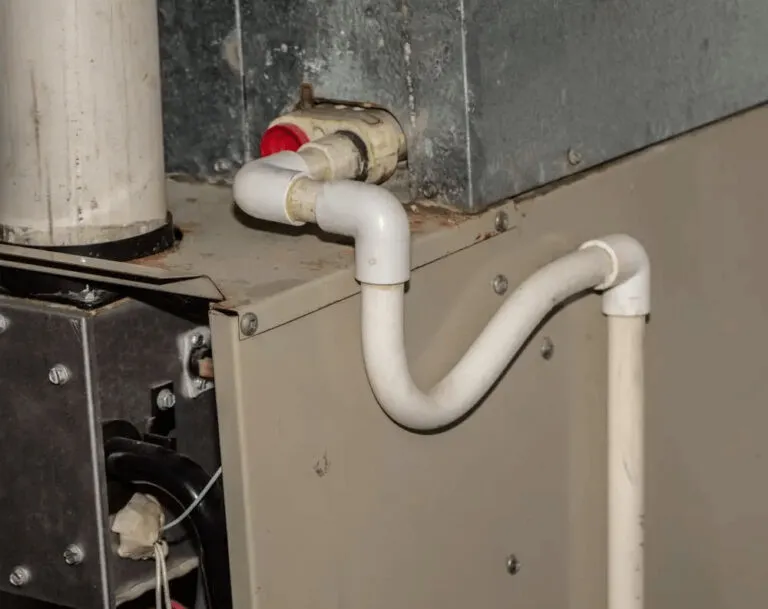
The drain pipe is usually near the outdoor unit or inside the wall. It carries water outside the house.
Look for a small white or black plastic tube. It may lead to a drain or the ground outside.
Remove The Cover Or Panel
Some pipes are inside the indoor unit behind a cover or panel. You must remove it carefully.
Use a screwdriver to take off screws. Keep the screws safe to put the cover back later.
Clear Around The Pipe Area
Remove any objects blocking your way to the pipe. This makes cleaning easier and safer.
- Move furniture or plants away
- Clear dust and dirt near the pipe
- Ensure good lighting for visibility
Use Tools To Reach Tight Spots
Some pipes are in tight spaces. Use tools like a flashlight or small brush to access them.
- Flashlight to see inside dark spots
- Flexible brush to clean narrow pipes
- Small vacuum to remove dust
Cleaning The Pipe
Cleaning the air conditioner pipe helps maintain good airflow and prevents clogs. Regular cleaning stops water leaks and keeps the system working well.
This guide shows easy ways to clean the pipe safely and effectively. Follow these simple methods to keep your air conditioner in top shape.
Using A Vacuum
A vacuum can remove dirt and dust from the pipe quickly. Use a wet/dry vacuum with a narrow nozzle for best results.
- Turn off the air conditioner before cleaning.
- Attach the vacuum nozzle to the pipe opening.
- Turn on the vacuum and suck out debris carefully.
- Move the nozzle inside the pipe to reach all areas.
- Repeat if needed until the pipe is clear.
Flushing With Water
Flushing the pipe with water helps remove buildup inside. Use clean water and a hose or a container to flush out dirt.
- Switch off the air conditioner before flushing.
- Disconnect the pipe from the unit carefully.
- Pour water slowly through the pipe to wash away grime.
- Use gentle pressure to avoid damage.
- Let the pipe dry completely before reconnecting.
Applying Cleaning Solutions
Cleaning solutions help break down mold and slime inside the pipe. Use safe, mild cleaners designed for air conditioners.
| Cleaning Solution | Use | Note |
| White vinegar | Remove mold and bacteria | Mix with water 1:1 |
| Baking soda paste | Clean slime and dirt | Apply, then flush with water |
| Commercial coil cleaner | Deep clean inside pipes | Follow product instructions |
Apply the solution inside the pipe and wait 10-15 minutes. Then flush with water to clear the cleaner and dirt.
Reassembling The Unit
After cleaning the air conditioner pipe, you need to put the parts back together. Proper reassembly ensures the unit works well and stays safe.
Follow each step carefully to avoid damage. Check that all parts fit tightly and no leaks occur.
Reconnect The Pipes
Start by reconnecting the cleaned pipes to their original positions. Make sure the connections are secure to avoid water leaks.
Secure The Insulation
Wrap the insulation around the pipes tightly. Insulation helps keep the cooling system efficient and prevents condensation.
- Check for any torn or worn insulation
- Replace damaged insulation if needed
- Use tape to hold insulation firmly in place
Reattach The Drain Pan
Place the drain pan back under the unit. It collects water from the air conditioner pipe and stops leaks.
| Drain Pan Checkpoints | Action |
| Cleanliness | Remove any dirt or debris |
| Position | Place it correctly under the drain pipe |
| Stability | Ensure it is stable and not loose |
Test The Unit
Turn on the air conditioner to check for leaks or strange sounds. Watch the pipes and drain pan carefully.
- Run the unit for at least 10 minutes
- Look for any water dripping
- Listen for unusual noises
- Check if the air cools properly
Testing The Air Conditioner
Testing your air conditioner ensures it works well after cleaning the pipe. You can spot problems early and keep your home cool.
Follow simple checks to confirm your air conditioner runs smoothly and safely. These tests help you avoid bigger issues later.
Check The Power Supply
Make sure the air conditioner is plugged in and the circuit breaker is on. A stable power supply is key for testing the unit.
Listen For Unusual Noises
Turn on the air conditioner and listen carefully. Strange sounds may show a problem in the motor or fan.
Measure The Cooling Performance
Test if the air conditioner cools the room properly. Use a thermometer to compare the air temperature before and after running the unit.
- Check the room temperature before turning on the AC.
- Run the air conditioner for 15 minutes.
- Measure the temperature of the air coming out of the vents.
- Compare the two readings to see if the AC cools effectively.
Inspect The Drainage
Look at the air conditioner pipe to see if water drains well. Blocked pipes cause leaks and reduce cooling power.
| Test | What to Look For | Result Meaning |
|---|---|---|
| Power Supply | Unit powers on without tripping breaker | Good electrical connection |
| Noise Check | No loud or grinding sounds | Motor and fan working well |
| Cooling | Temperature drops 5-10°F after 15 minutes | Effective cooling |
| Drainage | Water flows freely through pipe | No blockages |
Maintenance Tips
Cleaning your air conditioner pipe is important to keep it running well. Dirt and debris can block the pipe and cause problems.
Regular care helps prevent costly repairs and keeps the air fresh and cool.
Regular Cleaning Schedule
Set a cleaning routine to keep the pipe clear. Clean the pipe every 3 to 6 months depending on use and environment.
- Turn off the air conditioner and unplug it.
- Locate the pipe and check for dirt or blockage.
- Use a vacuum cleaner or a long brush to clean inside the pipe.
- Flush the pipe with a mild soap solution if needed.
- Rinse with clean water and dry before reconnecting.
Signs Of Potential Issues
Watch for these signs to catch problems early and avoid damage.
| Sign | What It Means |
| Water leaking near the pipe | Pipe blockage or broken drain line |
| Unusual noises from the pipe | Loose parts or clog inside the pipe |
| Foul smell coming from the air vent | Mold or bacteria growth in the pipe |
| Reduced cooling efficiency | Dirty or blocked pipe affecting airflow |

Credit: www.youtube.com
Frequently Asked Questions
How Often Should I Clean My Air Conditioner Pipe?
You should clean the air conditioner pipe every 3 to 6 months. Regular cleaning prevents blockages and maintains efficient airflow. This helps avoid water leaks and mold buildup, ensuring your AC runs smoothly and improves indoor air quality.
What Tools Do I Need To Clean Ac Pipes?
To clean AC pipes, you need a wet-dry vacuum, pipe brush, and mild detergent. These tools help remove dirt, debris, and mold from the pipes, ensuring proper drainage and preventing clogs that can damage your air conditioner.
Can I Use Bleach To Clean Air Conditioner Pipes?
Yes, you can use a diluted bleach solution to clean AC pipes. It effectively kills mold and bacteria but must be used carefully. Always rinse thoroughly afterward to prevent corrosion and avoid damage to the pipe materials.
Why Is My Air Conditioner Pipe Leaking Water?
A leaking AC pipe often indicates a clogged drain or damaged pipe. Dirt, mold, or algae buildup can block water flow, causing leaks. Regular cleaning and inspection prevent leaks and protect your AC unit from water damage.
Conclusion
Cleaning your air conditioner pipe keeps your system working well. It helps stop leaks and bad smells. Regular cleaning saves money on repairs later. Take time to check the pipe often. Use simple tools and safe cleaners. A clean pipe means cool air and fresh rooms.
Keep your home comfortable all year. Small efforts bring big comfort. Try these tips and enjoy a cleaner AC.