Is your air conditioner not cooling as well as it used to? Or maybe you’ve noticed dust blowing out from your vents?
Your air conditioner vent might be the hidden culprit. Cleaning your AC vents is easier than you think, and it can make a big difference in the air quality and efficiency of your system. You’ll discover simple, effective steps to clean your air conditioner vent yourself—saving money and improving your home’s comfort.
Ready to breathe fresher air and keep your AC running smoothly? Let’s get started!
Why Clean Ac Vents
Cleaning air conditioner vents helps keep your home air fresh. It also makes the AC work better.
Dirty vents can cause problems for your health and the AC system. Regular cleaning is important.
Benefits Of Clean Vents
Clean vents improve air quality and save energy. They stop dust and allergens from spreading indoors.
- Better air flow for cooler rooms
- Reduced dust and allergens inside the house
- Lower energy bills due to efficient AC operation
- Longer lifespan of the air conditioner
- Less chance of mold growth in the vents
Risks Of Dirty Vents
Dirty vents can cause health issues and damage the AC unit. They spread dust, mold, and bacteria.
| Risk | Effect |
| Allergens in air | Triggers allergies and asthma |
| Mold growth | Causes respiratory problems |
| Blocked airflow | AC works harder, wastes energy |
| Bad odors | Unpleasant smell in rooms |
| System damage | Costly repairs or replacements |

Credit: www.blingstrom.com
Tools Needed
Cleaning your air conditioner vent keeps the air fresh. You need the right tools to do it effectively.
Having the correct supplies ensures a thorough job. Let’s look at what you need.
Basic Cleaning Supplies
These supplies help in removing dust and debris from vents.
- Soft brush for dusting
- Vacuum with a hose attachment
- Dish soap and warm water
- Microfiber cloths for wiping
- Screwdriver for opening the vent
Optional Equipment
Optional tools make cleaning easier and more efficient.
| Equipment | Use |
| Compressed air canister | Blow away trapped dust |
| Portable steamer | Deep clean stubborn grime |
| Extension pole | Reach high vents easily |
Preparation Steps
Cleaning your air conditioner vent helps keep the air fresh and your unit working well. Before you start, you need to get ready.
Proper preparation makes the cleaning safe and easier. Follow these simple steps to prepare.
Turn Off The Ac
Always turn off your air conditioner before cleaning the vent. This stops the unit from running while you work.
Switch off the power at the thermostat or main power source. This avoids any accidents or electric shocks.
Protect Surrounding Areas
Cleaning the vent can cause dust and dirt to fall. Protect nearby furniture and floors to keep them clean.
- Cover furniture with old sheets or plastic covers
- Place a drop cloth or newspaper under the vent area
- Wear old clothes and use a mask to avoid dust inhalation

Credit: www.reddit.com
Cleaning Process
Cleaning your air conditioner vent helps improve air flow and air quality. Regular cleaning removes dust and dirt that block the vent.
This guide explains simple steps to clean your air conditioner vent safely and effectively.
Remove Vent Covers
Start by turning off your air conditioner. Gently remove the vent covers from the wall or ceiling. Use a screwdriver if needed. Handle the covers carefully to avoid damage.
Vacuum Dust And Debris
Use a vacuum cleaner with a brush attachment. Vacuum both sides of the vent covers. Clean around the vent opening to remove dust and debris. This step reduces allergens and helps your AC run better.
Wash Vent Covers
Fill a basin with warm water and mild soap. Soak the vent covers for 10 minutes. Use a soft brush to scrub dirt off. Rinse with clean water and dry completely before reinstalling.
- Use mild soap only
- Do not use harsh chemicals
- Dry covers fully to prevent rust or mold
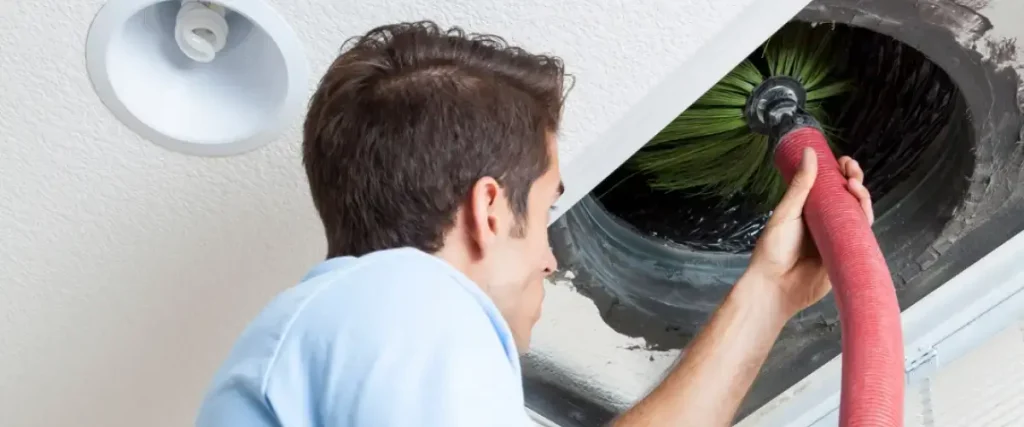
Clean Inside The Ducts
| Tool | Purpose |
|---|---|
| Vacuum with hose | Remove dust deep inside ducts |
| Brush | Loosen stuck dirt and debris |
| Cloth | Wipe duct edges and surfaces |
Reach inside the ducts with a vacuum hose. Use a brush to loosen dirt on duct walls. Wipe accessible areas with a cloth. Avoid pushing dirt deeper into the system.
Drying And Reinstallation
After cleaning your air conditioner vent, drying it properly is very important. This helps stop mold and rust from forming on the vent parts.
Once the vent covers are dry, you can reinstall them safely. Proper reinstallation keeps your air conditioner working well.
Dry Vent Covers Properly
Make sure the vent covers are completely dry before putting them back. Wet covers can cause damage and bad smells.
- Use a clean towel to wipe off water.
- Let the covers air dry in a warm, dry place.
- Avoid direct sunlight to prevent warping.
- Check all corners and crevices for moisture.
- Wait at least 2 hours before reinstalling.
Reattach Vent Covers
Reattaching vent covers correctly keeps your air conditioner safe and clean. Follow these simple steps to reinstall the covers:
- Align the vent cover with the duct opening.
- Secure the cover using screws or clips.
- Make sure the cover fits tightly without gaps.
- Test the cover by gently pressing it to check stability.
- Turn on the air conditioner to confirm airflow is not blocked.
| Tool Needed | Purpose |
| Screwdriver | Secure screws to hold cover |
| Clips | Attach cover if no screws used |
| Towel | Wipe off moisture before reinstallation |
| Flashlight | Check for tight fit and gaps |

Credit: blossomaircon.com
Maintenance Tips
Keeping your air conditioner vents clean helps it run better. Dirt and dust block airflow and reduce cooling.
Regular care prevents damage and saves energy. Follow these simple tips to maintain your vents.
Regular Cleaning Schedule
Set a routine to clean your air conditioner vents every few months. This keeps dust from building up inside.
- Turn off the air conditioner before cleaning.
- Remove vent covers carefully and wash with mild soap and water.
- Use a vacuum with a brush attachment to clean inside the vents.
- Dry vent covers completely before putting them back.
- Wipe the area around vents to catch dust and dirt.
Air Filter Replacement
Replace air filters regularly to keep the air clean and the system efficient. Dirty filters reduce airflow and strain the unit.
| Filter Type | Replacement Frequency | Notes |
| Standard Fiberglass | Every 30 days | Cheap but less efficient |
| Pleated Filters | Every 90 days | Better at trapping dust |
| HEPA Filters | Every 6 months | Best for allergies |
Frequently Asked Questions
How Often Should I Clean Air Conditioner Vents?
Clean air conditioner vents every 3 to 6 months. Regular cleaning prevents dust buildup and improves airflow. This helps maintain system efficiency and air quality. More frequent cleaning may be needed in dusty environments or during heavy use.
What Tools Do I Need To Clean Vents Safely?
Use a vacuum with brush attachment, microfiber cloth, and mild detergent. Avoid harsh chemicals that can damage vents. A screwdriver may be needed to remove vent covers. Proper tools ensure thorough and safe cleaning without harming the system.
Can Dirty Vents Affect Air Conditioner Performance?
Yes, dirty vents restrict airflow and reduce cooling efficiency. Dust buildup forces the system to work harder, increasing energy costs. Regular vent cleaning helps maintain optimal performance and prolongs air conditioner lifespan.
Is It Safe To Clean Vents Without Professional Help?
Yes, cleaning vents yourself is safe with proper precautions. Turn off the air conditioner before cleaning. Use gentle tools to avoid damage. Seek professional help for deep duct cleaning or complex issues.
Conclusion
Cleaning your air conditioner vent keeps air fresh and healthy. Dust and dirt block airflow and reduce cooling power. Regular cleaning helps your AC work better and last longer. It also lowers energy bills by improving efficiency. A simple brush and vacuum can do the job well.
Remember to check vents every few months for dirt build-up. Clean vents mean cleaner air and a cooler home. Easy to do, worth the effort. Keep your AC vent clean for a comfortable living space all year.