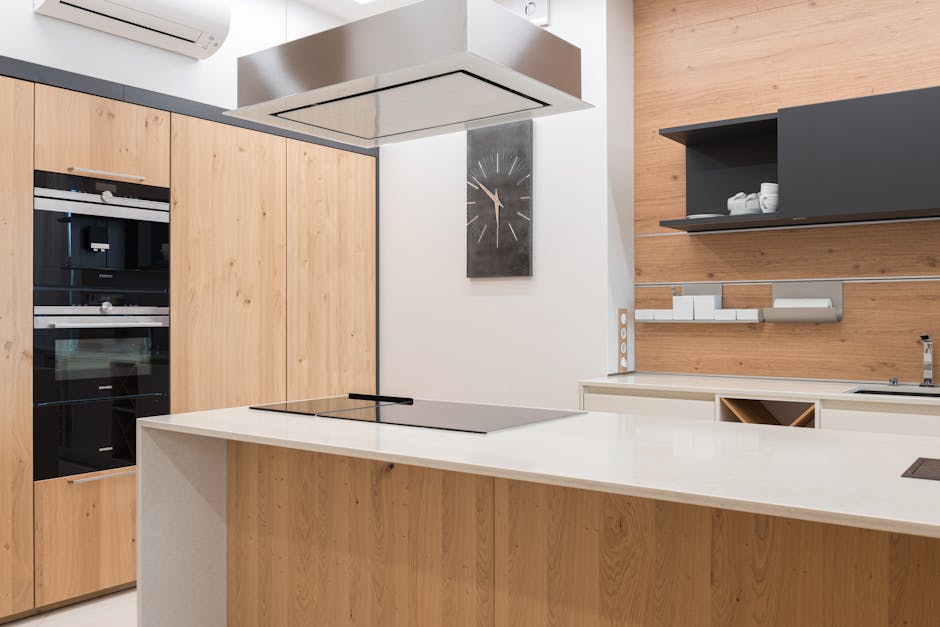
Are you tired of those stubborn stains and smudges on your induction cooktop? You’re not alone.
Keeping your kitchen spotless can be a challenge, especially when it comes to maintaining the sleek look of your induction cooktop. But what if cleaning it was easier than you thought? Imagine the satisfaction of seeing your cooktop gleam like new, reflecting your commitment to a pristine cooking space.
In this guide, we’ll reveal the secrets to effortlessly cleaning your induction cooktop, ensuring it looks brand new every day. Let’s dive into the simple yet effective steps that will make your cooktop the envy of every kitchen.
Safety First
Cleaning your induction cooktop safely is key to keeping it in great condition and avoiding accidents. Before you even think about scrubbing away stains or spills, put safety at the top of your list. Taking simple precautions protects both you and your cooktop from damage.
Turn Off And Unplug
Always make sure your cooktop is turned off before you begin cleaning. Even if it looks like it’s off, double-check the control panel to be certain. Unplugging the cooktop is even better; it cuts power completely and stops any chance of electric shock.
Have you ever tried cleaning a cooktop that still had power? It’s risky and can lead to burns or electrical hazards. Taking a moment to unplug can save you from unexpected injuries.
Cool Down Completely
Never clean your induction cooktop while it’s still hot. The surface can stay warm for several minutes after cooking, and touching it too soon can cause burns. Wait until the cooktop feels room temperature to the touch before you start wiping it down.
Think about the last time you touched a hot pan by mistake—did it hurt? The same principle applies to your cooktop. Being patient and waiting for it to cool is a simple way to protect your hands and ensure safe cleaning.
Credit: www.elica.com
Gathering Cleaning Tools
Before cleaning an induction cooktop, gather the right tools. The right supplies make cleaning easier and safer. Using improper items can scratch or damage the surface. Prepare everything to avoid interruptions during cleaning. This helps achieve a spotless cooktop quickly.
Recommended Cleaners
- Mild dish soap mixed with warm water
- White vinegar for removing stains and grease
- Baking soda for tough, stuck-on residue
- Specialized induction cooktop cleaner for gentle care
- Isopropyl alcohol for disinfecting and streak-free shine
Essential Cleaning Supplies
- Soft microfiber cloths to avoid scratches
- Non-abrasive sponge for gentle scrubbing
- Plastic scraper to lift burnt-on food safely
- Spray bottle for applying cleaners evenly
- Paper towels for drying and polishing
Daily Cleaning Routine
Keeping your induction cooktop clean every day helps it last longer. A simple daily routine stops stains from sticking. It also keeps the surface safe and shiny. Small efforts each day save big cleaning jobs later.
Wiping Spills Immediately
Spills can burn and leave marks fast. Wipe any spills right after cooking cools. Use a damp cloth or paper towel for quick cleanup. This stops food from hardening and scratching the glass surface. Don’t let liquids sit on the cooktop.
Using A Soft Cloth
Choose a soft cloth to clean the cooktop surface. Avoid rough or abrasive materials that can scratch the glass. Microfiber cloths work best for gentle cleaning. Dampen the cloth slightly with water for better results. Regular wiping keeps the cooktop looking new.

Credit: www.youtube.com
Deep Cleaning Steps
Deep cleaning an induction cooktop keeps it looking new and working well. It removes tough stains and food buildup that daily cleaning misses. Follow these steps carefully to protect the cooktop’s surface and maintain its performance.
Removing Stubborn Stains
Stains from burnt food or spills can be hard to clean. Use a damp cloth with warm, soapy water to soften the stain. Let it sit for a few minutes to loosen the dirt. Gently rub the area in small circles to lift the stain. Avoid scrubbing too hard to prevent scratches.
Using A Scraper Safely
A scraper helps remove burnt-on residue without damaging the glass surface. Hold the scraper at a 45-degree angle. Carefully slide it across the stain, using light pressure. Do not press too hard to avoid scratching the cooktop. Always use a scraper designed for glass cooktops.
Applying Cleaning Solutions
Choose a cleaner made for induction cooktops or a mild glass cleaner. Apply the solution to a soft cloth or sponge, not directly on the surface. Wipe the cooktop gently in circular motions. Rinse with a clean, damp cloth to remove any residue. Dry the surface with a microfiber cloth to prevent streaks.
Avoiding Damage
Protecting your induction cooktop from damage is key to keeping it looking new and working efficiently. Avoiding common mistakes can save you from costly repairs and frustration. Let’s look at how to handle your cooktop gently and what to steer clear of during cleaning.
What Not To Use
Never use abrasive cleaners or scouring pads on your induction cooktop. Harsh chemicals like bleach or ammonia can eat away at the surface and dull its finish.
Avoid steel wool or metal scrubbers—they scratch the glass surface easily. Instead, opt for soft cloths or sponges designed for delicate surfaces.
Also, skip using sharp tools to scrape off stuck-on food. They might seem effective, but they risk permanent damage. Have you ever damaged a screen by using the wrong cleaner? It’s a costly mistake you want to avoid here.
Preventing Scratches
Scratches are one of the most common problems for induction cooktops. To prevent them, always lift pots and pans instead of sliding them across the surface.
Use cookware with smooth, flat bottoms to avoid creating scratches. Avoid cast iron or rough-bottomed pans that can easily mar the glass.
Consider placing a silicone mat or a soft cloth under your cookware when it’s not in use. This simple step can protect your cooktop from accidental scratches and marks.
Maintaining Shine
Maintaining the shine of your induction cooktop keeps it looking new and makes cooking more enjoyable. A glossy surface not only reflects cleanliness but also helps you spot spills and stains quickly. Let’s look at simple ways to keep your cooktop gleaming every day.
Polishing Tips
Use a soft microfiber cloth to polish your cooktop after cleaning. Avoid abrasive materials that can scratch the glass surface.
Try using a small amount of white vinegar or a specialized glass cooktop cleaner to bring out the shine. Apply it gently in circular motions until the surface looks bright and streak-free.
Have you noticed how a quick polish can make even old stains less visible? This quick step can save you from scrubbing later.
Regular Care Habits
Wipe spills immediately with a damp cloth before they harden. This prevents stubborn stains and keeps your cooktop smooth.
- Use a gentle cleaner suited for glass surfaces.
- Dry the surface thoroughly after cleaning to avoid water spots.
- Keep sharp or heavy objects away to prevent accidental scratches.
Do you check your cooktop daily for tiny spills? Small habits like this can protect your investment and keep your kitchen looking stylish.
Troubleshooting Common Issues
Troubleshooting common issues on your induction cooktop can save you time and keep your kitchen looking pristine. Small problems like burn marks and residue build-up can seem frustrating, but with the right approach, they’re easy to fix. Let’s dive into practical solutions that you can apply right away.
Handling Burn Marks
Burn marks happen when food spills or sugar-based ingredients overheat on the surface. You might feel tempted to scrub hard, but harsh abrasives can damage the glass top. Instead, gently soften the marks by placing a damp cloth over them and heating the cooktop on low for a few minutes. This loosens the burnt residue, making it easier to wipe away.
Use a scraper designed specifically for glass cooktops to carefully lift off stubborn spots. Avoid using metal utensils that can scratch the surface. Have you noticed how a little patience with heat and moisture works wonders before scrubbing?
Dealing With Residue Build-up
Residue build-up often comes from spills, grease, or mineral deposits from water. To tackle this, start by wiping the surface with a soft cloth soaked in warm, soapy water. This step removes the loose dirt and grease without harming the cooktop.
If the residue persists, mix equal parts of white vinegar and water in a spray bottle and mist the surface. Vinegar’s acidity cuts through mineral deposits and grease without leaving streaks. After spraying, wait a few minutes before wiping it off with a clean microfiber cloth.
Regular maintenance prevents heavy build-up. How often do you clean your cooktop after cooking? A quick wipe after each use keeps your surface spotless and ready for the next meal.
Credit: www.kitchenaid.com
Frequently Asked Questions
How Do You Safely Clean An Induction Cooktop?
Use a soft cloth with warm, soapy water to clean the surface. Avoid abrasive pads or harsh chemicals that can scratch the glass.
What Household Items Remove Tough Stains On Induction Cooktops?
A mixture of baking soda and water forms a gentle scrub. Apply it to stains, let sit, then wipe with a damp cloth.
Can Vinegar Be Used On Induction Cooktops?
Yes, vinegar helps remove mineral deposits and streaks. Spray diluted vinegar on the cooktop and wipe clean with a soft cloth.
How Often Should I Clean My Induction Cooktop?
Clean the cooktop after every use to prevent buildup. Regular wiping keeps it looking new and ensures efficient performance.
Conclusion
Cleaning an induction cooktop keeps it working well and looking nice. Use soft cloths and gentle cleaners to avoid damage. Clean spills quickly to prevent stains and scratches. Regular care saves time and effort later. A clean cooktop makes cooking safer and more enjoyable.
Small steps each day keep your kitchen fresh. Take a few minutes to wipe after cooking. Your cooktop will stay shiny and last longer. Simple habits bring big benefits.