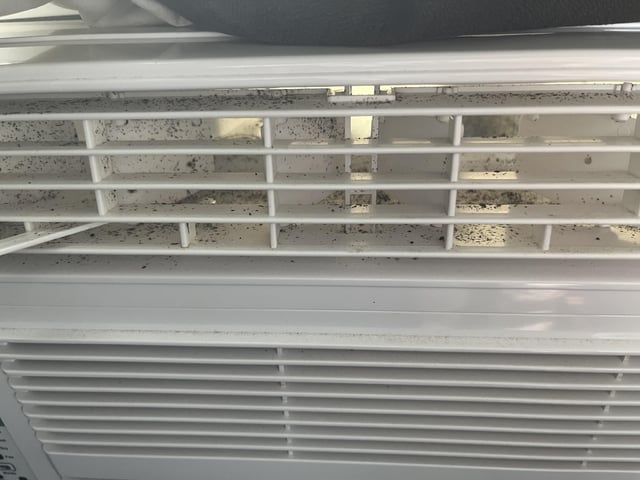
Is your air conditioner giving off a musty smell or leaving black spots around the vents? That’s a clear sign of black mold growing inside your unit.
Ignoring it can harm your health and damage your AC. But don’t worry—you can clean it yourself safely and effectively. You’ll discover simple, step-by-step methods to remove black mold from your air conditioner and keep your home fresh and healthy.
Keep reading, because your comfort and well-being depend on it.

Credit: www.reddit.com
Signs Of Mold In Ac
Mold can grow inside your air conditioner if it stays damp. It can cause health problems and damage your AC unit.
Knowing the signs of mold in your AC helps you clean it early. This keeps your air fresh and safe to breathe.
Visible Mold Spots
You may see black or green spots on the AC vents or filters. These spots look fuzzy or slimy and are clear signs of mold.
Check areas that stay wet or have dirt. Mold grows best in dark, damp places inside the AC.
- Look behind vents and near drip pans
- Check filters and coils for discoloration
- Spot areas with a slimy or fuzzy texture
Musty Odor
A strong musty smell from your AC is a common sign of mold. This smell comes from mold spores released in the air.
If you notice a bad odor that gets worse when the AC runs, mold might be inside the unit or ducts.
- Smell near air vents and filters
- Check if the odor is stronger after AC use
- Notice if the smell stays even after cleaning
Reduced Airflow
Mold growth can block air passages in your AC. This causes less air to flow out of the vents.
If your AC feels weaker or takes longer to cool a room, mold could be the cause. Clean the unit to restore airflow.
- Notice if air feels weaker than usual
- Check for clogged vents or filters
- Listen for unusual sounds in the AC
Health Risks Of Mold Exposure
Black mold in air conditioners can cause serious health problems. Mold releases spores into the air. These spores can affect your body when you breathe them in.
Knowing the health risks helps you take action. It is important to clean mold quickly to stay safe and healthy.
Allergic Reactions
Many people get allergic reactions from mold spores. These reactions can happen soon after exposure.
- Sneezing and runny nose
- Red, itchy, or watery eyes
- Skin rash or irritation
- Itchy throat and coughing
Respiratory Issues
Mold spores can cause trouble in your lungs. Breathing mold may worsen asthma and other lung problems.
| Symptom | Description |
| Coughing | Dry or wet cough that lasts |
| Wheezing | Whistling sound when you breathe |
| Shortness of Breath | Feeling like you cannot get enough air |
| Chest Tightness | Pressure or pain in the chest area |
Long-term Effects
Repeated mold exposure can cause serious health problems over time. These effects may not be easy to see at first.
Long-term health risks include:
- Chronic sinus infections
- Persistent fatigue and headaches
- Lung infections or damage
- Weakened immune system
Tools And Materials Needed
Cleaning black mold from your air conditioner requires certain tools and materials. You need to prepare before starting the cleaning process. This helps make the job safer and more effective.
Below are the key items you should have ready. They fall into three groups: cleaning solutions, protective gear, and basic tools.
Cleaning Solutions
Choose the right cleaning solution to remove black mold safely. Some solutions kill mold spores and prevent regrowth.
- White vinegar: natural and effective against mold
- Hydrogen peroxide (3%): disinfects and kills mold
- Baking soda mixed with water: gentle and safe cleaner
- Commercial mold removers: follow label instructions carefully
Protective Gear
Wear protective gear to avoid breathing in mold spores or touching them directly. This gear keeps you safe during cleaning.
| Item | Purpose |
| Face mask (N95 recommended) | Protects lungs from spores |
| Gloves (rubber or latex) | Keeps hands safe from mold and chemicals |
| Goggles | Protects eyes from splashes |
| Old clothing or coveralls | Prevents mold on your clothes |
Basic Tools
These tools help you reach and clean mold from your air conditioner properly.
- Screwdriver: to open air conditioner panels
- Soft brush or toothbrush: to scrub mold gently
- Spray bottle: to apply cleaning solutions evenly
- Clean cloths or rags: for wiping and drying
- Bucket: to hold water or cleaning mixtures
Preparation Before Cleaning
Cleaning black mold from your air conditioner is important for healthy air. Proper preparation keeps you safe and helps the job go well.
Follow these steps before you start cleaning to avoid accidents and improve results.
Turn Off Power
Always turn off the power before cleaning the AC unit. This prevents electric shocks and damage to the system.
- Locate the main power switch or circuit breaker for the air conditioner.
- Switch off the power to the unit completely.
- Double-check that the AC is not running before you proceed.
Accessing The Ac Unit
To clean mold, you need to reach the inside parts of the AC unit where mold grows.
| Part | Access Tips |
|---|---|
| Air Filter | Open the front panel to remove the filter easily. |
| Evaporator Coil | Remove the cover carefully to avoid damage. |
| Drain Pan | Use a flashlight to locate and clean the pan fully. |
Ventilation Tips
Good ventilation helps remove mold spores and keeps the air fresh while cleaning.
- Open windows and doors in the room.
- Use fans to increase air flow.
- Wear a mask to avoid breathing mold spores.
Step-by-step Cleaning Process
Black mold in your air conditioner can cause health problems and reduce air quality. Cleaning it regularly keeps your AC safe and working well.
This guide shows you how to clean black mold from your air conditioner in simple steps.
Remove And Clean Filters
Turn off the air conditioner before starting. Remove the filters carefully to avoid spreading mold spores.
Wash the filters with warm water and mild soap. Use a soft brush to scrub away mold and dirt gently.
- Remove filters from the unit
- Rinse with warm water
- Apply mild soap and scrub lightly
- Rinse again and let dry completely
Clean Coils And Fins
Coils and fins collect dust and mold over time. Cleaning them improves air flow and stops mold growth.
Use a soft brush or cloth to clean the coils and fins. Avoid bending the fins as they are delicate.
- Turn off power to the AC unit
- Brush off dust and mold gently
- Use coil cleaner if needed
- Rinse with water carefully
- Let dry before turning on the AC
Disinfect Drain Pan And Lines
The drain pan collects water and mold can grow there. Clean and disinfect it to prevent mold buildup.
Flush the drain lines with a mixture of water and bleach or vinegar to kill mold spores inside the pipes.
- Remove drain pan carefully
- Clean with soap and water
- Disinfect with diluted bleach or vinegar
- Flush drain lines with cleaning solution
- Dry the pan before reinstalling
Wipe Down Exterior Surfaces
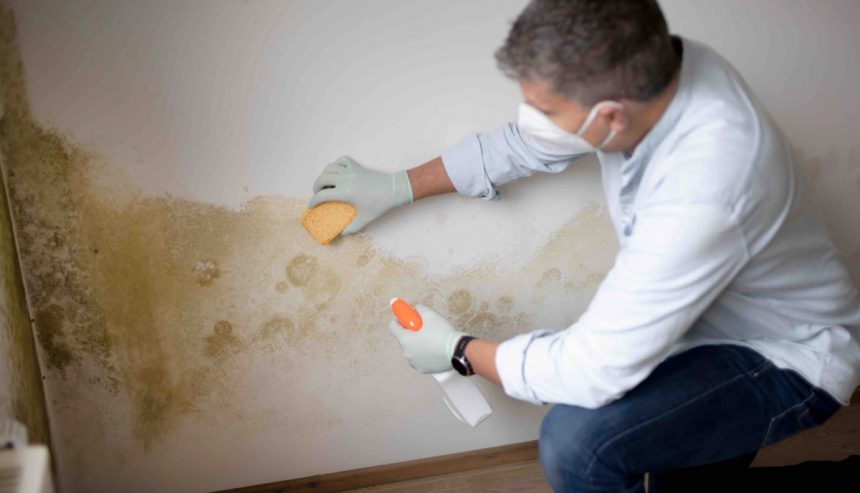
Mold can also grow on the outside of the AC unit. Wipe down all exterior surfaces to keep it clean.
Use a cloth with a mild disinfectant to clean the outside parts. Make sure to dry all surfaces well.
- Use a soft cloth and mild cleaner
- Wipe all exterior surfaces
- Pay attention to vents and grills
- Dry surfaces completely to avoid moisture
Credit: www.puroclean.com
Safe Mold Removal Techniques
Black mold in air conditioners can cause health problems. It is important to clean it safely to avoid spreading spores.
Use the right tools and cleaners to protect yourself and your home while removing mold.
Using Natural Cleaners
Natural cleaners are gentle and safe for removing mold from air conditioners. They reduce harmful chemical exposure.
Common natural cleaners include vinegar and baking soda. These can kill mold and clean surfaces effectively.
- Spray white vinegar directly on moldy areas and let it sit for an hour.
- Use a paste of baking soda and water to scrub mold gently.
- Rinse with water and dry the area well to prevent mold return.
Chemical Cleaners Precautions
Chemical cleaners can remove mold quickly but must be used carefully. They may cause irritation or damage.
Always wear gloves, masks, and eye protection when using strong chemicals like bleach. Keep the area ventilated.
- Do not mix bleach with ammonia or other cleaners.
- Follow the product instructions on the label.
- Test chemicals on a small spot before full use.
Avoiding Cross-contamination
Cross-contamination spreads mold spores to clean areas. It can make the problem worse during cleaning.
Use separate cloths and tools for moldy and clean parts. Dispose of or wash cleaning materials after use.
- Wear disposable gloves and change them if they touch clean surfaces.
- Seal moldy debris in plastic bags before throwing it away.
- Clean hands and clothes thoroughly after mold removal.
Preventing Mold Regrowth
Cleaning black mold from your air conditioner is important. Stopping mold from coming back keeps your air fresh and safe.
Taking simple steps can help prevent mold growth. These steps focus on keeping the air conditioner dry and clean.
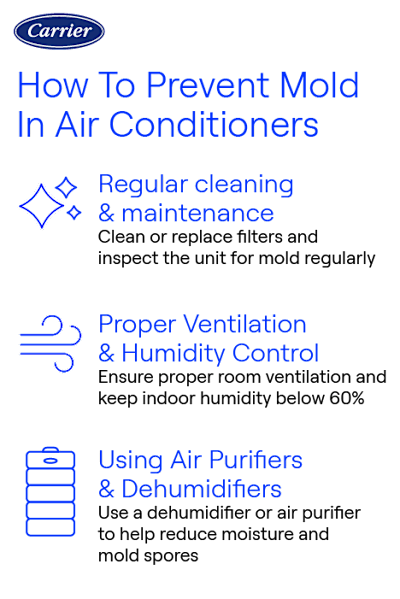
Regular Maintenance
Check and clean your air conditioner often. Dirt and dust give mold a place to grow.
Replace air filters every one to three months. Clean the coils and drain pans to stop mold buildup.
- Clean or replace filters regularly
- Inspect and clean coils monthly
- Clear drain pans and drain lines
- Schedule professional check-ups yearly
Control Humidity Levels
Mold grows well in moist places. Keep the humidity in your home below 60% to stop mold.
Use a dehumidifier in damp rooms. Fix leaks and avoid letting water collect near the air conditioner.
- Use dehumidifiers if needed
- Fix water leaks quickly
- Keep windows closed in humid weather
- Dry wet areas fast
Improve Air Circulation
Good airflow helps keep moisture low. It also stops mold from settling on air conditioner parts.
Use fans to move air in rooms. Keep vents clean and open to allow fresh air to flow.
- Use ceiling or portable fans
- Keep air vents free from blockages
- Open windows when possible
- Arrange furniture to allow air flow
Credit: www.carrier.com
When To Call Professionals
Cleaning black mold from your air conditioner is important for health and comfort. Some situations need a professional to handle the problem safely and fully.
Knowing when to call experts helps avoid damage to your AC and your home. Professionals have tools and skills to remove mold completely.
Extensive Mold Infestation
If mold covers a large area inside the air conditioner, it is too big to clean yourself. Extensive mold can spread spores that harm your health.
- Visible mold covers multiple parts of the unit
- Mold grows deep inside vents and ducts
- Mold returns quickly after cleaning attempts
In these cases, a professional can use special equipment to remove all mold and prevent it from coming back.
Persistent Odors
Black mold often causes a musty smell. If this odor stays even after cleaning, the mold may be hidden in hard-to-reach places.
Signs you need a professional for persistent odors:
- Musty smell inside the room after AC runs
- Odor returns soon after cleaning filters
- Smell worsens when AC turns on
Experts can find hidden mold and clean the entire system properly. This stops the smell and improves air quality.
System Malfunctions
Mold buildup can cause your air conditioner to work poorly. You might notice strange noises or less airflow.
| Problem | Possible Mold Cause | Why Call a Professional |
| Low Airflow | Blocked vents or coils | Needs deep cleaning inside unit |
| Strange Noises | Mold affecting fan or motor | Requires expert inspection |
| Frequent Breakdowns | Mold damage to components | Needs repair and mold removal |
Calling a professional ensures your AC works well and stays clean. They can fix mold damage and protect your system.
Frequently Asked Questions
What Causes Black Mold In Air Conditioners?
Black mold in air conditioners is typically caused by moisture buildup. This can occur due to poor ventilation, clogged filters, or leaks. Mold thrives in damp, dark environments, making AC units a common breeding ground. Regular maintenance and cleaning can help prevent mold growth.
How Often Should I Clean My Air Conditioner?
It’s recommended to clean your air conditioner every three months. Regular cleaning prevents mold and maintains efficiency. If you notice musty odors or visible mold, clean immediately. Regular maintenance ensures your unit operates effectively and safely.
Can I Use Bleach To Clean Black Mold?
Yes, bleach is effective against black mold on non-porous surfaces. Mix one cup of bleach with one gallon of water. Apply the solution to the affected area, let it sit for 15 minutes, then scrub and rinse thoroughly. Always ensure proper ventilation when using bleach.
Are There Natural Remedies For Cleaning Black Mold?
Yes, vinegar and baking soda are effective natural remedies. Spray undiluted white vinegar on the mold, let it sit for an hour, then scrub. Alternatively, mix baking soda with water to form a paste, apply it to the mold, scrub, and rinse.
These methods are eco-friendly and safe.
Conclusion
Cleaning black mold from your air conditioner keeps your home safe and fresh. Regular checks stop mold from growing back. Use the right tools and cleaners for best results. Always wear gloves and a mask while cleaning. Clean air conditioners help improve air quality and reduce allergies.
Small steps make a big difference in mold control. Stay consistent to keep your AC mold-free and working well. Your health and comfort depend on a clean air system. Take care of your AC regularly for lasting benefits.