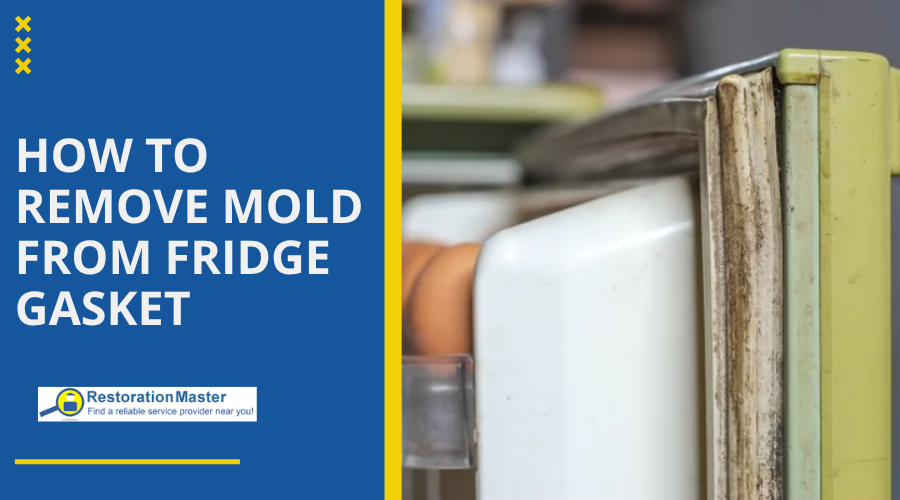
Black mold in your refrigerator isn’t just unpleasant to look at—it can be harmful to your health and ruin your food. If you’ve spotted those dark spots inside your fridge, you probably want to act fast but aren’t sure where to start.
Don’t worry—this guide will walk you through simple, effective steps to clean black mold safely and keep your fridge fresh. By the end, you’ll know exactly how to protect your family and your food from this common problem. Keep reading to learn how to tackle black mold in your refrigerator once and for all.

Credit: www.reddit.com
Identifying Black Mold In Your Fridge
Black mold in your refrigerator can be more than just an eyesore; it poses health risks and can affect the freshness of your food. Spotting it early is key to keeping your fridge safe and clean. But how do you know if what you see is really black mold or just some harmless dirt or food residue?
Common Mold Spots
Black mold loves damp, dark places where food particles and moisture meet. Check these areas closely:
- Door seals:The rubber gaskets around your fridge door often trap moisture and crumbs.
- Drip pans:These catch water from condensation and spills, creating a perfect mold habitat.
- Shelves and drawers:Especially under and around spills or leaks.
- Behind the fridge:Sometimes mold hides where you least expect it, like the back wall or vents.
Have you ever noticed a slimy or fuzzy patch in these spots? That’s often a sign mold is taking hold.
Signs Of Mold Growth
Besides the obvious black or dark green patches, watch for these clues:
- Musty smell:A persistent, damp odor inside your fridge can signal mold.
- Discoloration:Stains or spots that don’t wipe away easily might be mold colonies.
- Food spoilage:If your food seems to go bad faster than usual, mold could be the culprit.
I once ignored a faint smell, thinking it was just old leftovers. Turns out, mold had started growing behind the vegetable drawer. Catching it early saved me from a big cleaning job and potential health issues.
Are you paying enough attention to the small signs in your fridge? Identifying mold early means you can clean it effectively and keep your food safe.
Credit: restorationmasterfinder.com
Safety Precautions Before Cleaning
Cleaning black mold from your refrigerator requires careful safety steps. Mold spores can harm your health if not handled properly. Taking safety precautions protects your lungs, skin, and eyes during the cleaning process.
Prepare your cleaning area and yourself before starting. This reduces the risk of spreading mold or breathing in spores. Follow these simple safety tips to keep the task safe and effective.
Protective Gear To Wear
- Wear gloves to protect your hands from mold and cleaning agents.
- Use a mask or respirator to avoid inhaling mold spores.
- Put on safety goggles to shield your eyes from irritants.
- Wear long sleeves and pants to cover exposed skin.
Ventilation Tips
- Open windows and doors near the refrigerator.
- Turn on exhaust fans or use a portable fan to circulate air.
- Keep the area well-ventilated to reduce mold spore concentration.
- Avoid staying in a closed room during cleaning.
Gathering Cleaning Supplies
Before tackling black mold in your refrigerator, gathering the right cleaning supplies is crucial. Having everything ready saves time and ensures a thorough job. It also protects your health and prevents the mold from spreading further.
Effective Cleaning Agents
Not all cleaning agents work well against mold. You need something strong enough to kill mold spores but safe to use near food.
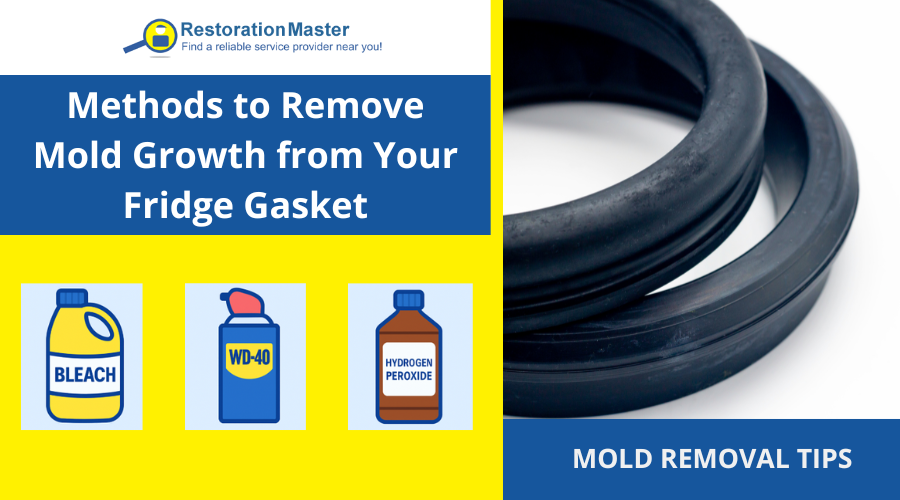
- White vinegar:Natural, non-toxic, and effective at killing most mold types.
- Baking soda:Great for scrubbing and deodorizing surfaces.
- Hydrogen peroxide (3% solution):Powerful mold killer that also whitens stains.
- Commercial mold removers:These are specifically designed for tough mold but check if they’re safe for refrigerators.
Which of these do you already have at home? Sometimes, simple household items do the trick better than expensive cleaners.
Tools Needed
Having the right tools makes cleaning easier and more effective. You want to reach every corner and avoid spreading mold spores.
- Rubber gloves:Protect your hands from mold and harsh chemicals.
- Scrub brushes and sponges:Use a stiff brush for stubborn mold and soft sponges for delicate surfaces.
- Spray bottle:Helps apply cleaning solutions evenly without waste.
- Microfiber cloths or paper towels:For wiping down surfaces and drying after cleaning.
- Mask:Prevents inhaling mold spores during cleaning.
Have you ever tried cleaning mold without gloves or a mask? It’s uncomfortable and unsafe. Invest in these basic tools to protect yourself and make the process smoother.
Step-by-step Mold Removal Process
Removing black mold from your refrigerator requires careful cleaning. Follow a clear, step-by-step process to ensure all mold is gone. This prevents health risks and keeps your fridge fresh and safe.
Emptying The Refrigerator
Start by unplugging the fridge to stay safe. Take out all food items. Check for spoiled or moldy food and discard it. Remove shelves, drawers, and other removable parts. Place these parts on a clean surface for separate cleaning.
Cleaning Moldy Areas
Wear gloves and a mask to protect yourself. Use a mixture of water and mild detergent or white vinegar. Apply the solution to moldy spots with a sponge or cloth. Scrub gently to lift mold from surfaces. Avoid harsh chemicals that can damage the fridge.
Rinsing And Drying
Rinse cleaned areas with a damp cloth dipped in clean water. Make sure to remove all cleaning residues. Dry all surfaces thoroughly with a clean towel. Leave the fridge door open for a while to air dry completely. Reassemble shelves and drawers only when everything is dry.
Preventing Mold From Returning
Stopping black mold from coming back in your refrigerator takes more than just cleaning once. You need to change how you store food, keep the fridge clean regularly, and control the moisture inside. These habits help create an environment where mold struggles to grow.
Proper Food Storage
Keep foods sealed tightly in airtight containers. This prevents moisture and mold spores from spreading inside the fridge.
Check expiration dates often and throw out anything spoiled. Mold loves old, forgotten leftovers.
Organize your fridge so air can circulate well. Crowded shelves trap moisture and create cozy spots for mold.
Maintaining Fridge Cleanliness
Clean your fridge at least once a month. Use a mixture of water and vinegar or mild soap to wipe down all surfaces.
Don’t forget door seals and drip pans—mold hides in these damp, dark areas.
Dry any spills immediately. Even small wet spots encourage mold growth.
Controlling Humidity Levels
Keep your fridge temperature at or below 40°F (4°C) to slow mold growth.
Use a hygrometer to monitor humidity inside. Aim for 30-50% humidity to keep things dry but fresh.
If your fridge is too humid, try placing moisture absorbers like baking soda or activated charcoal inside.
Have you noticed how some fridges feel damper than others? Checking humidity could be the missing step to keep your fridge mold-free.

Credit: www.reddit.com
When To Call A Professional
Knowing when to call a professional for black mold removal in your refrigerator can save you from bigger problems. Mold can sometimes be more stubborn and dangerous than it appears. Recognizing the signs that require expert help ensures your home stays safe and clean.
Signs Of Severe Mold Infestation
Severe mold infestations often cover large areas, sometimes more than 10 square feet inside or around your refrigerator. You might notice a persistent musty odor that doesn’t go away, even after cleaning. Mold may also spread beyond the fridge, appearing on nearby walls or cabinets.
If you find mold repeatedly returning after cleaning, it could mean there’s a hidden moisture problem or deep contamination. You might also see black, fuzzy patches that are thick and hard to remove. These signs suggest the mold has taken hold in places you can’t easily reach.
Health Risks To Consider
Black mold can trigger serious health issues, especially if you have allergies, asthma, or a weakened immune system. Exposure may cause symptoms like coughing, sneezing, skin irritation, or headaches. Some people experience more severe reactions, including difficulty breathing or chronic fatigue.
Ignoring mold growth can put your entire household at risk. If you notice any health symptoms worsening when you’re near the fridge, it’s a warning sign. Protecting your health means knowing when professional mold removal is necessary.
Frequently Asked Questions
How Do I Safely Remove Black Mold From My Refrigerator?
Use gloves and a mask before cleaning. Mix baking soda or vinegar with water. Wipe affected areas thoroughly and dry completely to prevent regrowth. Avoid harsh chemicals that can damage surfaces or food.
What Causes Black Mold Growth Inside Refrigerators?
Black mold grows due to moisture, food spills, and poor ventilation. Warm temperatures and humidity inside the fridge encourage mold growth. Regular cleaning and proper sealing help prevent mold development.
Can Black Mold Affect Food Stored In Refrigerators?
Yes, black mold can contaminate nearby food and cause health issues. Mold spores spread quickly, especially on perishable items. Always discard moldy food and clean the fridge to keep food safe.
How Often Should I Clean My Refrigerator To Prevent Mold?
Clean your refrigerator thoroughly every 1 to 2 months. Wipe spills immediately and check for expired food regularly. Consistent cleaning reduces moisture and mold risks effectively.
Conclusion
Cleaning black mold from your refrigerator is essential for health. Follow these steps regularly to maintain a safe environment. Use natural cleaners like vinegar or baking soda. They’re effective and safe. Wear gloves and a mask to protect yourself. Keep your fridge dry to prevent mold from returning.
Regularly check for moisture and leaks. Consistent cleaning keeps mold away. A clean refrigerator ensures fresh food and peace of mind. Stay vigilant and enjoy a healthier kitchen space. Remember, prevention is key to avoiding mold growth. Keep practicing these tips for a mold-free fridge.