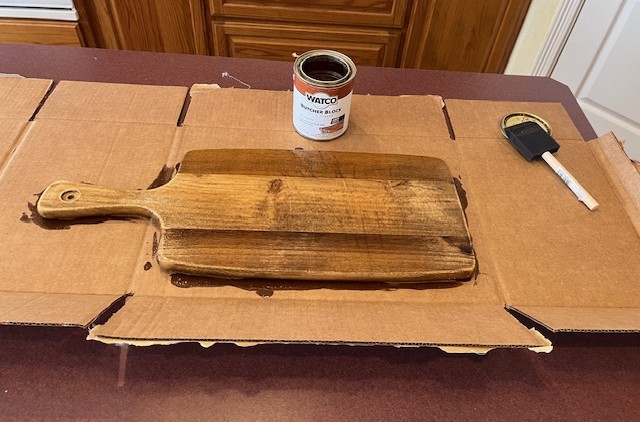
Your butcher block cutting board is more than just a kitchen tool—it’s where you prepare meals for your loved ones every day. Keeping it clean and well-maintained is key to ensuring it lasts long and stays safe for your food.
But how exactly do you clean your butcher block without damaging it? If you’ve ever wondered about the best way to remove stains, odors, and bacteria, you’re in the right place. You’ll discover simple, effective steps to keep your cutting board fresh and ready for every meal.
Let’s dive in and make your butcher block shine like new!

Credit: ca.maisonrodin.com
Choosing The Right Cleaning Tools
Cleaning a butcher block cutting board needs the right tools. Using the wrong tools can damage the surface.
Select brushes and sponges that clean well but stay gentle on the wood. Pick safe cleaning agents that do not harm the board.
Types Of Brushes And Sponges
Soft-bristle brushes work great to remove food bits without scratching the wood. Avoid hard or wire brushes that can leave marks.
Sponges with a soft side clean gently. Do not use sponges with rough scrubbing pads on the butcher block.
- Soft nylon brushes remove dirt softly
- Natural fiber brushes are gentle and eco-friendly
- Non-abrasive sponges clean without scratching
- Avoid steel wool or hard scrubbers
Safe Cleaning Agents
Use mild soaps that do not damage wood. Harsh chemicals can dry out or crack the butcher block.
Natural cleaners like diluted vinegar help kill germs and keep the board safe to use. Avoid bleach or strong detergents.
- Mild dish soap with warm water
- Diluted white vinegar for disinfecting
- Food-safe mineral oil for conditioning after cleaning
- No bleach or ammonia-based cleaners
Daily Cleaning Routine
Keeping your butcher block cutting board clean is important for food safety. A simple daily cleaning routine helps keep it in good shape.
Cleaning your board properly removes germs and food particles. This prevents stains and odors from building up.
Washing Steps
Start by wiping off any food scraps from the board. Use a damp cloth or paper towel for this.
Next, wash the board with warm water and mild dish soap. Use a soft sponge to scrub the surface gently.
- Rinse the board well with warm water to remove soap.
- Avoid soaking the board in water to prevent warping.
- Do not use harsh chemicals or bleach on the wood.
Drying Techniques
After washing, dry the board immediately with a clean towel. This stops water from soaking into the wood.
Place the board upright or on its side to air dry completely. Make sure air can flow around it to avoid moisture buildup.
- Do not leave the board flat on the counter while drying.
- Avoid putting the board in the dishwasher.
- Regularly oil the board to keep it from drying out.
Deep Cleaning Methods
Cleaning a butcher block cutting board is key to keeping it safe and lasting long. Deep cleaning removes stains, odors, and bacteria that build up over time.
This guide covers easy ways to remove tough stains and natural cleaners to refresh your board without harm.
Removing Stains And Odors
Stains and odors can make your cutting board look old and smell unpleasant. Use simple household items to clean them deeply.
- Sprinkle coarse salt over the stained area.
- Cut a lemon in half and rub it on the salt.
- Let it sit for 5 minutes to lift stains and odors.
- Rinse with warm water and dry with a towel.
Using Natural Cleaners
Natural cleaners keep your board fresh without harsh chemicals. Vinegar and baking soda work well to sanitize and deodorize.
| Cleaner | How to Use |
|---|---|
| White Vinegar | Spray on board and wipe with a clean cloth. Rinse after 5 minutes. |
| Baking Soda | Make a paste with water, scrub the board, then rinse. |
| Lemon Juice | Rub directly on the board to brighten and freshen. |

Credit: woodforchef.com
Maintaining The Board’s Surface
Cleaning a butcher block cutting board is not enough to keep it in good shape. You must care for its surface to last longer. This helps stop cracks and keeps the wood smooth.
Two main ways to care for the surface are oiling and sanding. These steps keep the board safe for food and looking nice.
Oiling And Conditioning
Oiling your butcher block protects the wood from drying out and cracking. It also makes the surface water-resistant. Use food-safe mineral oil or special cutting board oil.
Apply oil when the board looks dry or after cleaning. Spread a thin, even layer over the whole surface. Let it soak in for a few hours or overnight. Wipe off any extra oil with a clean cloth.
- Use food-grade mineral oil or cutting board oil.
- Apply oil on a dry, clean board.
- Cover all surfaces including edges.
- Let oil soak for several hours.
- Remove excess oil before use.
Sanding Tips
Sanding helps remove deep stains, knife marks, and rough patches. It smooths the board’s surface and prepares it for oiling. Use fine-grit sandpaper to avoid damaging the wood.
Start sanding with 120-grit sandpaper. Move with the wood grain. Finish with 220-grit sandpaper for a smooth touch. Clean dust off before oiling the board.
- Use 120-grit sandpaper first.
- Sand along the wood grain.
- Finish with 220-grit sandpaper.
- Remove all dust before oiling.
Preventing Damage And Bacteria
Cleaning your butcher block cutting board properly helps keep it safe and long-lasting. Dirt and moisture can cause damage and allow bacteria to grow.
Follow simple care tips to stop moisture and bacteria from harming your board.
Avoiding Excess Moisture
Too much water can make wood swell and crack. Avoid soaking your butcher block in water or putting it in the dishwasher.
Clean the board with a damp cloth and mild soap, then dry it right away. This keeps the wood strong and stops bacteria growth.
- Use a soft sponge or cloth, not a scrub brush
- Rinse with warm water only, no soaking
- Dry immediately with a clean towel
- Let the board air dry standing up
Proper Storage Practices
Store your butcher block in a dry place with good air flow. Avoid stacking heavy items on it, which can cause cracks or warping.
Keep the board away from heat and direct sunlight. These can dry out the wood and create splits where bacteria can hide.
- Place the board upright or on a rack to air out
- Store in a cool, dry cabinet or shelf
- Do not store near ovens or heating vents
- Oil the board regularly to protect the wood
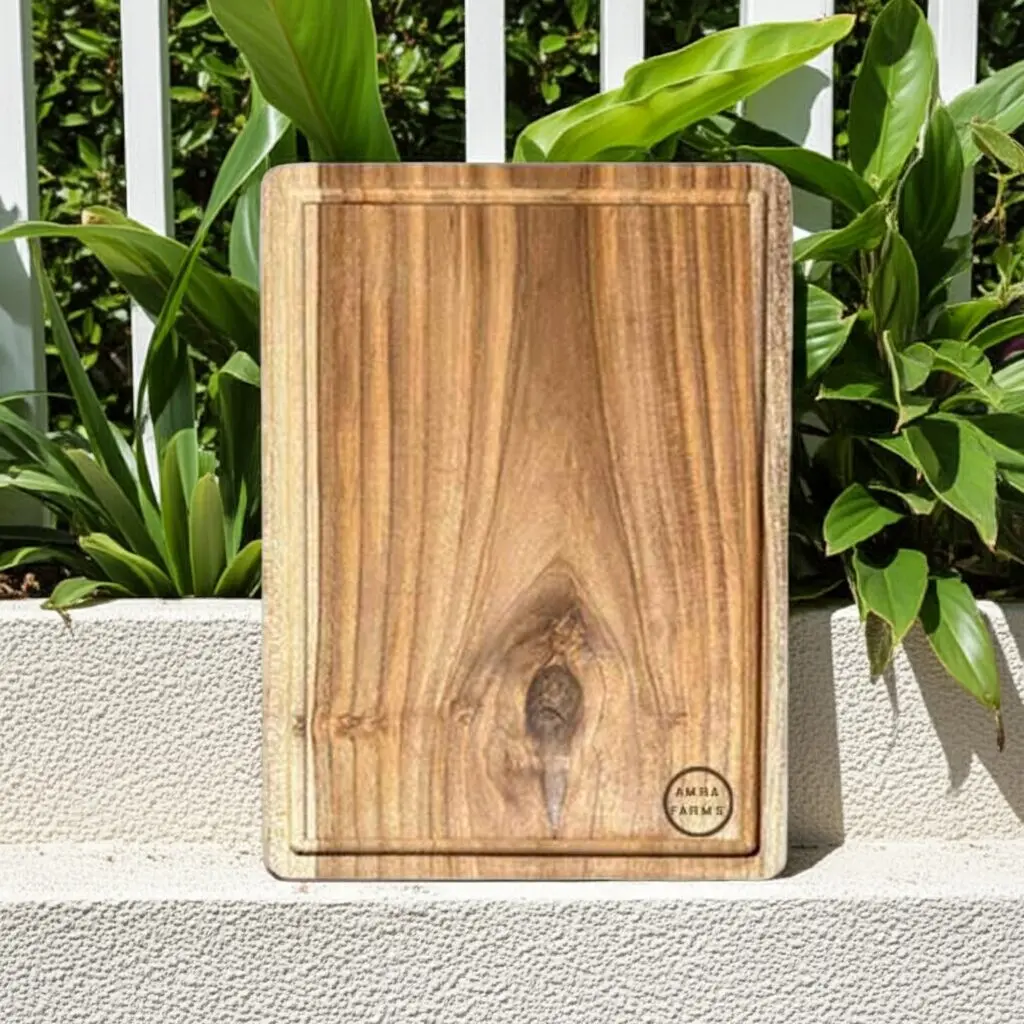
Credit: choppingboards.in
Frequently Asked Questions
How Often Should I Clean A Butcher Block Board?
Clean your butcher block board after every use. Regular cleaning prevents bacteria buildup and keeps the surface safe for food prep. Use mild soap and warm water for best results.
Can I Use Bleach To Clean Butcher Block Boards?
Avoid bleach on butcher block boards. It can damage the wood and strip natural oils. Instead, use a vinegar solution or mild dish soap for effective cleaning.
What’s The Best Way To Sanitize A Butcher Block?
Sanitize with white vinegar or a mixture of lemon juice and salt. These natural solutions kill germs without harming the wood. Rinse thoroughly and dry completely after sanitizing.
How Do I Remove Stains From A Butcher Block Board?
Remove stains by scrubbing with coarse salt and lemon. Let it sit for a few minutes, then rinse with warm water and dry. This method lifts stains without harsh chemicals.
Conclusion
Cleaning your butcher block cutting board keeps it safe and lasting longer. Use mild soap and warm water after each use. Dry it well to stop cracks and warping. Regular oiling protects the wood and keeps it smooth. Avoid soaking or putting it in the dishwasher.
Simple care helps your board stay fresh and strong. A clean board means healthier meals every time. Take small steps for big results. Your kitchen tool will thank you.