Your car’s fuel system is like its lifeline—it keeps the engine running smoothly and efficiently. But over time, dirt and deposits can build up, causing your car to lose power, use more fuel, or even stall.
If you’ve noticed your engine struggling or your gas mileage dropping, it’s time to take action. In this guide, you’ll learn simple, effective ways to clean your car’s fuel system yourself. By the end, you’ll know exactly how to keep your engine healthy and save money on repairs.
Ready to boost your car’s performance? Let’s dive in.

Credit: www.chevronlubricants.com
Signs Of A Dirty Fuel System
A dirty fuel system can cause many problems in your car. It stops the engine from running smoothly.
Knowing the signs helps you fix issues early. This keeps your car working well and saves money.
Reduced Engine Performance
Your car may feel weaker and slower if the fuel system is dirty. The engine gets less power than usual.
This happens because dirt blocks fuel flow. The engine does not get the right fuel amount to work well.
Poor Fuel Economy
You might notice your car uses more gas than before. A dirty fuel system causes fuel to burn less efficiently.
This means you fill the tank more often. The car wastes fuel because the engine does not run right.
Rough Idling And Stalling
Your car may shake or feel rough when stopped. It might even stall or turn off without warning.
This happens because dirty fuel parts do not let fuel reach the engine evenly. The engine struggles to stay on.

Credit: www.youtube.com
Essential Tools And Materials
Cleaning a car fuel system helps keep your engine running smoothly. Using the right tools makes the job easier and safer.
This guide covers the essential items you need to clean your fuel system properly.
Fuel System Cleaners
Fuel system cleaners remove deposits from fuel injectors, intake valves, and combustion chambers. They improve engine performance and fuel efficiency.
Choose a cleaner that suits your car type and fuel system. Follow the instructions on the product label carefully.
- Fuel injector cleaner additives
- Carburetor cleaning sprays
- Throttle body cleaners
Safety Gear
Safety gear protects you from harmful chemicals and accidents. Always wear protective equipment when working on the fuel system.
Keep a fire extinguisher nearby since fuel is flammable. Work in a well-ventilated area to avoid fumes.
- Safety goggles to protect eyes
- Gloves to avoid skin contact
- Long sleeves to protect arms
- Fire extinguisher for emergencies
- Face mask to reduce inhaling fumes
Basic Automotive Tools
You need some basic tools to access and clean your fuel system parts. These tools help you remove and replace components safely.
Using the right tools avoids damage and makes cleaning faster.
- Wrenches and socket set
- Screwdrivers (flathead and Phillips)
- Fuel line disconnect tool
- Rags or shop towels
- Plastic containers for catching fuel
Preparing Your Vehicle
Cleaning your car’s fuel system needs careful preparation. Getting your vehicle ready helps you work safely and effectively.
Follow these important steps before starting the cleaning process. Proper preparation makes the job easier and safer.
Park On A Level Surface
Find a flat, level spot to park your car. This keeps the vehicle stable and prevents accidents.
A level surface also helps when draining fluids or working under the car. Avoid slopes or uneven ground.
Ensure Engine Is Cool
Wait until the engine is completely cool before you start. Hot engines can cause burns or fire hazards.
Cooling usually takes 30 minutes or more after driving. Never touch the fuel system while the engine is hot.
Disconnect Battery
Disconnect the car battery to avoid electrical sparks. Sparks can ignite fuel vapors and cause fires.
Use a wrench to remove the negative terminal first. Then remove the positive terminal for safety.
- Wear gloves and safety glasses
- Use insulated tools
- Keep metal objects away from battery terminals
Cleaning Fuel Injectors
Fuel injectors deliver fuel into your car engine. Over time, they get dirty and clogged. Cleaning them helps your engine run smoothly.
There are simple ways to clean fuel injectors. Using additives or manual cleaning can restore fuel flow and improve performance.
Using Fuel Injector Cleaner Additives
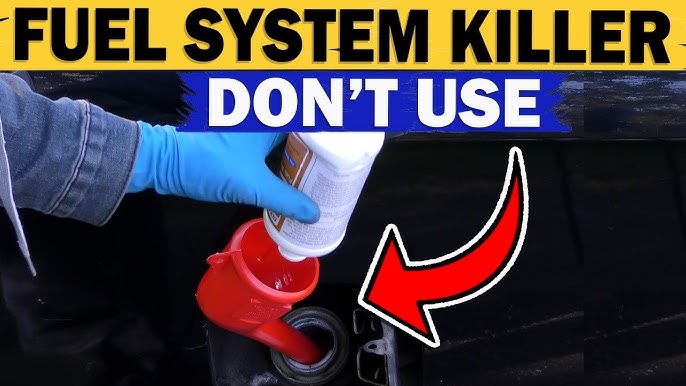
Fuel injector cleaner additives mix with your gas. They help remove dirt and deposits inside the injectors. These cleaners are easy to use.
Pour the correct amount of additive into your fuel tank. Then, drive your car normally. The cleaner works while you drive.
- Check your car manual for the right cleaner
- Use fuel additives regularly for best results
- Do not overuse to avoid damage
Manual Injector Cleaning Techniques
Manual cleaning means removing the fuel injectors. This lets you clean them deeply. You can use special tools and liquids.
Clean the injector nozzles carefully. Use a soft brush or cleaning kit. Avoid damaging any parts during cleaning.
- Remove fuel injectors from the engine
- Soak injectors in cleaning solution
- Use a soft brush to remove deposits
- Dry injectors fully before reinstalling
Cleaning The Fuel Filter
Cleaning the fuel filter helps keep your car’s engine running smoothly. A dirty filter blocks fuel flow and lowers engine power.
Replacing or cleaning the fuel filter is a simple task that improves fuel efficiency and engine life.
Locating The Fuel Filter
The fuel filter is usually found along the fuel line under the car or near the engine. It filters dirt and rust from the fuel before it reaches the engine.
Check near the fuel tank, under the car, or in the engine bay. Your car manual can help find the exact spot.
Removing And Replacing The Filter
First, relieve the fuel system pressure. This prevents fuel from spraying out when you remove the filter.
Use the right tools to disconnect the fuel lines from the filter. Remove the old filter and install the new one in the same direction.
- Wear safety glasses and gloves
- Relieve fuel system pressure
- Use wrenches to loosen fuel line fittings
- Remove the old filter carefully
- Install the new filter with correct flow direction
- Tighten fittings securely
- Check for leaks after installation
Credit: heartautocare.com
Cleaning Throttle Body And Intake Valves
Cleaning the car fuel system helps your engine run smoothly. The throttle body and intake valves often get dirty and need cleaning.
Removing dirt from these parts improves fuel flow and engine performance. This guide shows how to clean them safely.
Accessing The Throttle Body
First, find the throttle body under the car’s hood. It connects the air filter to the intake manifold.
Remove the air intake hose to reach the throttle body. You may need a screwdriver or socket wrench for this.
- Open the hood and locate the air intake system.
- Loosen clamps holding the air intake hose.
- Carefully pull off the hose to expose the throttle body.
Using Throttle Body Cleaner
Spray throttle body cleaner on a clean cloth or brush. Avoid spraying directly inside the throttle body.
Gently wipe the inside surfaces to remove carbon and dirt buildup. Do not force the throttle plate open.
- Wear gloves and work in a well-ventilated area.
- Use throttle body cleaner made for this purpose.
- Clean all visible dirt and grime carefully.
Cleaning Intake Valves
Intake valves sit inside the engine and can get dirty over time. Cleaning them improves air flow.
You can clean intake valves using special additives or by removing the intake manifold for manual cleaning.
- Add fuel system cleaner to the fuel tank for light cleaning.
- For heavy dirt, remove the intake manifold carefully.
- Use a brush and cleaner to scrub valves and ports.
- Reassemble parts after cleaning and check for leaks.
Flushing The Fuel Lines
Flushing the fuel lines helps clean dirt and deposits from your car’s fuel system. This process improves fuel flow and engine performance.
Regular flushing can prevent clogs and keep your car running smoothly for a longer time.
Fuel Line Inspection
Check the fuel lines for cracks, leaks, or damage before flushing. Damaged lines can cause fuel leaks and reduce safety.
Inspect the lines visually and by feeling for weak spots. Replace any worn or broken parts to avoid problems.
Using Fuel System Flush Kits
Fuel system flush kits contain cleaning solutions that remove deposits inside the fuel lines and injectors. Follow the instructions carefully for best results.
These kits usually connect to the fuel system and run the cleaner through the lines while the engine runs.
- Make sure the engine is cool before starting
- Wear safety gloves and eye protection
- Connect the kit as instructed by the manual
- Run the engine to circulate the cleaner
- Check for leaks or unusual noises during the process
Post-cleaning Tips
Cleaning your car’s fuel system improves engine health and fuel efficiency. After cleaning, follow some important steps to keep the system working well.
These tips help you get the best results and avoid future problems with the fuel system.
Running The Engine
After cleaning the fuel system, start your car and let the engine run for a few minutes. This helps spread the cleaner through the entire system.
Keep the engine idle for about 10 to 15 minutes. Avoid heavy acceleration during this time to protect the engine parts.
Monitoring Performance
Watch how your car runs after the cleaning. Notice if it starts easier and runs smoother than before.
Check for any unusual sounds or rough idling. If problems continue, the fuel system may need another cleaning or professional help.
- Listen for smooth engine sounds
- Check if fuel efficiency improves
- Watch for any warning lights on the dashboard
Regular Maintenance Schedule
Keep your fuel system clean by following a regular maintenance schedule. This helps prevent buildup and keeps your engine healthy.
Use fuel system cleaner every few thousand miles, as recommended in your car’s manual. Regular checks can avoid costly repairs later.
- Check fuel filters regularly
- Use quality fuel to reduce deposits
- Follow your car maker’s service intervals
Preventing Future Fuel System Issues
Keeping your car’s fuel system clean helps it run smoothly. Preventing problems saves money and avoids breakdowns.
Simple care steps protect the fuel system from damage. Learn how to keep it in good shape.
Using Quality Fuel
Good fuel contains fewer impurities and burns cleaner. It reduces buildup inside fuel lines and injectors.
- Choose fuel from trusted gas stations.
- Look for fuels with detergents added.
- Avoid very cheap or unknown brands.
- Use the right octane rating for your car.
Routine Fuel System Treatment
Regular treatments clean deposits and protect fuel parts. These treatments keep injectors and valves clear.
| Treatment Type | Purpose | Frequency |
| Fuel Injector Cleaner | Removes deposits | Every 3,000 to 5,000 miles |
| Fuel Stabilizer | Prevents fuel breakdown | Before storage or long stops |
| Octane Booster | Improves fuel quality | As needed for engine knocking |
Avoiding Contaminants
Contaminants cause clogs and corrosion. Dirt, water, and debris harm the fuel system parts.
- Keep the gas cap tight to prevent dirt entry.
- Avoid filling fuel in dusty or wet conditions.
- Store fuel in clean, sealed containers only.
- Replace fuel filters as recommended by the car maker.
Frequently Asked Questions
How Often Should I Clean My Car Fuel System?
Cleaning your car fuel system every 30,000 miles helps maintain performance. Regular cleaning prevents deposits that reduce engine efficiency and fuel economy.
What Are Common Signs Of A Dirty Fuel System?
Signs include poor acceleration, rough idling, engine misfires, and reduced fuel efficiency. These symptoms often indicate fuel injector or intake valve clogging.
Can I Clean The Fuel System Myself Safely?
Yes, using fuel system cleaners is safe if instructions are followed. For thorough cleaning, professional service is recommended to avoid damage.
What Products Work Best For Cleaning Fuel Injectors?
Fuel injector cleaners with polyetheramine (PEA) effectively dissolve deposits. Choose reputable brands designed for your vehicle type for optimal results.
Conclusion
Cleaning your car’s fuel system keeps the engine running smooth. It helps save fuel and lowers harmful emissions. Regular cleaning stops dirt from building up inside parts. This simple task can improve your car’s performance. Use the right tools and follow safety steps.
Keep your car healthy and avoid costly repairs. Small efforts now mean fewer problems later. Your car will thank you with better power and efficiency. Give your fuel system the care it needs.