
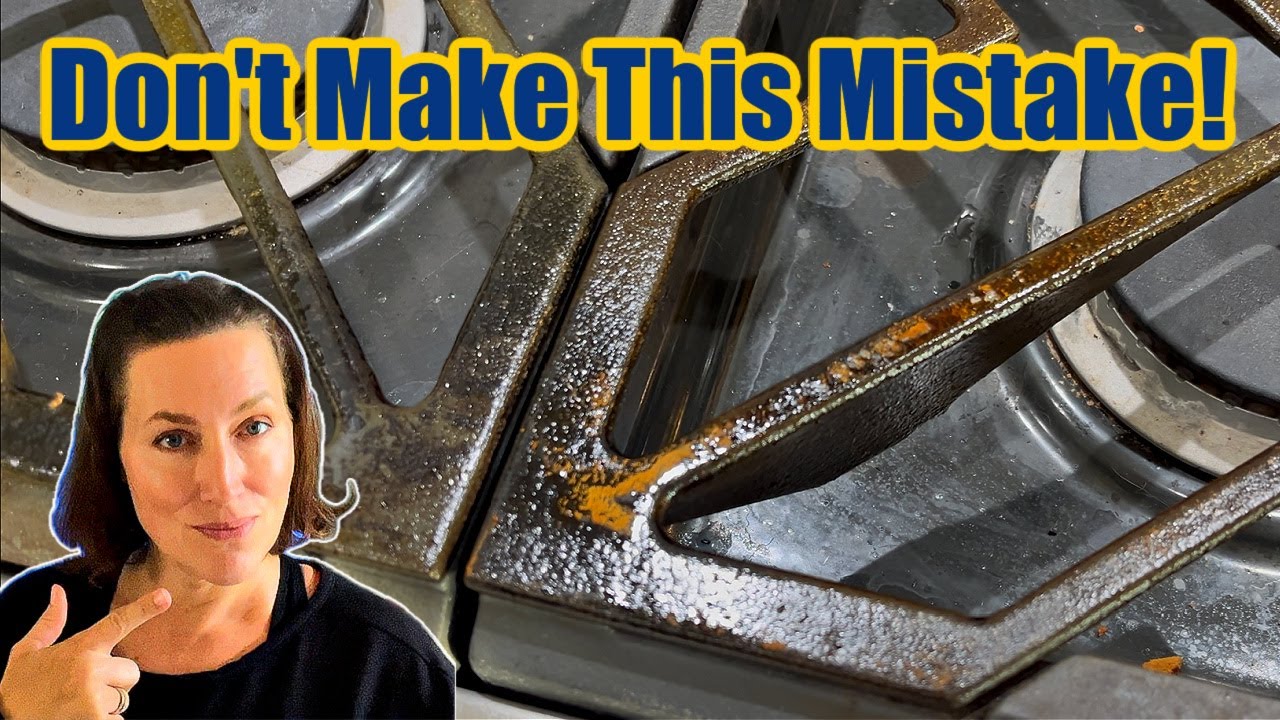
Are you tired of seeing your once shiny cast iron cooktop grates looking dull and grimy? Cleaning them might seem like a daunting task, but it doesn’t have to be.
Imagine the satisfaction of cooking on a spotless cooktop, where your pots and pans glide effortlessly. In this guide, we’ll reveal the best techniques to make your cast iron grates sparkle again. We’ll walk you through simple, effective steps that you can easily follow at home.
Dive in to discover how you can maintain your kitchen’s centerpiece and ensure it stays in tip-top shape, making your cooking experience more enjoyable and your kitchen more welcoming.
Credit: www.youtube.com
Gather Necessary Supplies
Before you clean your cast iron cooktop grates, gather all supplies. Having everything ready saves time and effort. It also ensures a smooth cleaning process.
Cleaning Tools
- Soft scrub brush or sponge
- Microfiber cloth or dish towel
- Plastic scraper or old credit card
- Bucket or basin for soaking
- Rubber gloves to protect your hands
- Toothbrush for tight spots
Safe Cleaning Agents
- Mild dish soap
- Baking soda for gentle scrubbing
- White vinegar to remove stains
- Warm water for soaking and rinsing

Credit: www.reddit.com
Remove Grates Safely
Removing cast iron cooktop grates safely is essential to prevent damage to your cookware and avoid injury. These grates can get extremely hot during cooking, so handling them with care is a must. Taking a few simple precautions will make the cleaning process smoother and safer.
Cool Down Tips
Never try to remove the grates immediately after cooking. Hot grates can cause burns or crack if exposed to sudden temperature changes. Let them cool naturally for at least 20-30 minutes.
If you’re in a hurry, place a heat-resistant trivet nearby to set the grates on once they are cool enough to handle. Avoid using cold water to speed up the cooling process, as rapid cooling may warp the cast iron.
Handling Grates
Use oven mitts or thick kitchen towels when lifting the grates. This protects your hands from residual heat and provides a better grip. Cast iron grates are heavy, so handle them with both hands to avoid dropping.
Place the grates on a stable surface before cleaning. If you have a designated cleaning area, line it with newspaper or an old towel to catch any debris or drips. Think about how you can avoid scratching your countertops during this step.
Initial Cleaning
Initial cleaning is essential to keep your cast iron cooktop grates in good shape. It removes surface dirt and grease that build up during cooking. Cleaning at this stage prepares the grates for deeper cleaning later.
Wiping Loose Debris
Start by removing the grates from the cooktop. Use a dry cloth or paper towel to wipe off crumbs and loose food bits. This prevents dirt from spreading during the next cleaning steps. Pay attention to corners where debris often hides. A soft brush can also help reach tight spots.
Soaking Grates
Fill a sink or basin with warm water and a few drops of dish soap. Submerge the grates completely and let them soak for 15 to 30 minutes. Soaking loosens stuck-on grease and food particles. After soaking, use a non-abrasive sponge to scrub the grates gently. Rinse well with clean water to remove soap residue before drying.
Scrubbing Techniques
Scrubbing your cast iron cooktop grates effectively is key to restoring their look and performance. The right scrubbing techniques will remove stubborn grime without harming the metal. Let’s break down how you can scrub like a pro while protecting your grates.
Using Brushes And Pads
Choosing the right brush or pad makes a big difference in cleaning your cast iron grates. Stiff-bristled brushes work well to loosen baked-on food, but avoid metal bristles that can scratch the surface.
Scouring pads, especially those made from non-abrasive materials, help remove residue without causing damage. You might want to use a nylon scrub pad for everyday cleaning and reserve a slightly rougher pad for tougher spots.
Think about how you scrub your dishes—gentle but thorough. This approach applies here too. Have you tried using a toothbrush around tight corners? It’s surprisingly effective for getting into small crevices.
Avoiding Damage
Cast iron is tough but not indestructible. Avoid harsh chemicals and overly abrasive tools that can strip seasoning or scratch the grates. Never use steel wool or metal scouring pads; they will damage the surface.
Apply moderate pressure while scrubbing—too hard can wear down the seasoning, too light may not clean effectively. After scrubbing, dry your grates immediately to prevent rust.
Ask yourself: Are you prioritizing the longevity of your grates during cleaning? Protecting the seasoning means fewer headaches and a better cooking experience down the line.
Dealing With Stubborn Stains
Stubborn stains on cast iron cooktop grates can be tough to remove. These marks often come from burnt food or grease buildup. Regular cleaning might not be enough for deep grime. Special techniques help restore your grates to their original look. Both natural and commercial options work well. Choose the one that fits your needs and preferences.
Natural Remedies
Natural cleaning methods use simple ingredients found at home. They are safe and gentle on your cooktop grates.
- Baking soda paste:Mix baking soda with water until it forms a thick paste. Apply it to the stains and let it sit for 20 minutes. Scrub gently with a soft brush or sponge, then rinse with warm water.
- White vinegar spray:Spray white vinegar directly on the stains. Let it sit for 10 minutes. Wipe with a damp cloth or sponge. Vinegar helps break down grease and burnt spots.
- Lemon juice:Use lemon juice to lift stains naturally. Apply lemon juice on the affected area. Allow it to sit for 15 minutes before scrubbing lightly and rinsing.
Commercial Cleaners
Commercial products offer strong cleaning power for tough stains. Choose cleaners made specifically for cast iron or stove grates.
- Oven cleaner:Use oven cleaner sparingly to dissolve baked-on grease. Follow product instructions carefully. Avoid harsh scrubbing to protect the surface.
- Degreasers:Heavy-duty degreasers work well on thick grease layers. Spray the product, wait a few minutes, then wipe with a cloth.
- Cast iron cleaner:Specialized cast iron cleaners remove rust and stains without damaging the metal. Use as directed for best results.

Credit: www.lambertslately.com
Rinsing And Drying
Rinsing and drying cast iron cooktop grates is a crucial part of the cleaning process. It ensures that no soap residue remains and helps maintain the grates’ durability. Skipping this step or doing it incorrectly can lead to rust or damage, which nobody wants on their kitchen gear.
Proper Rinsing Methods
Use warm water to rinse your cast iron grates thoroughly. Avoid using high-pressure water streams that could force soap or debris into hard-to-reach crevices.
A gentle rinse with your hands or a soft cloth works best. You want to remove all cleaning agents without soaking the grates excessively.
Have you ever noticed a sticky residue after rinsing? That usually means the soap wasn’t fully washed off. Try rinsing multiple times if needed, ensuring the water runs clear before moving on.
Preventing Rust
After rinsing, drying your grates quickly and completely is vital to stop rust from forming. Leaving them wet for too long creates the perfect environment for corrosion.
Pat dry with a clean towel right away. Then, let them air dry in a warm spot for about 10-15 minutes to evaporate any leftover moisture.
To add an extra layer of protection, consider lightly oiling the grates once dry. This seals the surface and keeps rust away, making your grates last much longer.
Seasoning Cast Iron Grates
Seasoning cast iron grates is essential to keep them in top shape and make cleaning easier. It creates a natural non-stick layer that protects the metal from rust and food sticking. If you’ve ever struggled with stubborn grime on your grates, seasoning will change that experience for good.
Importance Of Seasoning
Seasoning your cast iron grates prevents rust by sealing the surface with a layer of oil. This layer also makes cooking and cleaning smoother since food doesn’t stick as much. Without seasoning, your grates could wear out faster and become a hassle to maintain.
Think about the last time you cleaned your grates—did scrubbing feel endless? A well-seasoned grate cuts down on that effort significantly. It’s like giving your cast iron a protective shield that improves with every use.
Step-by-step Seasoning Process
- Clean the grates thoroughly:Use warm, soapy water and a scrub brush to remove dirt and residue. Dry them completely to avoid rust.
- Apply a thin layer of oil:Use a high-smoke-point oil like flaxseed, canola, or vegetable oil. Rub it evenly over all surfaces of the grates using a cloth or paper towel.
- Heat the grates:Place them in an oven preheated to 400°F (200°C) for about an hour. This helps the oil bond to the metal, creating the seasoning layer.
- Cool down:Let the grates cool inside the oven before removing them. This prevents sudden temperature changes that can cause damage.
- Repeat if needed:For new or heavily cleaned grates, seasoning two to three times builds a stronger protective coating.
Have you ever noticed how cast iron skillets become better with use? The same principle applies here. Each seasoning session adds durability and improves your cooking experience. You’ll find your grates not only last longer but also clean up with less elbow grease.
Routine Maintenance Tips
Keeping your cast iron cooktop grates in top shape doesn’t have to be a chore. Routine maintenance is key to preventing stubborn stains and buildup that make cleaning harder later. Let’s look at simple habits and smart storage tips that make your grates last longer and look better every day.
Regular Cleaning Habits
After every cooking session, wipe down your grates with a damp cloth or sponge. This stops grease and food particles from sticking and becoming tough to remove.
If you notice spills or splatters, clean them promptly. Waiting allows the grime to bake on, increasing your cleaning time later.
Once a week, give your grates a deeper clean. Soak them in warm, soapy water for 15-20 minutes, then scrub gently with a non-abrasive brush. You’ll be surprised how much easier it is to keep up with cleaning when you avoid letting dirt build up.
Storage Advice
After cleaning, make sure your grates are completely dry before putting them back or storing them. Moisture encourages rust, which can ruin the cast iron.
If you remove the grates for any reason, store them in a dry place away from humidity. Wrapping them loosely in a cloth can protect them from dust and scratches.
Have you ever thought about rotating your grates? Using different sides or swapping their positions can help even out wear and prevent hotspots that damage one area more than others.
Frequently Asked Questions
How Do I Remove Grease From Cast Iron Grates?
Use warm water, mild dish soap, and a soft brush to clean grease. Avoid harsh chemicals. Rinse and dry thoroughly to prevent rust.
Can I Use Vinegar To Clean Cast Iron Grates?
Yes, dilute vinegar with water to remove rust and stains. Soak briefly, scrub gently, then rinse and dry well to protect the cast iron.
How Often Should I Clean Cast Iron Cooktop Grates?
Clean grates after every use to prevent buildup. Regular cleaning maintains appearance and performance, extending the grate’s lifespan.
Is It Safe To Use Steel Wool On Cast Iron Grates?
Steel wool can scratch and damage cast iron surfaces. Use a nylon scrubber or soft brush instead for safe and effective cleaning.
Conclusion
Cleaning cast iron cooktop grates does not have to be hard. Regular cleaning keeps them looking good and working well. Use simple tools and mild cleaners for best results. Avoid harsh chemicals that can damage the surface. Dry grates fully to stop rust from forming.
A clean cooktop grate helps your stove cook evenly. Take a few minutes after each use to wipe them down. This small step saves time and effort later. Keep your kitchen safe and tidy with easy grate care. Clean grates mean better meals and a happier kitchen.