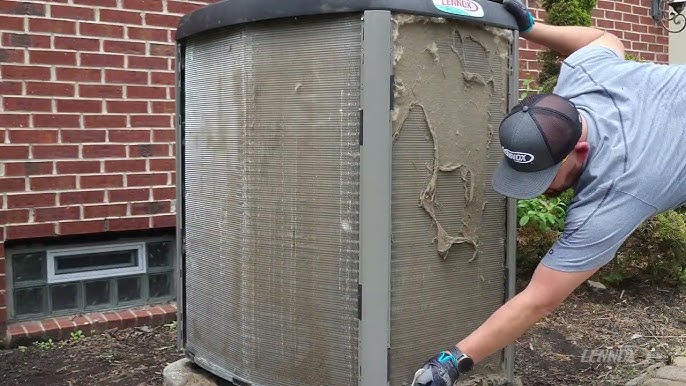
Are you noticing your central air conditioner isn’t cooling as well as it used to? One common reason could be dirty coils.
When your AC coils get clogged with dust and debris, your system has to work harder, which means higher energy bills and less comfort for you. The good news? Cleaning your central air conditioner coils is easier than you think—and it can make a huge difference in how your home feels.
Keep reading, and you’ll learn simple, effective steps to get your AC running smoothly again.
Credit: www.achrnews.com
Signs Of Dirty Coils
Central air conditioner coils need regular cleaning to work well. Dirty coils cause problems that affect your cooling system.
Knowing the signs of dirty coils helps you fix issues before they get worse. Look out for these common problems.
Reduced Cooling Performance
Dirty coils block heat transfer. Your air conditioner cools less efficiently. You may notice your home stays warm or takes longer to cool down.
- Longer cooling cycles
- Warm air blowing from vents
- Rooms not reaching set temperatures
Increased Energy Bills
When coils are dirty, the air conditioner works harder. This uses more electricity and raises your energy costs.
| Cause | Effect | Result |
|---|---|---|
| Dirty coils reduce heat exchange | AC runs longer to cool air | Higher electricity bills |
| Clogged coils lower airflow | System strain increases | More energy used |
| Dust buildup traps heat | Cooling slows down | Energy waste |
Unusual Noises
Dirty coils can cause strange sounds in your air conditioner. These noises come from the system working too hard or parts rubbing together.
- Hissing or bubbling sounds
- Rattling from loose debris
- Grinding noises from worn parts
Tools And Materials Needed
Cleaning your central air conditioner coils is important for good airflow and energy use. You need the right tools and materials to do this job safely and well.
This guide lists the basic items you should gather before you start cleaning the coils.
Protective Gear
Wear protective gear to keep yourself safe. Coils may have dust, dirt, and chemicals that can irritate your skin and eyes.
Use gloves, goggles, and a mask to protect your hands, eyes, and lungs during cleaning.
- Rubber or latex gloves
- Safety goggles or glasses
- Dust mask or respirator
- Long sleeves and pants
Cleaning Solutions
Choose the right cleaning solution to remove dirt and grime from the coils. Use mild, coil-specific cleaners that do not cause damage.
A mixture of water and mild detergent also works well. Avoid harsh chemicals that can harm the coils or nearby parts.
- Commercial coil cleaner (non-acidic)
- Mild dish soap mixed with water
- Water for rinsing
Brushes And Spray Bottles
Use soft brushes and spray bottles to clean and rinse the coils gently. Hard brushes can damage the fins on the coils.
A spray bottle helps you apply cleaning solutions evenly and rinse off dirt without using too much water.
- Soft-bristled brush or coil cleaning brush
- Spray bottle for cleaning solution
- Spray bottle or hose for water rinsing
Preparing The Unit
Cleaning the central air conditioner coils starts with proper preparation. This helps keep you safe and protects the unit.
Follow these steps before you begin cleaning to make the process smooth and effective.
Power Off The System
Turn off the power to the air conditioner before doing any work. This stops the unit from running while you clean.
Find the main electrical switch or circuit breaker and switch it off. Double-check that the system is off by trying to turn it on.
Remove The Access Panels
Remove the panels that cover the coils. These panels are usually held with screws or clips.
Use a screwdriver or the right tool to take off the panels carefully. Set the screws aside so you do not lose them.
- Locate the screws or clips on the unit
- Use a screwdriver to remove screws
- Lift off the panels gently
- Keep screws in a safe place
Inspect The Coils
Look at the coils for dirt, dust, or damage. Dirty coils reduce the unit’s efficiency.
Check for bent fins or large debris. Noting these issues helps you clean better and know if repairs are needed.
- Look for dirt and dust buildup
- Check for bent or damaged fins
- Spot any leaves or debris stuck on coils
- Decide if you need special cleaning tools
Cleaning The Evaporator Coils
Cleaning the evaporator coils keeps your air conditioner working well. Dirt and dust reduce cooling power.
Regular cleaning helps save energy and avoids costly repairs. Focus on gentle and safe cleaning steps.
Dry Brushing
Start by turning off the air conditioner. Use a soft brush to remove loose dirt on the coils.
Brush gently to avoid bending the thin fins. Remove dust, debris, and cobwebs carefully.
- Use a soft-bristle brush
- Brush in the direction of the fins
- Avoid using hard or metal brushes
- Remove large dirt clumps first
Using Coil Cleaner
Apply a coil cleaner made for evaporator coils. These cleaners break down dirt and grease.
Spray the cleaner evenly on the coil surface. Let it sit for 5 to 10 minutes to work well.
- Choose a no-rinse coil cleaner if possible
- Wear gloves and eye protection
- Follow the cleaner instructions carefully
- Do not oversaturate the coil
Rinsing And Drying
Rinse the coils gently with water if the cleaner requires rinsing. Use a spray bottle or low-pressure hose.
Do not use high pressure as it can damage the fins. After rinsing, let the coils dry completely before restarting.
- Use a spray bottle for controlled rinsing
- Avoid soaking electrical parts
- Allow natural air drying
- Check coils are dry before turning the unit on
Cleaning The Condenser Coils
Cleaning the condenser coils helps your air conditioner run better. Dirty coils make the system work harder. This can raise energy costs and reduce cooling.
Regular cleaning keeps your unit efficient. You can do it safely with a few tools and steps. Focus on clearing debris, applying coil cleaner, and rinsing well.
Clearing Debris
Start by removing leaves, dirt, and grass around the condenser unit. Clear away any debris on the coils themselves. This lets air flow freely and improves cooling.
- Turn off the power to the unit.
- Use a soft brush to remove loose dirt.
- Vacuum the coil fins gently if needed.
- Trim plants or grass nearby to keep the area clear.
Applying Coil Cleaner
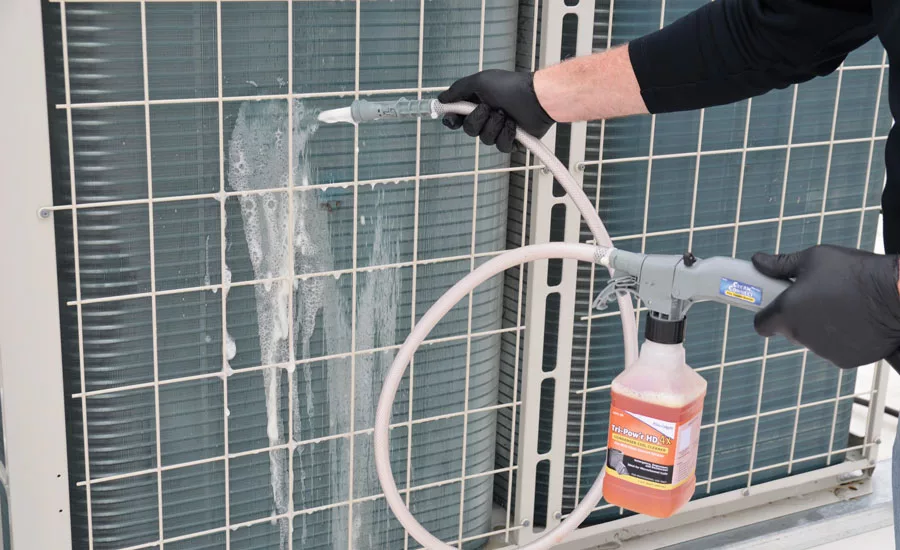
Use a coil cleaner made for air conditioners. It breaks down grime and grease. Apply the cleaner carefully to avoid damaging the fins.
- Wear gloves and eye protection.
- Spray the cleaner evenly on the coils.
- Let it sit for about 5 to 10 minutes.
- Do not let the cleaner dry on the coils.
Rinsing Thoroughly
Rinse the coils with water to remove the cleaner and dirt. Use a gentle stream to avoid bending the fins. Make sure all cleaner residue is gone.
| Rinsing Tips |
|---|
| Use a garden hose with low pressure |
| Spray from top to bottom |
| Avoid using a pressure washer |
| Check coils for any missed spots |
| Let the unit dry before turning power back on |
Reassembling And Testing
After cleaning your central air conditioner coils, it is time to put everything back together. Proper reassembly ensures the system runs smoothly. Testing the unit confirms the cleaning was successful.
Follow these steps carefully to avoid damage and to check that your air conditioner works as expected.
Reinstall Panels
Put all panels and covers back in their original places. Make sure each panel fits tightly without gaps. Secure panels with screws or clips you removed before.
- Align panels carefully to avoid bending or damage
- Tighten screws evenly to keep panels stable
- Check that no wires or parts are pinched
- Confirm all panels are flush with the unit
Power On The System
Turn on the power to your air conditioner at the breaker or main switch. Use the thermostat to start the cooling cycle. Listen for any unusual sounds that may indicate a problem.
- Restore power supply to the unit
- Set thermostat to cooling mode
- Wait for the compressor and fan to start
- Observe any warning lights on the control panel
- Turn off the system if you notice odd noises or smells
Monitor Performance
Check the system’s performance to ensure it cools effectively. Measure temperature difference between air intake and output. This test shows if the coils are clean and working well.
| Check Point | Expected Result |
|---|---|
| Air Temperature at Intake | Warm (above room temperature) |
| Air Temperature at Output | Cool (significantly lower than intake) |
| System Noise | Steady and quiet |
| Airflow | Strong and consistent |
Maintenance Tips For Longevity
Keeping your central air conditioner coils clean helps your system run better. Dirty coils reduce cooling efficiency and increase energy use.
Regular care extends the life of your air conditioner and keeps your home comfortable. Follow simple maintenance steps to protect your investment.
Regular Cleaning Schedule
Set a cleaning schedule for your air conditioner coils. Dirt and dust build up over time and block airflow. Clean coils improve cooling and save energy.
- Turn off power to the unit before cleaning.
- Use a soft brush to remove loose dirt from the coils.
- Spray coils gently with water to wash away debris.
- Let the coils dry completely before turning the unit back on.
- Repeat cleaning every three months during heavy use seasons.
Filter Replacement
Filters protect coils by trapping dust and dirt. Clogged filters reduce airflow and cause coils to get dirty faster. Change filters often for best results.
| Filter Type | Replacement Frequency |
| Standard Fiberglass | Every 30 days |
| Pleated Filters | Every 90 days |
| High-Efficiency Filters | Every 6 months |
Professional Inspections
Hire a professional technician to inspect your air conditioner yearly. They check coil condition, refrigerant levels, and system parts. Early fixes prevent costly breakdowns.
- Detect leaks and damage early
- Ensure coils are clean and efficient
- Optimize system performance
- Extend air conditioner lifespan

Credit: www.youtube.com
Credit: citizenupgrade.medium.com
Frequently Asked Questions
Why Clean Central Air Conditioner Coils?
Cleaning coils improves efficiency, reduces energy costs, and extends your unit’s lifespan. Dirty coils force the system to work harder, consuming more energy. Regular maintenance ensures optimal performance and prevents potential damage. Clean coils also enhance air quality by reducing dust and allergens, providing a healthier indoor environment.
How Often Should Coils Be Cleaned?
Coils should be cleaned at least once a year. However, if you live in a dusty area or have pets, consider cleaning them more frequently. Regular inspections can help determine the need for additional cleanings. Consistent maintenance ensures your air conditioner operates efficiently and prolongs its lifespan.
What Tools Are Needed To Clean Coils?
You’ll need a screwdriver, a soft brush, and a coil cleaner. Ensure the cleaner is suitable for your specific unit. A vacuum with a brush attachment can also be helpful for removing loose debris. Always follow the manufacturer’s guidelines and safety precautions during the cleaning process.
Can Dirty Coils Affect Cooling Efficiency?
Yes, dirty coils can significantly reduce cooling efficiency. They restrict airflow and force the system to work harder. This can lead to higher energy bills and potential system failures. Regular cleaning ensures optimal performance, reduces energy consumption, and maintains consistent indoor temperatures, enhancing overall comfort.
Conclusion
Cleaning your central air conditioner coils helps your system work better. Dirt and dust block airflow and reduce cooling power. Regular cleaning saves energy and lowers repair costs. Stay safe by turning off power before you start. Use gentle brushes and coil cleaner for best results.
Keep your AC coils clean to enjoy cooler air all summer. Simple steps make a big difference. Take care of your system, and it will take care of you.