Is your central heating system not working as well as it used to? You might be surprised to learn that a simple cleaning can make a big difference.
When your system gets clogged with dirt and sludge, it wastes energy and costs you more money. But don’t worry—you can fix this yourself and keep your home warm and cozy all winter long. You’ll discover easy steps to clean your central heating system and boost its performance.
Keep reading, and you’ll save money while extending the life of your heating system.
Signs Your System Needs Cleaning
Central heating systems need regular cleaning to work well. Dirt and sludge build up inside pipes and radiators. This can cause problems you might notice at home.
Watch for these common signs. They can help you know when your heating system needs a clean.
Reduced Heating Efficiency
If your home feels colder than usual, your heating system may be dirty. Sludge and rust block pipes and radiators. This stops heat from spreading well.
- Heating takes longer to warm rooms
- Boiler works harder and uses more energy
- Higher heating bills without warmer rooms
Unusual Noises
Listen for strange sounds from your heating system. Gurgling or banging may mean there is sludge inside. Air trapped in dirty pipes can also cause noise.
| Noise | Possible Cause |
| Gurgling | Air trapped in pipes |
| Banging | Sludge blocking flow |
| Whistling | Water pressure issues |
Cold Spots In Radiators
Feel your radiators carefully. Cold spots mean parts are not heating properly. This happens when sludge blocks water flow inside the radiator.
- Check if the top is warm but the bottom is cold
- Notice if some radiators heat less than others
- Radiators may need bleeding but sludge is often the cause
Tools And Materials Required
Cleaning a central heating system needs the right tools and materials. This helps keep the system safe and working well.
Using proper tools and cleaners makes the job easier and more effective. Safety gear protects you during the process.
Basic Cleaning Tools
You need simple tools to remove dirt and sludge from the heating system. These tools help you open parts and clean inside pipes and radiators.
- Adjustable wrench for loosening bolts
- Radiator key to bleed air
- Bucket to catch draining water
- Brushes to scrub parts
- Cloths or rags to wipe surfaces
- Flexible hose for flushing system
Chemical Cleaners
Chemical cleaners help remove rust, sludge, and scale inside the pipes. They improve heat flow and system efficiency.
Choose the right cleaner based on your system type. Some cleaners are strong and need careful handling.
- Central heating system cleaner liquid
- Descaler to remove limescale buildup
- Corrosion inhibitor to protect metal parts
- Flush solution for rinsing the system
Protective Gear
Wear protective gear to keep safe from chemicals and hot water. This gear prevents skin and eye injuries.
Use gloves and goggles to protect your hands and eyes. Work in a well-ventilated area to avoid breathing fumes.
- Rubber gloves to protect hands
- Safety goggles to shield eyes
- Old clothes or apron to avoid stains
- Face mask if fumes are strong
Preparing The System For Cleaning
Cleaning your central heating system helps it run better and last longer. Before you start, you need to prepare the system properly.
Preparing the system means making it safe and ready for cleaning. Follow these steps carefully to avoid problems.
Turning Off The Heating
First, turn off your central heating. This stops the system from running while you clean it.
Switch off the thermostat and boiler to cool the system down. Wait until the pipes are not hot.
Draining The System
Next, drain the water from the heating system. This removes old water and dirt inside the pipes.
Locate the drain valve, usually near the boiler or lowest radiator. Open it slowly to let water out.
- Place a bucket under the drain valve
- Open the valve carefully
- Let all the water flow out
- Close the valve after draining
Safety Precautions
Safety is important when cleaning your heating system. Wear gloves and protective glasses to avoid injuries.
Make sure the area is dry and free of obstacles. Keep children and pets away from the work area.
- Wear gloves and eye protection
- Work in a dry, clean space
- Keep children and pets away
- Use tools carefully to avoid damage

Credit: moorlandheating.co.uk
Cleaning Radiators And Pipes
Cleaning your central heating system helps it work better. Dirty radiators and pipes can cause heat loss.
Regular maintenance keeps the system efficient and saves money on energy bills.
Flushing Radiators
Flushing removes old water and dirt from inside the radiator. It helps clear blockages and improves heat flow.
Use a radiator flush solution and water to clean the system. Let the solution sit to break down grime.
- Turn off the heating and let radiators cool.
- Close the valves and drain the radiator.
- Fill the radiator with flush solution and water.
- Turn the heating on for 15-30 minutes.
- Drain the system and refill with clean water.
Removing Sludge And Debris
Sludge is thick dirt that builds up inside pipes and radiators. It blocks water flow and reduces heat.
Use a power flush or manual cleaning to remove sludge. You can also use magnetic filters to catch metal debris.
- Turn off the heating system.
- Drain water from radiators and pipes.
- Use a stiff brush or cleaning tool for manual sludge removal.
- Install magnetic filters on pipes to catch metal particles.
- Refill the system with fresh water and check for leaks.
Bleeding Radiators
Bleeding removes trapped air inside radiators. Air pockets stop radiators from heating fully.
Use a radiator key to open the valve and release the air. Close the valve once water starts to come out.
- Turn off the heating and wait for radiators to cool.
- Place a cloth under the bleed valve to catch drips.
- Use a radiator key to slowly open the valve.
- Listen for air escaping and wait for water to flow.
- Close the valve tightly to stop leaks.
Using Chemical Cleaners
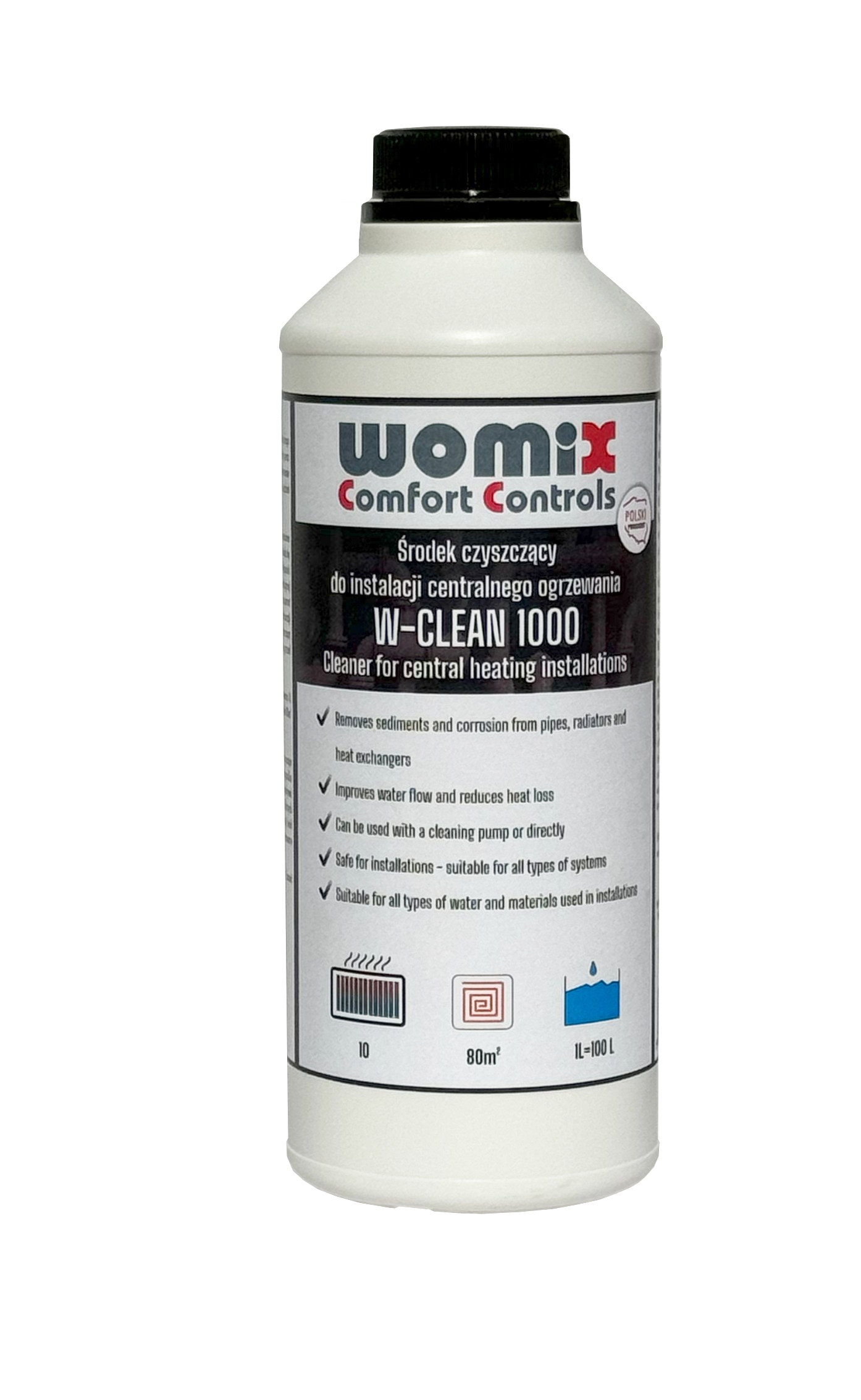
Cleansing your central heating system with chemicals helps remove rust, sludge, and debris. This process improves heating efficiency and extends the system’s life.
Using chemical cleaners requires care. Follow the instructions closely to avoid damage and ensure safety.
Choosing The Right Cleaner
Select a chemical cleaner made for central heating systems. Not all cleaners work the same or suit every system type.
Look for cleaners that target rust, sludge, and limescale. Check if the cleaner is safe for your boiler and pipes.
- Pick a cleaner compatible with your system’s metal parts
- Choose a product that removes sludge and corrosion
- Avoid harsh chemicals that can damage pipes
- Read labels for safety and use instructions
Applying And Circulating Chemicals
Pour the chemical cleaner into the system as per instructions. Usually, this is done at the boiler or a radiator valve.
Run the heating system to circulate the cleaner. This helps the chemicals reach all parts and dissolve deposits.
- Wear gloves and eye protection for safety
- Use the recommended amount of cleaner only
- Circulate the system for the time given on the label
- Turn off the system after circulation
Flushing After Treatment
After chemical treatment, flush the system with clean water. This removes loosened sludge and leftover chemicals.
Use a power flush or several manual flushes. Make sure the water runs clear before stopping.
- Drain the system completely
- Refill with clean water and flush again
- Repeat until water is clear and free of debris
- Refill the system with fresh water and inhibitor
Credit: womix.pl
Preventing Future Build-up
Keeping your central heating system clean stops problems before they start. Regular care helps avoid blockages and damage.
Use tools and methods that protect your system from sludge and rust. This saves money and keeps your home warm.
Installing Magnetic Filters
Magnetic filters catch metal particles in the water. These particles cause rust and block pipes.
- Place the filter on the main return pipe of your heating system.
- Check the filter every few months to clean out trapped debris.
- Replace the filter if it shows signs of wear or damage.
Regular Maintenance Schedule
Plan regular checks to keep your heating system working well. This stops build-up and extends its life.
- Flush the system once a year to remove sludge.
- Test water pressure and top up if needed.
- Inspect radiators for cold spots or leaks.
- Bleed air from the system to improve heating.
- Check all valves and pipes for signs of damage.
Water Treatment Options
Treating the water inside your system prevents corrosion and sludge. Choose the right chemicals for your setup.
| Treatment Type | Purpose | Application |
|---|---|---|
| Corrosion Inhibitors | Stop rust forming inside pipes | Add to system water yearly |
| Sludge Dispersants | Break down sludge deposits | Use during system flush |
| Water Conditioners | Balance water pH and hardness | Apply as recommended by manufacturer |
When To Call A Professional
Cleaning a central heating system can keep it running well. Some problems need a professional’s help. Knowing when to call one can save time and money.
Experts have the right tools and skills. They can find hidden issues and fix them safely. Here are signs you should hire a professional.
Complex System Issues
Central heating systems have many parts. Some problems are too hard to fix alone. Complex issues include:
- Leaks inside the boiler or pipes
- Faulty pumps or valves
- Corrosion or rust buildup
- Electrical faults or wiring problems
These problems need special tools and knowledge. Fixing them wrong can cause damage or danger.
Persistent Problems
If you clean your system but issues keep coming back, call a professional. Persistent problems include:
- Heating not reaching all rooms
- Radiators staying cold or noisy
- Water pressure dropping often
- Unusual smells or sounds from the boiler
Experts can test the system fully and find hidden faults. They can also flush the system properly.
Ensuring Warranty Compliance
Many heating systems come with a warranty. It may require professional cleaning or checks. Doing it yourself might void the warranty.
| Warranty Requirement | Why It Matters |
|---|---|
| Annual professional servicing | Keeps warranty valid |
| Use certified technicians | Ensures quality and safety |
| Keep service records | Proof of maintenance for claims |
Check your system’s warranty terms. Call a professional to follow the rules and keep your coverage.

Credit: www.amazon.com
Frequently Asked Questions
How Often Should I Clean My Central Heating System?
Cleaning your central heating system yearly ensures efficiency and longevity. Regular maintenance prevents blockages and corrosion. It also improves heat distribution. Annual cleaning reduces energy costs and prolongs boiler life. Schedule professional servicing to keep the system running smoothly.
What Tools Are Needed To Clean Central Heating Systems?
Basic tools include a radiator key, hosepipe, and cleaning brush. For deeper cleaning, a power flush machine is useful. Protective gloves and safety goggles are recommended. Having the right tools makes the cleaning process safer and more effective.
Can I Clean The Central Heating System Myself?
Yes, minor cleaning tasks like bleeding radiators can be DIY. However, deep cleaning and power flushing require professional skills. Incorrect cleaning may damage components or void warranties. Always consult a heating expert for complex maintenance.
Why Is Sludge Removal Important In Central Heating?
Sludge buildup reduces heat efficiency and causes cold spots. It can damage pumps and valves over time. Removing sludge improves system performance and reduces repair costs. Regular cleaning prevents blockages and extends system lifespan.
Conclusion
Cleaning your central heating system keeps it working well and saves money. Regular care stops blockages and improves heat flow. Simple steps make your home warmer and your system last longer. Remember to check pipes, flush out sludge, and remove air pockets.
Small efforts now prevent big problems later. Stay warm and comfortable all winter with a clean heating system. Easy to do, worth the time.