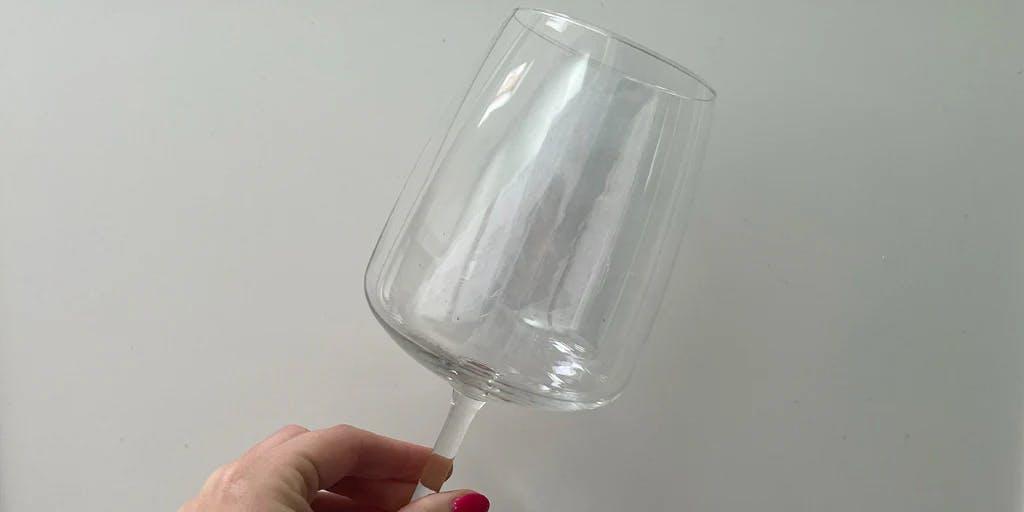
Have you noticed your favorite glasses coming out of the dishwasher looking cloudy and dull? It’s frustrating when your sparkling glassware loses its shine, making even the simplest drink feel less special.
But don’t worry—this common problem has simple solutions that you can easily apply at home. You’ll discover effective ways to clean those cloudy glasses and bring back their clear, brilliant sparkle. Keep reading to learn how to restore your glassware and enjoy crystal-clear drinks every time.

Credit: food52.com
Causes Of Cloudy Glasses
Cloudy glasses after a dishwasher cycle often cause frustration. Understanding the causes helps prevent and fix this issue. Several factors can make your glasses look dull or hazy.
Hard Water Deposits
Hard water contains minerals like calcium and magnesium. These minerals leave white spots or a cloudy film on glass surfaces. The deposits build up after repeated washes. Hard water spots look like tiny crystals stuck on your glasses.
Etching Damage
Etching happens when glass surfaces get worn down. It causes a permanent cloudy or frosted look. This damage occurs from overuse of harsh detergents or high water temperatures. Etching weakens the glass, making it look dull and rough.
Detergent Residue
Using too much detergent or the wrong type can leave residue. This residue appears as streaks or a cloudy film on glasses. Poor rinsing cycles also cause detergent to stay on glass surfaces. Leftover detergent dulls the shine and clarity of your glasses.
Improper Loading
Loading glasses incorrectly blocks water and detergent flow. Glasses placed too close can trap dirt and detergent. Overcrowding prevents thorough cleaning and rinsing. Improper loading leads to spots, streaks, and cloudiness on glassware.
Prevention Techniques
Preventing cloudy glasses in the dishwasher saves time and effort. Simple changes in dishwasher use can keep glasses clear and shiny. Follow these prevention techniques to protect your glassware.
Use The Right Detergent
Choose a detergent made for hard water areas if needed. Avoid too much detergent as it can leave residue. Powder detergents often work better than tablets for glass clarity. Check the detergent label for instructions and follow them carefully.
Adjust Water Temperature
Set the dishwasher water temperature to around 120°F (49°C). Water that is too hot or too cold can cause spotting and cloudiness. Use a thermometer to check your water heater if unsure. Proper temperature helps detergent dissolve fully and cleans better.
Rinse Before Loading
Rinse glasses lightly before placing them in the dishwasher. This removes large food particles that can cause buildup. Avoid heavy rinsing as it wastes water and reduces detergent effectiveness. A quick rinse helps prevent cloudy spots and streaks.
Proper Glass Placement
Place glasses in the top rack facing downwards. This allows water to drain and prevents pooling inside. Keep glasses apart to avoid contact and chipping. Avoid overcrowding the dishwasher for better water flow and cleaning.
Cleaning Methods For Cloudy Glasses
Cloudy glasses from the dishwasher can be frustrating, but several simple cleaning methods can bring back their sparkle. These approaches target the mineral buildup or detergent residue that often causes cloudiness. You don’t need special tools or harsh chemicals—just common household items and a bit of patience.
Vinegar Soak
White vinegar is a powerful natural cleaner that dissolves mineral deposits effectively. Fill your sink or a large bowl with equal parts warm water and white vinegar, then soak the cloudy glasses for 15 to 30 minutes.
After soaking, rinse the glasses thoroughly with clean water and dry them with a soft cloth. You might notice the cloudiness fading immediately—if not, repeat the soak once more. Have you ever tried vinegar on your glasses and been surprised by the results?
Baking Soda Scrub
Baking soda offers gentle abrasion to remove stubborn residue without scratching your glassware. Sprinkle a small amount of baking soda onto a damp sponge or cloth and gently scrub the glasses.
Focus on areas with the most cloudiness, then rinse thoroughly with warm water. This method works best after a vinegar soak to loosen buildup first, making the scrubbing easier and more effective. Could your dishwasher residue be hiding in hard-to-reach spots?
Lemon Juice Treatment
Lemon juice’s natural acidity helps cut through hard water stains and adds a fresh scent. Apply fresh lemon juice directly to the cloudy areas and let it sit for about 5 to 10 minutes.
Rinse with warm water and dry with a lint-free towel. The mild bleaching effect of lemon juice can brighten your glassware safely, but avoid leaving it too long to prevent any damage. Why not experiment with lemon juice next time your glasses look dull?
Commercial Glass Cleaners
There are specialized glass cleaners designed to tackle dishwasher cloudiness effectively. Look for products labeled as safe for glassware and follow the instructions carefully.
These cleaners often contain ingredients that break down mineral deposits faster than household options. If your glasses remain cloudy despite home remedies, a commercial cleaner might be the solution you need. Have you considered whether a product designed for this issue could save you time and effort?
Dishwasher Maintenance Tips
Keeping your dishwasher in top shape is key to preventing cloudy glasses. Regular maintenance not only improves cleaning results but also extends the life of your appliance. Let’s look at some straightforward tips you can use to keep your dishwasher running smoothly and your glassware sparkling clear.
Regular Filter Cleaning
Have you checked your dishwasher filter lately? A clogged filter traps food particles, leading to cloudy glasses and poor washing performance. Remove and rinse the filter under running water every few weeks to avoid buildup.
If you notice stubborn debris, use a soft brush to scrub gently. Clean filters allow water to flow freely, improving the rinse cycle and leaving your glasses crystal clear.
Check Spray Arms
Spray arms are essential for distributing water evenly inside the dishwasher. Over time, tiny holes in the spray arms can get blocked by mineral deposits or food particles.
Try removing the spray arms and inspect them closely. Clear out any blockages with a toothpick or small brush to ensure strong water jets reach every dish and glass.
Use Rinse Aid
Rinse aid helps water sheet off your glasses, reducing spots and cloudiness. Without it, water droplets can dry and leave behind mineral deposits.
Keep your rinse aid dispenser filled and adjust the setting according to your water hardness. You might notice a big difference after just one cycle.
Run Hot Water Before Cycle
Did you know running hot water in your sink before starting the dishwasher can improve cleaning? Starting with hot water ensures your dishwasher uses the hottest water possible from the beginning.
This helps dissolve detergent better and removes grease and residue more effectively. Next time, try running hot water for a minute before you press start and see how much clearer your glasses come out.
When To Replace Cloudy Glasses
Cloudy glasses can often be cleaned, but some become permanently damaged. Knowing when to replace these glasses saves time and prevents frustration. Permanent cloudiness may signal that cleaning won’t restore their clarity. Recognizing this helps maintain your glassware’s appearance and safety.
Identifying Permanent Etching
Permanent etching looks like a dull, frosted surface. It cannot be wiped or polished away. These marks often appear after many dishwasher cycles. Etching causes a rough texture and weakens the glass. If glasses feel rough or scratched, replacement is best.
Safety Considerations
Etched glasses can break more easily under heat or pressure. Small cracks may develop, risking injury. Cloudy glassware might hide chips or cracks. Using damaged glasses increases the chance of accidents. Always inspect glasses before use and discard unsafe ones.
Choosing Durable Glassware
Choose glasses labeled dishwasher safe to avoid etching. Tempered or borosilicate glass lasts longer in dishwashers. Look for thicker glass, which resists damage better. Avoid soft or thin glassware for heavy dishwasher use. Durable glassware keeps its shine and strength over time.

Credit: www.reddit.com

Credit: www.reddit.com
Frequently Asked Questions
Why Do My Glasses Become Cloudy In The Dishwasher?
Cloudiness often results from hard water minerals or dishwasher detergent residue. These deposits create a film that dulls glass surfaces. Using a rinse aid and adjusting detergent amounts can help prevent cloudiness and keep glasses sparkling.
How Can I Remove Cloudy Film From Dishwasher Glasses?
To remove cloudy film, soak glasses in vinegar for 10-15 minutes. Then, scrub gently with a non-abrasive sponge. Vinegar dissolves mineral deposits and detergent residue, restoring clarity effectively and safely.
Does Using Vinegar In The Dishwasher Help Clean Glasses?
Yes, vinegar helps dissolve mineral buildup on glasses. Adding a cup of white vinegar to the dishwasher’s rinse cycle can reduce cloudiness. It’s an eco-friendly and affordable solution to maintain glass clarity.
Can Dishwasher Settings Affect Glass Cloudiness?
Yes, high temperatures and harsh detergents can cause cloudiness. Using a lower temperature and gentle detergent reduces residue buildup. Adjusting settings ensures glasses come out clean and clear without damage.
Conclusion
Clean, clear glasses make every meal more enjoyable. Try the steps shared in this guide. Rinse glasses before loading them in the dishwasher. Use a good quality detergent. Check your dishwasher settings. Vinegar can help remove cloudiness. Baking soda is also useful for stubborn spots.
Consistent cleaning ensures your glasses stay sparkling. Regular maintenance of your dishwasher is crucial. Avoid overloading it. This prevents glasses from hitting each other. Simple steps make a big difference. Keep your glasses clear and inviting. Enjoy your meals with crystal-clear glasses every time.