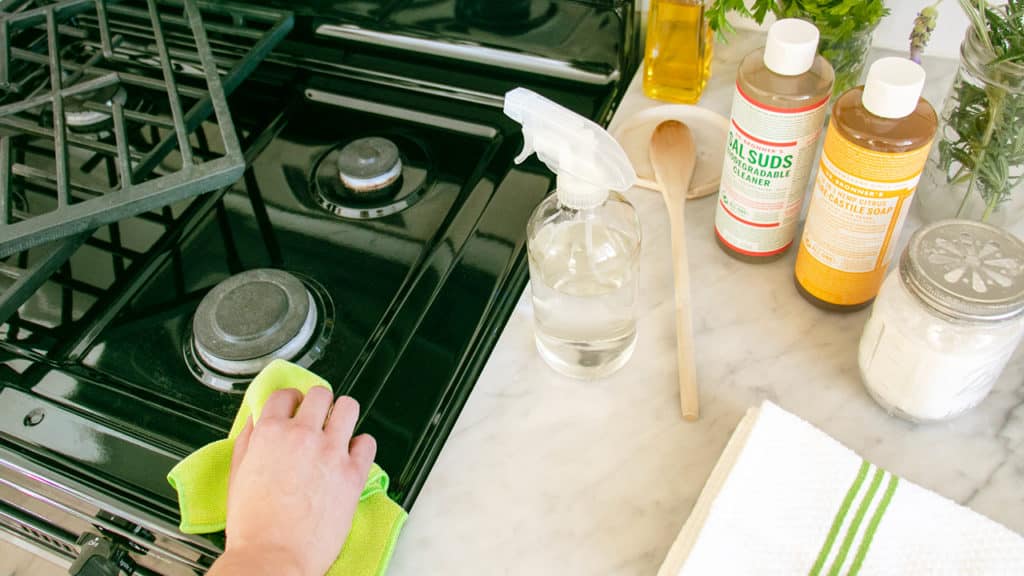
A spotless cooktop stove isn’t just about aesthetics; it’s about creating a safer and more enjoyable cooking experience for you and your family. Imagine whipping up your favorite meal without the distraction of stubborn stains or the worry of residue affecting your food’s taste.
You’ve probably stood there, sponge in hand, wondering if you’re tackling those greasy, burnt-on spots the right way. The good news? You’re not alone, and there’s a simple, effective way to achieve that gleaming surface you’ve been dreaming of. In this guide, you’ll discover easy-to-follow steps and little-known tips that make cleaning your cooktop stove not only a breeze but something you might even look forward to.
Stick around to learn how you can transform your cooktop into the shining centerpiece of your kitchen.
Types Of Cooktop Stoves
Cooktop stoves come in different types, each with unique features. Knowing the type helps to clean and maintain them properly. This section explains the main types of cooktop stoves.
Gas Cooktops
Gas cooktops use open flames to heat pots and pans. They have grates and burner caps that can be removed for cleaning. Grease and food spills often collect around burners. Cleaning requires gentle scrubbing and careful handling of burner parts.
Electric Coil Cooktops
Electric coil cooktops have metal coils that heat up when turned on. The coils can be lifted to clean underneath. Drip pans catch spills and need regular cleaning. These cooktops are durable but need thorough cleaning to prevent buildup.
Glass And Ceramic Cooktops
Glass and ceramic cooktops have a smooth, flat surface. They look modern and are easy to wipe clean. Spills can burn onto the surface, so quick cleaning is best. Use special cleaners and soft cloths to avoid scratches.

Credit: shiningoven.ie
Essential Cleaning Supplies
Having the right cleaning supplies makes cleaning your cooktop stove easier. The best supplies remove grease and food stains fast. They keep your stove looking new and shiny. Supplies fall into three main groups: natural cleaners, commercial products, and tools.
Natural Cleaners
Natural cleaners are safe and eco-friendly. They use common household items. Lemon juice cuts grease and adds shine. Baking soda acts as a gentle scrub. Vinegar removes tough stains and kills germs.
- Lemon juice
- Baking soda
- White vinegar
- Warm water
- Dish soap
These ingredients mix well to clean without harsh chemicals.
Commercial Cleaning Products
Commercial cleaners work fast on tough messes. They come in sprays, gels, or wipes. Look for products made for cooktops. Avoid anything that might scratch the surface. Some popular options include:
- Glass cooktop cleaner
- Degreaser spray
- Multi-surface kitchen cleaner
- Non-abrasive scrub pads
These products save time and effort on stubborn stains.
Tools And Accessories
Good tools make cleaning smoother and safer. Use soft cloths or microfiber towels to wipe surfaces. A sponge with a scrubber side tackles stuck-on food. Plastic scraper tools help remove burnt bits. Avoid metal brushes or sharp objects.
- Microfiber cloths
- Soft sponges
- Plastic scraper
- Old toothbrush for crevices
- Rubber gloves to protect hands
Having the right tools prevents damage and cleans better.
Daily Cleaning Routine
Keeping your cooktop stove clean doesn’t have to be a big chore. A simple daily cleaning routine can save you hours of scrubbing later. Small actions taken right after cooking make a huge difference in maintaining a spotless and efficient cooking surface.
Wiping Spills Immediately
Spills happen, but the key is how quickly you respond. Wiping them off as soon as the stove cools down prevents stains from setting. Use a damp cloth or sponge with mild dish soap to gently clean the area.
Imagine catching a sticky sauce spill right away—it wipes off easily without leaving residue. Waiting too long can turn that spill into a stubborn mess that needs harsh scrubbing.
Removing Crumbs And Debris
Crumbs and food bits can accumulate around burners and knobs, affecting performance and cleanliness. Use a soft brush or a handheld vacuum to clear these out daily. This habit keeps your stove ready for the next meal and avoids burnt-on debris.
Have you noticed how tiny crumbs can get under the burners? Regularly checking these hidden spots keeps your cooktop looking new and prevents unpleasant odors from burnt food.
Credit: www.housework.com
Deep Cleaning Gas Cooktops
Deep cleaning your gas cooktop is essential to keep it functioning efficiently and looking its best. Over time, grease, food particles, and spills can build up in hard-to-reach spots, affecting burner performance and posing a fire hazard. Taking the time to thoroughly clean each part ensures your stove stays safe and operates smoothly.
Removing Grates And Burner Caps
Start by carefully lifting off the grates and burner caps from your cooktop. These pieces often trap a lot of grime and need individual attention.
Place them on a sturdy surface where you can clean them without making a mess. If you notice any stuck-on food, don’t force them off—gently wiggle to avoid damage.
Soaking And Scrubbing Parts
Fill your sink or a large basin with hot, soapy water and soak the grates and burner caps for at least 20 minutes. This loosens stubborn grease and burnt-on food.
Use a non-abrasive scrub brush or sponge to scrub away residue. For tough spots, a paste made from baking soda and water works wonders without scratching.
- Use warm water to rinse thoroughly.
- Dry completely with a clean towel to prevent rust.
Cleaning Burner Heads
Burner heads can clog easily, affecting flame quality. Use a soft brush or a straightened paperclip to clear out holes and remove debris carefully.
Avoid using too much water on burner heads; instead, wipe them with a damp cloth and a bit of mild detergent. Make sure they are fully dry before reassembling.
Have you checked your burners’ flame color lately? A yellow or uneven flame often signals clogged burner heads needing this type of cleaning.
Deep Cleaning Electric Coil Cooktops
Deep cleaning electric coil cooktops keeps your kitchen fresh and safe. Dirt and grease build up quickly on these stoves. Cleaning them well improves their look and function. It also helps avoid smoke and bad smells during cooking. Follow simple steps to clean every part carefully. This ensures your cooktop stays in good shape for years.
Detaching Coils Safely
Unplug the stove before starting any cleaning. Let the coils cool down fully to avoid burns. Gently lift each coil burner from its socket. Avoid pulling the wires or connectors hard. Place coils on a safe surface for cleaning. Check the user manual for specific coil removal instructions.
Cleaning Drip Pans
Remove drip pans under the coils. Soak them in warm, soapy water for 15 minutes. Use a soft brush or sponge to scrub off stuck food. For tough stains, sprinkle baking soda and add a few drops of water. Let it sit for 10 minutes, then scrub again. Rinse with clean water and dry completely before placing back.
Wiping The Surface
Use a damp cloth or sponge with mild dish soap. Wipe the entire surface to remove grease and spills. Avoid soaking the area to protect electrical parts. Dry the surface with a clean towel. For stubborn spots, apply a paste of baking soda and water. Rub gently and wipe clean. Repeat until the surface looks shiny and fresh.
Deep Cleaning Glass And Ceramic Cooktops
Deep cleaning your glass or ceramic cooktop is essential to keep it looking new and functioning well. These surfaces are sleek but delicate, so they need special care. Let’s talk about how you can tackle dirt, stains, and buildup without damaging your cooktop.
Using Non-abrasive Cleaners
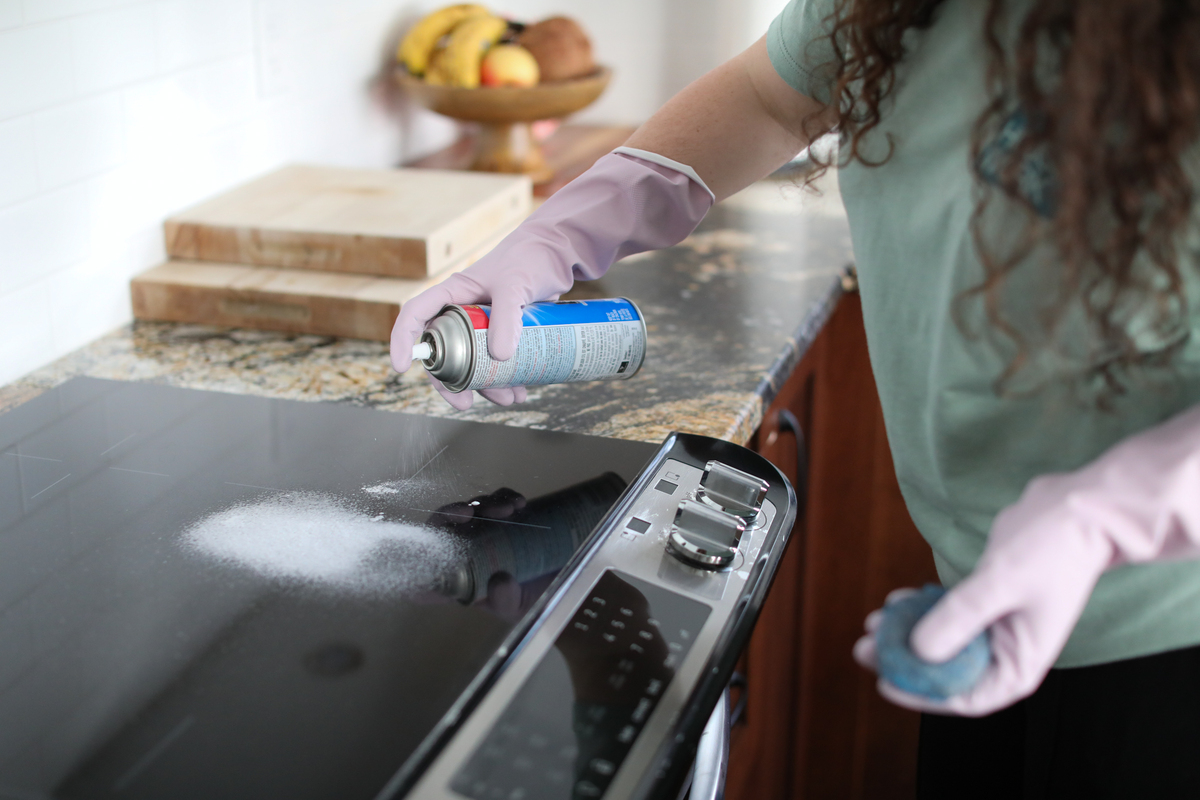
Non-abrasive cleaners are your best friends for daily and deep cleaning. They remove grease and grime without scratching the smooth surface. Try a gentle dish soap mixed with warm water or a cleaner specifically made for glass or ceramic cooktops.
Apply the cleaner with a soft cloth or sponge, then wipe gently in circular motions. Avoid steel wool or harsh scrubbers—these can cause permanent damage. Have you noticed how much easier cleaning is when you use the right products?
Handling Stubborn Stains
Stubborn stains like burnt-on food or mineral deposits need a bit more effort but still require gentle treatment. A razor blade scraper held at a 45-degree angle can carefully lift off tough spots without scratching. Always make sure the cooktop is cool before scraping.
For extra cleaning power, sprinkle baking soda over the stained area and spray with a little vinegar. Let it fizz for a few minutes, then wipe away with a damp cloth. This combo often surprises people with how effectively it tackles grime.
Polishing For Shine
After cleaning, polishing your cooktop can restore its sleek shine. Use a microfiber cloth and a small amount of cooktop polish or a bit of olive oil. Buff the surface in gentle circular motions to remove streaks and add a glossy finish.
Polishing not only improves appearance but also helps repel dust and spills. Have you tried polishing your cooktop? It’s a simple step that makes a big difference in maintaining a spotless kitchen.
Preventing Future Stains
Preventing future stains on your cooktop stove saves you time and effort in cleaning. Taking simple steps can keep your cooktop looking new and reduce the buildup of tough grime. Think about how much easier it is to wipe a surface free of spills right after cooking rather than scrubbing burnt residues later.
Using Cooktop Protectors
Cooktop protectors act as a barrier between your stove and spills. These heat-resistant mats catch drips and splatters before they reach the surface.
Many protectors are easy to remove and clean. You can simply lift them off and wash them in warm, soapy water. This prevents grease from hardening on the cooktop itself.
Have you tried using silicone or glass protectors? They come in various sizes to fit different stove models. Plus, they add a layer of safety by reducing the risk of scratches during cooking.
Regular Maintenance Tips
Wiping your cooktop after every use prevents stains from setting in. Use a damp cloth or sponge to remove fresh spills before they dry.
Once a week, deep clean with a non-abrasive cleaner suitable for your cooktop’s material. Avoid harsh chemicals that can damage the surface.
Check burner drip pans and knobs regularly. Cleaning these small parts prevents grease buildup that can spill over onto the cooktop.
- Use a microfiber cloth for gentle but effective cleaning.
- Apply baking soda paste for stubborn spots and let it sit before wiping.
- Ensure your cooktop is cool before cleaning to avoid burns or damage.
How often do you clean your cooktop? Even a quick daily wipe can make a big difference in preventing stains and keeping your kitchen fresh.

Credit: gaslandchef.com
Safety Tips During Cleaning
Cleaning your cooktop stove safely is very important. It protects you from injuries and prevents damage to the appliance. Taking safety steps helps the cleaning process go smoothly.
Follow these tips to keep safe while cleaning your cooktop.
Avoiding Harsh Chemicals
Use gentle cleaners instead of harsh chemicals. Strong cleaners can damage the stove surface. They may also cause skin irritation or breathing problems.
Choose products labeled safe for cooktops. Natural options like vinegar and baking soda work well. Always test a small area first to avoid damage.
Handling Electrical Components
Turn off the stove and unplug it before cleaning. This stops any chance of electric shock. Avoid getting water or cleaner near electrical parts.
Use a dry cloth around buttons and knobs. If you remove parts for cleaning, make sure they are dry before reassembling. Keep the area well-ventilated to avoid moisture buildup.
Frequently Asked Questions
How Often Should I Clean My Cooktop Stove?
Clean your cooktop stove after every use to prevent buildup. Regular cleaning keeps it hygienic and efficient. Deep clean weekly to remove stubborn stains and grease.
What Is The Best Cleaner For A Cooktop Stove?
Use a gentle, non-abrasive cleaner designed for cooktops. Avoid harsh chemicals that can damage the surface. Natural options like baking soda and vinegar also work well.
How Do I Remove Burnt Food From The Cooktop?
Apply a paste of baking soda and water on burnt areas. Let it sit for 15 minutes, then gently scrub with a soft cloth. Rinse with warm water and dry.
Can I Use Vinegar To Clean My Cooktop?
Yes, vinegar effectively dissolves grease and grime on cooktops. Spray diluted vinegar, let it sit briefly, then wipe clean. It’s safe, natural, and leaves a streak-free shine.
Conclusion
Cleaning your cooktop stove keeps it looking fresh and working well. Regular care stops grease and stains from building up. Use gentle cleaners and soft cloths to avoid damage. Small, quick clean-ups save time and effort later. A clean stove also helps your kitchen smell better.
Try these simple steps to keep your cooktop shiny and safe. Make cleaning part of your routine for best results. Easy to do. Easy to enjoy.