
Cleaning your cooktop might seem like a daunting task, but it doesn’t have to be. Imagine walking into your kitchen and seeing a sparkling, spotless cooktop that invites you to cook without any worry.
You deserve that satisfaction and peace of mind. A clean cooktop not only enhances the overall look of your kitchen but also ensures a safe and efficient cooking experience. You’ll discover simple, effective techniques to transform your cooktop from grimy to gleaming.
Stick with us to learn the secrets of maintaining a pristine cooktop that will make you proud every time you step into your kitchen.
Credit: www.kitchenaid.com
Choosing The Right Cleaner
Choosing the right cleaner is key to keeping your cooktop spotless and safe. Different cooktops need different care. Picking the wrong cleaner can damage the surface or leave residue. Understanding the types of cleaners helps you make the best choice for your kitchen.
Natural Vs Chemical Cleaners
Natural cleaners use ingredients from plants and minerals. They are gentle and safe for the environment. Common natural cleaners include vinegar, baking soda, and lemon juice. These work well for light stains and daily cleaning.
Chemical cleaners contain stronger ingredients to remove tough grease and grime. They act faster but may have harsh effects on some cooktop surfaces. Always read labels carefully to avoid harmful chemicals or fumes.
Safe Cleaners For Different Cooktops
Glass and ceramic cooktops need non-abrasive cleaners to avoid scratches. Use soft cloths with mild detergents or special glass cooktop cleaners.
For stainless steel cooktops, cleaners with a little ammonia or specialized stainless steel products work best. Avoid bleach or abrasive powders.
Gas cooktops can handle stronger cleaners but avoid soaking burner parts. Use a soft brush and soapy water for burners, and wipe the surface gently.
Gathering Cleaning Tools
Gathering the right cleaning tools is the first step to a spotless cooktop. Having everything ready saves time and effort. Use simple, common supplies for best results. Select tools that suit your cooktop type. Prepare to tackle both light dirt and stubborn grime.
Essential Cleaning Supplies
- Soft microfiber cloths to avoid scratches
- Mild dish soap for gentle cleaning
- Warm water to loosen dirt
- Spray bottle for easy application
- Non-abrasive sponge for daily use
- Paper towels for drying and polishing
Tools For Tough Stains
- Baking soda for natural scrubbing power
- White vinegar to cut grease and grime
- Plastic scraper to remove burnt residue
- Soft-bristle brush for crevices
- Commercial cooktop cleaner for heavy buildup
Preparing The Cooktop
Preparing your cooktop properly before cleaning sets the stage for an easier and more effective process. It helps protect your appliance and ensures you don’t miss any hidden spots where grease and food particles can hide. Taking a few simple steps can make a big difference in how clean and fresh your cooktop looks afterward.
Turning Off And Cooling Down
Always make sure your cooktop is completely turned off before you start cleaning. This sounds obvious, but it’s easy to forget when you’re eager to get started. Allow the surface to cool down fully—touching a hot cooktop can cause burns and may damage cleaning tools or products.
Have you ever tried wiping a warm cooktop and ended up with streaks or smudges? Cooling down prevents that and helps any spills or splatters harden slightly, making them easier to remove. Patience here will save you frustration later.
Removing Grates And Burner Caps
Next, carefully lift off the grates and burner caps if your cooktop has them. Removing these parts exposes the surface underneath, where grime often builds up unnoticed. It also allows you to clean these components separately, which prevents cross-contamination.
Set the grates and burner caps aside in a safe spot. You can soak them in warm, soapy water while you clean the rest of the cooktop. This soaking softens stuck-on food and grease, making scrubbing easier when you return to them.

Credit: gaslandchef.com
Cleaning The Surface
Cleaning the surface of your cooktop is a crucial step to keep your kitchen looking fresh and your appliances working efficiently. It’s not just about making it look good; regular cleaning prevents buildup that can affect cooking performance. Let’s break down how to tackle this task effectively, so your cooktop stays spotless without a lot of hassle.
Wiping Away Loose Debris
Start by removing any loose crumbs or food particles with a soft cloth or paper towel. This simple step prevents scratching when you begin scrubbing later. Have you ever noticed how even a small amount of debris can make cleaning harder? Clearing it first saves time and effort.
Use gentle pressure and avoid harsh scrubbing at this stage to keep the surface intact. If your cooktop has removable parts, take them off and clean separately to reach every corner.
Applying Cleaner And Scrubbing
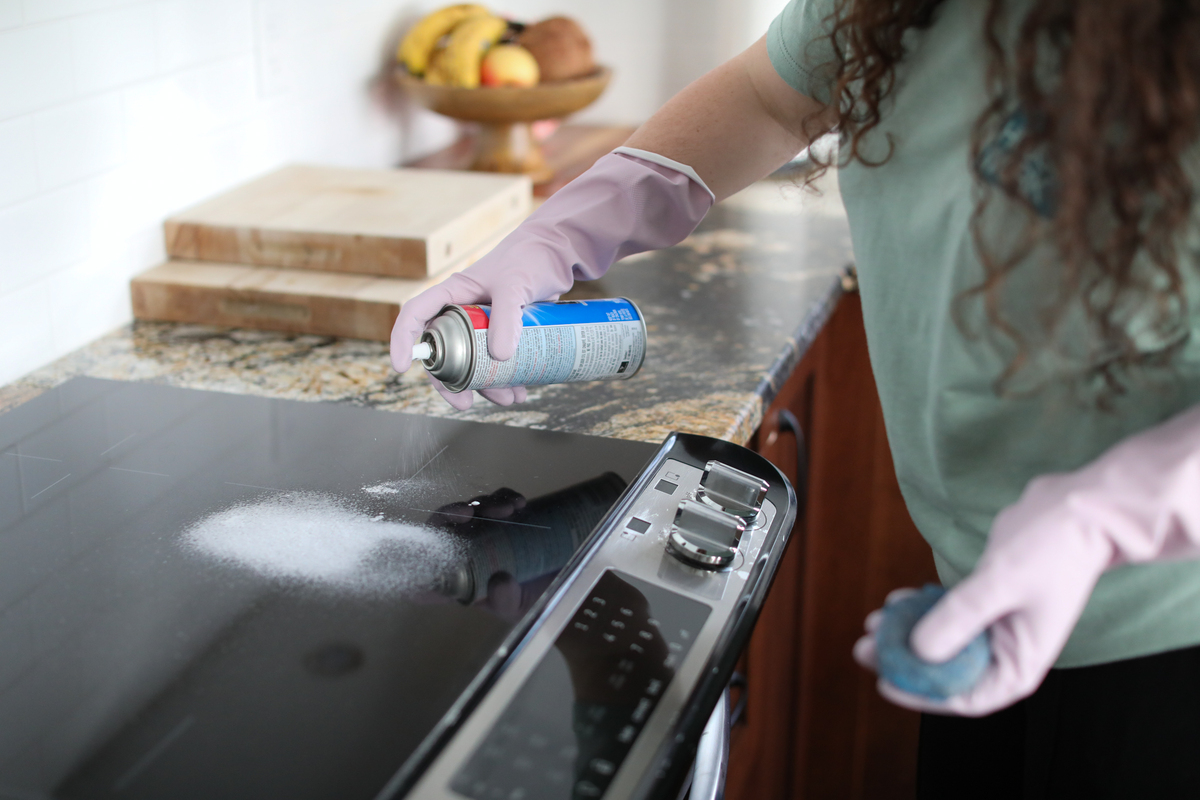
Choose a cleaner suitable for your cooktop type—whether glass, ceramic, or stainless steel. Spray or apply it evenly across the surface, focusing on areas with visible stains. A cleaner designed for cooktops will break down grease without damaging the finish.
Use a soft sponge or microfiber cloth to scrub the surface in small circles. Avoid abrasive pads that can scratch. You might find that letting the cleaner sit for a minute makes scrubbing easier. Have you tried this trick before?
Dealing With Stubborn Spots
Some spots refuse to budge with regular cleaning. For these, a paste made from baking soda and water works wonders. Apply it directly on the tough spots and let it sit for 10-15 minutes.
Afterward, gently scrub with a soft brush or cloth. For burnt-on food, a razor blade scraper held at a 45-degree angle can carefully remove residue, but only if your cooktop surface allows it. Always check your cooktop’s manual to avoid damage.
What’s the toughest stain you’ve faced on your cooktop? Tackling those stubborn spots can feel like a win when you see your surface gleaming again.
Cleaning Burner Parts
Cleaning burner parts is essential for a cooktop’s efficiency and safety. Dirt and food residue block gas flow and cause uneven flames. Regular cleaning keeps burners working well and prevents damage. Focus on grates, caps, and burner heads for a thorough clean.
Soaking Grates And Caps
Remove grates and burner caps carefully. Place them in a sink or basin filled with warm, soapy water. Let them soak for at least 20 minutes. This softens grease and food stuck on the surfaces.
After soaking, use a non-abrasive sponge or cloth to wipe away loosened grime. Avoid harsh scrubbing to prevent damaging the finish. Rinse parts with clean water and dry them completely before reassembling.
Scrubbing Burner Heads
Burner heads often collect stubborn food particles and grease. Use a soft brush or an old toothbrush to scrub gently. Focus on small holes and crevices where gas flows through.
If holes are clogged, use a straight pin or needle to clear blockages carefully. Avoid using metal tools that can enlarge or damage holes. Wipe burner heads with a damp cloth to remove loosened dirt.
Dry burner heads fully before placing them back. This prevents rust and ensures proper ignition. Clean burner parts regularly for a safer and cleaner cooktop.
Finishing Touches
After scrubbing away grime and stains, the finishing touches on your cooktop are crucial to restore its sleek appearance and ensure it’s ready for your next cooking adventure. These final steps not only improve the look but also extend the lifespan of your appliance. Let’s look at how drying, reassembling, and polishing transform your cooktop from clean to sparkling.
Drying And Reassembling
Start by thoroughly drying every part of your cooktop. Use a soft, lint-free cloth to wipe down surfaces, paying close attention to corners and edges where moisture can hide. Leaving any dampness behind might cause rust or damage over time.
Next, carefully reassemble all the components you removed earlier, such as burner grates, knobs, and drip pans. Ensure each piece fits snugly and correctly to avoid any operational issues. Have you ever noticed a burner knob that feels loose after cleaning? That’s often because it wasn’t securely placed back.
Polishing For Shine
Once everything is dry and back in place, it’s time to polish your cooktop to bring out its shine. Use a cleaner specifically designed for your cooktop’s surface, whether glass, stainless steel, or ceramic. Apply the polish with a microfiber cloth in circular motions for an even, streak-free finish.
Polishing not only enhances the look but also creates a protective layer that repels future spills and stains. Have you tried using natural oils like lemon or olive oil on stainless steel? They can add an extra layer of shine and help reduce fingerprints.
Maintaining Sparkle
Keeping your cooktop sparkling doesn’t require a major effort every time you cook. Small, consistent actions can save you from scrubbing away stubborn stains later. Maintaining that shine is about developing habits that fit smoothly into your daily routine.
Daily Cleaning Habits
After each cooking session, wipe down your cooktop while it’s still warm but not hot. Use a soft cloth or sponge with mild dish soap and warm water to remove spills and splatters before they dry.
Don’t forget to clean the knobs and edges where grease tends to hide. A quick wipe daily prevents buildup and keeps your cooktop looking fresh.
Have you noticed how much easier it is to clean when you don’t let messes sit? This small habit can drastically reduce the time and effort needed for deep cleaning.
Tips To Prevent Buildup
- Use splatter guards:They catch grease and food particles, reducing stains on your cooktop.
- Choose the right cleaning products:Avoid abrasive cleaners that scratch surfaces; instead, opt for gentle, non-toxic cleaners.
- Clean spills immediately:Acidic spills like tomato sauce can etch glass surfaces if left too long.
- Regularly check burner caps and grates:Removing and washing these parts prevents grease from hardening and becoming tough to remove.
What simple change can you make today to stop buildup before it starts? Sometimes, the smallest adjustments in your routine make the biggest difference in maintaining that cooktop sparkle.
Credit: www.housework.com
Frequently Asked Questions
How Do I Clean A Glass Cooktop Safely?
Use a soft cloth and a gentle cleaner made for glass cooktops. Avoid abrasive pads that can scratch the surface. Wipe spills quickly to prevent stains. For tough spots, apply a paste of baking soda and water, then gently scrub and rinse.
What Is The Best Cleaner For A Cooktop?
A non-abrasive cleaner designed specifically for cooktops works best. Avoid harsh chemicals or bleach. Natural options like vinegar or baking soda also clean effectively. Always test cleaners on a small area first to ensure they don’t damage your cooktop surface.
How Often Should I Clean My Cooktop?
Clean your cooktop after every use to prevent buildup and stains. Wipe spills immediately and do a thorough cleaning weekly. Regular maintenance keeps your cooktop looking new and ensures it functions efficiently.
Can I Use Vinegar To Clean My Cooktop?
Yes, vinegar is an excellent natural cleaner for removing grease and grime. Spray vinegar on the cooktop, let it sit for a few minutes, then wipe with a soft cloth. It’s safe, non-toxic, and leaves a streak-free shine.
Conclusion
Cleaning your cooktop keeps your kitchen fresh and safe. Regular care stops grease and stains from building up. Use gentle cleaners and soft cloths to avoid damage. Small daily steps make big differences over time. A clean cooktop also helps your food taste better.
Keep a routine and enjoy a shiny cooking space. Simple habits save time and effort in the long run. Try these easy tips to keep your cooktop spotless. Your kitchen will thank you for the extra care.