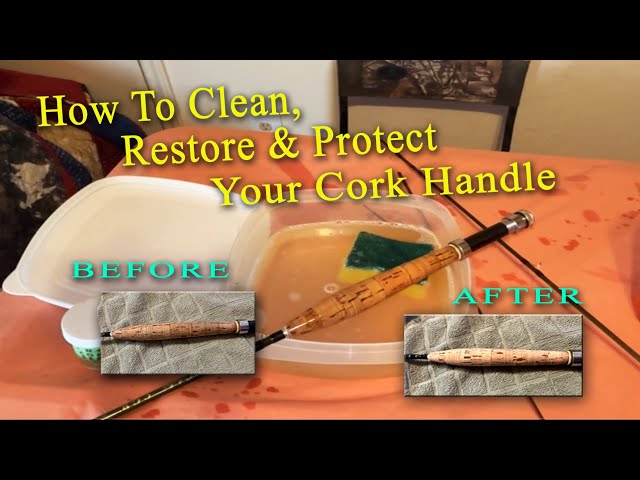
Are your cork fishing rod handles looking a little worse for wear? You might be surprised at how much grime and dirt can accumulate on them over time.
But don’t worry; you’re not alone. Many fishing enthusiasts face this issue, and the good news is that cleaning cork handles is easier than you might think. With just a few simple steps, you can restore them to their original glory.
Imagine the satisfaction of gripping a clean, fresh handle on your next fishing trip. Intrigued? Read on to discover the secrets to maintaining your fishing gear, ensuring it not only looks great but also lasts longer. Your next catch might be just a spotless handle away!
Why Clean Cork Handles
Cork fishing rod handles get dirty over time. Dirt and sweat build up on the surface. Cleaning them keeps the handle fresh and comfortable.
Regular cleaning stops cork from breaking down. It also helps the handle last longer and work better.
Benefits Of A Clean Grip
A clean cork handle gives you a better hold on your rod. It feels smooth and dry, so you don’t slip easily. This helps you fish with more control.
Cleaning cork also stops bad smells. Dirt and sweat can cause the handle to smell over time. A clean grip stays fresh and nice.
- Improves grip and control
- Prevents slippery surfaces
- Keeps handle fresh and odor-free
- Extends the life of the cork
Common Dirt And Stains
Cork handles collect many types of dirt. Natural oils from your hands make the cork dark and sticky. Mud and sand from fishing spots add rough stains.
Sometimes mold or mildew grows if the cork stays wet. These stains can damage the cork and make it weak.
- Oils from skin and sweat
- Mud and dirt from outdoors
- Sand particles
- Mold and mildew from moisture
Credit: www.themeateater.com
Tools And Materials Needed
Cleaning cork fishing rod handles needs the right tools and materials. These help keep the cork safe and looking good.
Using gentle cleaners and soft brushes makes the job easier. Additional supplies help remove tough dirt without damage.
Gentle Cleaners
Choose cleaners that are mild and safe for cork. Harsh chemicals can damage the cork’s surface.
- Mild dish soap mixed with water
- White vinegar diluted in water
- Baking soda paste for stains
- Special cork cleaner (optional)
Soft Brushes And Cloths
Use soft brushes to reach dirt in the cork pores. Soft cloths help wipe the handle clean without scratches.
- Soft toothbrush or nylon brush
- Microfiber cloth for wiping
- Soft sponge for gentle scrubbing
- Lint-free towel for drying
Additional Supplies
Extra items can help with tough cleaning and drying. These supplies protect the cork during the process.
- Bucket or bowl for mixing cleaners
- Clean water for rinsing
- Soft-bristled brush for stubborn dirt
- Protective gloves to keep hands clean
Step-by-step Cleaning Process
Cork fishing rod handles can get dirty after many fishing trips. Cleaning them keeps the cork smooth and looking good. This guide shows you how to clean your cork handles carefully.
Follow these simple steps to remove dust, stains, and deep dirt from your cork handles. Use gentle tools and cleaners to avoid damage.
Initial Dust Removal
Start by removing loose dust and dirt from the cork handle. This prevents scratching the cork during cleaning.
Use a soft brush or dry cloth for this step. Gently brush or wipe the handle to clear away dust.
- Use a soft toothbrush or paintbrush
- Brush in circular motions
- Wipe with a clean, dry cloth
- Avoid using water at this stage
Spot Cleaning Stains
Check the cork handle for stains or marks. Spot cleaning helps remove these without soaking the cork.
Use a damp cloth with mild soap to gently rub the stained areas. Avoid harsh chemicals that can damage cork.
- Dampen a soft cloth with water and mild soap
- Gently rub the stained spot in circles
- Use a clean damp cloth to remove soap
- Let the handle air dry completely
Deep Cleaning Techniques
For tough dirt and grime, deep cleaning is needed. Use a gentle scrub with a soft brush and cleaning solution.
Mix warm water with mild soap or cork cleaner. Avoid soaking the handle to protect the cork’s texture.
- Mix warm water and mild soap in a bowl
- Dip a soft brush into the solution
- Lightly scrub the cork handle in small sections
- Wipe with a clean damp cloth to remove soap
- Dry the handle with a towel and air dry fully
Credit: www.speypages.com
Drying And Maintenance Tips
Caring for cork fishing rod handles keeps them in good shape. Proper drying and maintenance prevent damage and extend life.
Learn simple ways to dry and maintain your cork handles after each fishing trip.
Proper Drying Methods
Dry cork handles gently to avoid cracks and mold. Avoid direct sunlight or heat sources.
- Wipe the handle with a soft cloth to remove moisture.
- Let the handle air dry in a cool, shaded place.
- Do not use hair dryers or heaters to speed drying.
- Make sure the handle is completely dry before storing.
Regular Care Routine
Keep cork handles clean and protected with a simple routine. This helps maintain grip and appearance.
| Care Step | Action |
| Cleaning | Use mild soap and water; avoid harsh chemicals |
| Conditioning | Apply cork sealant or light oil to protect cork |
| Storage | Store rod in a dry, ventilated area away from heat |
| Inspection | Check for cracks or damage before each use |
Avoiding Damage To Cork Handles
Cork handles on fishing rods need gentle care to last long. Cleaning them the right way keeps them strong and looking good.
Using the wrong cleaning methods can cause cracks or wear on the cork surface. This guide helps you avoid harm while cleaning.
What To Avoid When Cleaning
Never use harsh chemicals or strong detergents on cork handles. These can dry out the cork and cause it to crumble or discolor.
- Do not scrub with stiff brushes or abrasive pads.
- Avoid soaking cork handles in water for long periods.
- Stay away from bleach or ammonia-based cleaners.
- Do not use high-pressure water jets to clean cork.
- Avoid using alcohol or solvents that may weaken the cork.
Protecting Cork From Wear
Protecting cork handles means cleaning them gently and keeping them dry when not in use. Proper care prevents cracks and surface damage.
| Care Tip | Reason |
| Use soft cloths or sponges | Prevents scratches on cork surface |
| Dry cork handles after use | Stops moisture damage and mold growth |
| Store rod in a cool, dry place | Avoids heat and humidity that weaken cork |
| Apply cork sealant occasionally | Protects cork from dirt and wear |

Credit: www.bassresource.com
When To Replace Cork Handles
Cork handles on fishing rods wear out over time. They lose grip, become rough, or start to break.
Replacing cork handles keeps your fishing rod comfortable and easy to use.
Signs Of Wear And Tear
Look for cracks, chips, or holes on the cork handle. These signs show the cork is breaking down.
If the handle feels slippery or sticky, it means dirt and oils have soaked in. This reduces grip.
- Visible cracks or chunks missing
- Soft or spongy areas on the handle
- Discoloration or dark stains
- Uncomfortable grip or slippery surface
Choosing Replacement Options
You can replace cork handles with new cork or other materials like EVA foam. Each has benefits.
New cork looks natural and feels good. EVA foam is durable and easy to clean but feels different.
- New cork handles for a classic look and feel
- EVA foam handles for durability and easy care
- Hybrid handles combining cork and foam
- Custom wraps for a unique style
Frequently Asked Questions
How Do I Clean Cork Fishing Rod Handles Safely?
Use mild soap and warm water with a soft brush. Gently scrub the cork to avoid damage. Rinse with clean water and air dry completely.
What Household Items Remove Stains From Cork Handles?
Baking soda and water paste works well. Apply gently, scrub lightly, then rinse. Avoid harsh chemicals that can weaken the cork.
How Often Should Cork Fishing Rod Handles Be Cleaned?
Clean your cork handles after every few fishing trips. Regular maintenance prevents dirt buildup and extends handle lifespan.
Can I Use Oil To Maintain Cork Rod Handles?
Yes, applying a light coat of linseed oil protects and preserves cork. Avoid excessive oil to prevent stickiness.
Conclusion
Cleaning cork fishing rod handles keeps them strong and looking good. Use gentle soap and water with a soft cloth. Avoid harsh chemicals that can damage the cork. Dry the handle well after cleaning to stop mold and mildew. Regular care makes your fishing gear last longer.
Simple steps protect your rods and improve your fishing trips. Clean handles feel better in your hands and help you fish with comfort. Take a few minutes to clean after each trip. Your cork handles will thank you.