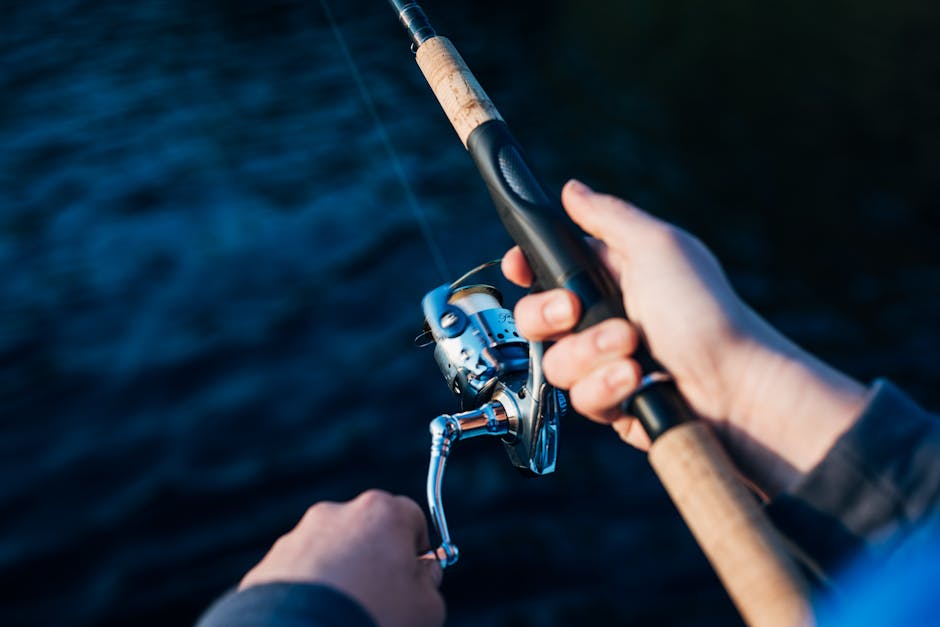
Your cork fishing rod handle is more than just a grip—it’s where comfort meets control during every cast. But over time, dirt, sweat, and grime build up, making your handle slippery and less enjoyable to use.
You might wonder how to clean it without damaging the delicate cork material. In this guide, you’ll discover simple, effective ways to restore your cork handle’s natural feel and look. Keep reading to learn easy steps that will keep your fishing gear in top shape and enhance every fishing trip.
Credit: www.themeateater.com
Why Clean Cork Handles
Cork fishing rod handles get dirty from use and nature. Dirt and sweat can build up over time.
Cleaning cork handles keeps them strong and comfortable to hold. It also helps the handle last longer.
Benefits Of A Clean Grip
A clean cork handle gives a better grip. It stops slipping when your hands are wet or sweaty.
It feels nicer to hold and helps you fish longer without discomfort. Clean cork also looks nicer and fresh.
- Improves grip and control
- Prevents slipping in wet conditions
- Increases comfort during use
- Makes the handle look new
- Extends cork handle life
Common Dirt And Stains
Cork handles get dirty from mud, fish slime, and oils from your skin. These can stain the cork surface.
Other common stains come from salt, algae, and sometimes ink or paint if you use the rod near those materials.
- Mud and soil from banks or boats
- Fish slime and scales
- Oils and sweat from hands
- Saltwater residue
- Algae and plant matter
- Ink or paint marks

Credit: www.bassresource.com
Tools And Materials Needed
Cleaning cork fishing rod handles is easy with the right tools. Proper maintenance keeps them looking new.
Gathering the right cleaning supplies ensures effective and safe cleaning. Let’s explore what you’ll need.
Cleaning Supplies Checklist
Having a checklist helps you organize your cleaning process efficiently. Here are the essentials:
- Mild dish soap
- Warm water
- Soft cloth
- Non-abrasive sponge
- Old toothbrush
Choosing The Right Brush
Selecting the right brush is crucial for gentle cleaning. Avoid using hard brushes that can damage the cork.
Opt for a brush with soft bristles. An old toothbrush is often a perfect choice. It reaches small areas without causing harm.
Step-by-step Cleaning Process
Cleaning cork fishing rod handles keeps them in good shape. Dirt and sweat can build up, so regular care helps maintain grip and look.
This guide shows how to clean cork handles with easy steps. Follow each part carefully for best results.
Initial Dust Removal
Start by removing loose dust and dirt from the cork handle. This prevents scratching during deeper cleaning.
Use a soft brush or cloth to gently wipe the surface. Avoid using too much pressure to protect the cork.
- Use a soft-bristled brush or microfiber cloth
- Brush in circular motions
- Remove visible dust and debris
- Do not use water at this stage
Deep Cleaning Techniques
For deep cleaning, use mild soap and water. Avoid harsh chemicals that can damage cork.
Mix a small amount of gentle soap with warm water. Dip a soft cloth in the mix and wring it out well before cleaning.
- Prepare mild soap solution
- Use a damp cloth, not wet
- Gently wipe the handle surface
- Use a soft toothbrush for tough spots
- Do not soak the cork in water
Drying The Handle Properly
Dry the cork handle after cleaning to prevent mold or damage. Air drying is the safest method.
Use a dry towel to blot excess moisture. Leave the rod in a cool, dry place away from direct sunlight.
- Blot handle with a dry cloth
- Place in a well-ventilated area
- Avoid direct sunlight and heat
- Let it dry completely before use or storage
Handling Stubborn Stains
Cork fishing rod handles can get dirty over time. Stubborn stains may appear from dirt, sweat, or fish slime. Cleaning these stains helps keep the handle comfortable and looking good.
Use gentle methods to avoid damaging the cork. Tough cleaning products can wear out the surface or change its feel. Below are safe ways to clean and remove stains.
Using Mild Cleaners Safely
Choose mild cleaners like dish soap or gentle detergent. Mix a small amount with warm water. Use a soft cloth or brush to clean the cork handle.
Do not soak the handle. Too much water can weaken the cork. Wipe gently and dry the handle after cleaning.
- Mix 1 teaspoon of mild soap with 1 cup of warm water
- Dip a soft cloth or soft-bristle brush in the solution
- Gently scrub the stained area in small circles
- Wipe with a clean damp cloth to remove soap
- Dry with a towel and air dry completely
Natural Remedies For Stains
Natural products like baking soda and vinegar can help remove stains. These are safe and gentle on cork. Test a small spot first to check for any color change.
Use these remedies carefully. Overuse may dry out the cork. Always rinse and dry the handle well after cleaning.
- Make a paste of baking soda and water
- Apply the paste on stains and rub gently
- Wipe off with a damp cloth and dry
- Mix equal parts white vinegar and water
- Dab the solution on stains with a cloth
- Rinse with water and dry fully
Maintenance Tips For Longevity
Cork fishing rod handles need care to stay in good shape. Cleaning them regularly helps keep their grip and look.
Proper maintenance can extend the life of your cork handles and make fishing more enjoyable.
Regular Cleaning Schedule
Clean your cork handles every few weeks or after every fishing trip. Dirt and oils build up and can cause damage over time.
- Use warm water with mild soap to clean the handle.
- Gently scrub with a soft brush to remove dirt.
- Rinse well with clean water to remove soap.
- Dry the handle with a soft cloth completely.
- Let the handle air dry in a cool place before storing.
Protecting Cork From Damage
Protect cork handles from harsh conditions that cause cracks and stains. Avoid chemicals and rough surfaces.
| Do | Don’t |
| Store rod in a dry place | Leave cork in direct sunlight |
| Use cork sealant for protection | Use harsh cleaners or solvents |
| Wipe off salt and dirt after use | Scratch or scrape the cork surface |
| Handle with clean hands | Drop or hit the cork handle |
Credit: www.speypages.com
Frequently Asked Questions
How Do I Clean Cork Fishing Rod Handles Effectively?
To clean cork fishing rod handles, use mild soap and warm water. Gently scrub with a soft brush to remove dirt. Avoid soaking the cork to prevent damage. Dry thoroughly with a clean cloth before storage to maintain handle integrity and appearance.
Can I Use Household Cleaners On Cork Rod Handles?
Avoid harsh household cleaners on cork handles. These can damage the cork’s texture and finish. Stick to mild soap and water for safe cleaning. This method preserves cork’s natural look and extends the handle’s lifespan without causing wear.
How Often Should Cork Fishing Rod Handles Be Cleaned?
Clean cork fishing rod handles after every few fishing trips. Frequent cleaning prevents dirt buildup and odor. Regular maintenance keeps the cork looking fresh and prevents long-term damage. Quick cleaning sessions improve grip and rod performance.
What Tools Are Best For Cleaning Cork Rod Handles?
Use a soft brush or sponge with mild soap for cleaning cork handles. Avoid abrasive tools that can scratch or wear down the cork. A microfiber cloth helps gently remove residue and polish the handle after cleaning for a smooth finish.
Conclusion
Cleaning cork fishing rod handles keeps them looking fresh and lasting longer. Use gentle soap and a soft brush for the best results. Avoid harsh chemicals that can damage the cork surface. Regular care stops dirt and oils from building up.
This simple routine helps maintain your fishing gear’s comfort and grip. Keep your handle dry after cleaning to prevent mold. A clean cork handle makes fishing more enjoyable and effective. Try these easy steps to protect your fishing rods today.