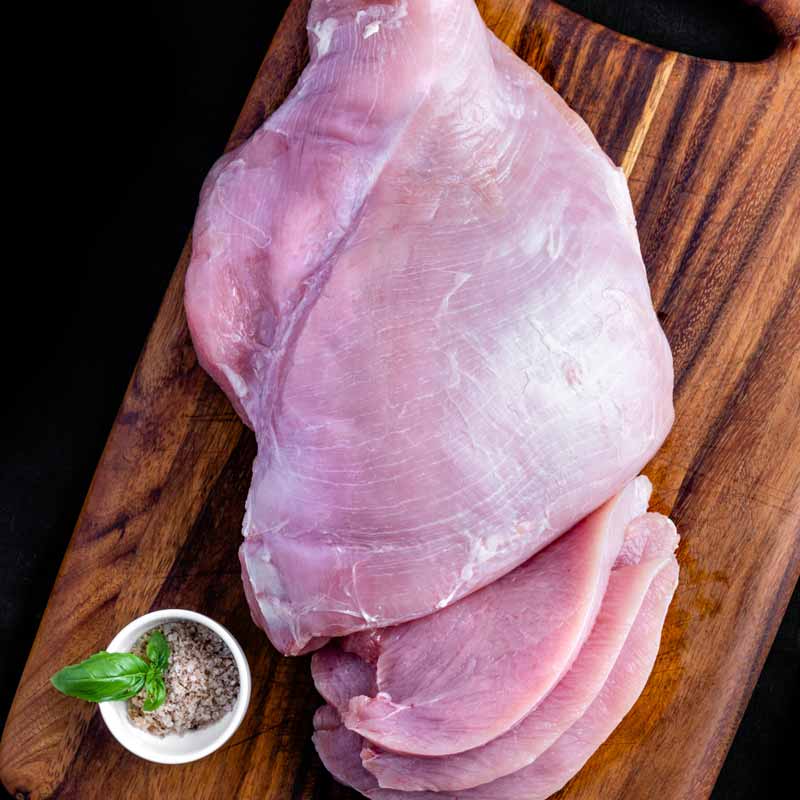
You’ve just finished prepping raw meat, and now it’s time to clean your cutting board. But do you really know how to do it right?
If not cleaned properly, your cutting board can become a breeding ground for harmful bacteria that can make you and your family sick. You want to keep your kitchen safe and your food fresh, and that starts with how you clean your cutting board.
Keep reading to learn simple, effective steps that will help you disinfect your board and protect your health every time you cook.

Credit: tabcpronto.com
Risks Of Improper Cleaning
Cleaning your cutting board after using raw meat is very important. If you do not clean it right, bacteria can stay on the board.
These bacteria can cause food poisoning and other health problems. It is safer to know the risks and how to avoid them.
Bacterial Contamination
Bacteria from raw meat can stay on the cutting board if it is not cleaned well. These bacteria can grow and spread to other foods.
- Salmonella
- E. coli
- Campylobacter
These bacteria cause stomach pain, diarrhea, and fever. Cleaning with hot, soapy water kills most bacteria.
Cross-contamination Dangers
Cross-contamination happens when bacteria from raw meat spread to other foods. This can happen if you use the same cutting board without cleaning.
| Source | Contaminated Food | Health Risk |
| Raw chicken | Salad vegetables | Food poisoning |
| Raw beef | Cooked meat | Bacterial infection |
| Raw pork | Bread | Stomach illness |
Always clean your cutting board between uses. Use separate boards for meat and vegetables to stay safe.

Credit: www.reddit.com
Choosing The Right Cutting Board
Cleaning a cutting board after using raw meat is very important. The right cutting board helps keep food safe and clean.
Different materials have different cleaning needs. Picking the best one makes cleaning easier and safer.
Wood Vs Plastic Boards
Wood and plastic boards are popular choices. Each has good and bad points for cleaning after raw meat.
Wood boards can absorb juices, but they are less likely to get deep cuts. Plastic boards can get scratches where bacteria hide.
- Wood boards are gentle on knives and can self-heal small cuts
- Plastic boards are dishwasher safe and easy to sanitize
- Wood needs hand washing and drying to avoid warping
- Plastic boards may wear out faster with deep grooves
Benefits Of Different Materials
Wood boards have natural antibacterial properties. They last long if cleaned and dried well.
Plastic boards are light and affordable. They are good for quick cleaning and dishwasher use.
- Wood absorbs some moisture but resists bacteria growth
- Plastic boards can be sanitized with bleach or hot water
- Wood boards need oiling to stay smooth and prevent cracks
- Plastic boards are good for color-coding to avoid cross-contamination
Immediate Cleaning Steps
Cleaning your cutting board right after using raw meat stops bacteria from spreading. It keeps your kitchen safe and fresh.
Follow simple steps to remove meat residue and rinse the board properly. Quick cleaning helps prevent germs from staying on the surface.
Removing Meat Residue
Start by scraping off any meat bits from the board. Use a plastic scraper or a spatula to avoid damaging the surface.
- Use a paper towel or cloth to wipe away loose pieces.
- Apply hot, soapy water to the board.
- Scrub the surface with a brush or sponge.
- Focus on cuts and grooves where meat can hide.
Rinsing Techniques
Rinse the board well to remove soap and meat juices. Use running hot water for best results.
| Rinsing Method | Details |
| Running Hot Water | Flushes away residue quickly and kills some bacteria. |
| Vinegar Rinse | Use diluted vinegar to disinfect naturally. |
| Air Dry | Let the board dry completely to stop bacteria growth. |
Deep Cleaning Methods
Cleaning a cutting board after using raw meat is important for safety. Deep cleaning removes germs and bacteria that can cause illness.
Use strong cleaning methods to keep your cutting board safe and ready for the next use.
Using Hot Soapy Water
Start by rinsing the cutting board with hot water. Then scrub it with dish soap and a brush or sponge. Make sure to clean all sides and edges.
- Use hot water to kill surface germs
- Apply dish soap for better cleaning
- Scrub thoroughly to remove meat residue
- Rinse well with hot water
- Dry completely before storing
Disinfecting With Vinegar Or Bleach
After washing, disinfect the board to kill hidden bacteria. You can use vinegar or a diluted bleach solution for this step.
| Disinfectant | How to Use | Safety Tips |
| White Vinegar | Spray or pour on board, let sit 5 minutes, then rinse | Safe for wood and plastic |
| Bleach Solution | Mix 1 tablespoon bleach with 1 gallon water, soak 2 minutes, rinse well | Use gloves, ventilate area |
Drying And Maintenance Tips
Cleaning your cutting board after raw meat is important. Drying and caring for it keeps it safe and lasts longer.
Proper drying stops bacteria growth. Good maintenance prevents damage like cracks and warping.
Proper Drying Techniques
After washing, dry your cutting board quickly. Use a clean towel to remove water on all sides.
Stand the board upright or lean it on its side. This lets air flow around it to dry fully.
- Use a dry towel to wipe off water
- Place board upright for air circulation
- Keep in a well-ventilated area to dry
- Avoid leaving the board flat and wet
Preventing Cracks And Warping
Wood boards can crack or warp if they stay wet too long. Drying fast helps stop this damage.
Use oil to keep the wood strong. Apply food-safe mineral oil regularly to prevent drying out.
- Dry board fully after each use
- Apply mineral oil once a month
- Do not soak board in water
- Keep board out of direct heat or sun
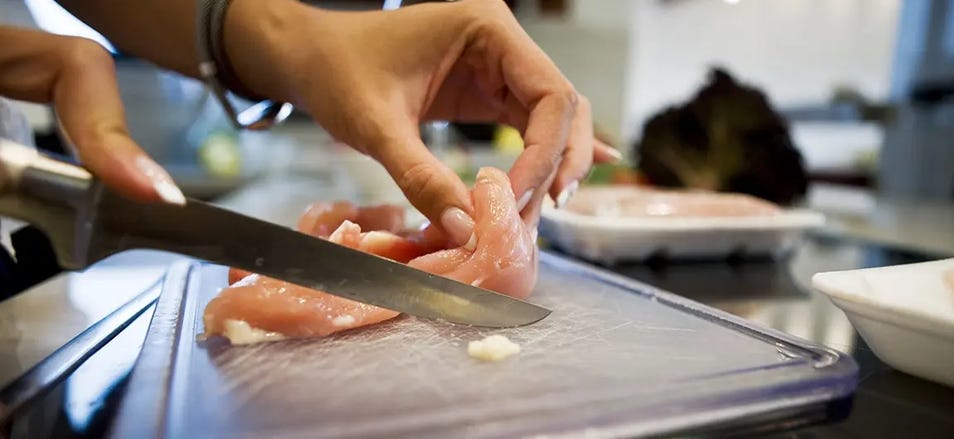
Credit: www.lysol.com
Natural Cleaning Alternatives
Cleaning cutting boards after raw meat use is important to avoid bacteria. You can use natural ingredients for safe and effective cleaning.
These methods are simple, eco-friendly, and use items you already have at home.
Lemon And Salt Scrub
Lemon and salt work well to clean and deodorize cutting boards. The lemon’s acid kills germs, and salt scrubs away stains.
- Cut a lemon in half.
- Sprinkle coarse salt over the board.
- Rub the lemon on the salted board in circles.
- Let it sit for five minutes.
- Rinse with hot water and dry.
Baking Soda Paste
Baking soda is a natural cleaner and deodorizer. It helps remove meat odors and stains from cutting boards.
| Ingredient | Amount | Purpose |
| Baking Soda | 3 tablespoons | Cleaning and deodorizing |
| Water | 1 tablespoon | Create paste |
| White Vinegar (optional) | 1 tablespoon | Extra disinfecting |
Mix baking soda and water to make a thick paste. Spread it on the board and scrub with a sponge. Rinse well. For extra cleaning, spray vinegar after scrubbing, then rinse.
When To Replace Your Cutting Board
Cutting boards can get worn out over time. Knowing when to replace them helps keep your kitchen safe.
This is very important after using the board for raw meat. Old boards can hide bacteria and cause illness.
Signs Of Wear And Damage
Check your cutting board often. Look for deep cuts, cracks, and rough spots. These can trap bacteria.
- Deep grooves from knives
- Cracks that split the board
- Warping or bending of the board
- Discoloration that won’t wash away
If your board shows these signs, it is time to get a new one. A damaged board is hard to clean well.
Health Considerations
Using a worn cutting board for raw meat can cause food poisoning. Harmful bacteria can stay in cracks.
Replacing your cutting board helps stop cross-contamination. It keeps your food safe and healthy to eat.
- Bacteria hide in scratches and cracks
- Cleaning may not remove all germs
- Old boards can cause illness
- New boards reduce health risks
Frequently Asked Questions
How Do You Sanitize A Cutting Board?
To sanitize a cutting board after raw meat, first wash with hot, soapy water. Then, apply a solution of one tablespoon of unscented liquid chlorine bleach per gallon of water. Let it sit for a few minutes, rinse thoroughly with water, and air dry.
Can Vinegar Clean Cutting Boards?
Yes, vinegar can clean cutting boards effectively. Its natural acidity helps kill bacteria. Simply spray white vinegar on the board, let it sit for a few minutes, and wipe with a clean cloth. For extra cleaning power, sprinkle baking soda before using vinegar.
Is It Safe To Use Lemon On Cutting Boards?
Yes, lemons are safe for cutting boards. Their acidity helps eliminate bacteria and odors. Cut a lemon in half, rub it over the board, and let the juice sit for a few minutes. Rinse with water and dry the board thoroughly afterward.
What Is The Best Cleaner For Cutting Boards?
The best cleaner for cutting boards is a combination of hot, soapy water and a disinfecting solution. Use bleach diluted with water for effective sanitization. Alternatively, natural options like vinegar and lemon juice also work well for regular cleaning and deodorizing.
Conclusion
Cleaning your cutting board after raw meat keeps your kitchen safe. Use hot water and soap to wash it well. Scrub all surfaces to remove meat juices and bacteria. Rinse thoroughly, then dry with a clean towel or air dry.
Regular cleaning stops germs from spreading to other foods. A clean cutting board helps prevent food poisoning. Follow these simple steps every time you cook raw meat. Stay safe and enjoy cooking with confidence.