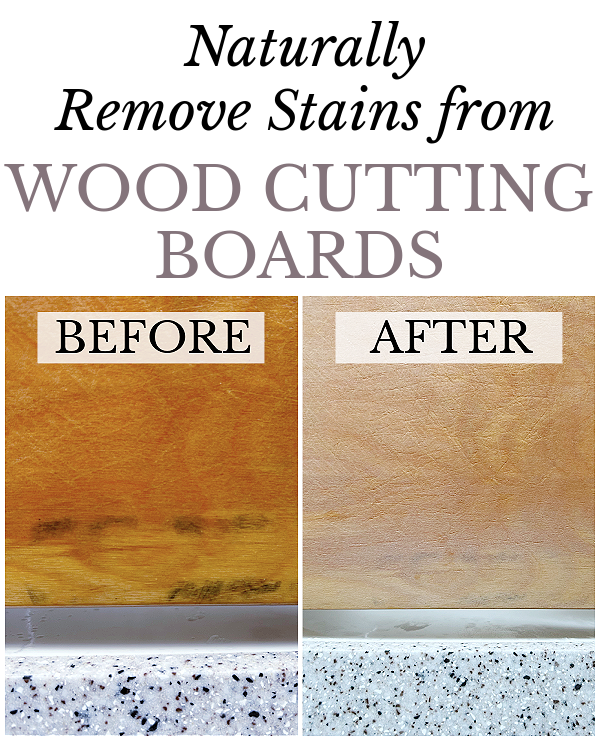
Have you ever noticed stubborn stains ruining the look of your cutting board? Whether it’s from beet juice, turmeric, or everyday food messes, those marks can be frustrating and hard to remove.
But don’t worry—your cutting board doesn’t have to stay stained forever. You’ll discover simple, effective ways to clean and restore your cutting board, making it look fresh and new again. Keep reading to learn the easy steps you can take right now to say goodbye to those stubborn stains for good.
Common Causes Of Cutting Board Stains
Cutting boards often get stains from the food we prepare. Some foods leave marks that are hard to remove. Understanding what causes these stains helps keep your board clean.
Different foods and the material of the cutting board both affect how much staining happens. Let’s look closer at these causes.
Food Types That Stain
Some foods naturally have strong colors or pigments. These can leave stains on cutting boards quickly.
- Beets have deep red color that can soak into wood and plastic.
- Tomatoes contain natural acids and red pigment that cause marks.
- Carrots have orange pigment that may leave faint stains.
- Turmeric is a spice with bright yellow color that stains easily.
- Berries like blueberries and blackberries leave purple and blue marks.
Material Impact On Staining
Cutting boards are made from wood, plastic, or bamboo. Each material reacts differently to staining.
| Material | Stain Resistance | Cleaning Tips |
| Wood | Moderate | Use salt and lemon to scrub stains |
| Plastic | Low | Wash with baking soda paste |
| Bamboo | High | Clean quickly and oil regularly |
Immediate Steps To Prevent Stains
Cutting boards often face tough stains from food. Acting quickly can save your board from lasting marks.
Following some simple steps helps in keeping your cutting board clean. Quick action is key to maintaining its look.
Rinsing And Wiping Techniques
Rinse the cutting board under cold water immediately. This prevents stains from setting in.
Use a clean cloth to wipe the board dry. This helps remove any remaining residue.
- Avoid using hot water as it can set stains.
- Ensure the board is completely dry before storing.
- Use a soft cloth to avoid scratches.
Using Protective Barriers
Consider using protective barriers like wax paper. This reduces direct contact with staining foods.
Place a sheet over the board before cutting. This can help keep the board cleaner.
- Choose barriers that are food safe.
- Replace the barrier after each use.
- Ensure the barrier covers the entire surface.
Natural Cleaning Solutions
Cutting board stains can be tough to remove. Natural cleaning solutions offer safe ways to clean without chemicals.
Using simple ingredients from your kitchen, you can restore your cutting board’s look and keep it hygienic.
Lemon And Salt Method
Lemon and salt work well to remove stains and odors from cutting boards. The lemon juice breaks down stains, while salt scrubs the surface.
Cut a lemon in half, sprinkle salt on the board, and rub the lemon over the salt. Let it sit for a few minutes, then rinse with warm water.
- Cut lemon in half
- Sprinkle salt on stains
- Rub lemon on salted spots
- Wait 5 minutes
- Rinse with warm water
Baking Soda Paste
Baking soda is a gentle abrasive that lifts stains from wood and plastic cutting boards. It also neutralizes odors.
Mix baking soda with water to make a paste. Apply it on stains and scrub with a sponge. Rinse well after cleaning.
- Mix baking soda and water
- Make a thick paste
- Apply paste to stains
- Scrub gently with sponge
- Rinse thoroughly
Vinegar Rinse
White vinegar cleans and disinfects cutting boards naturally. It helps remove stains and kills bacteria.
Spray or pour vinegar over the board. Let it sit for a few minutes, then wipe or rinse with water.
- Pour or spray white vinegar
- Let it sit 5 minutes
- Wipe or rinse with water
- Dry board before use
Deep Cleaning Methods
Cutting boards can get stains from food and liquids. Deep cleaning helps remove these tough marks. It also keeps your board safe for food use.
Some cleaning methods use common household items. Others use special cleaners made for cutting boards. Here are ways to clean deeply and safely.
Hydrogen Peroxide Treatment
Hydrogen peroxide is good for killing germs and lightening stains. It works well on plastic and wooden boards. Use it to remove food stains and bacteria.
Pour some 3% hydrogen peroxide on the stained area. Let it sit for 10 minutes. Then scrub the board with a brush. Rinse well with water after cleaning.
Bleach Solutions And Safety
Bleach is a strong cleaner that kills bacteria and removes stains. Use a mild bleach solution to protect your board. Always handle bleach with care to avoid harm.
Mix one tablespoon of bleach with one gallon of water. Soak the cutting board in the solution for a few minutes. Rinse the board completely with water and dry it well.
- Wear gloves to protect your skin
- Use bleach in a well-ventilated area
- Do not mix bleach with other cleaners
- Keep bleach away from children and pets
Commercial Cleaners
Some stores sell cleaners made for cutting boards. These cleaners remove stains and kill germs. They are safe for wood and plastic boards.
Follow the instructions on the product label. Usually, you apply the cleaner, wait a few minutes, then rinse well. These cleaners can be a good choice for tough stains.
Maintaining Cutting Board Hygiene
Keeping your cutting board clean is important to stop germs and stains. Regular care helps your board last longer and stay safe.
Stains can hold bacteria and make your kitchen less healthy. You need good cleaning habits to avoid this problem.
Regular Cleaning Schedule
Wash your cutting board after every use with hot, soapy water. This removes food particles and germs.
Deep clean the board at least once a week to remove stains and bacteria. Use natural cleaners like lemon and salt.
- Scrub the board with coarse salt and a lemon half
- Let it sit for five minutes to soak stains
- Rinse with hot water and dry thoroughly
Proper Drying And Storage
Dry your cutting board completely after washing. Moisture can cause mold and bacteria growth.
Store the board in a dry, upright place. This helps air flow around it and keeps it clean.
- Use a rack to stand the board upright
- Avoid stacking boards when wet
- Keep boards away from damp areas

Credit: homewithgraceandjoy.com
Tips For Different Cutting Board Materials
Cutting boards come in many materials. Each type needs special care to remove stains.
Cleaning your cutting board properly keeps it safe and lasts longer.
Wooden Boards
Wooden boards absorb liquids and stains easily. Use gentle cleaning methods to protect the wood.
- Sprinkle coarse salt on the stain.
- Rub with half a lemon to lift discoloration.
- Rinse with warm water and dry immediately.
- Apply mineral oil regularly to keep wood healthy.
Plastic Boards
Plastic boards stain but are easy to clean with strong cleaners. Avoid harsh scrubbing to prevent scratches.
| Cleaning Method | Details |
| Baking Soda Paste | Mix baking soda and water, scrub stains gently. |
| White Vinegar | Spray vinegar, let sit for 5 minutes, then rinse. |
| Dish Soap Soak | Soak in warm soapy water to remove deep stains. |
Bamboo Boards
Bamboo is durable but needs dry cleaning to avoid cracking. Use natural cleaners to protect its surface.
Try this simple cleaning routine for bamboo boards:
- Mix equal parts water and white vinegar in a spray bottle.
- Spray the stained area and wait 3 minutes.
- Wipe with a soft cloth and dry thoroughly.
- Rub with food-safe oil to maintain shine.
Avoiding Future Stains
Cutting boards often get stains from fruits, vegetables, and meats. Stains can make boards look old and dirty. Preventing stains helps keep cutting boards clean and fresh.
Using the right care and habits can stop stains before they start. Small changes in how you use and clean your board make a big difference.
Pre-treatment Options
Treat your cutting board before use to protect it from stains. Oils and sealants create a barrier that stops liquids from soaking in. This keeps colors from sticking to the surface.
Natural oils like mineral oil work well. Apply oil to the board and let it soak in. Wipe off extra oil with a clean cloth. Repeat this often to keep the board sealed.
- Use mineral oil to seal the board
- Apply oil once a month for best results
- Try beeswax for extra protection
- Avoid vegetable oils; they can go bad
Safe Food Handling Practices
Clean your cutting board right after use to stop stains and germs. Wash with hot, soapy water and dry well. Use separate boards for meats and vegetables to avoid cross-contamination.
Cutting acidic foods like lemons or tomatoes can cause stains. Clean the board quickly after cutting these items. Rinse and dry to keep stains from setting in.
- Wash boards immediately after use
- Use different boards for raw meat and veggies
- Dry boards completely before storing
- Clean stains quickly after cutting acidic foods

Credit: homewithgraceandjoy.com
Credit: www.thekitchn.com
Frequently Asked Questions
How Can I Remove Stains From Wooden Cutting Boards?
Use a mixture of baking soda and water to scrub stains. Rinse well and dry thoroughly to prevent damage. Lemon juice also helps whiten and deodorize wooden boards naturally.
What Household Items Clean Cutting Board Stains Effectively?
Baking soda, white vinegar, and lemon juice are excellent for stain removal. These items are safe, natural, and help disinfect while eliminating odors.
Can Bleach Be Used To Clean Cutting Board Stains?
Bleach can disinfect but should be diluted properly. Use with caution on wooden boards to avoid damage. Always rinse thoroughly after application.
How Often Should Cutting Boards Be Cleaned To Prevent Stains?
Clean cutting boards immediately after use, especially with raw meats. Regular cleaning prevents stain buildup and reduces bacterial growth effectively.
Conclusion
Cleaning cutting board stains is simple with the right steps. Use natural ingredients like lemon and baking soda for best results. Regular cleaning keeps your board fresh and safe to use. Avoid letting stains sit too long to prevent deep marks.
A clean cutting board helps maintain good kitchen hygiene. Try these easy tips to keep your board looking new. Stains don’t stand a chance with proper care. Your kitchen will stay cleaner, and your food safer. Give your cutting board the attention it deserves.