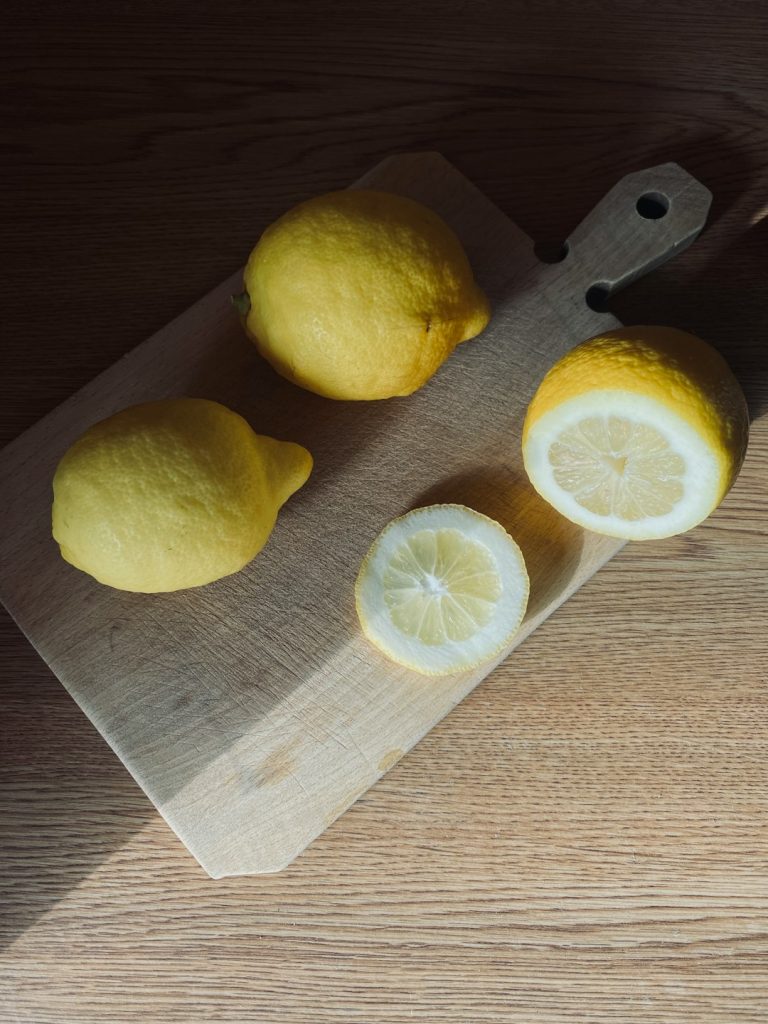
Your cutting board is one of the busiest tools in your kitchen, but it can also be a hotspot for bacteria and stains. If you want a simple, natural way to keep it fresh and clean, lemon might be your best friend.
Imagine using something as easy as a lemon to remove odors, kill germs, and brighten your board without harsh chemicals. Ready to discover how to clean your cutting board with lemon and make your kitchen safer and more inviting? Keep reading, and you’ll learn a quick, effective method that anyone can follow.

Credit: homewithgraceandjoy.com
Benefits Of Using Lemon For Cleaning
Lemon is a natural cleaner that works well on cutting boards. It helps remove stains and germs safely.
Using lemon for cleaning is simple and uses no harsh chemicals. It keeps your kitchen fresh and healthy.
Natural Antibacterial Properties
Lemon contains citric acid, which kills many bacteria. It helps reduce germs on cutting boards after use.
This natural acid works without damaging the board. It makes lemon a safe choice for cleaning kitchen tools.
Deodorizing Effects
Lemon removes bad smells from cutting boards. It leaves a fresh, clean scent that lasts.
- Neutralizes strong food odors
- Prevents smell build-up from raw meat or fish
- Keeps the kitchen smelling fresh
Eco-friendly Alternative
| Cleaning Method | Environmental Impact |
| Lemon Juice | Biodegradable, non-toxic |
| Chemical Cleaners | May pollute water, toxic waste |
| Bleach | Harsh chemicals, harmful to plants and animals |
Using lemon reduces plastic waste and harmful chemicals. It is a good choice for green cleaning.
Preparing Your Cutting Board
Cleaning your cutting board with lemon is a natural way to remove stains and odors. Before using lemon, you need to prepare the board properly. This helps the lemon work better and keeps your board safe to use.
Proper preparation removes leftover food and chooses the right board type. Both steps help keep your kitchen clean and healthy.
Removing Food Residue
Start by scraping off large food bits from the board. Use a plastic scraper or a spatula to avoid damage. Then, rinse the board with warm water to wash away small crumbs.
Cleaning food residue prevents bacteria growth. It also makes lemon cleaning more effective. Never soak wooden boards in water for long. Dry them quickly to keep wood strong.
Choosing The Right Cutting Board Material
Not all cutting boards clean the same way with lemon. Wood and plastic boards react differently to lemon juice. Wood absorbs lemon better, which helps remove smells and stains.
Plastic boards are easier to rinse but may not soak lemon well. Avoid using lemon on bamboo or glass boards often. Lemon can damage some materials or cause spots.
Step-by-step Lemon Cleaning Method
Cleaning a cutting board with lemon is a natural and effective way to remove stains and odors. Lemon’s acidity helps to kill bacteria and freshen up the surface.
This guide shows you how to clean your cutting board using lemon in a few simple steps.
Gathering Supplies
Before cleaning, collect all the supplies you need. This makes the process quick and easy.
- Fresh lemon or lemon juice
- Coarse salt (optional)
- Sponge or scrub brush
- Warm water
- Clean towel or drying rack
Applying Lemon Juice
Cut the lemon in half and squeeze fresh juice onto the cutting board. If you use bottled lemon juice, pour it directly on the surface.
Make sure to cover all stained or smelly areas with lemon juice for best results.
Scrubbing Techniques
Use a sponge or scrub brush to rub the lemon juice into the cutting board. This helps lift stains and dirt.
For extra cleaning power, sprinkle coarse salt on the board before scrubbing. The salt acts as a gentle abrasive.
- Rub in a circular motion
- Focus on deep stains and grooves
- Use salt for tough spots
Rinsing And Drying
Rinse the cutting board well with warm water to remove lemon juice and salt. Make sure no residue is left behind.
Dry the board completely with a clean towel or place it in a drying rack. Keeping it dry prevents bacteria growth.
Additional Natural Cleaning Tips
Cleaning your cutting board naturally keeps it safe and fresh. Using lemon is a great start. You can combine it with other natural ingredients for better results.
These extra tips help remove stains and odors without harsh chemicals. They also protect your board from damage.
Combining Lemon With Salt
Salt works well with lemon to scrub away tough stains and bacteria. Coarse salt acts as a natural scrubber while lemon adds cleaning power.
- Sprinkle coarse salt over the cutting board surface.
- Cut a lemon in half and rub it firmly on the salted areas.
- Let it sit for 5 minutes to break down stains.
- Rinse with warm water and dry with a clean cloth.
Using Lemon And Baking Soda
Lemon and baking soda together create a gentle cleaner. Baking soda removes odors and lemon adds freshness.
| Ingredient | Purpose |
| Lemon Juice | Natural bleach and fresh scent |
| Baking Soda | Deodorizes and removes grime |
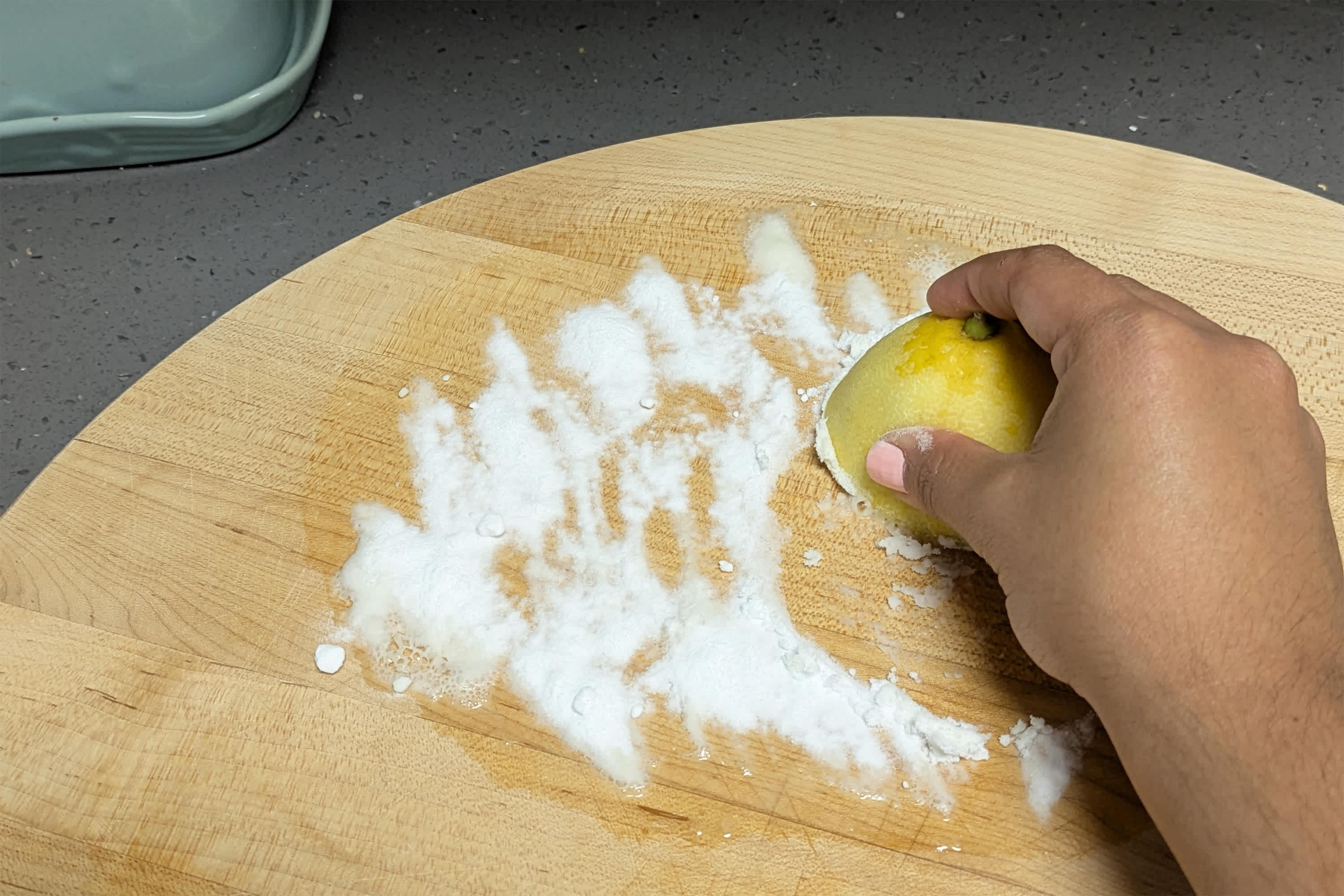
To use, sprinkle baking soda on the board. Squeeze lemon juice over it and scrub with a sponge. Rinse well and dry.
Regular Maintenance
Keep your cutting board clean by doing simple tasks regularly. This helps prevent stains and bacteria build-up.
- Wash the board with hot soapy water after each use.
- Dry it immediately to avoid moisture damage.
- Use lemon and salt scrub once a week for deep cleaning.
- Apply food-grade mineral oil monthly to keep wood boards healthy.
Avoiding Damage To Your Cutting Board
Cleaning your cutting board with lemon is a natural way to remove stains and odors. Using lemon properly helps keep your board safe and strong.
Some boards are made of wood, others from plastic. Each type needs special care to avoid damage during cleaning.
Lemon Use On Wood Vs Plastic
Lemon juice can clean both wood and plastic boards. Wood boards need gentle use to keep their surface smooth.
Plastic boards handle lemon better but can get scratched if scrubbed too hard. Always rinse well after using lemon.
- Use lemon sparingly on wood to avoid drying.
- Apply lemon directly to plastic stains for best results.
- Rinse both board types with water after cleaning.
- Dry wood boards quickly to keep them strong.
Preventing Cracks And Warping
Cutting boards can crack or warp if they get too wet or dry too fast. Lemon juice should not soak the board for long.
Use lemon with a soft cloth or sponge and wipe it off quickly. Keep boards dry and store them in a cool, dry place.
- Do not leave lemon juice on wood for more than a few minutes.
- Wipe boards dry immediately after washing.
- Store boards standing up to allow air flow.
- Avoid extreme heat or direct sunlight on boards.

Credit: www.aol.com
Credit: www.thekitchn.com
Frequently Asked Questions
How Does Lemon Clean A Cutting Board?
Lemon is a natural cleanser due to its acidity. It helps break down stains and odors. The citric acid in lemon acts as a natural disinfectant, killing bacteria. It’s a safe and eco-friendly way to clean your cutting board effectively.
Can Lemon Remove Odors From The Cutting Board?
Yes, lemon can effectively remove odors from a cutting board. Its natural citrus scent neutralizes and eliminates lingering smells. Simply rub a lemon half over the board, focusing on odor-prone areas. Rinse thoroughly to leave your cutting board fresh and odor-free.
Is Lemon Safe For All Cutting Board Materials?
Lemon is safe for most cutting board materials like wood, plastic, and bamboo. However, avoid using it on metal boards as acid can corrode metal surfaces. Always rinse thoroughly after cleaning to ensure no lemon residue remains, which could affect the board’s longevity.
How Often Should I Clean With Lemon?
For optimal hygiene, clean your cutting board with lemon weekly. If you use the board frequently for meat or fish, consider cleaning more often. Regular cleaning helps prevent bacteria buildup and keeps your cutting board smelling fresh and looking great.
Conclusion
Cleaning your cutting board with lemon keeps it fresh and safe. The lemon’s acid helps remove stains and odors naturally. It also kills many germs without harsh chemicals. Use this simple method regularly for best results. Your board stays clean, smells nice, and lasts longer.
Easy, quick, and eco-friendly. Give your kitchen a healthy boost with lemon cleaning today.