
Your cutting board is one of the most used tools in your kitchen, but do you know if it’s truly clean? Plastic cutting boards can hide bacteria in tiny grooves and stains, putting your health at risk.
You might think rinsing with water is enough, but there’s a smarter, safer way to clean your plastic boards that keeps your food fresh and your family safe. Keep reading to discover simple, effective steps you can follow right now to make sure your cutting boards are spotless every time.
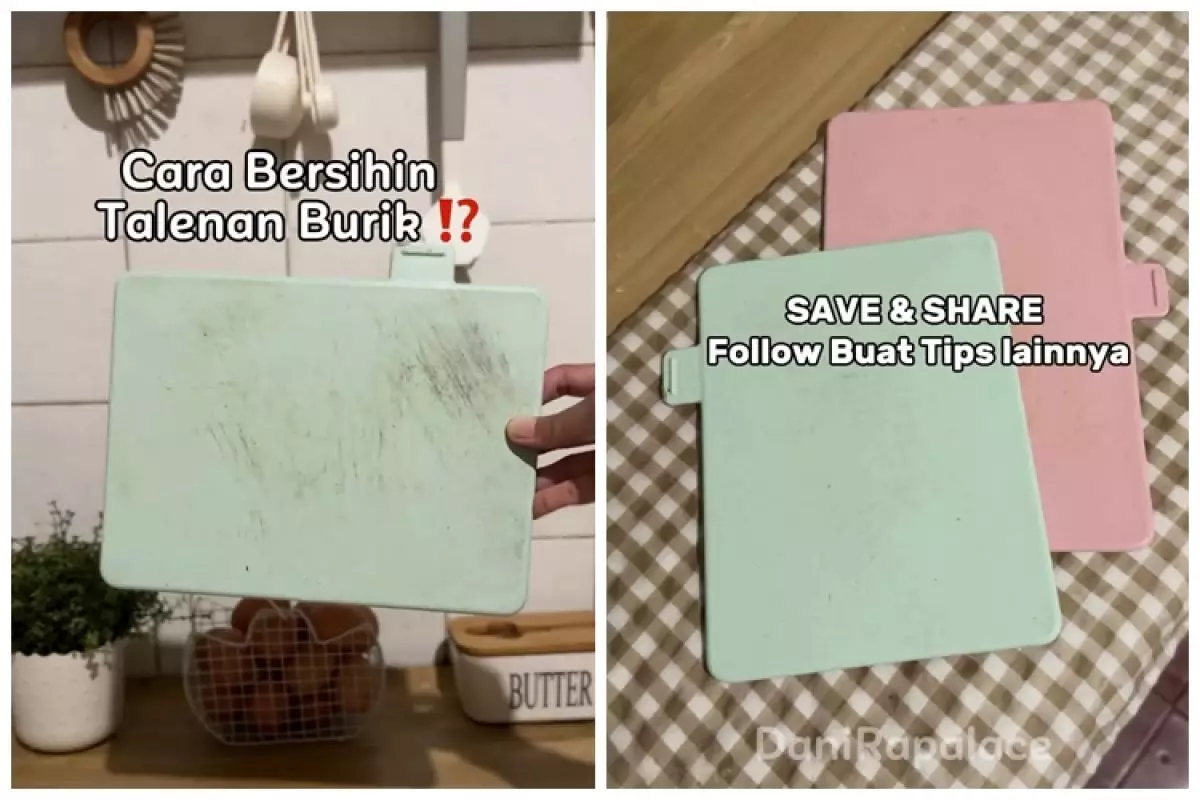
Credit: en.brilio.net
Choosing The Right Plastic Cutting Board
Plastic cutting boards are popular for their ease of use and cleaning. Picking the right one helps keep your kitchen safe and clean.
This guide explains different types of plastic boards and their benefits. It helps you decide which board fits your needs.
Types Of Plastic Boards
Plastic cutting boards come in various materials. Each type has unique features that affect durability and cleaning.
- High-Density Polyethylene (HDPE): Strong and common, resists stains and odors.
- Polypropylene (PP): Lighter and flexible, easy to store.
- Polycarbonate: Very hard and durable, but can dull knives faster.
- Recycled Plastic: Eco-friendly, made from reused materials.
Benefits Of Plastic Boards
| Benefit | Description |
|---|---|
| Easy to Clean | Non-porous surface stops bacteria growth and allows quick washing. |
| Lightweight | Easy to move and store in small kitchens. |
| Affordable | Costs less than wood or bamboo boards. |
| Color-Coded Options | Helps prevent cross-contamination by using different colors for meats and vegetables. |
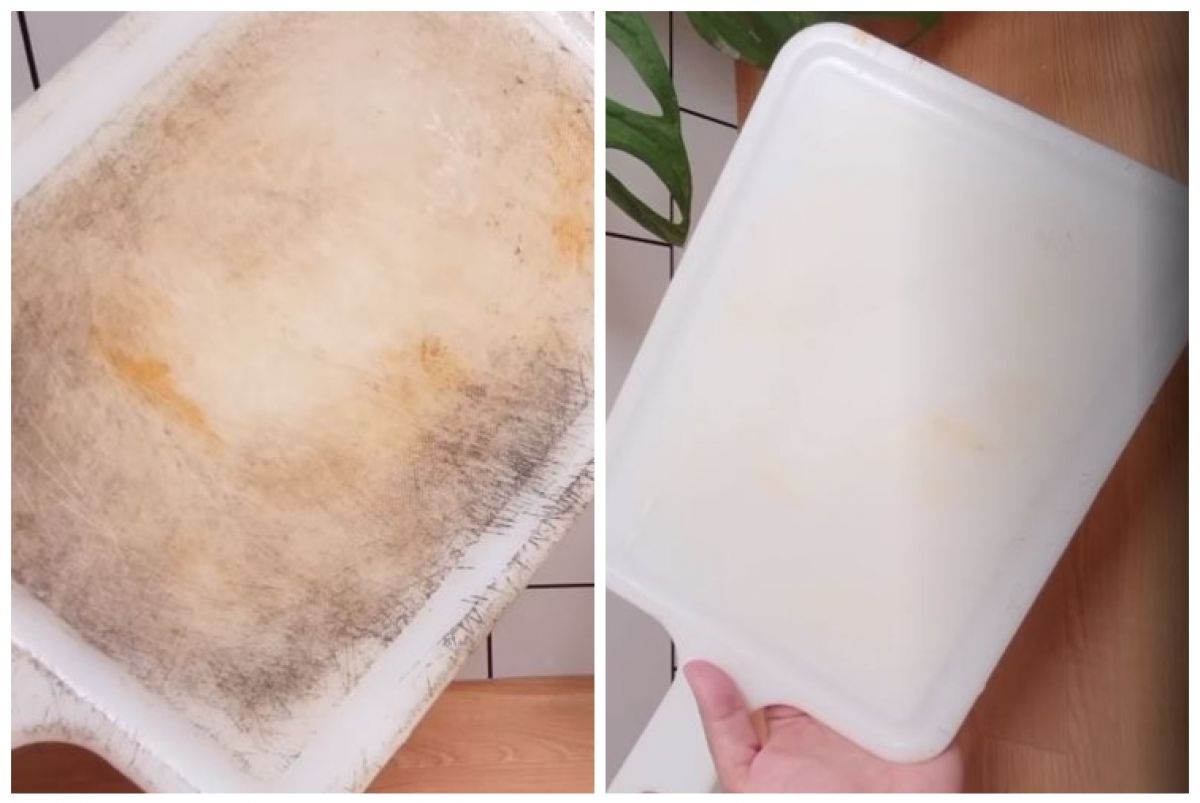
Credit: en.brilio.net
Daily Cleaning Routine
Keeping your plastic cutting boards clean is important to stop germs from spreading. A daily cleaning routine helps keep your kitchen safe.
Follow simple steps every day to wash, rinse, and dry your cutting boards properly.
Washing With Soap And Water
Use warm water and dish soap to wash your plastic cutting board. Scrub all surfaces with a sponge or brush.
Make sure to clean both sides and the edges where food can hide. This removes food particles and grease.
Rinsing And Drying Tips
Rinse the cutting board well with clean water to remove all soap. Soap left on the board can affect food taste.
Dry the board with a clean towel or air dry it standing up. Make sure it is fully dry before storing to prevent bacteria.
Deep Sanitizing Techniques
Plastic cutting boards can hold bacteria deep in their grooves. Cleaning only with soap might not remove all germs. Deep sanitizing helps make cutting boards safe for food.
Different household items can help sanitize plastic boards. These methods kill bacteria and remove stains to keep boards clean and fresh.
Using Vinegar And Baking Soda
Vinegar is a natural disinfectant. Baking soda works as a gentle scrub to remove stains and odors. Together, they clean and sanitize plastic cutting boards.
Sprinkle baking soda over the board. Pour vinegar on top. Let the mix bubble and sit for 5-10 minutes. Scrub with a brush and rinse well with warm water.
- Sprinkle baking soda evenly
- Pour white vinegar slowly
- Wait 5-10 minutes for bubbling
- Scrub with a soft brush
- Rinse with warm water
Applying Hydrogen Peroxide
Hydrogen peroxide is a strong sanitizer. It kills many types of bacteria on plastic surfaces. It is safe to use and does not leave harmful residues.
Pour 3% hydrogen peroxide on the board. Spread it evenly and let it sit for 10 minutes. Rinse the board with warm water and dry it with a clean towel.
- Use 3% hydrogen peroxide only
- Cover the whole board
- Wait 10 minutes to disinfect
- Rinse thoroughly with warm water
- Dry with a clean cloth
Bleach Solution Method
Bleach is a powerful sanitizer. It kills almost all bacteria and viruses on plastic cutting boards. Use a diluted bleach solution to avoid damage or strong smell.
Mix one tablespoon of bleach with one gallon of water. Soak or wipe the board with this solution. Let it stand for 2 minutes, then rinse well with water. Air dry the board.
- Mix 1 tablespoon bleach per gallon water
- Apply solution on the board
- Let sit for 2 minutes
- Rinse thoroughly with water
- Air dry completely
Removing Stains And Odors
Plastic cutting boards can hold stains and smells after use. Cleaning them well keeps your kitchen fresh and safe.
Using simple household items helps remove tough stains and bad odors from plastic boards. Two good methods are lemon and salt scrub and sunlight exposure.
Lemon And Salt Scrub
Lemon and salt work well to clean plastic cutting boards. The lemon juice acts as a natural bleach and deodorizer. Salt helps scrub away stains and food residue.
- Cut a lemon in half and sprinkle salt on the cutting board.
- Rub the lemon over the salted board with firm pressure.
- Let the mixture sit for 5 to 10 minutes to break down stains.
- Rinse the board well with warm water.
- Dry the board completely before storing it.
Sunlight Exposure
Sunlight helps kill bacteria and remove odors from plastic cutting boards. The UV rays break down leftover smells and stains.
| Action | Details |
| Place board outside | Set the cutting board in direct sunlight |
| Exposure time | Leave it for 2 to 3 hours |
| Check board | Make sure it is dry and smells fresh |
| Storage | Store in a dry place after sunlight treatment |
Preventing Cross-contamination
Cross-contamination happens when bacteria spread from one food to another. It can cause food poisoning and illness.
Cleaning plastic cutting boards well helps stop bacteria from spreading. Using safe practices keeps food healthy.
Color-coding Boards
Use different colors for cutting boards to separate food types. This helps avoid mixing raw and cooked foods.
Assign colors to specific food groups like meat, vegetables, or fish. This makes it easy to know which board to use.
- Red for raw meat
- Green for vegetables
- Blue for fish
- Yellow for cooked food
Separate Boards For Different Foods
Use separate cutting boards for different food types to stop germs from spreading. Never cut raw meat on the same board as vegetables.
Wash boards with hot soapy water after each use. This keeps plastic cutting boards safe and clean for every meal.

Credit: www.youtube.com
Maintenance Tips For Longevity
Plastic cutting boards need regular care to last longer. Good cleaning and handling keep them safe and useful.
Following simple steps helps stop damage and keeps your board in good shape for years.
Avoiding Knife Scars
Knife scars can trap bacteria and make cleaning harder. Use sharp knives to reduce deep cuts. Cut with light pressure to protect the surface.
Rotate your cutting board often. This spreads use evenly and lowers the chance of deep knife marks in one spot.
- Use sharp knives for cleaner cuts
- Cut gently to avoid deep scratches
- Turn the board regularly to spread wear
Regular Inspection And Replacement
Check your plastic cutting board every week. Look for deep cuts, cracks, or stains that do not wash away. These can hold bacteria and cause food safety issues.
Replace your board if it has many deep knife scars or cracks. A damaged board is harder to clean and less safe to use.
- Inspect the board for cracks and deep cuts
- Replace if cleaning does not remove stains or smells
- Use a new board if old one looks worn out
Frequently Asked Questions
How Do I Clean Plastic Cutting Boards Effectively?
Use warm soapy water and a scrub brush to clean plastic cutting boards. Rinse thoroughly and dry with a clean towel. For deep cleaning, use a mixture of vinegar or baking soda to remove stains and odors.
Can I Use Bleach To Sanitize Plastic Cutting Boards?
Yes, dilute bleach with water (1 tablespoon bleach per gallon) to sanitize plastic boards. Soak for a few minutes, then rinse well. Avoid using undiluted bleach as it may damage the board surface.
How Often Should I Clean My Plastic Cutting Board?
Clean your plastic cutting board after every use to prevent bacteria buildup. Sanitize it weekly or after cutting raw meat, poultry, or seafood to ensure safety and hygiene.
Is Dishwasher Safe For Cleaning Plastic Cutting Boards?
Most plastic cutting boards are dishwasher safe. The high heat and detergent in dishwashers effectively clean and sanitize them. Check the manufacturer’s instructions to confirm dishwasher compatibility.
Conclusion
Keeping plastic cutting boards clean is crucial for kitchen safety. Simple steps can prevent bacteria growth. Regular washing with soap and hot water is essential. Vinegar and baking soda help remove odors. Use a bleach solution for deep cleaning. Let the board air dry completely.
Regular maintenance extends the board’s life. A clean board protects your food and health. Make cleaning a routine task. It’s easy and doesn’t take much time. Your kitchen will stay safe and hygienic. A small effort with big benefits. Clean cutting boards equal peace of mind.