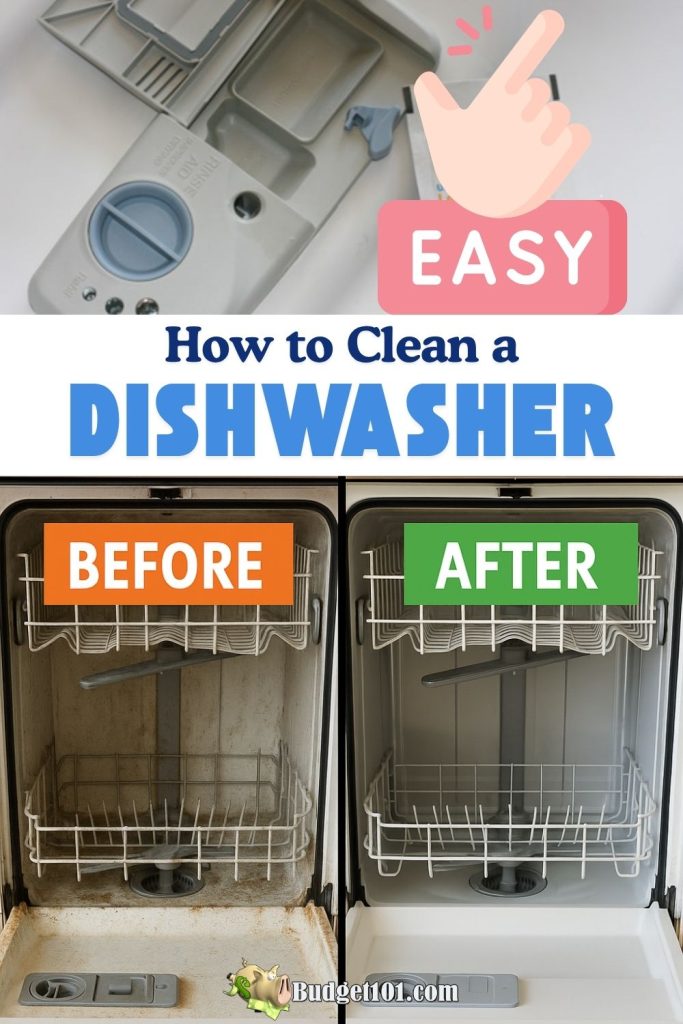
Are you tired of the lingering smell of vinegar every time you clean your dishwasher? You’re not alone.
Many people are looking for alternative cleaning methods that don’t involve the sharp, pungent scent that vinegar leaves behind. Imagine being able to open your dishwasher and breathe in a fresh, neutral aroma instead. In this guide, you’ll discover simple, effective ways to clean your dishwasher without using vinegar.
These methods are not only easy on the nose but also safe and efficient. So, if you’re ready to transform your cleaning routine and give your dishwasher the care it deserves, keep reading. You won’t want to miss these valuable tips that promise to make your cleaning process a breeze!

Credit: applianceworldonline.com
Why Avoid Vinegar In Dishwashers
Vinegar is often praised as a natural cleaner, but using it in your dishwasher might not always be the best choice. Many people don’t realize that vinegar’s acidity can cause harm over time. Understanding why you should avoid vinegar helps you protect your dishwasher and keep it running smoothly.
Potential Damage To Seals And Coatings
Dishwashers have rubber seals and protective coatings designed to last for years. The acidic nature of vinegar can wear down these parts, causing cracks or leaks. Once these seals break down, your dishwasher may start leaking water or lose efficiency.
I once used vinegar to clean my dishwasher, and after a few months, I noticed a strange smell and water pooling around the door. It turned out the seals had been damaged, costing me an expensive repair. Would you want to risk that kind of damage just to clean your appliance?
Alternatives For Sensitive Appliances
If your dishwasher has sensitive parts, you need gentler cleaning options. Baking soda is a great alternative that freshens and removes grime without harsh acids. Simply sprinkle a cup of baking soda on the bottom and run a short hot cycle to see the difference.
Another option is using dishwasher-safe cleaning tablets specifically designed to protect your machine. These products clean effectively without risking damage to seals or coatings. Have you tried any of these safer alternatives yet?
Common Dishwasher Cleaning Issues
Keeping your dishwasher clean is essential for its performance and your dishes’ cleanliness. However, certain common issues can make cleaning tricky, especially if you want to avoid using vinegar. Understanding these problems helps you tackle them effectively and keep your dishwasher running smoothly.
Foul Odors
Have you noticed a bad smell coming from your dishwasher? Foul odors often result from trapped food particles or grease buildup. These smells can linger and affect your dishes, making it vital to clean the filter and door seals regularly.
Try wiping the gasket with a damp cloth and mild detergent. Also, check the drain area for stuck debris. If odors persist, consider using baking soda or lemon juice as natural fresheners.
Mineral Buildup
Hard water causes mineral deposits to form inside your dishwasher. These white, chalky spots can clog nozzles and reduce cleaning power. To prevent this, wipe down the interior surfaces and run a hot water cycle with a dishwasher-safe descaling agent.
If you live in an area with hard water, adding a rinse aid helps minimize mineral buildup. You might also want to clean the filter more often to keep minerals from accumulating.
Clogged Spray Arms
Spray arms distribute water to clean your dishes, but they can get clogged with food particles or mineral deposits. When this happens, water pressure drops, and your dishes won’t come out clean.
Remove the spray arms and rinse them under running water. Use a toothpick or small brush to clear blocked holes. Regular cleaning here ensures water flows freely and your dishwasher works efficiently.
Natural Cleaning Agents To Use
Cleaning your dishwasher without vinegar is easy using natural cleaning agents. These alternatives are safe and effective. They help remove grime, odors, and buildup inside your machine. Using natural cleaners protects your dishwasher parts and keeps it fresh.
Baking Soda Benefits
Baking soda is a gentle abrasive. It scrubs away food particles and stains. It also neutralizes odors inside the dishwasher. Sprinkle a cup of baking soda on the bottom. Run a short hot water cycle for best results.
Lemon Juice Uses
Lemon juice contains natural acids that break down grease and limescale. Its fresh scent leaves the dishwasher smelling clean. Pour half a cup of lemon juice into the detergent tray. Run a hot cycle to brighten and clean your dishwasher.
Hydrogen Peroxide Effects
Hydrogen peroxide is a natural disinfectant. It kills bacteria and removes mold. Mix equal parts of hydrogen peroxide and water. Spray or pour the solution inside the dishwasher. Let it sit for 15 minutes before running a rinse cycle.
Essential Oils For Freshness
Essential oils add a pleasant scent and help fight germs. Tea tree, eucalyptus, and lavender oils work well. Add 10 drops to a cup of water. Wipe the dishwasher interior or place a soaked cloth inside. Run a rinse cycle to spread the fragrance.
Credit: ca.style.yahoo.com
Step-by-step Cleaning Methods
Cleaning your dishwasher without vinegar is easier than you might think. Using common household ingredients, you can remove buildup and odors effectively. Here are some step-by-step methods that will leave your dishwasher fresh and running smoothly.
Baking Soda And Lemon Combo
Baking soda is a natural cleanser that helps scrub away grime without scratching surfaces. Lemon adds a fresh scent and natural acidity that breaks down grease.
- Sprinkle a cup of baking soda along the bottom of your empty dishwasher.
- Cut a lemon in half and squeeze the juice into the dishwasher, then drop the halves inside as well.
- Run a short, hot water cycle to let the mixture work on stains and odors.
This combo not only cleans but also deodorizes. Have you noticed how lemon’s scent lingers longer than commercial fresheners?
Hydrogen Peroxide Spray
Hydrogen peroxide is a powerful disinfectant that kills bacteria and removes stains. It’s a great alternative if you want something simple and effective.
- Mix equal parts hydrogen peroxide and water in a spray bottle.
- Spray the inside of the dishwasher, focusing on corners and seals where grime builds up.
- Let it sit for 15-20 minutes to disinfect and break down residue.
- Wipe down with a clean cloth and run an empty hot water cycle to rinse.
Try this if you want a quick refresh without harsh chemicals. How often do you clean those hidden crevices in your dishwasher?
Using Citric Acid Powder
Citric acid powder is excellent at dissolving mineral deposits and soap scum. It’s often found in natural cleaning products and works well for deep cleaning.
- Add 1-2 tablespoons of citric acid powder into the detergent compartment.
- Run a full hot water cycle with an empty dishwasher.
- Check for spots or buildup and repeat if necessary.
This method is especially helpful in areas with hard water. Have you checked your dishwasher lately for limescale buildup?
Maintaining Your Dishwasher Regularly
Keeping your dishwasher in top shape means more than just running it regularly. Regular maintenance prevents buildup, improves efficiency, and extends the life of your machine. It also ensures your dishes come out sparkling clean every time.
Routine Filter Cleaning
The filter catches food particles that could clog your dishwasher. Take a moment every few weeks to remove and rinse the filter under warm water. If you notice stubborn bits stuck on, use a soft brush to gently scrub them away.
Neglecting this step can cause odors and reduce cleaning power. Have you checked your filter lately?
Checking And Clearing Drainage
Drainage problems often cause water to pool at the bottom of your dishwasher. Inspect the drain area for any debris or buildup that might block water flow. Clearing these obstacles helps your dishwasher drain efficiently and prevents unpleasant smells.
Try running your dishwasher empty on a quick cycle after cleaning the drain to see if water flows properly.
Using Natural Fresheners
Keeping your dishwasher smelling fresh doesn’t require harsh chemicals. You can use simple natural fresheners like lemon peels or a few drops of essential oils placed in the utensil basket. These add a pleasant scent without risking damage to your machine.
Have you ever tried adding a natural freshener during a wash cycle? It’s a simple trick that can make a noticeable difference.
Tips For Preventing Future Build-up
Preventing build-up in your dishwasher keeps it working well and smelling fresh. Small habits can make a big difference. Follow these tips to reduce residue and avoid clogs.
Running Hot Water Before Cycles
Run hot water in your sink before starting the dishwasher. This helps the dishwasher fill with warm water. Warm water improves cleaning power and prevents grease from sticking inside.
Avoiding Excess Food Residue
Scrape food scraps off dishes before loading them. Large bits can block filters and cause bad smells. Rinse plates briefly if needed. This stops build-up on dishwasher parts.
Choosing The Right Detergent
Pick a detergent made for your water type and dishwasher model. Some detergents leave less residue and reduce spots. Avoid using too much detergent. Too much soap can cause soap scum and deposits.

Credit: www.budget101.com
Frequently Asked Questions
How Can I Clean My Dishwasher Without Vinegar?
You can clean your dishwasher using baking soda, lemon juice, or dishwasher-safe cleaning tablets. These alternatives remove grime and odors effectively without vinegar’s smell.
What Household Items Replace Vinegar For Dishwasher Cleaning?
Baking soda and lemon juice are excellent vinegar substitutes. Baking soda deodorizes and scrubs, while lemon juice cuts grease and adds freshness.
Is Baking Soda Safe For Cleaning Dishwashers?
Yes, baking soda is safe and gentle for dishwashers. It eliminates odors and loosens residue without damaging your appliance’s interior.
Can Dishwasher Cleaning Tablets Work Without Vinegar?
Absolutely, dishwasher cleaning tablets are designed to remove buildup and sanitize. They offer a convenient, vinegar-free cleaning option for your dishwasher.
Conclusion
Cleaning your dishwasher without vinegar is simple and effective. Use baking soda, lemon juice, or dish soap to remove grime. Regular cleaning keeps your dishwasher fresh and working well. Try these easy methods to avoid harsh chemicals. Your dishes will come out clean and sparkling every time.
A clean dishwasher means better washing and longer machine life. Start cleaning today and enjoy a fresh kitchen appliance. Simple steps, great results.