Your sleeping bag is your best friend on every outdoor adventure. But after many nights under the stars, it can get dirty, smelly, and less cozy.
Knowing how to clean down sleeping bag properly isn’t just about keeping it fresh—it helps protect the delicate down filling and extends the life of your gear. In this guide, you’ll discover simple, effective steps to bring your sleeping bag back to life without damaging it.
Keep reading, and you’ll learn how to enjoy a clean, warm, and comfortable sleep every time you hit the trail.

Credit: alpkit.com
Choosing The Right Cleaning Method
Cleaning your sleeping bag keeps it fresh and extends its life. Choosing the right method depends on the bag’s material and how dirty it is.
There are three main ways to clean a sleeping bag: machine wash, hand wash, and spot cleaning. Each has its benefits and best uses.
Machine Wash Vs Hand Wash
Machine washing is good for durable sleeping bags. Use a front-loading washer on a gentle cycle with cold water. Avoid top-loaders with agitators to prevent damage.
Hand washing is safer for delicate or down-filled bags. Use a bathtub or large sink. Gently soak and squeeze the bag without wringing it.
- Use cold water for both methods.
- Choose a gentle cycle or hand wash carefully.
- Rinse thoroughly to remove all soap.
- Dry slowly in shade or use low heat.
Using Specialized Cleaners
Special cleaners help keep your sleeping bag soft and effective. Regular detergents can strip oils and harm insulation.
Look for cleaners made for down or synthetic insulation. These cleaners protect the fabric and fill better than normal soap.
| Cleaner Type | Best For | Benefits |
| Down-specific cleaner | Down sleeping bags | Protects natural oils and loft |
| Synthetic cleaner | Synthetic bags | Maintains water resistance and softness |
| Mild soap | Light cleaning | Gentle but less effective for heavy dirt |
Spot Cleaning Techniques
Spot cleaning works well for small stains or dirt. It saves water and reduces wear from full washing.
- Use a damp cloth with mild soap.
- Gently rub the stain without spreading it.
- Rinse the spot with clean water.
- Air dry the area before storing.
Preparing Your Sleeping Bag
Cleaning your sleeping bag starts with good preparation. This helps keep it safe and clean during washing.
Taking time to prepare your sleeping bag will make the cleaning process easier and more effective.
Emptying All Pockets
Check every pocket in your sleeping bag. Remove all items like keys, coins, and trash.
Leaving things inside can damage the bag or washing machine. It may also cause stains.
- Open all zippers and pockets
- Shake out dirt or small debris
- Check inside seams carefully
Checking For Damage
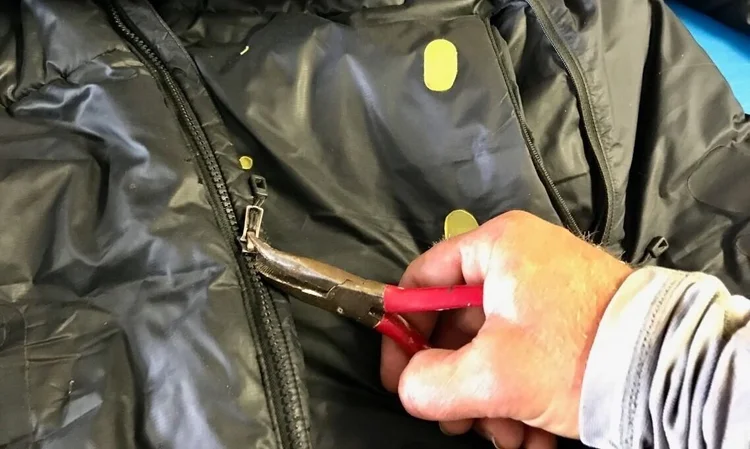
Look over your sleeping bag for any holes or tears. Fix small rips before washing.
Repairing damage first keeps the insulation safe and stops it from getting worse.
- Inspect the fabric for cuts or holes
- Check zippers for smooth operation
- Look for loose threads or seams
Pre-treating Stains
Spot clean any stains on your sleeping bag before washing. This helps remove tough dirt.
Use a gentle cleaner and apply it directly to the stain. Let it sit for a few minutes.
- Use mild soap or a stain remover
- Test cleaner on a small area first
- Gently rub the stain with a soft cloth
- Do not use bleach or harsh chemicals
Step-by-step Washing Guide
Cleaning your down sleeping bag can prolong its life. Follow these steps for a thorough wash.
A clean sleeping bag ensures comfort and warmth on your adventures. Let’s get started with the washing process.
Setting The Washer
Prepare your washer to ensure your sleeping bag gets a gentle wash. Use a front-loading machine if possible.
- Set the washer to a delicate or gentle cycle.
- Ensure the water temperature is cold or lukewarm.
- Use a large capacity washer to give the bag enough space.
Selecting Detergents
Choosing the right detergent is crucial for preserving the bag’s down feathers. Avoid regular detergents.
| Detergent Type | Benefits |
| Down-specific detergent | Maintains loft and warmth |
| Mild soap | Gentle on fabric |
| No fabric softener | Avoids residue buildup |
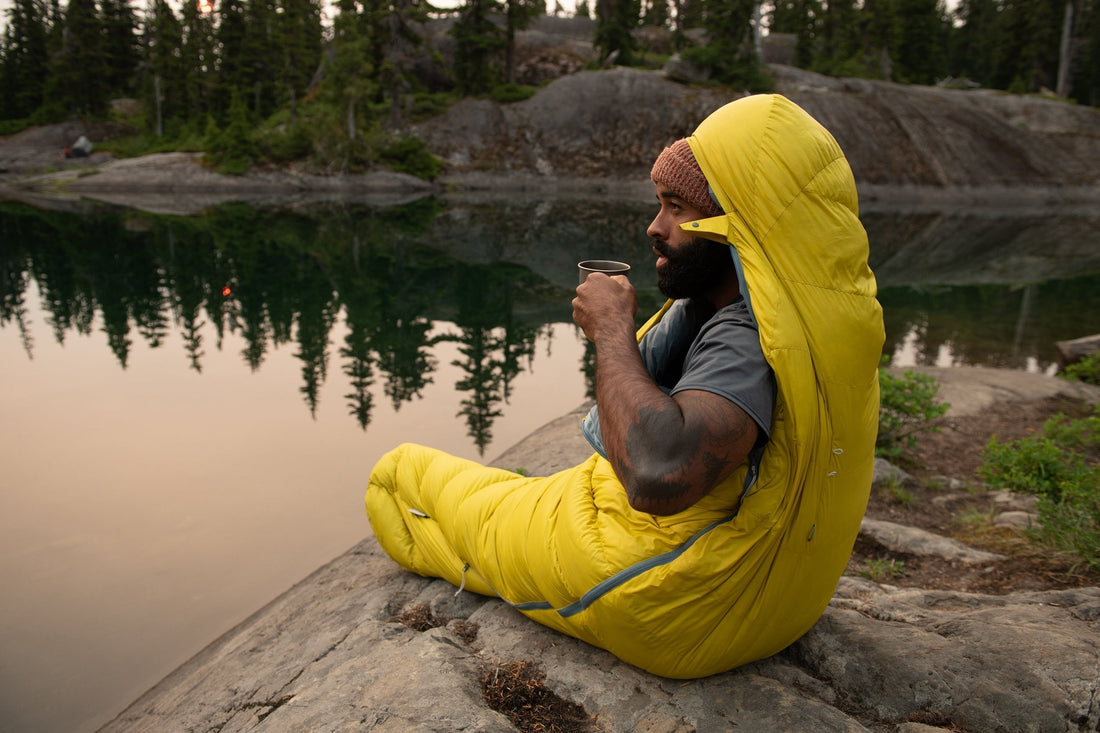
Washing Cycle Tips
To ensure your sleeping bag is well-cleaned, follow these tips during the washing cycle.
Credit: cascadedesigns.com
Drying Your Sleeping Bag Properly
Drying your sleeping bag right keeps it warm and fluffy. It also stops bad smells and damage. There are two main ways to dry a sleeping bag.
Choosing the best method can save time and protect the bag’s insulation. Learn about air drying, machine drying, and tips to keep your bag soft.
Air Drying Vs Machine Drying
Air drying is gentle and safe for all sleeping bags. It takes longer but uses no heat. Machine drying is faster but needs care to avoid damage.
| Method | Pros | Cons |
|---|---|---|
| Air Drying | Gentle on fabric and insulation Prevents shrinkage Energy-free | Slow drying time Needs space and good airflow |
| Machine Drying | Fast drying Restores loft quickly | Heat can damage fabric Needs low heat setting Risk of clumping down |
Using Dryer Balls
Dryer balls help keep down evenly spread while drying in a machine. They reduce drying time and stop the filling from sticking together.
- Place 2-3 wool or plastic dryer balls in the dryer with the sleeping bag
- Use a low heat or air fluff setting
- Pause and shake the bag every 20-30 minutes
- Dry until the bag feels dry and fluffy
Preventing Clumping
Clumping happens when down or synthetic fibers stick in one place. This reduces warmth and comfort. Avoid clumps with good drying habits.
| Tip | Why It Helps |
|---|---|
| Shake and fluff the bag often during drying | Keeps insulation loose and spreads fibers |
| Use low heat in machine drying | Prevents fibers from melting or sticking |
| Dry bag fully before storing | Stops moisture build-up and clumping |
| Store in a large cotton sack, not compressed | Allows fibers to stay fluffy |
Maintaining Freshness Between Washes
Keeping your sleeping bag fresh is important for comfort and hygiene. Washing it too often can damage the insulation.
Use simple care tips to keep your sleeping bag clean and fresh between washes. This helps it last longer.
Storage Tips
Store your sleeping bag properly to keep it fresh and dry. Avoid packing it tightly for long times.
Use a large, breathable storage sack instead of a compression bag. Keep it in a cool, dry place away from sunlight.
- Hang your sleeping bag or store it loose in a cotton or mesh sack
- Keep it away from damp areas to prevent mold
- Do not store it in a compressed state for long periods
Using Sleeping Bag Liners
Sleeping bag liners protect your bag from dirt and sweat. They keep the inside cleaner for longer.
Linens are easy to wash and dry quickly. Use them every time you sleep in your bag to reduce the need for full washes.
- Choose liners made of cotton, silk, or synthetic fabrics
- Wash liners regularly to keep your bag fresh
- Linens add a layer of warmth and comfort
Regular Spot Cleaning
Spot cleaning removes dirt and stains from small areas. It keeps the sleeping bag fresh without a full wash.
Use a mild soap and a soft cloth or sponge. Gently scrub the dirty spots and let the bag air dry completely.
- Target only dirty or stained areas
- Use cold or lukewarm water to avoid damage
- Avoid soaking the entire bag when spot cleaning
Avoiding Common Mistakes
Cleaning your sleeping bag helps it last longer and stay fresh. Doing it wrong can damage the bag.
Here are common mistakes to avoid when cleaning your sleeping bag. Follow these tips to keep it safe.
Overwashing
Washing your sleeping bag too often can wear out the fabric and insulation. Dirt does not always need washing.
Only clean your bag when it is really dirty or smells bad. Spot clean small stains instead of full washing.
Using Harsh Chemicals
Harsh soaps and bleach can damage the sleeping bag’s material and reduce warmth. Use gentle cleaners.
Choose cleaners made for delicate fabrics or sleeping bags. Avoid fabric softeners that can harm insulation.
- Use mild, non-detergent soap
- Do not use bleach or strong detergents
- Skip fabric softeners and stain removers
Improper Storage
Storing a sleeping bag while wet or compressed can cause mold and damage the fill. Always dry it fully first.
Store your bag loose in a large sack or hang it. Avoid tight stuff sacks for long-term storage.
- Dry completely before storing
- Use a large breathable storage bag
- Keep it in a cool, dry place
Credit: www.treelinereview.com
Frequently Asked Questions
How Often Should I Clean A Down Sleeping Bag?
Clean your down sleeping bag after every 3-5 uses or if it smells or is visibly dirty. Regular cleaning maintains insulation and performance.
Can I Machine Wash My Down Sleeping Bag?
Yes, use a front-loading washer on a gentle cycle with cold water. Use a mild detergent designed for down products.
How Do I Dry A Down Sleeping Bag Properly?
Dry your sleeping bag on low heat in a large dryer. Add clean tennis balls to fluff the down and restore loft.
What Detergent Is Best For Cleaning Down Sleeping Bags?
Use a specialized down cleaner or a mild, non-detergent soap. Avoid regular detergents as they strip natural oils from the down.
Conclusion
Cleaning your down sleeping bag keeps it fresh and lasting longer. Use gentle soap and cold water to protect the feathers. Dry it slowly with low heat or air dry outside. Regular care stops bad smells and damage. A clean sleeping bag means better sleep on every trip.
Follow these simple steps to enjoy your adventures comfortably. Keep your gear ready for the next time you go outdoors. Easy care brings great comfort and saves money too.