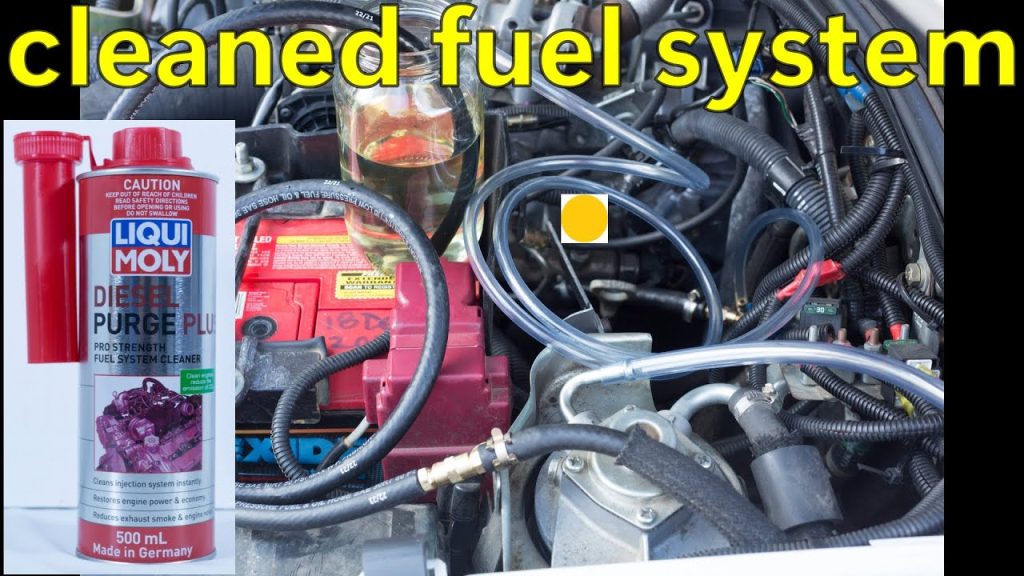
Is your car not running as smoothly as it used to? You might have a dirty fuel injection system slowing it down.
Cleaning your fuel injectors can boost your engine’s performance, improve fuel efficiency, and save you money on repairs. In this guide, you’ll discover simple, step-by-step methods to clean your fuel injection system yourself—no special tools or expensive mechanic visits needed.
Keep reading to learn how to give your engine the care it deserves and get your car back to peak condition.

Credit: www.fuellogic.net
Signs Of A Dirty Fuel Injection System
A fuel injection system delivers fuel to your engine. Over time, dirt and deposits can build up. This buildup causes problems in how your car runs.
Knowing the signs of a dirty fuel injection system helps you fix issues early. This keeps your engine healthy and saves money on repairs.
Engine Performance Issues
A dirty fuel injection system can cause your engine to run rough. You might notice hesitation or stalling when you press the gas pedal. The engine may also misfire or have trouble starting.
- Engine hesitation during acceleration
- Rough idling or stalling
- Engine misfires or backfires
- Difficulty starting the engine
Fuel Efficiency Drops
When fuel injectors get dirty, they can’t spray fuel evenly. This leads to poor fuel use and lower miles per gallon. You may notice you fill your tank more often than usual.
| Cause | Effect on Fuel Efficiency |
| Clogged injectors | Uneven fuel spray reduces combustion efficiency |
| Deposits buildup | More fuel wasted during engine operation |
| Injector leaks | Extra fuel consumption and poor mileage |
Emission Problems
A dirty fuel injection system can increase harmful emissions. Your car might fail emissions tests. This happens because the engine burns fuel poorly and produces more pollutants.
- Strong smell of gasoline
- Black smoke from the exhaust
- Check engine light turns on
Tools And Materials Needed
Cleaning your fuel injection system keeps your engine running smoothly. You need the right tools and materials for safe and effective cleaning.
This guide covers the main supplies you will need before starting the cleaning process.
Cleaning Solutions
Use cleaning solutions made specifically for fuel injection systems. These solutions remove deposits and buildup inside the injectors.
- Fuel injector cleaner (ready-to-use liquid or concentrate)
- Carburetor cleaner (for tough deposits)
- Spray solvent (for external cleaning)
- Distilled water (to rinse if needed)
Basic Tools
Having the right tools helps you reach and clean the fuel injectors properly. Keep these tools handy.
| Tool | Purpose |
| Wrench set | Remove fuel rail and injectors |
| Screwdrivers | Detach clamps and covers |
| Cleaning brush | Scrub injector tips |
| Fuel line disconnect tool | Disconnect fuel lines safely |
| Container | Hold cleaning solution and parts |
Safety Gear
Wear safety gear to protect yourself from chemicals and fuel. Safety is important during cleaning.
- Safety goggles to protect eyes
- Rubber gloves to avoid skin contact
- Face mask to prevent inhaling fumes
- Long-sleeve shirt and pants for skin protection
- Fire extinguisher nearby for emergencies
Preparing Your Vehicle
Cleaning the fuel injection system helps your engine run smoothly. Before starting, prepare your vehicle carefully.
Proper preparation ensures safety and makes the cleaning process easier. Follow these key steps first.
Park And Cool Down
Park your vehicle on a flat surface. Turn off the engine and let it cool down.
Working on a hot engine can cause burns or damage. Wait at least 30 minutes before you start.
Locate The Fuel Injection System
Find the fuel injection system under the hood. It is usually near the engine and connected to fuel lines.
Look for fuel injectors, fuel rails, and wiring harnesses. Consult your vehicle manual if needed.
- Fuel injectors spray fuel into the engine
- Fuel rails supply fuel to injectors
- Wiring harness controls injector operation
Disconnect The Battery
Disconnect the negative battery terminal. This stops electrical power and prevents short circuits.
Use a wrench to loosen the terminal clamp. Remove the cable and keep it away from the battery.
- Wear gloves and safety glasses
- Turn off all electrical devices
- Make sure terminals do not touch metal parts
Step-by-step Cleaning Process
Cleaning the fuel injection system helps your engine run smoothly. Dirt and deposits can block fuel flow. This guide shows you how to clean it carefully.
Follow these steps to remove, clean, and reinstall fuel injectors. Use the right tools and cleaning products for best results.
Remove Fuel Injectors
First, disconnect the battery to avoid sparks. Then, remove the engine cover if needed. Locate the fuel injectors on the engine.
Carefully unplug the electrical connectors. Remove the fuel rail bolts to free the injectors. Pull out each injector gently to avoid damage.
- Disconnect battery
- Remove engine cover
- Unplug injector connectors
- Unscrew fuel rail bolts
- Pull out fuel injectors
Use Cleaning Solution
Choose a fuel injector cleaning solution made for this purpose. Soak the injectors in the solution to loosen dirt and deposits.
Leave them in the solution for about 30 minutes. This helps break down carbon build-up and grime inside the injectors.
- Select a proper cleaning solution
- Soak injectors for 30 minutes
- Ensure full coverage of injectors
Clean Injectors With Ultrasonic Cleaner
Use an ultrasonic cleaner to remove stubborn dirt. This device uses sound waves to clean deep inside the injectors.
Place the injectors in the cleaner’s tank filled with cleaning fluid. Run the cleaner for 10-15 minutes for best results.
- Fill ultrasonic cleaner with cleaning fluid
- Place injectors inside the tank
- Run cleaner for 10-15 minutes
- Remove and dry injectors after cleaning
Reinstall Fuel Injectors
Check injector seals and replace if worn out. Insert the injectors back into the fuel rail carefully. Tighten the bolts to secure the rail.
Reconnect electrical connectors and replace the engine cover. Reconnect the battery and start the engine to check for leaks or issues.
- Inspect and replace seals
- Insert injectors carefully
- Tighten fuel rail bolts
- Reconnect electrical connectors
- Replace engine cover and battery
- Start engine and check for leaks
Using Fuel Injector Cleaner Additives
Fuel injector cleaner additives help keep your engine running smoothly. They clean deposits inside the fuel injection system.
Using these additives is an easy way to maintain fuel efficiency and reduce engine problems.
Choosing The Right Additive
Pick a fuel injector cleaner that fits your car’s engine type. Check the product label for compatibility.
Look for additives that remove carbon buildup and prevent new deposits. Avoid products with harmful chemicals.
- Choose additives made for gasoline or diesel engines
- Select trusted brands with clear instructions
- Avoid cheap products with unclear ingredients
How To Add To Fuel Tank
Before adding the cleaner, fill your fuel tank halfway. This helps mix the additive well.
Pour the recommended amount of cleaner directly into the fuel tank. Avoid spilling the liquid on paint or skin.
- Fill tank about half full
- Open fuel cap and pour additive slowly
- Close fuel cap tightly after adding
- Drive normally to let the cleaner work
Frequency Of Use
Use fuel injector cleaner additives every 3,000 to 5,000 miles. This keeps the fuel system clean over time.
Check your car manual for specific advice. Do not use the cleaner more often than recommended.
- Use every 3,000 to 5,000 miles
- Follow product instructions on frequency
- Use less often if you drive short distances
- Regular use prevents engine buildup
Preventive Maintenance Tips
Keeping your fuel injection system clean helps your engine run smoothly. Dirt and grime can cause poor fuel flow and lower performance.
Regular care prevents costly repairs and keeps your vehicle efficient and reliable over time.
Regular Fuel System Checks
Check your fuel system often to spot any problems early. Look for leaks, worn hoses, and clogged filters. These issues can reduce fuel flow and damage the injectors.
- Inspect fuel lines for cracks or leaks
- Replace fuel filters every 20,000 miles
- Listen for unusual engine sounds
- Watch for drops in fuel efficiency
Use Quality Fuel
Fuel quality affects your injection system’s health. Poor fuel can clog injectors and cause engine knocking. Choose fuel from trusted stations and avoid low-grade options.
| Fuel Type | Benefits |
| Premium | Cleaner burn, less deposit build-up |
| Regular | Good for daily use, cost-effective |
| Diesel | For diesel engines, high energy content |
Scheduled Cleaning Intervals
Clean your fuel injection system at set times. This keeps injectors free from dirt and working well. Follow your vehicle manual for recommended cleaning schedules.
- Check manufacturer cleaning interval in miles or months
- Use a fuel injector cleaner additive as suggested
- Have professional cleaning done every 30,000 to 50,000 miles
- Replace fuel filters regularly to avoid clogging
When To Seek Professional Help
Cleaning a fuel injection system can improve engine performance. Some problems need a professional mechanic’s care. Knowing when to get help saves time and money.
If your engine keeps having trouble or the injector issues seem complex, a professional can diagnose and fix the problem safely.
Persistent Engine Issues
If your engine runs rough or stalls often after cleaning, it may need expert attention. These problems can mean deeper fuel system trouble.
A mechanic can check if the injectors are delivering fuel correctly or if other parts are causing the issue.
Complex Injector Problems
Fuel injectors can get clogged or damaged beyond simple cleaning. If cleaning does not fix the problem, it might need repair or replacement.
Professionals have special tools and skills to handle complex injector problems safely and effectively.
- Injector testing with specialized equipment
- Proper removal and installation
- Use of correct cleaning solvents and methods
- Replacement of damaged injector parts
Warranty And Safety Concerns
Your vehicle may have a warranty that covers fuel system repairs. Doing cleaning or repairs yourself can void this warranty.
Fuel injection systems work under high pressure. Professionals know how to handle these safely to avoid injury or damage.
- Protect your warranty by using authorized service
- Avoid injury from high-pressure fuel sprays
- Ensure proper handling of fuel and engine parts

Credit: www.amazon.com

Credit: www.ebay.com
Frequently Asked Questions
What Is A Fuel Injection System?
A fuel injection system delivers fuel into the engine’s cylinders. It ensures efficient combustion, improving engine performance and fuel economy. This system replaces carburetors in modern vehicles, providing precise control over the fuel-air mixture. Regular cleaning prevents clogging and maintains optimal engine function.
How Often Should You Clean It?
Clean the fuel injection system every 30,000 miles. Regular maintenance prevents clogs and ensures efficient fuel delivery. Cleaning frequency may vary based on driving conditions and vehicle type. Check your vehicle’s manual for specific recommendations. Regular cleaning can enhance engine performance and fuel efficiency.
What Are The Signs Of A Dirty System?
A dirty fuel injection system causes poor acceleration, rough idling, and decreased fuel efficiency. Engine misfires and increased emissions are also common signs. Regular maintenance can prevent these issues. If you notice these symptoms, consider cleaning your system to restore optimal performance.
Can I Clean It Myself At Home?
Yes, you can clean it at home with a fuel injector cleaner. Follow the product instructions carefully for best results. However, professional cleaning is recommended for thorough maintenance. If unsure, consult a mechanic for advice. Regular cleaning ensures efficient fuel delivery and engine performance.
Conclusion
Cleaning the fuel injection system keeps your engine running smoothly. It helps improve fuel efficiency and reduces emissions. Regular care prevents costly repairs and extends engine life. Use the right tools and follow safety steps carefully. A clean system means better performance and fewer problems on the road.
Simple maintenance saves time and money in the long run. Keep your vehicle healthy with these easy cleaning tips. Your engine will thank you.