If your car isn’t running as smoothly as it used to, the problem might be hidden deep inside your fuel system. Cleaning your fuel system can boost your engine’s performance, improve fuel efficiency, and save you money on repairs.
But how do you do it right? In this guide, you’ll discover simple, effective steps to clean your car’s fuel system yourself. Keep reading, and you’ll learn how to give your engine the care it deserves—no mechanic needed.
Credit: heartautocare.com
Signs Of A Dirty Fuel System
A dirty fuel system can cause many problems in your car. It affects how the engine runs and how much fuel you use. Knowing the signs helps you fix the issue early.
Below are common signs that show your fuel system needs cleaning. Watch for these problems to keep your car running smoothly.
Reduced Engine Performance
A dirty fuel system limits the fuel flow to the engine. This makes the engine work harder and lose power. You may notice slower acceleration or trouble climbing hills.
Poor Fuel Efficiency
When fuel injectors or filters are clogged, your car uses more fuel than usual. This lowers your miles per gallon and costs you more money. A dirty fuel system wastes fuel by not burning it properly.
Rough Idling And Stalling
Your engine should run smoothly when idle. A dirty fuel system can cause it to shake or stall. This happens because the fuel supply is inconsistent or dirty.
- Engine vibrates more than normal
- Engine stalls when stopped
- Car hesitates when starting
Engine Misfires And Hesitation
Dirty fuel injectors can cause the engine to misfire or hesitate. This means the engine skips or delays firing. It can make driving unsafe and damage engine parts.
| Symptom | Cause | Effect |
| Engine Misfire | Clogged Fuel Injector | Uneven engine running, reduced power |
| Hesitation | Fuel Flow Blockage | Delayed acceleration, jerking |

Credit: www.youtube.com
Fuel System Components To Clean
Cleaning the fuel system in your car helps it run better. Dirt and deposits can build up over time. These block parts and reduce performance.
Focus on key parts to keep the fuel system working well. Cleaning these parts improves fuel flow and engine power.
Fuel Injectors
Fuel injectors spray fuel into the engine. They need to spray a fine mist for good burning. Dirt can clog the tiny holes and reduce spray quality.
Cleaning fuel injectors removes buildup. This helps the engine run smoothly and saves fuel.
- Use fuel injector cleaner in the gas tank
- Use a professional cleaning kit for stubborn clogs
- Replace injectors if heavily damaged
Fuel Filter
The fuel filter stops dirt from reaching the engine. Over time, it fills with dirt and blocks fuel flow. This lowers engine power and fuel efficiency.
Replace the fuel filter regularly to keep fuel clean. A new filter helps the engine get enough fuel and run well.
- Check the filter every 20,000 to 40,000 miles
- Replace it if fuel flow slows down
- Use the correct filter for your car model
Fuel Pump
The fuel pump moves fuel from the tank to the engine. It works under high pressure. Dirt can damage the pump or reduce its efficiency.
Cleaning the fuel pump area and keeping fuel clean helps the pump last longer. Avoid running the tank too low to protect the pump.
- Use clean fuel to avoid pump damage
- Replace the fuel pump if it makes noise or fails
- Keep the fuel tank clean and full
Intake Valves And Throttle Body
Intake valves let air into the engine. The throttle body controls air flow. Both can get dirty from fuel and air deposits.
Cleaning these parts improves air flow and engine response. Use special cleaners or have a mechanic clean them.
- Use throttle body cleaner spray
- Clean intake valves to remove carbon buildup
- Inspect parts during regular service
Tools And Materials Needed
Cleaning your car’s fuel system requires the right tools and materials. Using the correct items makes the process safer and more effective.
This guide covers the main categories of what you will need. Each section explains essential items for cleaning your fuel system properly.
Fuel System Cleaner Additives
Fuel system cleaner additives help remove deposits inside the fuel lines and engine. They improve fuel flow and engine performance.
- Gasoline fuel injector cleaner
- Diesel fuel system additive (for diesel engines)
- Carburetor cleaner spray
- Fuel injector flush solution
- Fuel stabilizer to prevent deposits
Cleaning Kits And Tools
Special cleaning kits and tools help you reach and clean different parts of the fuel system. These kits often include adapters and hoses.
| Tool | Purpose |
| Fuel injector cleaning kit | Connects to fuel rail to clean injectors |
| Spray nozzle | Applies cleaner to carburetor parts |
| Fuel pressure gauge | Checks fuel system pressure levels |
| Hand pump | Flushes fuel lines with cleaner |
| Wrenches and screwdrivers | Remove and reattach parts safely |
Personal Safety Gear
Safety gear protects you from harmful chemicals and fuel vapors. Always wear proper protection when cleaning the fuel system.
- Safety goggles to protect your eyes
- Rubber gloves to avoid skin contact
- Long-sleeve clothing to cover your skin
- Respirator mask to avoid inhaling fumes
- Fire extinguisher nearby for emergencies
Step-by-step Cleaning Process
Cleaning the fuel system in your car helps it run better and last longer. Dirt and deposits can block fuel flow and cause engine problems.
This guide shows simple steps to clean your car’s fuel system safely and effectively.
Preparing Your Vehicle
Start by parking your car on a flat surface. Turn off the engine and let it cool down to avoid burns or accidents.
Wear gloves and safety glasses to protect yourself from fuel and chemicals.
Using Fuel Additives
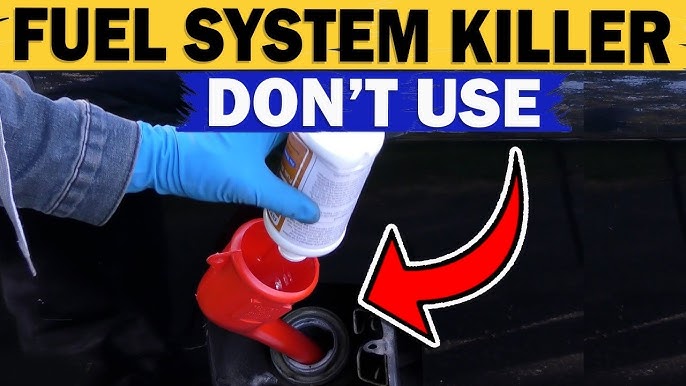
Fuel additives help break down deposits inside the fuel system. Add the recommended amount to a nearly empty gas tank.
Drive your car as usual to let the additive clean the system during operation.
- Check your car manual for the right additive type
- Use additives designed for fuel system cleaning
- Follow instructions on the product label
Cleaning Fuel Injectors Manually
Fuel injectors spray fuel into the engine. Cleaning them manually removes stubborn dirt and deposits.
Remove the injectors carefully and soak them in a cleaning solution. Use a soft brush to clean the tips gently.
- Disconnect the battery before removing injectors
- Label injector positions for correct reinstallation
- Use injector cleaner recommended for your car
Replacing The Fuel Filter
The fuel filter traps dirt before it reaches the engine. Replace it if clogged to improve fuel flow and engine performance.
Locate the fuel filter, release fuel pressure, then remove and install a new filter following your car’s manual.
- Wear safety glasses and gloves
- Work in a well-ventilated area
- Dispose of old filter properly
Cleaning The Throttle Body
The throttle body controls air flow to the engine. Cleaning it removes carbon buildup that can cause rough idling.
Remove the air intake hose, spray throttle body cleaner inside, and wipe with a clean cloth.
- Do not use harsh tools that may damage the throttle plate
- Clean both inside and outside surfaces
- Reconnect all parts securely before starting the engine
Professional Fuel System Cleaning
Cleaning the fuel system helps your car run better. Dirt and deposits can build up inside fuel parts. This causes poor engine performance and lower fuel economy.
Professional fuel system cleaning removes these deposits safely. Experts use special tools and products to clean the system fully. This keeps your car healthy and efficient.
When To Seek Professional Help
Look for professional cleaning if your car shows signs of fuel problems. These include rough idling, poor acceleration, or engine misfires. If your fuel economy drops, cleaning may help.
Also, get professional help if you notice black smoke or fuel smells. These signs mean fuel parts might be clogged. A mechanic can check and clean the system correctly.
Types Of Professional Services
Professionals offer several types of fuel system cleaning. Some clean the fuel injectors, others focus on the intake valves. There are full system cleanings too.
- Fuel injector cleaning – removes dirt from injectors
- Throttle body cleaning – clears deposits in throttle body
- Intake valve cleaning – cleans valves and ports
- Complete fuel system cleaning – cleans all parts together
Mechanics use special machines and cleaning liquids. These tools reach areas that simple fuel additives cannot clean.
Cost And Benefits
Fuel system cleaning costs vary by service type and car model. Basic cleaning may cost less. Full system cleaning can be pricier.
| Service Type | Approximate Cost | Main Benefit |
|---|---|---|
| Fuel Injector Cleaning | $50 – $100 | Improves fuel spray and engine power |
| Throttle Body Cleaning | $70 – $120 | Smooths idle and throttle response |
| Intake Valve Cleaning | $100 – $150 | Reduces carbon buildup for better airflow |
| Complete Fuel System Cleaning | $150 – $250 | Restores overall fuel system health |
Cleaning helps the engine run smoothly and saves fuel. It can prevent costly repairs by stopping damage early. Regular professional cleaning keeps your car reliable.

Credit: www.youtube.com
Maintenance Tips For Fuel System Health
Keeping your car’s fuel system clean helps the engine run smoothly. A healthy fuel system improves fuel efficiency and reduces emissions.
Regular maintenance protects your car from costly repairs. Follow these tips to care for your fuel system.
Regular Use Of Fuel Additives
Fuel additives help remove deposits in the fuel system. Using additives regularly keeps fuel injectors clean and prevents clogging.
Additives also improve combustion and reduce engine knocking. Use products that match your car’s fuel type and follow the instructions carefully.
Choosing Quality Fuel
Always buy fuel from trusted stations. Quality fuel contains fewer impurities that can harm the fuel system.
Good fuel helps maintain engine performance and reduces the risk of fuel filter blockage. Avoid low-cost fuels that may contain harmful additives.
Scheduled Fuel Filter Replacement
The fuel filter traps dirt and rust from the fuel. Replacing it on time keeps fuel flow steady and protects the engine.
Check your car manual for the recommended replacement interval. Signs of a clogged filter include poor acceleration and engine misfires.
Frequently Asked Questions
What Are Signs Of A Clogged Fuel System?
A clogged fuel system can cause poor acceleration, rough idling, and engine misfires. You might also notice decreased fuel efficiency. If your car struggles to start, this could indicate a fuel system issue. Regular maintenance can prevent these problems and keep your vehicle running smoothly.
How Often Should You Clean The Fuel System?
It’s recommended to clean your fuel system every 30,000 miles. However, this can vary based on your driving habits and vehicle type. Regular cleaning helps improve engine performance and fuel efficiency. Always refer to your car’s manual for specific maintenance schedules.
Can I Clean The Fuel System Myself?
Yes, you can clean the fuel system yourself using a fuel system cleaner. These cleaners are available at most auto parts stores. Simply follow the instructions on the product label. If you’re unsure, consult a professional mechanic to ensure proper cleaning.
What Tools Are Needed To Clean A Fuel System?
To clean a fuel system, you’ll need a fuel system cleaner, gloves, and possibly a funnel. Some methods may require additional tools like a wrench. Always follow the instructions provided with the cleaning product. Proper tools ensure effective cleaning and prevent damage.
Conclusion
Cleaning your car’s fuel system keeps the engine running smooth. It helps improve fuel efficiency and reduces harmful emissions. Regular cleaning prevents costly repairs and extends your car’s life. Use the right products and follow safe steps for best results.
Remember, small efforts can make a big difference. Keep your car healthy and enjoy a better drive every day.