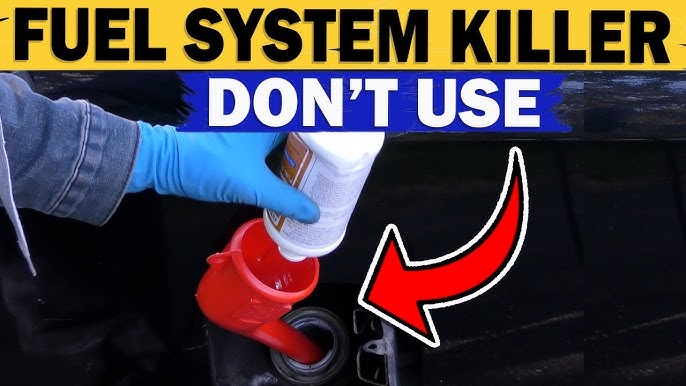
Is your car not running as smoothly as it used to? You might be dealing with a clogged fuel system.
Cleaning your fuel system can boost your car’s performance, improve fuel efficiency, and save you money in the long run. But how do you do it safely and effectively? You’ll discover simple, step-by-step methods to clean your car’s fuel system yourself.
Keep reading to learn how to give your engine the care it needs and get your car back to its best.
Signs Of A Dirty Fuel System
A dirty fuel system can cause many problems in your car’s engine. It blocks fuel flow and reduces engine power.
Knowing the signs helps you fix the issue early. This saves money and keeps your car running well.
Poor Engine Performance
A dirty fuel system makes the engine work harder. You may notice less power when driving or accelerating.
The car might feel slow or rough. This happens because fuel does not reach the engine properly.
Reduced Fuel Efficiency
Your car uses more gas if the fuel system is dirty. This means you will fill the tank more often.
Fuel waste happens because the engine burns fuel unevenly. This lowers your miles per gallon (MPG).
Engine Misfires And Hesitation
The engine may misfire or hesitate when you press the gas pedal. This can cause a jerky ride.
This happens because dirty fuel injectors block fuel spray. The engine runs unevenly and stalls sometimes.

Credit: www.youtube.com
Tools And Materials Needed
Cleaning your car’s fuel system helps keep the engine running smoothly. You will need some tools and materials before you start.
This guide explains the main items required for cleaning the fuel system safely and effectively.
Fuel System Cleaner Additives
Fuel system cleaner additives help remove dirt and deposits in your fuel lines and injectors. These products mix with gasoline to clean the system while you drive.
Choose a cleaner that suits your car type and follow the instructions on the label.
- Fuel injector cleaner
- Carburetor cleaner
- Fuel system treatment
Basic Hand Tools
Some simple hand tools will help you access and clean fuel system parts. Have these ready before starting the job.
- Wrenches and sockets
- Screwdrivers (flathead and Phillips)
- Pliers
- Fuel line disconnect tools (if needed)
- Clean rags or shop towels
- Small brush for scrubbing parts
Protective Gear
Wear protective gear to keep yourself safe from fuel spills and fumes. This equipment also protects your skin and eyes.
- Safety goggles
- Chemical-resistant gloves
- Long sleeves and pants
- Face mask or respirator for fumes
- Well-ventilated work area
Preparing Your Vehicle
Cleaning your car’s fuel system starts with preparing the vehicle properly. This ensures safety and better results.
Follow these steps carefully before you begin working on the fuel system.
Park And Secure The Car
Park your vehicle on a flat surface. Make sure the parking brake is on to stop the car from moving.
- Turn off the engine and remove the key from the ignition.
- Open the hood to access the engine area.
- Keep a fire extinguisher nearby for safety.
- Wear gloves and safety glasses to protect yourself.
Relieve Fuel System Pressure
Fuel systems hold pressure that must be released before cleaning. This prevents fuel spray and injury.
Use this table to guide you through the pressure relief process safely:
| Action | Details |
|---|---|
| Locate Fuel Pump Fuse | Find the fuse box and identify the fuel pump fuse using the manual. |
| Remove Fuse | Take out the fuel pump fuse to stop fuel flow. |
| Start Engine | Turn the key to start, then the engine will stall as pressure drops. |
| Turn Off Ignition | Switch off the ignition and remove the key. |
| Reconnect Fuse | Put the fuel pump fuse back in place after pressure is relieved. |
Cleaning Fuel Injectors
Fuel injectors spray fuel into the engine. Over time, they can get dirty. Dirty injectors reduce engine performance and fuel efficiency.
Cleaning fuel injectors helps the engine run smoothly. There are easy ways to clean them yourself.
Using Fuel Injector Cleaner
Fuel injector cleaner is a liquid you add to the fuel tank. It helps remove dirt and deposits inside the injectors.
Use the cleaner as directed on the bottle. Usually, you add it before filling the tank.
- Buy a fuel injector cleaner suitable for your car
- Pour the cleaner into the fuel tank
- Drive the car normally to let the cleaner work
- Repeat if the engine still runs rough
Manual Cleaning Techniques
Manual cleaning needs more effort but can clean better. You remove the injectors and clean them with tools.
This method requires some car knowledge and safety steps. Use proper tools and follow instructions carefully.
- Remove the fuel injectors from the engine
- Use a soft brush to clean dirt on the outside
- Soak injectors in a cleaning solution to remove deposits
- Use compressed air to blow out deposits inside
- Reinstall the injectors after cleaning
Cleaning The Fuel Tank
Cleaning the fuel tank is important to keep your car running well. Dirt and rust can clog the fuel system.
This guide explains how to clean the fuel tank safely and effectively.
Draining And Inspecting The Tank
Start by draining the fuel tank completely. This removes old fuel and makes cleaning easier.
Check inside the tank for rust, dirt, or damage. Use a flashlight to see clearly.
- Park the car on a flat surface.
- Turn off the engine and remove the fuel cap.
- Use a pump or drain plug to empty the tank.
- Look inside for any signs of rust or debris.
Removing Sediments And Debris
Remove sediments and debris to prevent fuel clogs. Use a clean cloth or vacuum for this task.
If rust is present, use a rust remover safe for fuel tanks. Rinse the tank with clean water afterward.
- Wipe the tank interior with a lint-free cloth.
- Use a fuel tank cleaner for stubborn dirt.
- Flush the tank with water and dry it completely.
- Ensure no debris remains before refilling with fuel.
Replacing Fuel Filters
Keeping the fuel system clean helps your car run smoothly. Replacing the fuel filter removes dirt and debris from the fuel.
A clean fuel filter improves engine performance and saves fuel. It is important to change it regularly as part of car maintenance.
Locating The Fuel Filter
The fuel filter is usually found along the fuel line. It can be near the fuel tank or engine compartment.
Look under the car or near the engine bay. Some cars have the filter inside the fuel pump assembly.
- Check near the fuel tank under the car
- Look in the engine bay close to the firewall
- Consult the car manual for exact location
Step-by-step Replacement
Start by relieving fuel system pressure to avoid spills. Then disconnect the battery for safety.
Remove the old fuel filter carefully. Install the new filter in the right direction. Finally, check for leaks.
- Relieve fuel pressure by opening the fuel cap
- Disconnect the negative battery cable
- Locate and remove clamps or bolts holding the filter
- Disconnect fuel lines from the old filter
- Install the new filter with the arrow pointing toward the engine
- Reconnect fuel lines and clamps securely
- Reconnect the battery and start the engine
- Check for leaks and proper operation
Flushing The Fuel Lines
Flushing the fuel lines helps keep your car’s engine clean. Dirt and debris can block fuel flow.
This process removes buildup and improves fuel efficiency. It can also prevent engine problems.
Using Professional Flush Kits
Professional flush kits come with tools and chemicals to clean fuel lines safely. They fit most car models.
These kits often include a fuel line adapter, cleaner, and instructions. They help remove stubborn deposits.
- Attach the adapter to the fuel line
- Connect the cleaner container
- Run the engine to circulate the cleaner
- Flush until the fuel lines are clean
Diy Fuel Line Flush Tips
You can flush fuel lines yourself with basic tools and fuel additives. Be careful to follow safety rules.
Wear gloves and work in a well-ventilated area. Avoid sparks or open flames near fuel.
- Disconnect the fuel line from the engine
- Use a clean container to catch old fuel
- Pour fuel system cleaner into the fuel tank
- Run the engine to use the cleaner
- Reconnect fuel lines securely

Credit: www.youtube.com
Post-cleaning Checks
After cleaning your car’s fuel system, it is important to check that everything works well. These checks help confirm the cleaning was effective.
Careful inspection after cleaning ensures your car runs smoothly and avoids future problems.
Starting The Engine
Start the engine to see if it runs without issues. Listen for any unusual sounds like knocking or sputtering.
Give the engine a few minutes to reach normal operating temperature. Watch for smooth idling and steady RPMs.
Monitoring Performance Improvements
Check if the car accelerates better and runs cleaner. You may notice less hesitation or stalling during driving.
- Improved throttle response
- Smoother engine running
- Better fuel efficiency
- Lower exhaust emissions
Regular Maintenance Tips
Keeping your car’s fuel system clean helps it run smoothly. Dirt or deposits can block fuel flow and damage parts.
Regular maintenance can avoid costly repairs. Simple steps keep the fuel system working well for a long time.
Choosing Quality Fuel
Using good quality fuel protects your engine and fuel system. Low-quality fuel can cause deposits and clog parts.
Look for fuel with proper additives that clean the system as you drive. Avoid cheap fuel with unknown sources.
- Pick fuel from trusted gas stations
- Choose fuel with detergents to reduce deposits
- Avoid fuel with high levels of contaminants
- Check fuel octane rating recommended for your car
Scheduled Fuel System Cleaning
Clean the fuel system regularly to remove dirt and buildup. This keeps injectors, filters, and pumps working well.
Follow your car’s manual for cleaning intervals. Some cars need cleaning every 30,000 miles or as advised.
- Use fuel system cleaner additives in the gas tank
- Replace fuel filters on schedule
- Have injectors cleaned by a mechanic if needed
- Check fuel pump condition during regular service

Credit: www.youtube.com
Frequently Asked Questions
How Often Should I Clean My Car’s Fuel System?
Cleaning the fuel system every 30,000 miles helps maintain engine efficiency. Regular cleaning prevents clogging and improves fuel economy. Check your owner’s manual for specific recommendations. Signs like rough idling or poor acceleration indicate the need for cleaning.
What Tools Do I Need To Clean The Fuel System?
You need a fuel system cleaner, basic hand tools, and safety gear. Fuel additives help remove deposits in the fuel injectors and intake valves. A fuel pressure gauge is useful for diagnosis. Always wear gloves and eye protection for safety.
Can I Clean The Fuel System Myself Safely?
Yes, with proper tools and safety precautions, you can clean it yourself. Follow the instructions on fuel system cleaner products carefully. Work in a well-ventilated area to avoid inhaling fumes. If unsure, consider professional service to prevent damage.
What Are Signs Of A Dirty Fuel System?
Symptoms include engine misfires, reduced fuel efficiency, and rough idling. You may notice hesitation during acceleration or difficulty starting the car. Excessive exhaust smoke can also indicate fuel system issues. Timely cleaning resolves these problems and restores performance.
Conclusion
Cleaning your car’s fuel system boosts performance and efficiency. Regular maintenance prevents costly repairs. Use the right tools and follow simple steps. Safety is crucial, so wear gloves and goggles. Check your vehicle’s manual for specific instructions. Seek professional help if unsure.
A clean fuel system equals better mileage and smoother rides. Stay proactive and keep your car running smoothly. It’s worth the effort for a longer-lasting vehicle. Remember, small steps lead to big savings. Keep your engine happy and enjoy the benefits.
Happy driving!