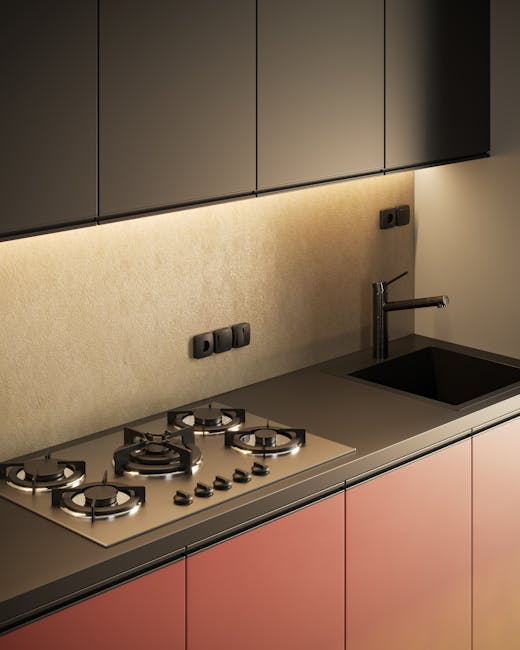
Are your gas cooktop grates looking a little worse for wear? You might notice burnt-on food, grease stains, or even an unpleasant odor.
Keeping your cooktop grates clean is not just about aesthetics—it’s essential for hygiene and efficient cooking. Imagine the satisfaction of seeing your grates sparkle like new! In this guide, we’ll reveal the simple steps to transform those grimy grates into pristine condition.
You’ll discover tips that make cleaning easy and effective, saving you time and hassle. Ready to give your kitchen a fresh start? Let’s dive into the secrets of achieving spotless gas cooktop grates!
Gathering Cleaning Supplies
Before you dive into scrubbing your gas cooktop grates, gathering the right cleaning supplies can make the whole process smoother and more effective. Having everything ready not only saves time but also prevents frustration mid-cleaning. What tools and cleaners will help you get those grates looking spotless without damage?
Essential Tools And Materials
Start by collecting basic supplies that tackle grease and grime efficiently. You’ll need:
- A non-abrasive scrub brush or sponge:This helps remove stuck-on food without scratching the metal.
- Dish soap:A gentle detergent cuts through grease effectively.
- Baking soda:A natural abrasive that lifts stubborn stains.
- Microfiber cloths or paper towels:Useful for wiping down and drying the grates after cleaning.
- A basin or sink large enough to soak the grates:Soaking softens grime and makes scrubbing easier.
I once tried cleaning without the right sponge and ended up scratching the surface. That taught me that the right tools truly matter.
Choosing The Right Cleaner
Picking a cleaner that suits your cooktop’s material and your cleaning style is key. Avoid harsh chemicals like oven cleaners that can damage the finish or leave harmful residues.
Instead, opt for these options:
- Vinegar and water solution:Great for cutting grease and safe for most grates.
- Baking soda paste:Mix baking soda with water to create a gentle scrub.
- Commercial degreasers labeled safe for cookware:These can be effective but always check the label.
Have you ever wondered if natural cleaners work as well as commercial ones? Testing a small area first can help you decide without risking damage.

Credit: www.reddit.com
Removing Grates Safely
Removing gas cooktop grates safely is important before cleaning. It protects you from accidents and damage to the stove. Taking simple safety steps ensures a smooth and safe process.
Turning Off The Gas
Always turn off the gas supply before removing the grates. Locate the gas valve near your stove and close it firmly. This stops gas flow and prevents leaks. Wait a few minutes to let any gas in the line clear out. Never remove grates while the burners are still hot or gas is on.
Detaching The Grates
Let the cooktop cool completely before touching the grates. Lift each grate gently from the stove surface. Avoid using force or sharp tools to pry them off. Place the grates on a safe, flat surface for cleaning. Check for any stuck residue and loosen it carefully with a soft brush if needed.
Basic Cleaning Methods
Cleaning gas cooktop grates regularly keeps your kitchen safe and neat. Basic cleaning methods remove grease and food bits easily. These simple steps work well for everyday maintenance. They protect your grates and help your cooktop last longer.
Soaking In Warm Soapy Water
Fill a sink or basin with warm water. Add a few drops of dish soap. Place the grates in the water and let them soak. Soaking loosens stuck-on food and grease. Leave the grates in the water for at least 15 minutes. This makes scrubbing easier and faster.
Scrubbing With A Brush
Use a soft-bristle brush or an old toothbrush. Gently scrub the grates to remove dirt and grease. Focus on corners and hard-to-reach spots. Avoid using metal brushes that can damage the surface. Rinse the grates with clean water after scrubbing. Dry them well with a clean cloth before placing back on the stove.

Credit: www.reddit.com
Tackling Stubborn Stains
Stubborn stains on gas cooktop grates can ruin the look of your kitchen. These marks come from burnt food, grease, and spills. They often resist simple wiping and need more effort. Tackling these tough spots requires safe, effective cleaning methods. Two popular options use common household ingredients. Both are gentle yet powerful enough to restore your grates’ shine.
Using Baking Soda Paste
Baking soda is a natural cleaner and mild abrasive. It breaks down grease and lifts stains without scratching.
- Mix baking soda with a small amount of water to form a thick paste.
- Spread the paste over the stained areas of the grates.
- Let it sit for 15 to 20 minutes to loosen grime.
- Scrub gently with a soft brush or sponge.
- Rinse with warm water and dry completely before replacing.
Applying Vinegar Solutions
Vinegar’s acidity helps dissolve tough grease and burnt food residues.
- Combine equal parts white vinegar and water in a spray bottle.
- Spray the solution liberally on the grates’ stained spots.
- Allow it to sit for 10 to 15 minutes to break down grime.
- Use a non-abrasive scrubber to clean the surfaces.
- Rinse well with warm water and dry thoroughly.
Deep Cleaning Techniques
Deep cleaning gas cooktop grates removes stubborn grease and grime. This process restores their look and improves kitchen hygiene. Using strong yet safe methods helps break down tough buildup.
Deep cleaning requires more effort than simple wiping. It targets hard-to-reach areas and baked-on residues. Let’s explore effective techniques that make your grates shine again.
Using Ammonia For Heavy Grease
Ammonia works well on thick grease and burnt food. It loosens tough stains and makes scrubbing easier. Follow these steps for best results:
- Place grates in a large plastic bag.
- Add about half a cup of ammonia to the bag.
- Seal the bag tightly to trap the fumes.
- Leave the grates in the bag overnight.
- Remove and rinse grates thoroughly with water.
- Scrub with a sponge or brush to remove loosened grime.
Always work in a well-ventilated area and avoid mixing ammonia with other cleaners. Gloves protect your skin during this process.
Steam Cleaning Options
Steam cleaning softens grease without harsh chemicals. Hot steam penetrates crevices and lifts dirt. Try these tips for steam cleaning cooktop grates:
- Use a handheld steam cleaner or a steam mop with a nozzle.
- Hold the steam close to the grates but avoid soaking them.
- Allow steam to work on the surface for a few minutes.
- Wipe away softened grime with a cloth or brush.
- Repeat if stubborn spots remain.
Steam cleaning saves time and reduces the need for scrubbing. It also avoids chemical residues on your grates.
Drying And Reassembling Grates
After cleaning gas cooktop grates, proper drying and reassembling is crucial. Wet grates can cause rust or damage to the cooktop surface. Taking time to dry them fully prevents moisture-related issues.
Careful reassembly ensures the grates fit securely and function well. Misplaced grates can lead to uneven heating or instability while cooking. Follow simple tips for drying and placing grates back correctly.
Air Drying Tips
- Place grates on a clean, dry towel or rack.
- Allow them to air dry completely before use.
- Avoid using cloths that leave lint on grates.
- Keep them in a well-ventilated area to speed drying.
- Do not use heat sources like hairdryers to dry grates.
- Check for any trapped water in corners or grooves.
Properly Replacing Grates
- Align each grate with the burner it belongs to.
- Ensure the grate sits flat and stable on the cooktop.
- Match the grate shape to the burner design.
- Press down gently to secure the grate in place.
- Test stability by applying slight pressure on the grate.
- Do not force grates to fit if they seem misaligned.
Maintaining Grates For Longevity
Maintaining your gas cooktop grates is essential to keep them looking good and working well for years. Grates face constant exposure to heat, spills, and grease, which can wear them down quickly if not cared for properly. Giving them the right attention helps you avoid costly replacements and keeps your kitchen safe and efficient.
Regular Cleaning Schedule
Set a routine for cleaning your grates to prevent buildup. After each use, wipe them down with a damp cloth to remove fresh spills. Deep clean once a week using warm, soapy water and a non-abrasive scrubber to break down stubborn grease.
If you skip regular cleaning, food and grease harden, making it tougher to clean and potentially damaging the surface. Have you noticed how much easier it is to clean your grates right after cooking compared to letting the mess sit?
Avoiding Damage During Use
Handle your grates carefully to avoid chipping or cracking the finish. Don’t drag heavy pots across them—lift instead to protect the surface. Also, avoid using harsh chemicals or metal brushes that can scratch or weaken the material.
Using the right cookware size helps too; oversized pots can put extra weight and stress on the grates, leading to warping. Think about how small habits during cooking could be extending the life of your grates without much extra effort.
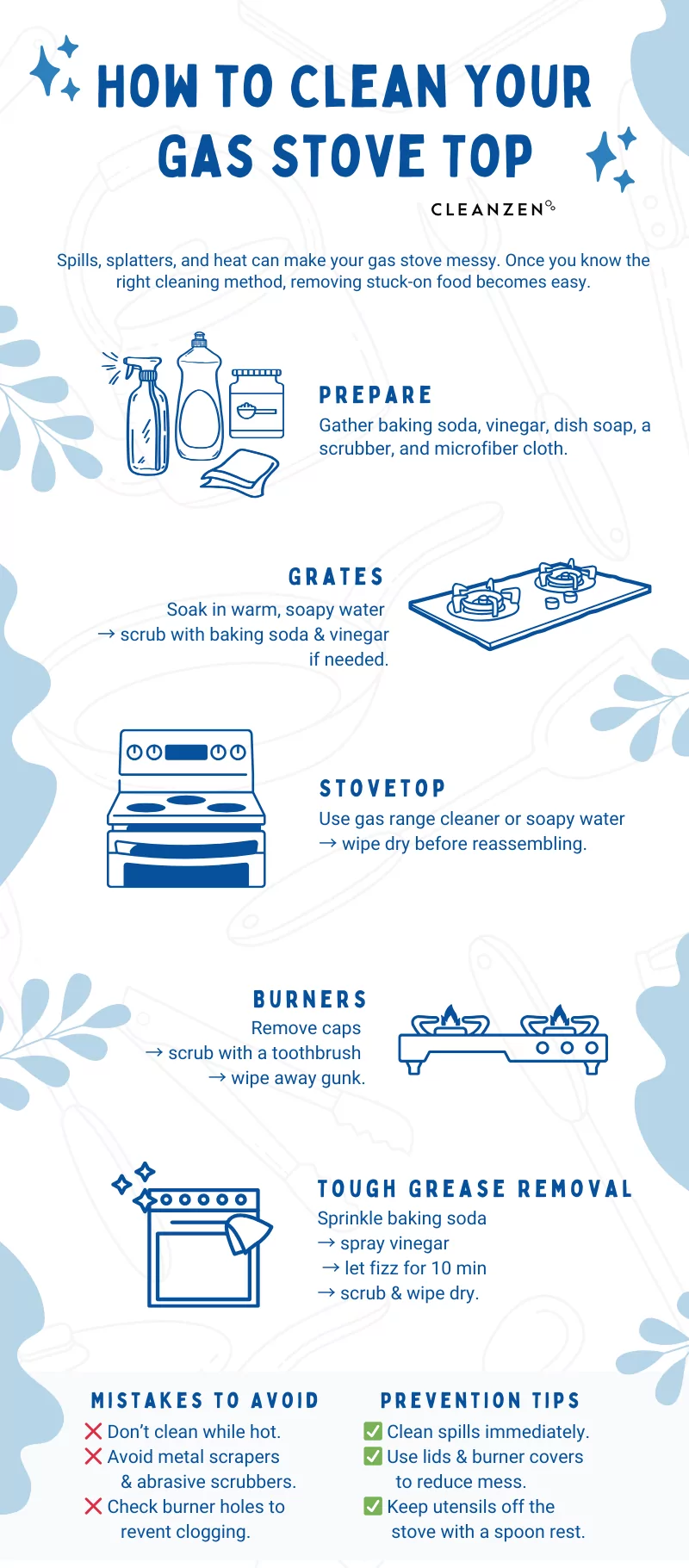
Credit: cleanzen.com
Frequently Asked Questions
How Often Should I Clean Gas Cooktop Grates?
Clean gas cooktop grates weekly to prevent buildup. Frequent cleaning avoids tough stains and maintains burner efficiency. Wipe spills immediately after cooking for best results.
What Household Items Clean Gas Cooktop Grates Effectively?
Use baking soda, vinegar, and dish soap for cleaning grates. These items remove grease and grime safely without harsh chemicals. Soak grates in warm soapy water before scrubbing.
Can I Use A Dishwasher To Clean Gas Cooktop Grates?
Most grates are not dishwasher safe as heat may damage them. Hand washing with warm water and mild detergent is safer. Always check manufacturer instructions before using a dishwasher.
How Do I Remove Tough Stains From Cooktop Grates?
Make a paste with baking soda and water. Apply it on stains and let it sit for 15 minutes. Scrub gently with a non-abrasive brush and rinse thoroughly.
Conclusion
Cleaning gas cooktop grates keeps your kitchen safe and tidy. Regular scrubbing removes grease and food bits easily. Use simple tools like soap, water, and a brush. Avoid harsh chemicals to protect your grates. Clean grates help your stove work better and last longer.
Keep up this habit for a fresh cooking space. A little effort goes a long way in kitchen care. Try these tips and enjoy a cleaner cooktop every day.