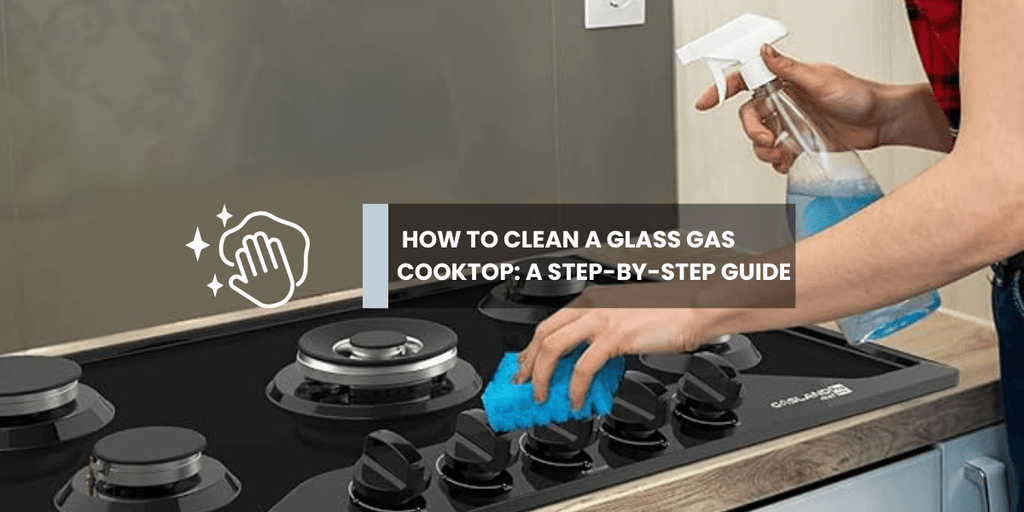
Are you tired of staring at the stubborn stains and burnt-on residue on your gas cooktop? You’re not alone.
A sparkling clean cooktop not only looks great but also ensures efficient cooking and extends the lifespan of your appliance. Imagine cooking your favorite meals without the distraction of grime and grease. In this guide, you’ll discover simple and effective ways to transform your gas cooktop from grimy to gleaming.
We’ll walk you through each step, ensuring you have a spotless surface in no time. Ready to make cleaning less of a chore and more of a satisfying experience? Let’s dive in and unlock the secrets to a pristine gas cooktop.
Gather Cleaning Supplies
Gathering the right cleaning supplies is the first move toward a spotless gas cooktop. Having everything at hand saves time and frustration, making the cleaning process smoother and more effective. Before you start scrubbing, take a moment to collect all the essentials.
Essential Cleaning Tools
You’ll need a few basic tools to get your cooktop shining. A soft sponge or cloth helps avoid scratches, while a scrubbing brush tackles tougher grime. Don’t forget a toothbrush for reaching tight spots around burners.
Effective Cleaning Solutions
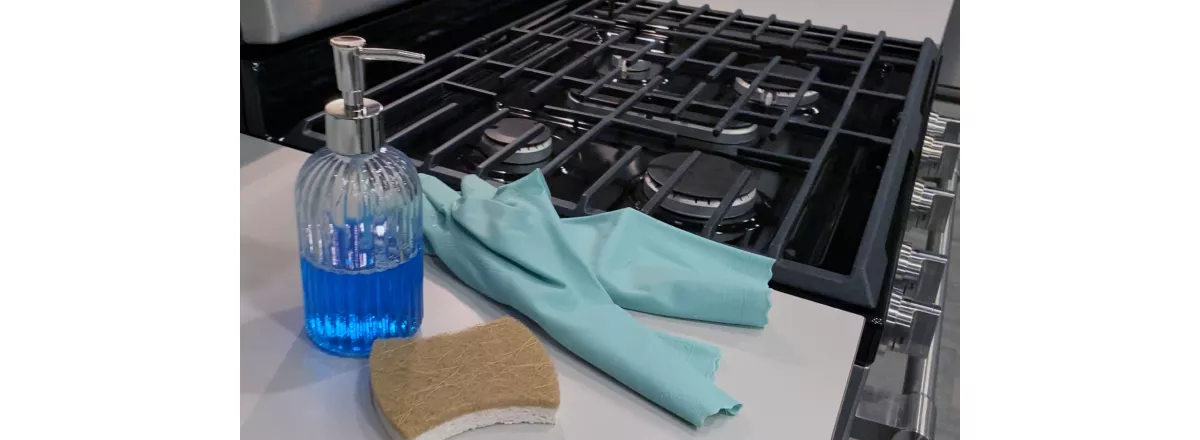
Choose cleaning products that work well on gas cooktops without damaging the surface. Mild dish soap mixed with warm water often does the trick. For stubborn grease, a vinegar and water solution or a specialized cooktop cleaner can be very useful.
Protective Gear To Consider
Protect your hands with rubber gloves to avoid irritation from cleaning agents. If you’re sensitive to strong smells, working in a well-ventilated area or using a mask can make the task more comfortable.
Optional But Helpful Extras
- Paper towels or microfiber cloths for drying and polishing
- A scraper designed for glass surfaces, if your cooktop has a glass top
- Small containers to soak removable parts like burner caps
Have you ever started cleaning only to realize you’re missing something important? Taking the time to gather your supplies in advance prevents interruptions and helps you stay focused on getting your cooktop spotless.

Credit: m.economictimes.com
Turn Off And Cool Down
Before you reach for any cleaning supplies, the first and most important action is to ensure your gas cooktop is completely turned off and cooled down. Handling a hot cooktop can lead to burns and damage to your cleaning tools. Cooling down also prevents cleaning agents from evaporating too quickly, making your efforts more effective.
Turn Off The Gas Supply
Make sure all burner knobs are in the off position. If your cooktop has a separate gas valve, close it to stop the gas flow completely. This step protects you from accidental ignition or gas leaks while cleaning.
Allow The Cooktop To Cool Naturally
Don’t rush the cooling process by using water or fans. Let the cooktop sit for at least 20-30 minutes to reach a safe temperature. This natural cooling prevents warping or cracking of delicate parts.
Check For Residual Heat Before Touching
Place your hand near the surface without touching it to feel for any lingering warmth. If it still feels warm, wait a little longer. This quick test helps you avoid burns and keeps your hands safe during cleaning.
Remove Grates And Burner Caps
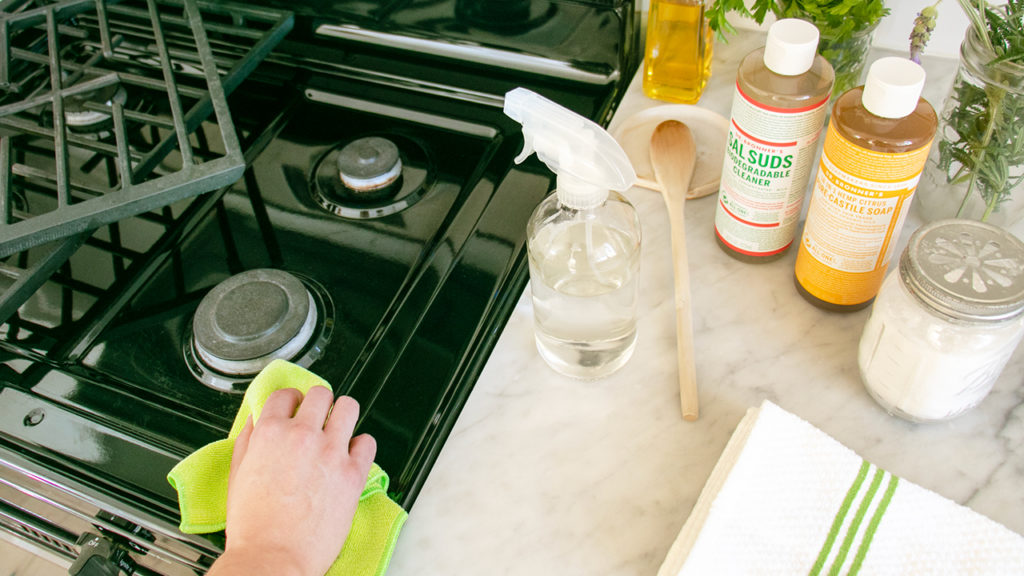
Removing the grates and burner caps is a crucial part of cleaning your gas cooktop effectively. These pieces often collect grease, spills, and food debris that regular surface wiping can’t reach. Taking them off allows you to clean thoroughly and maintain your cooktop’s performance.
How To Safely Remove Grates
First, ensure the burners are completely cool to avoid burns. Lift the grates straight up with both hands to prevent dropping or damaging them. If they feel stuck, gently wiggle them until they come loose without forcing.
Cleaning Tips For Burner Caps
Remove burner caps by lifting them off carefully; they usually sit loosely on top of the burners. Soak them in warm, soapy water to loosen built-up grime. Use a soft brush or sponge to scrub away any residue without scratching the surface.
What To Avoid When Removing Parts
- Do not use metal tools to pry off grates or caps, as this can cause scratches.
- Avoid soaking parts with electronic components attached.
- Never force parts that don’t come off easily; check your cooktop manual for guidance.
Why Regular Removal Matters
Have you ever noticed uneven flames or strange smells when cooking? Dirty or misaligned burner caps can cause these issues. Regularly removing and cleaning these parts keeps your cooktop efficient and safe to use.
Credit: www.lisabronner.com
Soak And Scrub Grates
Cleaning the grates of your gas cooktop is key to keeping it in top shape. Grates catch spills and crumbs, which can cause stains and odors. Soaking and scrubbing them removes tough grease and food bits. This process restores the grates’ look and keeps your kitchen hygienic.
Start by removing the grates carefully from the cooktop. Prepare a cleaning solution that breaks down grease. Let the grates soak long enough to loosen dirt. After soaking, scrubbing helps remove stubborn stains and buildup. This simple routine keeps your cooktop looking fresh and working well.
Prepare A Soaking Solution
Fill a sink or large container with hot water. Add a few drops of dish soap to the water. Stir gently to mix the soap evenly. Use a solution strong enough to cut grease but safe for the grates.
Soak The Grates Thoroughly
Place the grates fully into the soapy water. Let them soak for at least 20 minutes. For heavy buildup, soak up to 1 hour. Soaking softens stuck-on food and grease for easier cleaning.
Scrub Using The Right Tools
Use a non-abrasive scrub brush or sponge. Avoid steel wool to prevent scratching the surface. Focus on areas with stubborn stains. Scrub gently but firmly to lift off residue without damage.
Rinse And Dry Completely
Rinse the grates under warm running water. Remove all soap and loosened grime. Dry the grates with a clean towel or air dry. Ensure they are fully dry before placing back on the cooktop.
Clean Burner Caps And Heads
Cleaning burner caps and heads keeps your gas cooktop working well. Dirt and grease can block the gas flow. This leads to uneven flames and unsafe cooking. Regular cleaning prevents buildup and extends the cooktop’s life.
Remove the burner caps carefully. Soak them in warm, soapy water. This helps to loosen stuck-on food and grease. Use a soft brush to scrub away grime. Avoid harsh scrubbing to protect the surface.
Clean the burner heads by removing debris from the tiny holes. Use a soft brush or a toothpick for this task. Make sure not to damage the holes or push dirt inside. Wipe the parts with a damp cloth to finish.
Soaking Burner Caps For Easy Cleaning
Fill a bowl with warm water and mild dish soap. Place the burner caps in the bowl. Let them soak for 15 to 20 minutes. This softens grease and food particles.
Scrubbing With A Soft Brush
Use a soft-bristle brush or old toothbrush. Gently scrub the caps and heads. Focus on greasy areas and stuck food. Rinse with clean water afterward.
Clearing Burner Holes Carefully
Use a toothpick or needle to clear clogged holes. Push dirt out gently without forcing. This keeps gas flowing evenly for a steady flame.
Drying And Reassembling Safely
Dry all parts completely with a clean cloth. Moisture can cause rust or poor ignition. Place caps and heads back in their correct spots. Check that everything fits securely before use.
Wipe Down Cooktop Surface
Wiping down the cooktop surface is a key part of cleaning a gas cooktop. It keeps the area neat and removes food spills and grease. Regular wiping stops stains from becoming hard to remove. A clean surface also helps the burners work well. Use gentle care to protect the cooktop finish while cleaning.
Choose The Right Cleaner
Select cleaners made for gas cooktops or glass surfaces. Avoid harsh chemicals that can damage the surface. Mild dish soap mixed with warm water is a safe choice. Spray cleaners with ammonia or bleach can dull the finish. Use a soft cloth or sponge to apply the cleaner. Avoid scrubbing pads that scratch the surface.
Avoiding Damage
Do not pour cleaner directly on the cooktop. Spray it on the cloth first. Wipe gently to prevent scratches. Avoid using steel wool or rough scrubbers. Never use acidic cleaners like vinegar or lemon juice on some surfaces. Always dry the surface after wiping to stop streaks and water spots. Clean spills quickly to avoid burns and stains.
Clean Control Knobs
Control knobs on a gas cooktop often collect grease and dirt. Cleaning them keeps your cooktop looking fresh and working smoothly. Removing grime from knobs also helps prevent sticky or hard-to-turn controls. This task is simple and requires only a few household items.
Remove The Control Knobs Safely
Make sure the cooktop is off and cool. Gently pull each knob straight out. Avoid twisting or forcing them to prevent damage. Place knobs in a bowl for cleaning.
Soak The Knobs In Warm Soapy Water
Fill a bowl with warm water and mild dish soap. Submerge the knobs and let them soak for 15-20 minutes. This loosens grease and food particles stuck on the knobs.
Scrub The Knobs Gently
Use a soft brush or cloth to clean knobs. Focus on crevices and edges where dirt hides. Avoid abrasive tools that can scratch the surface.
Dry And Reinstall The Control Knobs
Rinse knobs with clean water after scrubbing. Dry them thoroughly with a towel to prevent moisture damage. Push knobs back onto the stove firmly but gently.
Credit: www.maytag.ca
Reassemble The Cooktop
Reassembling your gas cooktop is the final step after cleaning. It ensures the appliance works safely and looks neat. Take your time to put each part back correctly. This prevents damage and maintains your cooktop’s performance.
Place Burners And Caps Correctly
Start by positioning the burners on their bases. Make sure each burner fits snugly without wobbling. Next, place the burner caps on top. Align them so the flames will burn evenly during use.
Secure Grates And Cooking Surface
Once burners are in place, set the grates carefully. They should sit firmly without shifting. Check the cooking surface for any leftover debris before securing grates. Clean surfaces prevent scratches and improve safety.
Reconnect Ignition Components
If your cooktop has electronic ignition, reconnect its parts. Ensure wires and plugs are attached properly. Loose connections can cause ignition failure or sparks.
Test The Cooktop Functionality
Turn on each burner briefly to check flames. Flames should be blue and steady, not yellow or flickering. This confirms correct reassembly and safe operation.
Regular Maintenance Tips
Keeping your gas cooktop clean doesn’t have to be a daunting task. Regular maintenance helps prevent grease buildup and keeps burners working efficiently. You’ll save time on deep cleaning and avoid frustrating clogs or uneven flames.
Clean Spills Immediately
Spills on your cooktop can harden quickly, making them tough to remove later. Wiping them up right after cooking stops stains and residue from settling in. Have a damp cloth or sponge nearby so you can tackle messes as soon as they happen.
Use Mild Cleaners And Soft Tools
Avoid harsh chemicals that can damage your cooktop’s surface. Instead, use gentle dish soap mixed with warm water for daily cleaning. Soft sponges or microfiber cloths work best to prevent scratches while effectively removing dirt.
Remove And Soak Burner Grates
Burner grates often trap food particles and grease in tight spots. Taking them off and soaking in warm, soapy water loosens grime for easy scrubbing. Doing this weekly keeps your burners looking fresh and functioning smoothly.
Check And Clean Burner Ports
Clogged burner ports can cause uneven flames or reduce heat output. Use a toothbrush or a straightened paperclip to gently clear debris from the tiny holes. Regularly inspecting these ports ensures your cooktop heats evenly every time.
Dry Thoroughly After Cleaning
Moisture left on your cooktop can cause rust or electrical issues. Always dry each part with a clean towel before reassembling. This simple step extends the life of your cooktop and keeps it safe to use.
Set A Weekly Cleaning Routine
Consistency makes maintenance easier and prevents buildup from becoming overwhelming. Choose a specific day to do a quick clean of your cooktop and burners. Sticking to a schedule helps keep your kitchen ready for cooking without extra effort.
Frequently Asked Questions
How Often Should I Clean My Gas Cooktop?
Clean your gas cooktop after every use to avoid buildup. Deep clean it weekly to maintain performance and hygiene. Regular cleaning prevents grease accumulation and ensures safe cooking.
What Is The Best Cleaner For Gas Cooktops?
Use mild dish soap mixed with warm water for daily cleaning. For tough stains, try a baking soda paste or specialized cooktop cleaner. Avoid abrasive materials to prevent scratches.
Can I Use Vinegar To Clean A Gas Cooktop?
Yes, vinegar effectively cuts grease and disinfects surfaces. Mix equal parts vinegar and water in a spray bottle. Spray, let sit for a few minutes, then wipe clean with a soft cloth.
How Do I Safely Clean Gas Burner Grates?
Remove grates and soak them in hot, soapy water for 15-30 minutes. Scrub with a non-abrasive brush or sponge to remove residue. Rinse and dry thoroughly before replacing to avoid rust.
Conclusion
Cleaning your gas cooktop keeps your kitchen safe and fresh. Regular care stops grease and dirt buildup. Use gentle cleaners and soft cloths to avoid damage. Take time to clean burners and knobs well. A clean cooktop works better and lasts longer.
Small efforts now save big problems later. Keep your cooking space neat and ready. Simple steps make a big difference every day. Enjoy cooking on a spotless, shiny cooktop.