Have you noticed your dishes aren’t coming out as sparkling clean as they used to? It might not be your detergent’s fault.
The culprit could be a dirty heating element in your dishwasher. This often-overlooked component plays a crucial role in drying and cleaning your dishes effectively. When it gets clogged with mineral deposits or grime, your dishwasher struggles to do its job.
But don’t worry—cleaning the heating element doesn’t have to be a daunting task. In this guide, you’ll discover simple, step-by-step instructions to get your dishwasher running like new again. With just a little bit of effort, you can enhance your dishwasher’s performance and ensure your dishes are spotless every time. Curious to know how? Keep reading to find out how you can tackle this common household issue with ease and confidence.
Credit: www.housework.com
Why Clean The Heating Element
Keeping your dishwasher’s heating element clean is often overlooked, but it plays a crucial role in how well your appliance functions. Over time, mineral deposits and food particles can build up on the element, reducing its efficiency and causing problems. Understanding why you need to clean this part can save you from costly repairs and ensure your dishes come out spotless every time.
Common Signs Of A Dirty Element
Have you noticed your dishes aren’t drying properly or still feel greasy after a cycle? These can be early signs that the heating element is dirty. Other clues include longer wash times, unusual odors, or even your dishwasher failing to heat water effectively.
Sometimes, you might see visible buildup or discoloration on the element when you open the dishwasher. This is a clear indicator that it needs cleaning. Ignoring these signs often leads to more significant issues down the line.
Effects On Dishwasher Performance
A dirty heating element impacts how well your dishwasher heats water, which is vital for breaking down grease and killing germs. If the element can’t reach the proper temperature, your dishes might come out with spots, residue, or even bacteria.
Additionally, the dishwasher may use more energy trying to reach the set temperature, increasing your utility bills. In some cases, the element could overheat and get damaged, leading to expensive repairs or replacement.
Have you ever wondered why your dishwasher cycle suddenly takes longer? It might be struggling to heat water efficiently because of a dirty element. Regular cleaning ensures your appliance works as intended and extends its lifespan.
Credit: www.onesmileymonkey.com
Safety Precautions Before Cleaning
Cleaning the heating element in your dishwasher requires care and attention to safety. Taking the right precautions protects you from injury and prevents damage to your appliance. Follow these key safety steps before starting any cleaning process.
Disconnecting Power Supply
Always turn off the dishwasher before cleaning. Unplug the appliance from the electrical outlet or switch off the circuit breaker. This stops any risk of electric shock. Never attempt to clean the heating element while the dishwasher is connected to power.
Handling The Heating Element Carefully
The heating element is delicate and can break easily. Avoid using sharp tools or excessive force. Use gentle cleaning methods and soft cloths or brushes. Handle the element slowly to prevent damage or injury.
Tools And Materials Needed
Cleaning the heating element in your dishwasher requires the right tools and materials to ensure the job is done effectively without causing damage. Having these items ready before you start saves time and helps you avoid frustration. Let’s look at what you need to gather for a smooth cleaning process.
Cleaning Agents Suitable For Dishwashers
Not all cleaning agents are safe for your dishwasher’s heating element. Avoid harsh chemicals like bleach or ammonia, as they can damage the metal and internal parts.
- White Vinegar:A natural and gentle acid that dissolves mineral deposits and grime.
- Baking Soda:Works well to scrub off stubborn stains without scratching surfaces.
- Dishwasher Cleaner Tablets:Specifically designed for internal parts, these tablets help remove buildup safely.
- Lemon Juice:An alternative to vinegar, lemon juice offers mild acidity with a fresh scent.
Choosing the right cleaner can make the difference between a spotless element and one that stays grimy. Have you ever tried using household items like vinegar and noticed a big difference?
Recommended Brushes And Cloths
Using the right tools to scrub and wipe the heating element is crucial. Harsh or rough brushes can scratch and damage it.
- Soft-Bristled Brush:Ideal for gently loosening mineral deposits without harming the element.
- Old Toothbrush:Perfect for reaching tight spots around the element and other parts.
- Microfiber Cloth:Absorbs moisture well and doesn’t leave lint behind when wiping down surfaces.
- Sponge with Non-Abrasive Side:Helps scrub without scratching delicate components.
Having these tools ready means you can clean thoroughly without risking damage. Think about your last cleaning session—did you have the right brush to get into those small crevices?
Step-by-step Cleaning Process
Cleaning the heating element in your dishwasher improves its efficiency and extends its life. This process removes buildup that blocks heat and slows drying. Follow these clear steps to clean it safely and effectively.
Accessing The Heating Element
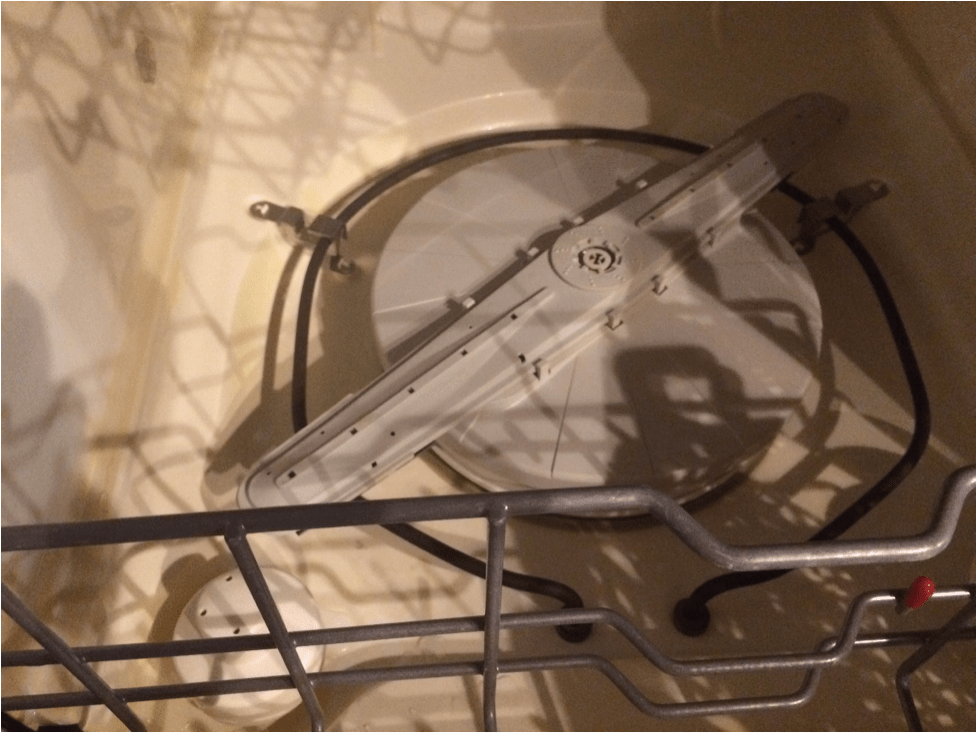
Unplug the dishwasher or turn off the power at the breaker for safety. Open the dishwasher door fully. Remove the bottom rack to reach the heating element easily. The heating element looks like a metal coil at the base of the dishwasher.
Removing Mineral Deposits
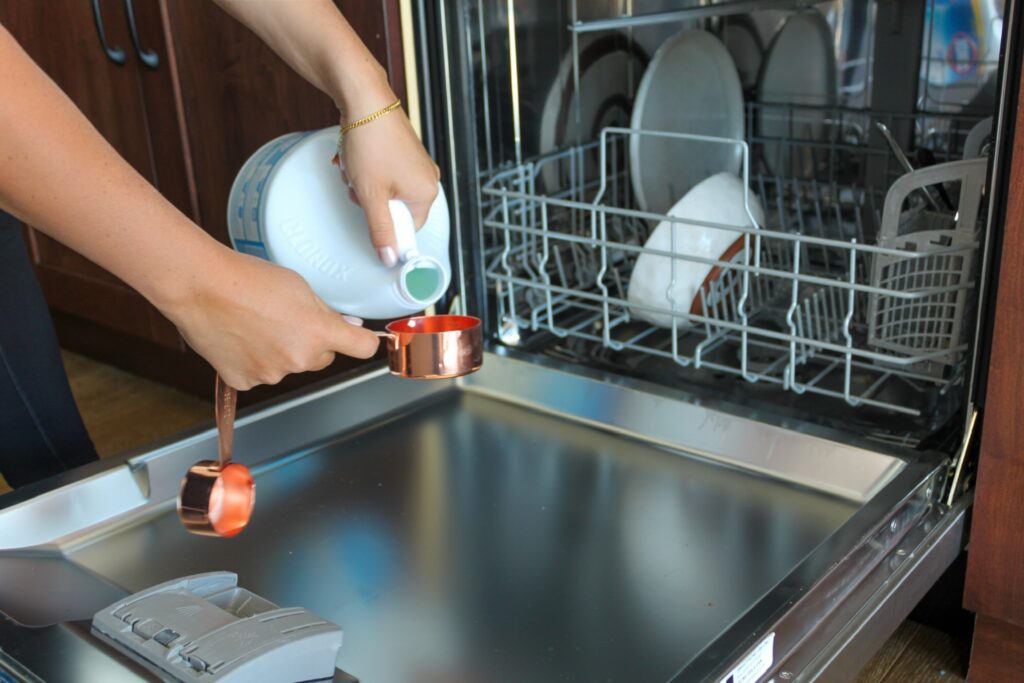
Mix equal parts white vinegar and water in a spray bottle. Spray the mixture directly on the heating element to loosen deposits. Let it sit for 10 to 15 minutes to soften the buildup. Use a soft cloth or a non-abrasive sponge to gently scrub away the deposits. Avoid using harsh tools that can damage the element.
Wiping And Rinsing
Wipe the heating element with a damp cloth to remove loosened residue. Rinse the cloth and wipe again until clean. Leave the dishwasher door open for a few minutes to air dry. Replace the bottom rack and restore power to the dishwasher before use.
Preventing Future Build-up
Preventing future build-up on your dishwasher’s heating element helps keep it working well. Regular care stops mineral deposits and grime from forming. This extends the life of the heating element and improves cleaning results.
Simple habits and the right products reduce the risk of dirt and scale. Follow these tips to maintain a clean heating element and a healthy dishwasher.
Regular Maintenance Tips
- Check the heating element for any visible dirt or deposits.
- Run a hot water cycle with an empty dishwasher once a week.
- Remove food scraps from dishes before loading to avoid residue.
- Clean the dishwasher filter regularly to prevent blockages.
- Wipe down the door seals and edges to stop mold build-up.
- Use soft water if possible to reduce mineral deposits.
Using Dishwasher Cleaners
- Choose a cleaner made for dishwashers and safe for heating elements.
- Follow the product instructions carefully for best results.
- Use dishwasher cleaner monthly or as needed, based on usage.
- Run the dishwasher empty with the cleaner on a hot cycle.
- Cleaners help dissolve grease, limescale, and other build-up.
- Regular use keeps the heating element free from harmful deposits.
Troubleshooting Common Issues
Troubleshooting common issues with your dishwasher’s heating element can save time and avoid costly repairs. Problems like the element not heating or stubborn stains can reduce cleaning efficiency. Identifying these issues early helps maintain your dishwasher’s performance.
Element Not Heating Properly
The heating element warms the water for effective cleaning. If it fails, dishes may stay dirty or wet. Start by checking the power supply to the element. Look for visible signs of damage or breaks.
Use a multimeter to test the element’s electrical resistance. A reading far from the recommended range means the element needs replacing. Also, inspect the thermostat and wiring connections for faults.
Persistent Stains And Residue
Stains and residue on dishes often point to heating element problems. Low water temperature prevents proper detergent activation. Mineral buildup on the element can reduce its heat output.
Clean the element gently with a soft cloth and vinegar solution. Avoid harsh scrubbing that can damage it. Regularly run a cleaning cycle with dishwasher cleaner to remove mineral deposits.

Credit: www.reddit.com
Frequently Asked Questions
How Often Should I Clean The Dishwasher Heating Element?
Clean the heating element every 3 to 6 months. Regular cleaning prevents buildup and improves dishwasher efficiency. Check for mineral deposits or debris during each clean. This maintenance extends the element’s lifespan and ensures dishes are properly heated and sanitized.
What Materials Are Safe To Clean A Heating Element?
Use a soft cloth or sponge with mild vinegar or baking soda. Avoid abrasive tools that can damage the element’s surface. These natural cleaners effectively remove buildup without harming the heating element. Always disconnect power before cleaning to ensure safety.
Can Buildup On The Heating Element Affect Dishwasher Performance?
Yes, buildup reduces heating efficiency and can cause poor drying. Mineral deposits lower the element’s ability to heat water properly. Cleaning restores performance and prevents potential damage. Regular maintenance keeps your dishwasher running smoothly and saves energy.
Is It Necessary To Remove The Heating Element For Cleaning?
No, you can clean most heating elements without removal. Gently wipe the element with a damp cloth and cleaning solution. Removing the element is only needed if heavily coated or damaged. Always consult your dishwasher manual for specific cleaning instructions.
Conclusion
Cleaning the heating element keeps your dishwasher working well. Regular care stops build-up and bad smells. A clean element helps dishes dry better and faster. It saves energy and extends your machine’s life. Try cleaning it every few months to stay safe.
Small steps make a big difference in dishwasher health. Keep your kitchen running smoothly with this simple task.