You’ve just finished a great camping trip, but now your tent has an unwelcome guest: mildew. It’s stubborn, smelly, and can damage your gear if left untreated.
You might be wondering how to get rid of it quickly and safely without ruining your tent’s fabric. Don’t worry—this guide will show you simple, effective steps to clean mildew off your tent. By the end, your tent will be fresh, ready for your next adventure, and protected from future mildew problems.
Keep reading to learn how to save your tent and enjoy camping without the hassle.
Identify Mildew On Tent
Mildew on a tent looks like small spots or patches. It can be white, gray, or green. Mildew grows in damp places and can damage your tent fabric.
Knowing how to spot mildew early helps you clean it before it spreads. This guide helps you identify common signs and places where mildew grows on tents.
Common Mildew Signs
Mildew shows up as fuzzy or powdery spots on your tent. It may have a musty smell. The fabric might feel damp or sticky where mildew grows.
- White, gray, or green spots on fabric
- Musty or earthy odor inside the tent
- Sticky or slimy feeling on tent surfaces
- Discoloration or stains on fabric
Areas Prone To Mold Growth
Mildew grows best in dark, damp, and warm areas. Tents stored wet or folded while damp often have mildew in hidden places.
| Area | Reason for Mold Growth |
| Inside tent corners | Moisture collects and air flow is low |
| Underneath tent floor | Contact with wet ground and trapped moisture |
| Seams and folds | Fabric stays damp longer in tight spaces |
| Tent bags | Stored damp with little air circulation |

Credit: hot-tent.com
Prepare Cleaning Supplies
Cleaning mildew off a tent requires the right supplies. With these, you can ensure your tent is fresh and ready for your next adventure.
Gathering your cleaning materials beforehand saves time. It also makes the cleaning process smoother and more efficient.
Safe Cleaning Solutions
Choose cleaning solutions that are safe for tent fabric. Harsh chemicals can damage the material, making it less durable.
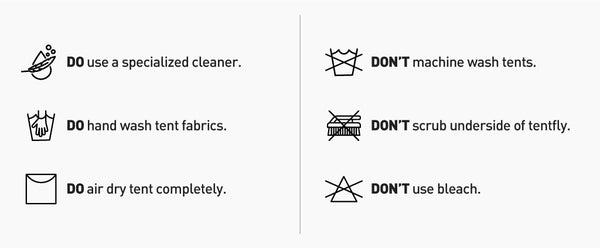
- Use mild soap or tent-specific cleaner.
- Avoid bleach as it can harm the fabric.
- Consider natural options like vinegar and water.
Tools Needed For Cleaning
Having the right tools makes cleaning mildew easier. These tools help you reach every corner of the tent.
| Tool | Purpose |
| Soft brush | Scrub mildew spots gently |
| Sponge | Apply cleaning solution |
| Bucket | Mix cleaning solutions |
| Dry cloth | Dry the tent after cleaning |
Set Up Tent For Cleaning
Cleaning mildew off your tent starts with a good setup. Preparing your tent well makes the cleaning easier and more effective.
Focus on choosing the right place and spreading the tent correctly. These steps help the tent dry faster and prevent more mildew growth.
Choose A Well-ventilated Spot
Select an open area with plenty of fresh air. Good airflow helps dry the tent and removes mildew smell. Avoid closed rooms or damp places.
- Pick a shaded spot to avoid sun damage.
- Make sure the area is flat and clean.
- Avoid windy spots that can blow dirt onto the tent.
Lay Out Tent Properly
Spread your tent flat on the ground. This exposes all parts of the fabric to air and cleaning agents.
| Tip | Reason |
|---|---|
| Remove stakes and poles | Allows the tent to lay flat without tension |
| Open all doors and windows | Improves airflow inside the tent |
| Stretch the fabric gently | Prevents creases that trap mildew |
Remove Loose Dirt And Debris
Cleaning mildew off a tent starts with removing loose dirt and debris. This helps prevent rubbing dirt deeper into the fabric.
Removing surface dirt also makes it easier to see mildew spots. Use gentle tools to avoid damage.
Brush Off Surface Dirt
Use a soft brush to gently sweep away dirt on your tent’s surface. Work in small sections for best results.
Brush in one direction to lift dirt without harming the fabric. Avoid using stiff brushes that can tear the material.
- Choose a soft-bristled brush
- Brush gently and steadily
- Focus on all tent panels
- Pay extra attention to dirty spots
Vacuum Tent Fabric
After brushing, use a vacuum to remove dust and loose debris. Use a brush attachment for gentle suction.
Vacuuming helps reach deep into the fabric folds. It clears out dirt that brushing might miss.
- Set vacuum to low suction
- Use a soft brush attachment
- Vacuum all tent surfaces evenly
- Be careful around seams and zippers
Apply Cleaning Solution
Cleaning mildew from your tent starts with applying the right cleaning solution. Use a mix that is safe for fabric but strong enough to remove mildew stains.
Make sure to apply the solution evenly over the affected areas. Let it sit for a few minutes to break down the mildew before scrubbing.
Spot Treat Mildew Areas
Focus on the parts of the tent where mildew is visible. Applying the solution only to these spots prevents damage to the whole tent fabric.
- Spray or dab the cleaning solution directly on mildew spots.
- Allow it to soak for 10-15 minutes.
- Reapply if the mildew is stubborn or thick.
- Wipe away excess liquid with a clean cloth.
Use Gentle Scrubbing Techniques
Scrubbing helps remove mildew without harming the tent fabric. Use a soft brush or sponge and work in small circles.
| Tool | How to Use |
| Soft Brush | Light circular strokes over mildew spots |
| Sponge | Gentle wiping with cleaning solution |
| Clean Cloth | Blot and remove loosened mildew |

Credit: www.popularmechanics.com
Rinse And Dry Tent
Cleaning mildew off your tent is important to keep it fresh and safe. After using cleaners, rinsing and drying your tent properly is key.
This guide explains how to rinse off cleaners fully and dry your tent to prevent mildew from returning.
Thoroughly Wash Off Cleaners
After applying mildew cleaners, wash your tent well to remove all residues. Leftover cleaner can harm the fabric or attract dirt.
- Use clean water and a soft sponge or cloth.
- Rinse all tent surfaces carefully, inside and out.
- Pay special attention to seams and corners.
- Repeat rinsing until no soap or cleaner remains.
- Avoid harsh scrubbing to protect the tent fabric.
Dry In Sunlight Or Air Dry
Drying your tent well stops mildew from growing back. Choose a sunny spot or fresh air location for drying.
| Drying Method | Tips |
| Sunlight Dry | Spread the tent flat under direct sun. Turn sides occasionally. |
| Air Dry | Hang the tent in a well-ventilated area away from direct sun. |
| Indoor Dry | Use fans to speed drying. Avoid damp or closed spaces. |
Prevent Future Mildew
Cleaning mildew from your tent is important. Stopping mildew from coming back keeps your tent safe to use.
Simple steps can help you avoid mildew. These steps keep your tent dry and fresh for a long time.
Store Tent Properly
Store your tent in a cool, dry place. Avoid places that are damp or have poor air flow.
Make sure your tent is completely dry before you pack it away. Folding a wet tent can cause mildew to grow.
- Air out your tent after use
- Choose a dry storage location
- Keep the tent loosely folded or hung
Use Waterproofing Sprays
Waterproofing sprays help protect your tent fabric. They create a barrier that stops moisture from entering.
Apply the spray after cleaning and drying your tent. Follow the instructions on the spray bottle for best results.
- Choose a spray made for tents or outdoor gear
- Spray evenly on all tent surfaces
- Allow the tent to dry completely before storing
Handle Stubborn Mildew Stains
Stubborn mildew stains on your tent can be tough to remove. They need extra care and attention.
Using the right cleaning methods helps protect your tent fabric and keeps it safe for camping.
Repeat Cleaning Steps
If mildew stains stay after the first wash, you should clean the area again. Repeat the steps carefully.
- Mix a solution of mild soap and warm water.
- Use a soft brush to scrub the stained areas gently.
- Rinse the tent fabric thoroughly with clean water.
- Let the tent dry completely in the sun.
- Repeat this process until the mildew fades.
Consider Professional Cleaning
Some mildew stains are very hard to remove at home. A professional cleaning service can help.
| Reason | Benefit |
| Stubborn stains | Special cleaners remove deep mildew |
| Delicate fabrics | Protects tent material from damage |
| Time-saving | Faster and more thorough cleaning |
| Long-lasting results | Prevents mildew from returning quickly |

Credit: www.popularmechanics.com
Frequently Asked Questions
How Do I Remove Mildew From A Tent Effectively?
To remove mildew, first brush off loose spores outdoors. Then, clean with a mixture of water and mild detergent. Use a soft brush to scrub gently. Rinse thoroughly and dry the tent completely in sunlight to prevent mildew from returning.
What Household Items Kill Mildew On Tents?
White vinegar and baking soda are effective household mildew killers. Mix vinegar with water or create a baking soda paste. Apply to the mildew spots, scrub gently, then rinse and dry the tent thoroughly for best results.
Can Mildew Damage My Tent Fabric Permanently?
Yes, mildew can weaken tent fabric if untreated. It causes stains and deteriorates fibers over time. Prompt cleaning and drying can prevent permanent damage and extend your tent’s lifespan.
Is It Safe To Use Bleach On Tent Mildew?
Bleach can remove mildew but may damage tent fabric and waterproof coatings. Use it only on white tents and in diluted form. Always rinse thoroughly and test on a small area first.
Conclusion
Cleaning mildew off your tent helps keep it strong and fresh. Use gentle cleaners and soft brushes for best results. Dry the tent completely before storing it away. This stops mildew from coming back. Taking care of your tent extends its life and saves money.
A clean tent makes camping safer and more fun. Keep your gear ready for your next adventure. Simple steps make a big difference in tent care.