Is your air conditioner smelling musty or making your allergies worse? Mold could be the hidden culprit.
Cleaning mold from your air conditioner isn’t just about keeping things fresh—it’s about protecting your health and improving your home’s air quality. You might think this is a tough job, but with the right steps, you can tackle mold quickly and safely.
Keep reading, and you’ll learn simple, effective ways to clean mold in your air conditioner so you can breathe easier and enjoy a cleaner, healthier home.

Credit: www.reddit.com
Signs Of Mold In Air Conditioners
Musty odorscoming from the air conditioner often signal mold growth inside. This smell is usually unpleasant and persistent. It may become stronger when the AC runs.
Visible mold spotscan appear on the vents, filters, or coils. These spots look like black, green, or gray patches. They may spread over time if not cleaned.
Reduced airflowis another sign. Mold can block air passages and reduce the air conditioner’s efficiency. You might notice weaker air blowing from the vents.
Increased allergiesor respiratory problems may happen. Mold spores spread through the air and can cause coughing, sneezing, or itchy eyes. This is common when mold grows inside the AC system.
Safety Measures Before Cleaning
Turn off the powerto the air conditioner before starting any cleaning. This prevents electric shocks and keeps you safe. Always unplug the unit or switch off the circuit breaker.
Wear protective gearsuch as gloves, goggles, and a mask. Mold spores can irritate your skin, eyes, and lungs. Protecting yourself is very important during cleaning.
Ensure proper ventilationin the room. Open windows and doors to let fresh air in. Good airflow helps remove mold spores and keeps the air cleaner.
Tools And Materials Needed
Cleaning an air conditioner for mold needs the right tools and materials. Choose effective cleaning solutionslike diluted bleach or vinegar. These kill mold safely and remove stains.
- Soft brushes help scrub mold gently without damage.
- Microfiber cloths wipe surfaces clean and dry fast.
- A vacuum cleaner with a brush attachment removes dust and loose mold spores.
Using these tools together makes cleaning easier and more thorough. Always wear gloves and a mask to protect yourself from mold spores.

Credit: unitedstatesolutions.com
Step-by-step Cleaning Process
Remove the air filters gently. Wash them with warm water and mild soap. Let them dry fully before putting back. Clean filters stop mold from spreading.
Use a soft brush to clean the evaporator coils. Be careful to avoid damage. Clean coils improve air flow and reduce mold growth.
Scrub the drain pan using a mix of water and vinegar. Clear the drain line with a thin brush or a vacuum. This stops water build-up and mold formation.
Spray a disinfectant on air vents and nearby surfaces. Wipe them clean with a cloth. This kills mold spores and keeps the air fresh.
Preventing Future Mold Growth
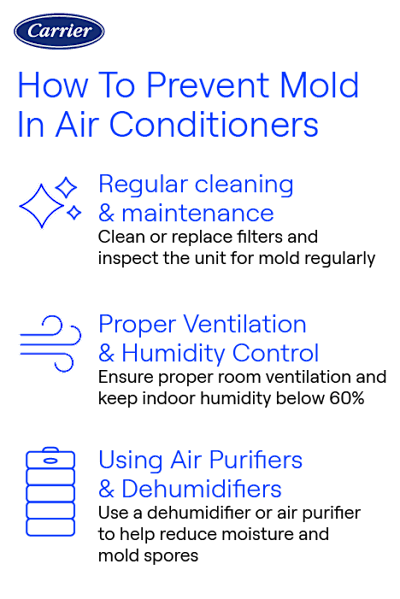
Keep the air conditioner dry and clean to stop mold from growing again. Regularly change filters and check for leaks or damp spots inside the unit. Good airflow and low humidity also help prevent mold buildup.
Regular Maintenance Schedule
Clean air filters every month. Check and clean the drain pan often. Make sure the vents are free of dust. Schedule a professional HVAC check once a year.
Control Humidity Levels
Keep indoor humidity below 60%. Use a dehumidifier if needed. Open windows to let fresh air in. Avoid drying clothes inside the home.
Use Mold-resistant Products
Choose mold-resistant paint for walls near the AC. Use antimicrobial coatings on ducts. Replace old insulation with mold-resistant types.

Credit: www.youtube.com
When To Call Professionals
Persistent mold growth inside the air conditioner needs expert attention. Call professionals if mold returns after cleaning or if you notice a strong musty smell. Complex systems and hidden mold require specialized tools and skills for safe removal.
Severe Mold Infestation
Large areasof mold need expert help. Mold can hide deep inside the air conditioner parts. Professionals have the right tools and cleaners to remove it safely.
Persistent Odors
Bad smellsthat don’t go away may mean mold is inside. Experts can find the source and clean it completely. This stops the smell from coming back.
System Malfunctions
Air conditioner problemslike strange noises or poor cooling can be caused by mold. Professionals can check and fix these issues to keep the system working well.
Frequently Asked Questions
How Do I Remove Mold From An Air Conditioner?
To remove mold, turn off the AC and unplug it first. Clean the filter and coils with a mixture of water and vinegar. Use a soft brush to scrub moldy areas gently. Allow all parts to dry completely before reassembling and turning the unit on.
What Causes Mold Growth In Air Conditioners?
Mold grows in AC units due to moisture buildup from condensation. Poor ventilation and dirty filters also contribute. Warm temperatures inside the unit create an ideal environment for mold spores to thrive, especially if the unit is not regularly cleaned.
Can Mold In Air Conditioners Affect Health?
Yes, mold spores from AC units can cause allergies, respiratory issues, and skin irritation. People with asthma or weakened immune systems are more vulnerable. Regular cleaning and maintenance reduce health risks by keeping mold growth under control.
How Often Should I Clean Mold From My Ac?
Clean your AC at least every three months during heavy use. Inspect filters and coils monthly for mold or dirt buildup. Frequent cleaning prevents mold from spreading and ensures efficient airflow and healthy indoor air quality.
Conclusion
Cleaning mold from your air conditioner keeps your home healthy. Regular maintenance helps prevent mold growth. Use vinegar or baking soda for eco-friendly cleaning. Always turn off the unit before starting. Wear protective gear to avoid mold exposure. Check and clean filters regularly.
They collect dust and mold spores. A clean air conditioner improves indoor air quality. It also extends the unit’s life. Remember, if the mold is extensive, call a professional. Safety first. Keeping your air conditioner mold-free ensures fresh, clean air in your home.
Stay consistent with cleaning for the best results.