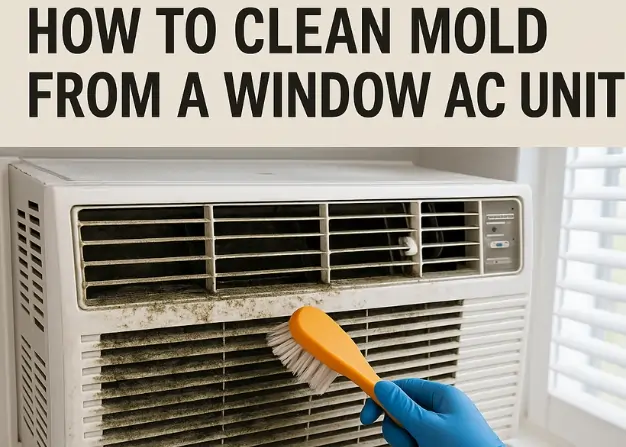
Is your window air conditioner smelling musty or not cooling as well as it used to? Mold could be the hidden culprit, quietly growing inside your unit and affecting your air quality.
You might not see it at first, but cleaning mold from your window air conditioner is essential for your health and comfort. In this guide, you’ll discover simple, step-by-step ways to get rid of mold quickly and safely—so your AC runs fresh and clean all season long.
Ready to breathe easier and keep your home cool? Let’s dive in.

Credit: www.reddit.com
Signs Of Mold In Window Ac
Mold can grow inside your window air conditioner if it stays damp. Mold affects the air quality and can cause health problems.
Knowing the signs of mold can help you clean your unit before it gets worse.
Common Mold Indicators
You can spot mold in your window AC by looking for these signs.
- A musty or damp smell coming from the AC
- Visible black, green, or white spots on the vents or filters
- Water leaking or pooling inside or around the unit
- Dust that seems sticky or clumps together on the AC parts
- Reduced airflow or strange noises caused by clogged parts
Health Risks To Note
Mold in your window air conditioner can cause health problems, especially for sensitive people.
| Health Issue | Possible Symptoms |
| Allergic Reactions | Sneezing, runny nose, itchy eyes |
| Asthma Attacks | Shortness of breath, wheezing |
| Respiratory Infections | Coughing, chest tightness |
| Skin Irritation | Rashes, itching |

Credit: www.reddit.com
Safety Precautions
Cleaning mold from your window air conditioner is important. Mold can cause health issues if not removed. Always follow safety precautions to protect yourself.
Ensure you have the right equipment and environment for cleaning. This will help you avoid any health risks during the process.
Protective Gear To Use
Wear the right protective gear to stay safe while cleaning. This will help keep harmful mold spores away from your body.
- Wear gloves to protect your hands from mold and cleaning chemicals.
- Use a mask to avoid inhaling mold spores and dust.
- Goggles protect your eyes from splashes and airborne particles.
- Wear long sleeves and pants to cover your skin.
Proper Ventilation Tips
Good ventilation is key when cleaning mold. It helps remove mold spores and fumes from cleaning products.
Open windows and doors to allow fresh air to circulate. This will help dilute any airborne mold spores.
- Use a fan to direct air outside and away from your face.
- Ensure the room has cross ventilation to improve airflow.
- Avoid using air conditioning during cleaning to prevent spreading spores.
Tools And Materials Needed
Cleaning mold from your window air conditioner requires certain tools and materials. These items help you clean safely and effectively.
Gathering the right supplies before you start will make the process easier and faster.
Cleaning Solutions
Using the correct cleaning solutions is important to kill mold and prevent it from coming back.
- White vinegar: natural and kills most mold types
- Hydrogen peroxide (3%): effective and safe for most surfaces
- Baking soda mixed with water: gentle and deodorizes
- Commercial mold cleaner: follow label instructions carefully
- Dish soap: helps remove dirt and grime
Essential Equipment
Having the right equipment protects you and helps you clean the air conditioner well.
| Equipment | Purpose |
|---|---|
| Gloves | Protect your hands from mold and cleaning solutions |
| Face mask | Prevent inhaling mold spores |
| Soft brush or toothbrush | Scrub mold off small parts |
| Spray bottle | Apply cleaning solutions evenly |
| Cloth or sponge | Wipe and dry cleaned surfaces |
| Screwdriver | Remove the air conditioner cover for better access |
Step-by-step Cleaning Process
Cleaning mold from a window air conditioner helps keep the air fresh and healthy. Mold can grow inside the unit if it stays damp for a long time.
Follow these steps carefully to clean your air conditioner safely and thoroughly.
Unplug And Remove The Unit
Always unplug the air conditioner before cleaning. This stops any risk of electric shock.
Next, carefully remove the unit from the window. Place it on a flat surface where you can work easily.
Disassemble For Access
Remove the front panel or cover of the air conditioner. This gives you access to the inside parts.
Check the manual if you need help taking the parts apart. Keep screws and small parts safe.
Clean The Filters
Take out the air filters from the unit. These usually collect dust and mold.
Wash the filters with warm water and mild soap. Rinse well and let them dry completely before putting back.
Scrub Moldy Areas
Use a soft brush and a mixture of water and white vinegar to scrub mold spots inside the unit.
Be gentle to avoid damaging the fins and coils. Clean all visible mold carefully.
- Mix one part vinegar with one part water
- Dip brush in the mixture
- Scrub moldy surfaces gently
- Wipe with a clean cloth
Rinse And Dry Components
After scrubbing, rinse the cleaned parts with water. Avoid soaking electrical parts.
Let all parts dry completely in a sunny place or a dry room. This stops mold from returning.
Preventing Future Mold Growth
Mold can grow again in your window air conditioner if you do not take care. It needs moisture and dirt to grow. Keeping the unit clean and dry helps stop mold from coming back.
Use some simple habits to keep your air conditioner mold-free. These will protect your health and keep the air fresh.
Regular Maintenance Tips
Check your air conditioner often for dirt and water buildup. Clean the filters and parts regularly. This stops mold from growing inside the unit.
- Clean or replace filters every month during use
- Dry the unit after use to remove moisture
- Vacuum dust and debris from vents and coils
- Use a mild detergent to clean removable parts
- Inspect the drain pan to ensure it is not clogged
Proper cleaning helps keep the air conditioner healthy. It also improves the cool air flow and saves energy.
Optimal Usage Practices
Use your window air conditioner to reduce humidity in the room. High humidity makes mold grow faster inside the unit. Set the right temperature and avoid overusing the AC.
- Keep room humidity below 60% if possible
- Turn off the AC when not needed to prevent moisture build-up
- Use a fan to improve air circulation around the unit
- Close windows and doors to avoid bringing in humid air
- Run the air conditioner on dry mode if it has one
Following these usage tips keeps the air conditioner dry and clean. This reduces the chance of mold growing inside your unit.
When To Call A Professional
Cleaning mold in your window air conditioner can be a DIY task. You can remove light mold with proper cleaning tools and cleaners. But some situations need expert help to keep you safe and your AC working well.
Knowing when to call a professional helps prevent health risks and damage to your unit. Experts have tools and skills to handle tough mold problems safely and thoroughly.
Signs Cleaning Isn’t Enough
If mold keeps coming back after you clean, it may be more serious. Persistent mold means it has spread inside parts you cannot reach or clean well.
Other signs include a strong mold smell, visible mold inside the unit, or if you feel sick after using the AC. These signs show the problem is bigger than surface mold.
- Mold returns quickly after cleaning
- Strong, musty smell from the AC
- Visible mold inside the unit parts
- Health issues like coughing or allergies
- Water leaks or dampness inside the AC
Finding Reliable Services
Look for professionals with experience in cleaning and repairing window air conditioners. Choose those who use safe mold removal methods to protect your health and the AC unit.
Check reviews and ask about their cleaning process. A reliable service will inspect the unit, remove mold deeply, and prevent future growth.
- Choose certified HVAC or mold removal experts
- Read customer reviews and ratings
- Ask about cleaning and mold removal methods
- Confirm they inspect and test the unit
- Request advice on preventing mold return

Credit: www.reddit.com
Frequently Asked Questions
How Do I Safely Clean Mold In Window Air Conditioners?
To safely clean mold, unplug the unit and remove the filter. Use a mixture of water and vinegar or a mild detergent. Wipe down all moldy surfaces with a soft cloth. Rinse and dry completely before reassembling and turning the unit back on.
What Causes Mold Growth In Window Air Conditioners?
Mold grows due to moisture buildup inside the unit. Poor ventilation and dirty filters trap humidity. Warm temperatures and stagnant water create ideal conditions for mold to thrive. Regular cleaning and maintenance prevent mold growth effectively.
Can Mold In Air Conditioners Affect My Health?
Yes, mold spores can trigger allergies and respiratory issues. Exposure may cause coughing, sneezing, and irritation. It’s important to clean mold promptly to maintain indoor air quality and protect your health.
How Often Should I Clean Mold From My Ac Unit?
Clean mold and filters every 1-3 months during heavy use. Regular maintenance prevents buildup and improves air quality. Check the unit monthly for signs of mold or moisture.
Conclusion
Cleaning mold in your window air conditioner keeps air fresh and safe. Regular checks stop mold from growing again. Use gentle cleaners and soft brushes for best results. Always dry the unit well after cleaning. Clean parts carefully to avoid damage.
Stay consistent to enjoy cool, clean air all summer. A little effort goes a long way in keeping your AC mold-free. Breathe easier and keep your home healthy with simple care steps.